- English
- French
- German
- Portuguese
- Spanish
- Russian
- Japanese
- Korean
- Arabic
- Irish
- Greek
- Turkish
- Italian
- Danish
- Romanian
- Indonesian
- Czech
- Afrikaans
- Swedish
- Polish
- Basque
- Catalan
- Esperanto
- Hindi
- Lao
- Albanian
- Amharic
- Armenian
- Azerbaijani
- Belarusian
- Bengali
- Bosnian
- Bulgarian
- Cebuano
- Chichewa
- Corsican
- Croatian
- Dutch
- Estonian
- Filipino
- Finnish
- Frisian
- Galician
- Georgian
- Gujarati
- Haitian
- Hausa
- Hawaiian
- Hebrew
- Hmong
- Hungarian
- Icelandic
- Igbo
- Javanese
- Kannada
- Kazakh
- Khmer
- Kurdish
- Kyrgyz
- Latin
- Latvian
- Lithuanian
- Luxembou..
- Macedonian
- Malagasy
- Malay
- Malayalam
- Maltese
- Maori
- Marathi
- Mongolian
- Burmese
- Nepali
- Norwegian
- Pashto
- Persian
- Punjabi
- Serbian
- Sesotho
- Sinhala
- Slovak
- Slovenian
- Somali
- Samoan
- Scots Gaelic
- Shona
- Sindhi
- Sundanese
- Swahili
- Tajik
- Tamil
- Telugu
- Thai
- Ukrainian
- Urdu
- Uzbek
- Vietnamese
- Welsh
- Xhosa
- Yiddish
- Yoruba
- Zulu
Painted coil problems that stall a t grid roll forming machine
Painted coil problems are among the most disruptive yet underestimated causes of production stalls in suspended ceiling manufacturing. When PPGI or GI strip feeds through a t grid roll forming machine, even minor surface defects—paint flaking, uneven coating thickness, or poor adhesion—can trigger feed jams, roller marking, and profile distortion. These issues compound quickly at operating speeds of up to 20 m/min across 18 roller stations, turning a minor coil flaw into a costly line shutdown. Understanding exactly what goes wrong and why is the first step toward protecting uptime and output quality.
What Painted Coil Defects Actually Do to Your Line Paint Flaking Clogs Roller Gaps
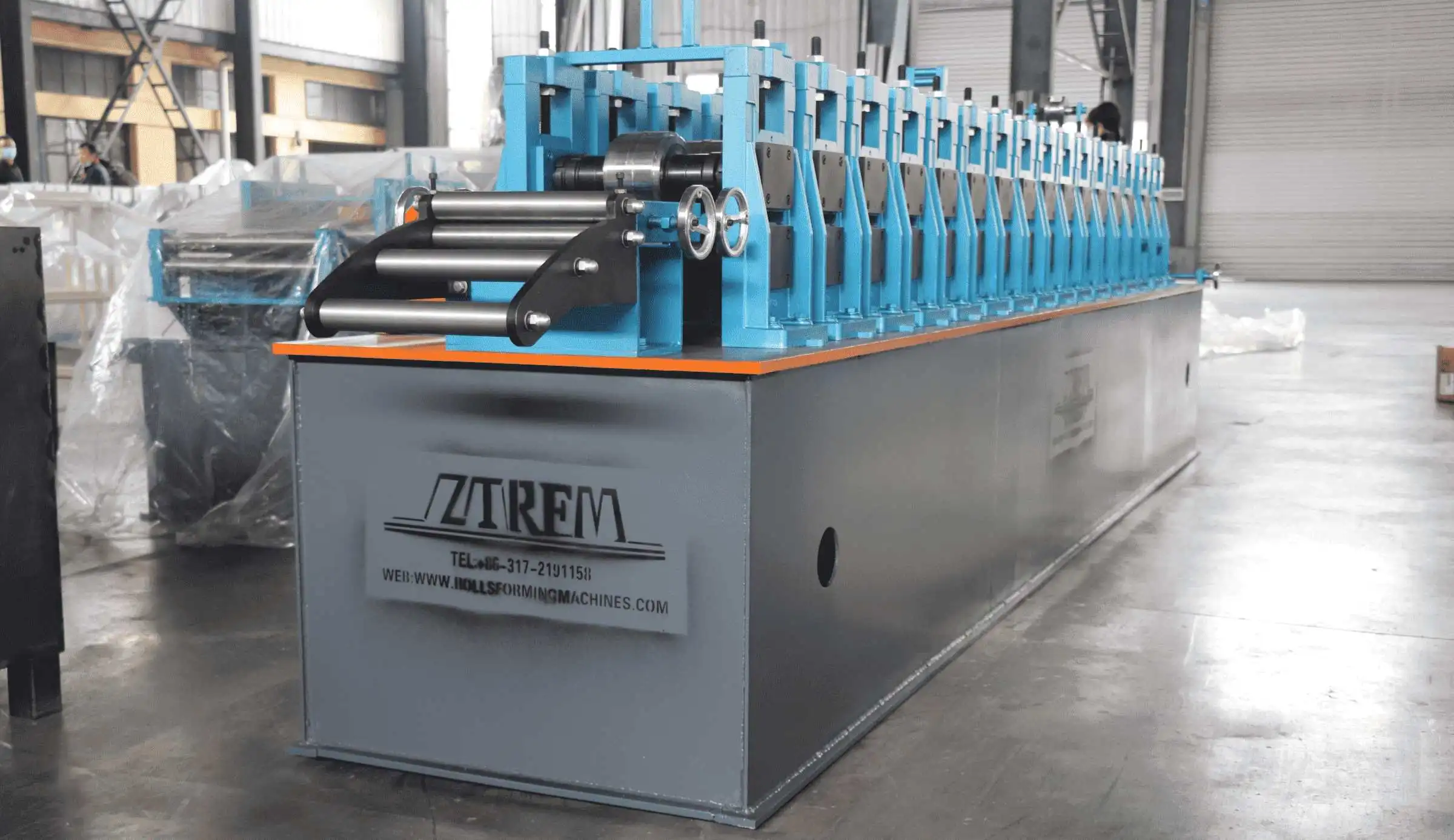
As the mold is being formed, paint chips fall out and get stuck in the tight roller gaps. There isn't much room for error between the roller surfaces and the strip shape on a line that runs 0.12–0.3 mm PPGI for T-bar top material. Even a small layer of paint dust makes the effective strip thicker, throws off the feed path, and makes the strip bend or get stuck before it gets to the cutting station further downstream.
Coating Thickness Variation Disrupts Forming Accuracy
Lower-quality coil suppliers often sell PPGI coils with inconsistent coating weight, which causes thickness differences that can be seen across the width of the strip. There is a buildup of mistakes when this uneven material goes through 18 roller stations for the main tee or 16 stations for the cross tee. The end result is a profile that doesn't match the goal shape, doesn't pass dimensional checks, and often needs the line to stop and be recalibrated.
Poor Adhesion Leads to Roller Surface Contamination
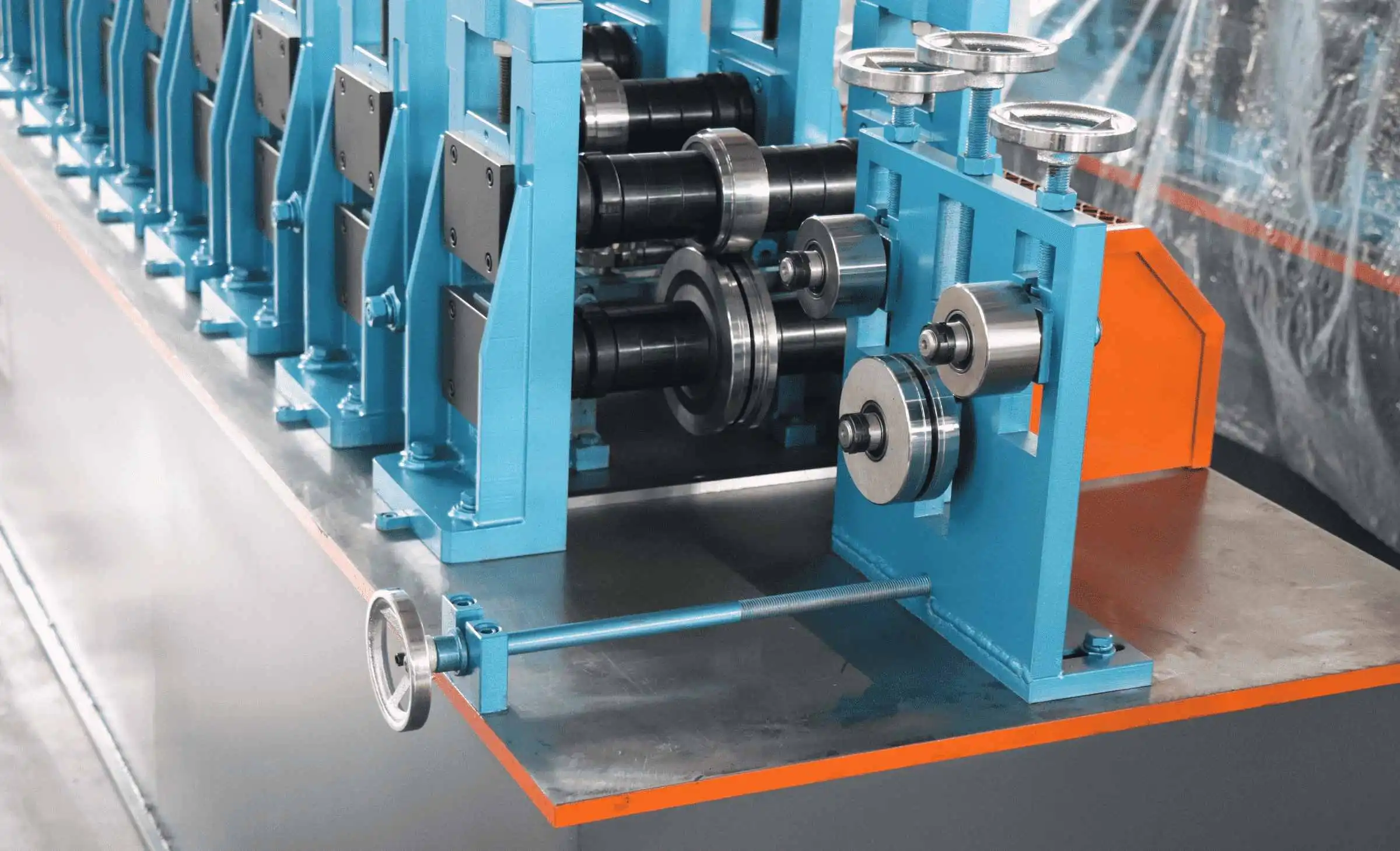
Paint that doesn't stick well transfers to roller surfaces when contact is made. Precision-machined GB-Cr12 rollers that protect surfaces that have already been painted slowly pick up paint residue. This residue makes tiny bumps that scratch the surface of the next coil pass, doing more damage with each meter of strip that is handled.
These three failure modes share a common thread: they all begin with coil quality decisions made before the strip ever touches the t grid roll forming machine.
Root Causes Behind Painted Coil Failures
Tracing painted coil problems back to their origin reveals two distinct categories—material-side and machine-side causes.
On the material side, one main cause is that paint formulations from coil sources aren't always the same. When polyester and PVDF coats are put on at the wrong hardening temperatures, they lose their flexibility, which makes them more likely to crack when they are cold-formed. When coils are stored incorrectly, especially when they are exposed to humidity or temperature changes before being loaded onto the 1.5-ton decoiler, the coating wears away faster. When the inner width of the coil is not between 450 and 550 mm, it puts tight-bend stress on the strip before it even starts to form.
On the machine side, calibration drift is often to blame. The best roll gap settings for standard GI strip (0.2–0.4 mm for T-bar bottom material) don't always work for thinner PPGI (0.12–0.3 mm for T-bar top material). When you run with factors that don't match, you get too much contact pressure, which breaks delicate coats. This damage is made worse by rollers that are worn or dirty.
Recognizing that both sides contribute simultaneously allows procurement managers and production engineers to address root causes rather than symptoms.
Strategies to Break the Bottleneck
Resolving painted coil stalls means focusing on the stages where problems are most common. What are the main points of action that can be seen to make a difference?
- Coil pre-qualification at intake: Use an electromagnetic gauge to check the thickness of the coating in several places on the strip before loading. Throw away coils whose dry film thickness is more than ±5 µm off from what is expected. This one step gets rid of most of the problems that happen during the painting process.
- Roll gap adjustment by material grade: When switching from GI bottom strip to PPGI top strip, the roll gaps need to be readjusted to fit the narrower PPGI tolerance window. The GB-Cr12 rollers and 45# steel rolling shaft in the forming head keep the dimensions accurate, but only when the gap sets match the thickness of the material being formed.
- Roller cleaning cycles built into shift changeovers: Every time the coils are changed, set aside time to wipe down the rollers with a non-abrasive solution. This keeps paint waste from building up and lowering the quality of surface touch over the course of a full production shift.
- Inline visual inspection before the cut station: Place a fixed camera or a human checkpoint right before the hydraulic cut to catch surface marking or profile twist before broken parts get to the stacker.
These solutions don't work on their own; they work together. Even if a plant pre-qualifies the coils but doesn't clean the rollers, they will still get dirty over time. Applying all four steps in combination has helped operators sustain consistent output speed without unplanned stalls.
Maintenance and Troubleshooting Protocol
Painted coil problems don't turn into long line shutdowns when there is a structured maintenance schedule in place. The following actions are the building blocks of a good maintenance plan.
Every time a shift starts, the rollers should be inspected. Use your fingers to look along the roller face for paint buildup or bumps in the surface. Any seam that can be seen needs to be cleaned right away before output can start again. It's important to keep an eye on both feeding guide rails and entry straighteners because dried paint flakes can get stuck in guide channels and cause lateral strip drag, which makes feed inconsistent.
If there is a feed jam in the middle of a run, don't push the strip forward. To release the stress on the strip, turn the decoiler a little to the right and physically clear the jam point. Next, look for paint on the roller stations upstream of the blockage before starting up again. When you force material through a jam point, you hurt both the roller surface and the strip layer.
A practical troubleshooting reference:
- Paint flaking at entry rollers → lower the entry guide pressure and look at the humidity records for coil storage
- Profile twist at mid-stations → Check that the roll gap is the same between station pairs 8–12, which is where the forming stress rises for the T-profile geometry
- Surface scratches on finished profiles → Clean the rollers right away and look for paint flecks stuck in the GB-Cr12 surfaces.
- Feed hesitation near punching station → Make sure the punch die is well oiled and that the thickness of the strip matches the die clearance setting
Consistent application of this protocol extends roller service life and keeps unplanned downtime below levels that are acceptable for high-volume production schedules.
Choosing the Right Machine for Painted Coil Handling
It's not all suspended ceiling making lines that are good at working with delicate PPGI paints. It's not just the top speed that matters when looking at a t grid roll forming t grid roll forming machine for painting coil work; other technical factors are also important.
Roller material specification is the most critical factor. The precision-ground sides of GB-Cr12 rollers protect coats that have already been painted much better than standard carbon steel rollers. Whether paint stays on the profile or transfers to the tooling depends on how hard the roller is and how smooth its surface is. No matter how carefully the coil is chosen, a line built with rollers made of poor quality will have surface flaws.
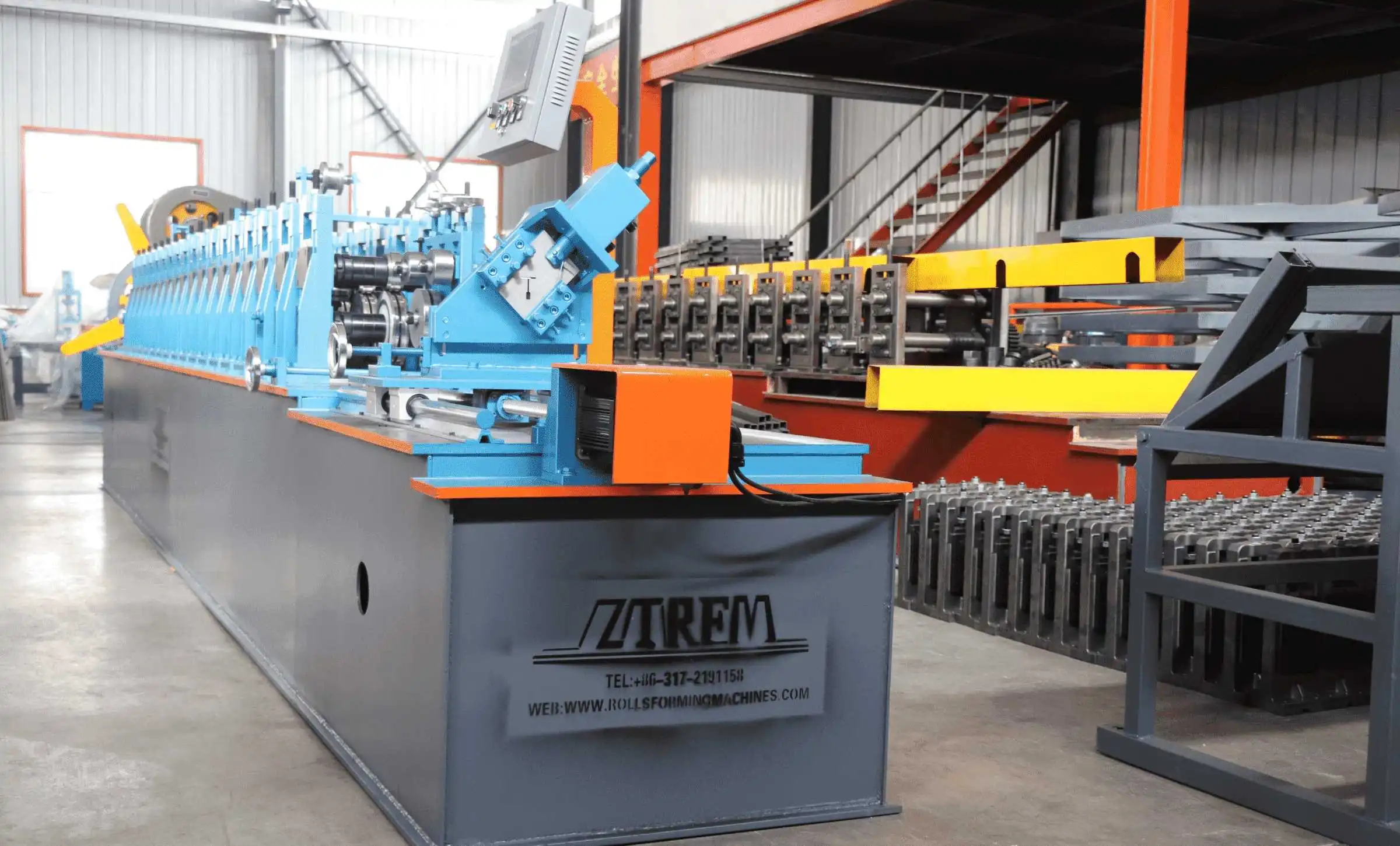
Lines that are capable are separated from lines that aren't by automation level and setting control. A servo-driven feed system keeps the tension on the strip the same at speeds between 0 and 20 m/min, even during the cutting and punching cycles. When you change the tension by hand, the speed changes, which stresses the layer every turn.
The specifications of a decoiler are more important than most buyers think at first. The decoiler can handle 1.5 tons of coils and has an inner diameter range of 450–550 mm and a 45# steel rolling shaft with a diameter of 50 mm. It supports stable coil unwinding without causing lateral wander that throws off the alignment of the strip at the entry guide.
Service after the sale and the ability to get extra parts round out the picture. If a supplier has documented global installations and client references that can be checked, you can be sure that support will be available when you need to replace tools or get help with calibration.
Safety and Operational Guidelines for Painted Coil Processing
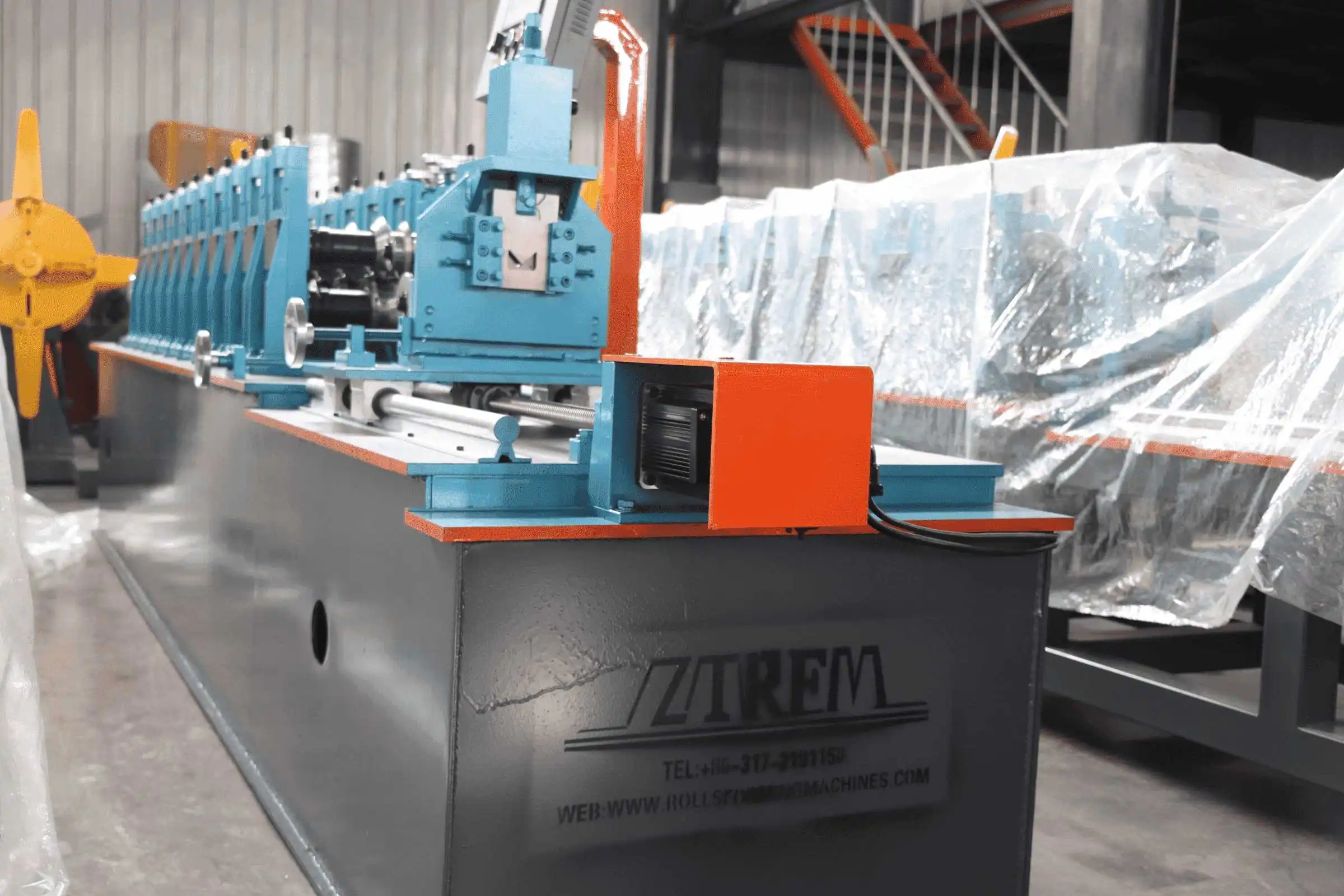
Painted coils put you at risk for chemical exposure in ways that a bare GI strip does not. During coil filling, people who work with PPGI coils should wear nitrile gloves and eye protection, especially when the cut edges are showing. Paint edge burrs on slit coil can let loose small metal and covering particles when the decoiler threads them.
Ventilation at the place where the forming line enters the room limits the exposure of the user to any solvent-based coating that may be released during the heating of the strip due to forming friction. This is especially important when the line is moving at its fastest, because the contact heat at the roller stations rises a little.
Ongoing training for operators on how to handle specific materials, such as the limits of PPGI flex, the right way to position coils for paint-side-up forming, and emergency stop methods, greatly lowers the number of accidents and damage to surfaces at work. Training should be refreshed whenever new types of coils are added to the production plan.
Conclusion
When gaps in material quality, problems with t grid roll forming machine calibration, and poor maintenance converge, painted coil problems halt T-grid forming lines. Taking care of each factor in a planned way, beginning with pre-qualifying the coil and ending with choosing a line designed for light-gauge PPGI, ensures reliable production and protects surface quality at every roller station. The technical information in this article helps the buying and engineering teams make better choices about where to get things and how to run their businesses.
FAQ
1. What causes paint peeling on T-grid profiles during roll forming?
Paint peels off when the coating doesn't stick well enough to withstand the bending stress that is put on it during cold forming. When PPGI coils are cured at the wrong temperatures, they become less flexible and crack where they were formed. This is greatly reduced by using coils with the right T-bend grade for the profile shape.
2. How often should rollers be cleaned when running PPGI coil?
As a rule, clean the wheels every time you change the coil. Every two hours, check and clean spots on high-speed runs going faster than 15 m/min. If you don't clean up the paint dust, it builds up faster at higher contact frequencies and hurts later coil passes directly.
3. Does an automatic line handle painted coils better than a manual one?
Automatic servo-driven lines make sure that all of the roller stations have the same strip tension and speed, which lowers the stress on the coating while it is being formed. At changeover points, manual lines cause changes in speed that cause localized pressure spikes. This is one of the main reasons why paint cracks and roller marks appear on delicate PPGI surfaces.
4. Can standard GI tooling run a PPGI coil without adjustment?
Not before being recalibrated. When you roll the PPGI top strip (0.12–0.3 mm) and the GI bottom strip (0.2–0.4 mm), you need to use different roll gap settings. When you run PPGI through GI-calibrated tools, the extra contact force crushes the coating layer.
Partner with ZTRFM for a Reliable T Grid Roll Forming Machine
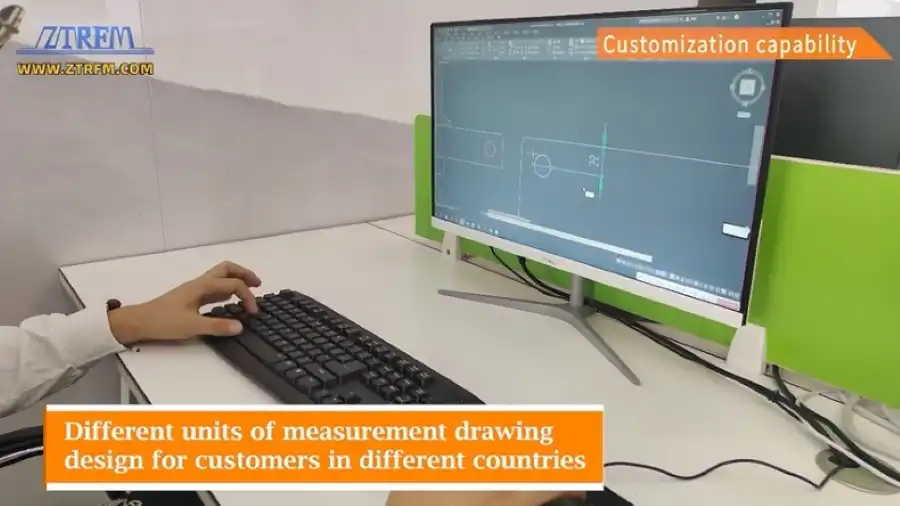
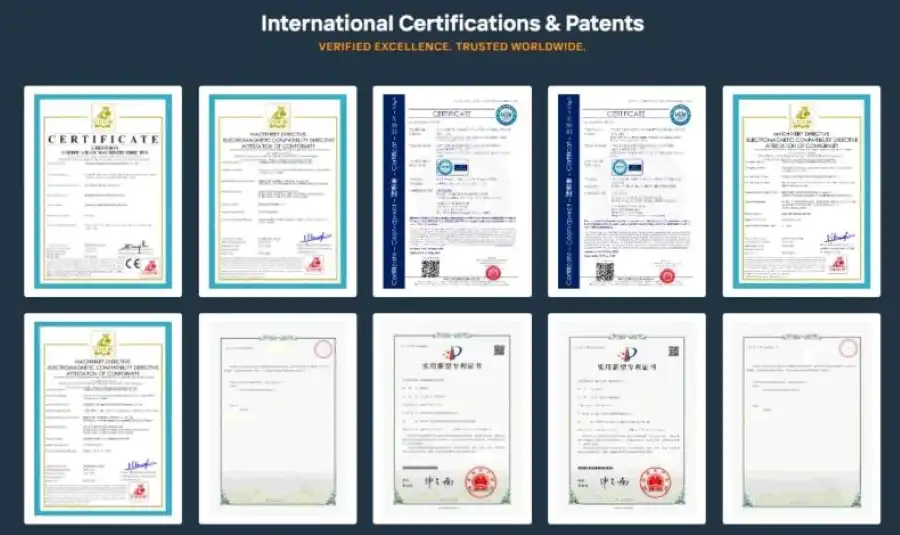
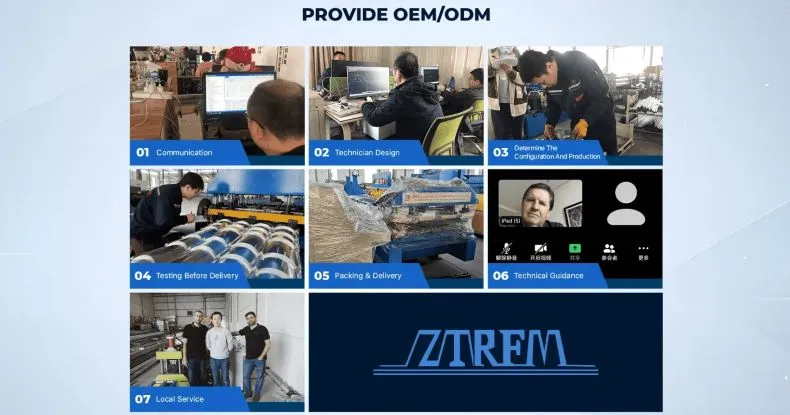
Since 2014, ZTRFM has designed and built suspended ceiling making lines that are currently in use in more than 150 countries. The t grid roll forming machine we have for sale has servo feed control, GB-Cr12 rollers, and 18-station main tee forming, made just for 0.12–0.3 mm PPGI strip. We offer expert help and OEM/ODM tools for all of our lines and are ISO 9001, CE, and CAS certified. To set up a meeting, email us at zhongtuorollforming@gmail.com.
References
1. Sheet Metal Industries – "Coating Integrity in Cold Roll Forming of Pre-Painted Steel," 2021.
2. Journal of Materials Processing Technology – "Forming Limit Analysis of PPGI Strip Under Multi-Station Roll Forming Conditions," 2020.
3. ASTM International – ASTM C635: Standard Specification for the Manufacture, Performance, and Testing of Metal Suspension Systems for Acoustical Tile and Lay-In Panel Ceilings, 2022.
4. Steel Construction – "Light Gauge Steel in Suspended Ceiling Systems: Material Selection and Performance," 2019.
5. Machinery's Handbook, 31st Edition – Industrial Press, 2020.
6. International Journal of Advanced Manufacturing Technology – "Surface Defect Formation Mechanisms in Roll Forming of Coated Steel Strip," 2022.