- English
- French
- German
- Portuguese
- Spanish
- Russian
- Japanese
- Korean
- Arabic
- Irish
- Greek
- Turkish
- Italian
- Danish
- Romanian
- Indonesian
- Czech
- Afrikaans
- Swedish
- Polish
- Basque
- Catalan
- Esperanto
- Hindi
- Lao
- Albanian
- Amharic
- Armenian
- Azerbaijani
- Belarusian
- Bengali
- Bosnian
- Bulgarian
- Cebuano
- Chichewa
- Corsican
- Croatian
- Dutch
- Estonian
- Filipino
- Finnish
- Frisian
- Galician
- Georgian
- Gujarati
- Haitian
- Hausa
- Hawaiian
- Hebrew
- Hmong
- Hungarian
- Icelandic
- Igbo
- Javanese
- Kannada
- Kazakh
- Khmer
- Kurdish
- Kyrgyz
- Latin
- Latvian
- Lithuanian
- Luxembou..
- Macedonian
- Malagasy
- Malay
- Malayalam
- Maltese
- Maori
- Marathi
- Mongolian
- Burmese
- Nepali
- Norwegian
- Pashto
- Persian
- Punjabi
- Serbian
- Sesotho
- Sinhala
- Slovak
- Slovenian
- Somali
- Samoan
- Scots Gaelic
- Shona
- Sindhi
- Sundanese
- Swahili
- Tajik
- Tamil
- Telugu
- Thai
- Ukrainian
- Urdu
- Uzbek
- Vietnamese
- Welsh
- Xhosa
- Yiddish
- Yoruba
- Zulu
What equipment to make color steel sheets for factory construction?
A roll forming line with a trapezoidal sheet roll forming machine in the middle is needed to make color steel sheets. The roll former, a PLC control cabinet, a hydraulic cutting system, and a run-out table or stacker are all parts of the line. The pre-painted coil is held by the decoiler. It goes into the forming stations, which shape it, and then the shear cuts it to length. When you buy pre-painted coil, you don't need a coating line because the coil is already painted. You need a different machine to bend flashings and ridge caps.
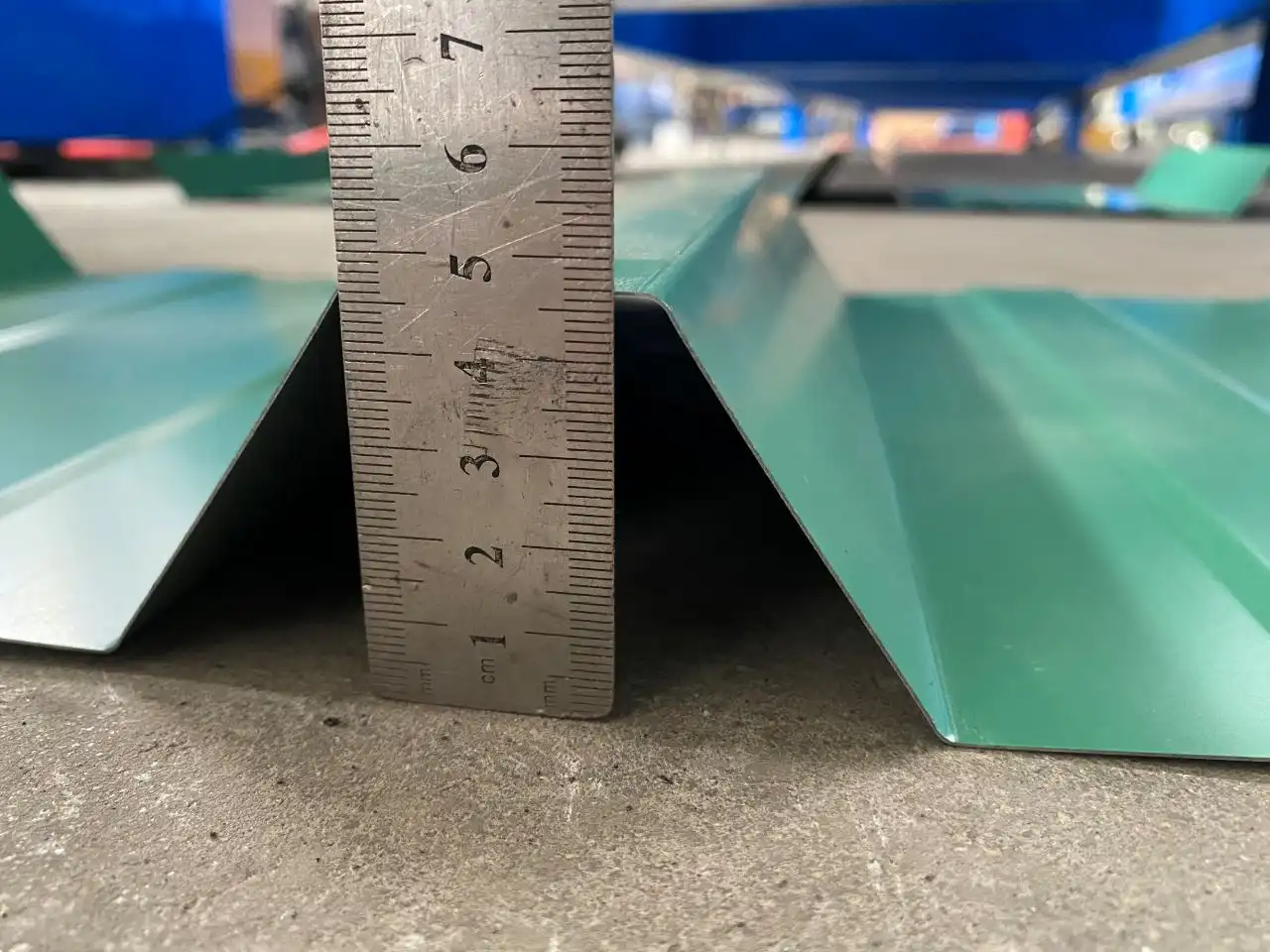
When you paint or coat coils of steel and then shape them into roof and wall panels, you get color steel sheets. The coating is put on by the steel mill, and your factory makes the block. These panels are good for warehouses, workshops, farm buildings, and commercial buildings because they are light, easy to install, and come in a lot of different shapes. This book talks about gear, specs, capacity, costs, and how to check out a supplier to get an accurate quote.
What Equipment Is Required to Make Color Steel Sheets?
The Core Production Line
It holds the coil and feeds it forward at the beginning of most lines. Some parts of the strip guide and level it so that it goes straight into the rollers. There is a roll former that shapes the strip and a hydraulic cutter that cuts each panel to size. A run-out table or an automatic stacker then picks up the finished sheets. A PLC cabinet controls the length, quantity, and cutting.
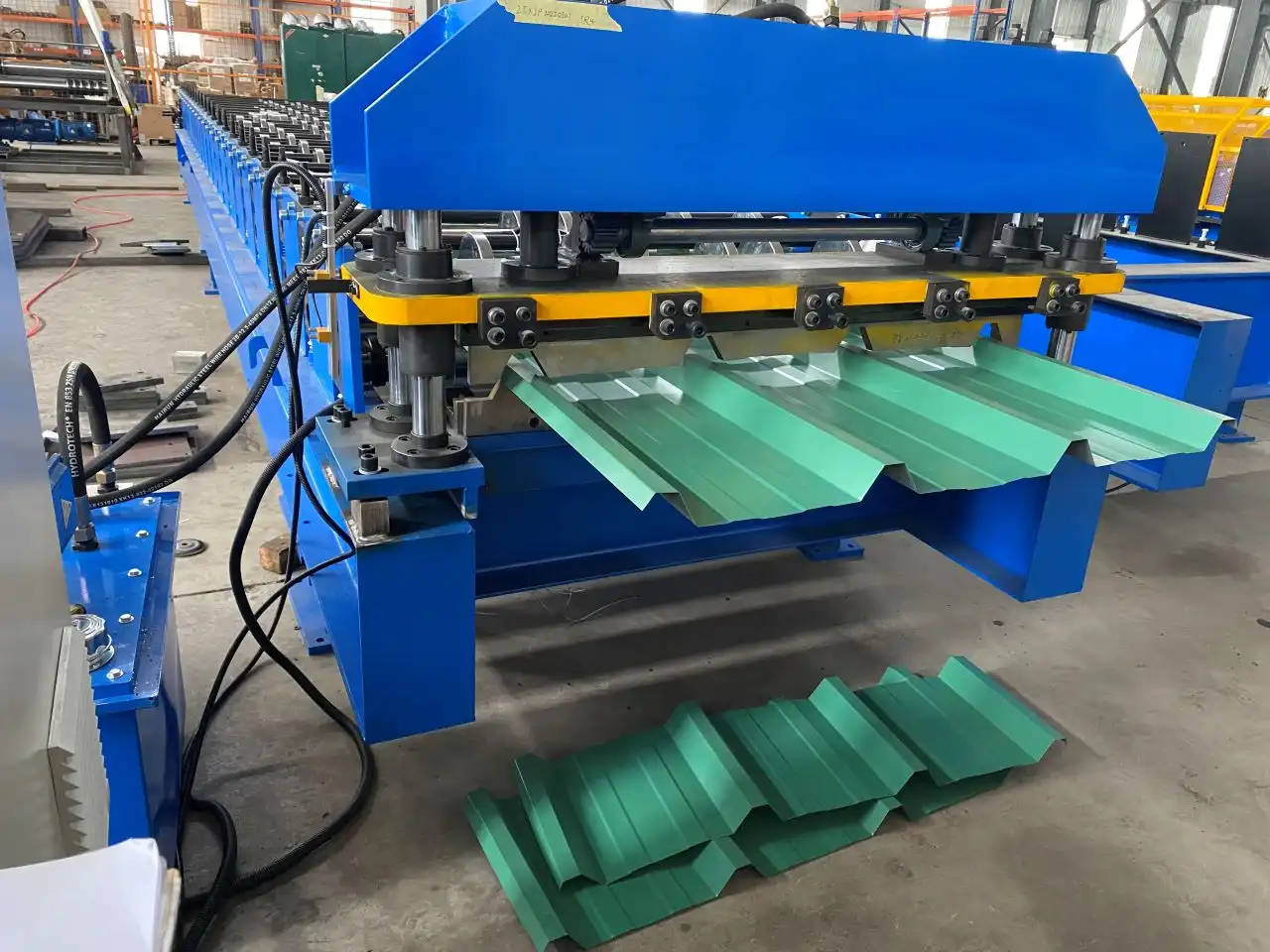
You can choose to have pre-punching, embossing, insulation lamination, double-layer machines, and slitting equipment. People who already have paint on their coils skip the color coating line. Keep in mind that you will need to buy separate bending tools for the ridge caps, gutters, and flashings. Plan to do this along with the main line.
How the Trapezoidal Sheet Roll Forming Machine Works
The process has five steps. The person in charge puts a coil on the decoiler that has already been painted. The strip then goes through the leveler and guides. It is made when it gets to the next station. A new set of rollers bends the metal a little more at each station. The PLC measures the length and starts the hydraulic cutter when the right size is reached. The sheets are then put on the run-out or stacker table.
The paint film stays safe, and the edges don't warp when it is bent slowly. Compare the length, rib shape, surface condition, and edge quality to the drawing after the first test run. That is the only time full production should begin.
Main Components Buyers Should Compare
Lines stay straight for a certain amount of time if their parts are well made. Check the brakes, the type of decoiler (manual or hydraulic), and the number of coils it can hold. The trapezoidal sheet roll forming machine won't slip or scratch if the feed is smooth. We use 45# steel for our forming rollers, and to make them last longer, we hard chrome plate them. The body frame is made of 350 H steel, and the wheels have solid 80 mm shafts. With a transmission and gearbox, everything runs smoothly, and there is less vibration.
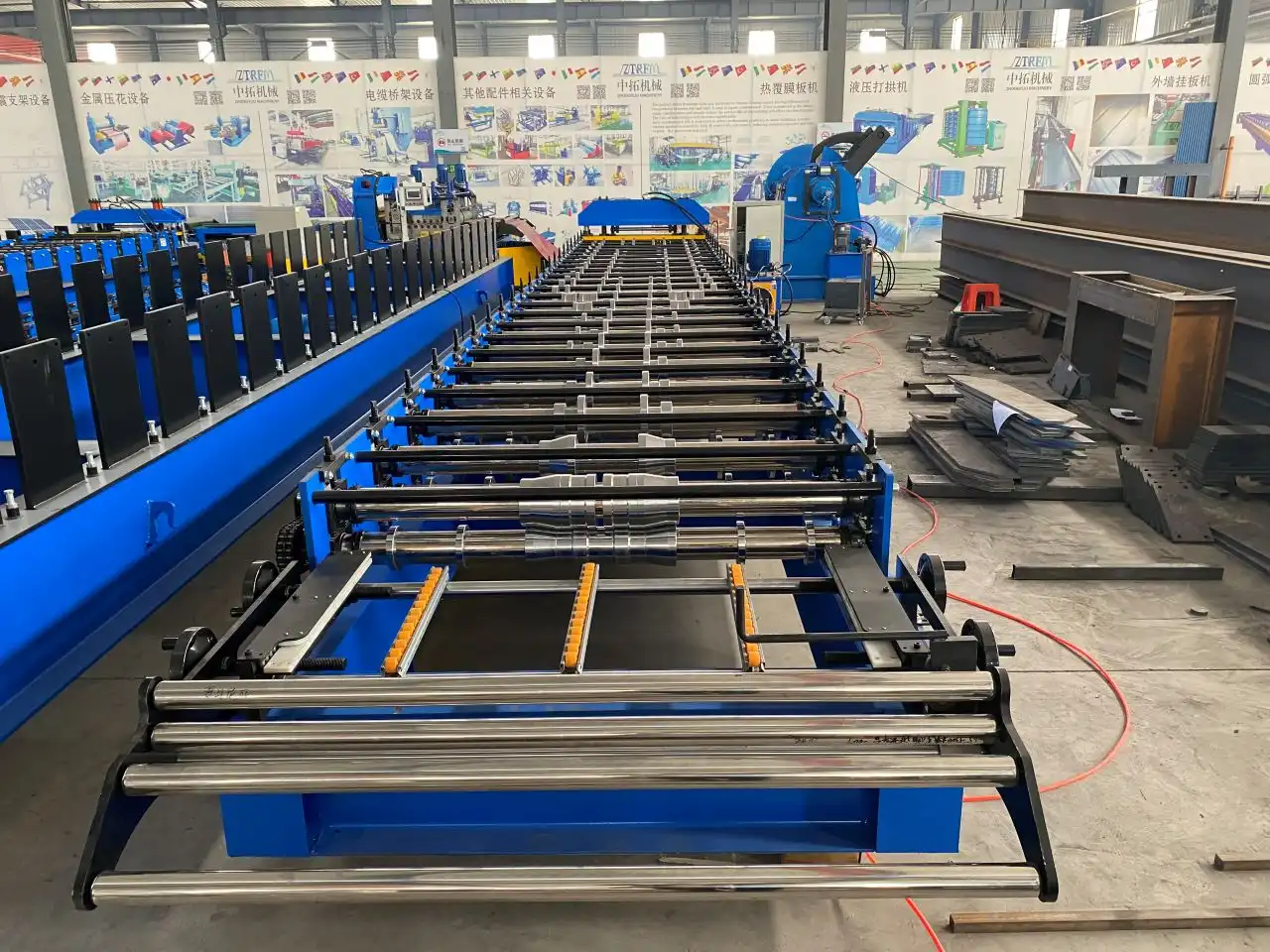
Look for guides that can be moved, covers that protect them, emergency stop switches, and easy-to-reach places for maintenance. The material's shape and thickness must match how the roller is made. Make sure you know the safety rules, control language, electrical standards, and part brands of a plant in another country before you place an order for one.
Trapezoidal Sheet Roll Forming Machine Specifications and Capacity
Profile, Material, and Dimension Data
You need to know the material, the grade of steel, the yield strength, the thickness, the width of the coil, the type of coating, the weight of the coil, and the protective film before you ask for a quote. From 0.3 mm to 1 mm thick, our machine can shape PPGI, GI, and aluminum. This can be done in 1000 mm or 1250 mm widths, and it can be changed to fit your needs. For US projects, 24 and 22 gauge steel and.032-inch aluminum can be used in this thickness range.
You can choose the right coil with the help of material standards. The ASTM A653 standard covers galvanized sheets, and the ASTM A755 standard covers painted sheets. Then add details about the profile, like its effective width, overall width, rib spacing, profile height, side-lap design, and tolerance. We can make custom lengths from 3 feet to 20 feet 10 inches, and long flashings can be up to 20 feet 11 inches long. You can put these on the roof or on walls that are straight up or down.
Production Capacity and Working Speed
The machine can move at speeds of 0 to 60 meters per minute and is powered by a 5.5 kW main motor and a 7.5 kW hydraulic station. If you go 60 meters per minute, the output could reach 3,600 meters per hour. It takes longer to do things like changeover, inspection, maintenance, cutting synchronization, coil loading, and changing the cutting profile. This means that the actual output is lower.
Don't just go by the speed of the headline; have your profile and pieces read out loud first. To find the right size line, divide the number of meters needed for panels each month by the number of hours they are supposed to be used. If possible, add extra capacity in case demand is high. The cutting tolerance is ±1 mm, which makes sure that panels stay the same length over long runs.
Manual, Automatic, Single-Layer, or Double-Layer
Manual machines are less expensive, but they need more work and don't always work as well. Fully automatic lines add length, quantity, and stacking, and a PLC controls them all to keep the output steady at a high level. For one type of job, a single-layer machine works best when making a lot of things. There is more room on the floor for a double-layer machine that can make two profiles in one structure. This is useful for OEM and distributors who sell more than one type of panel.
For shops that make more than one profile, we also have quick-change cassette tooling. Pick one based on how much you order, how much labor costs, how big your plant is, and how often you need to switch things over. A single-layer line might be enough for a small shop to start, but a bigger panel factory might need to be fully automated.
How to Choose, Buy, and Maintain a Trapezoidal Sheet Roll Forming Machine
Buying Guide and Price Factors
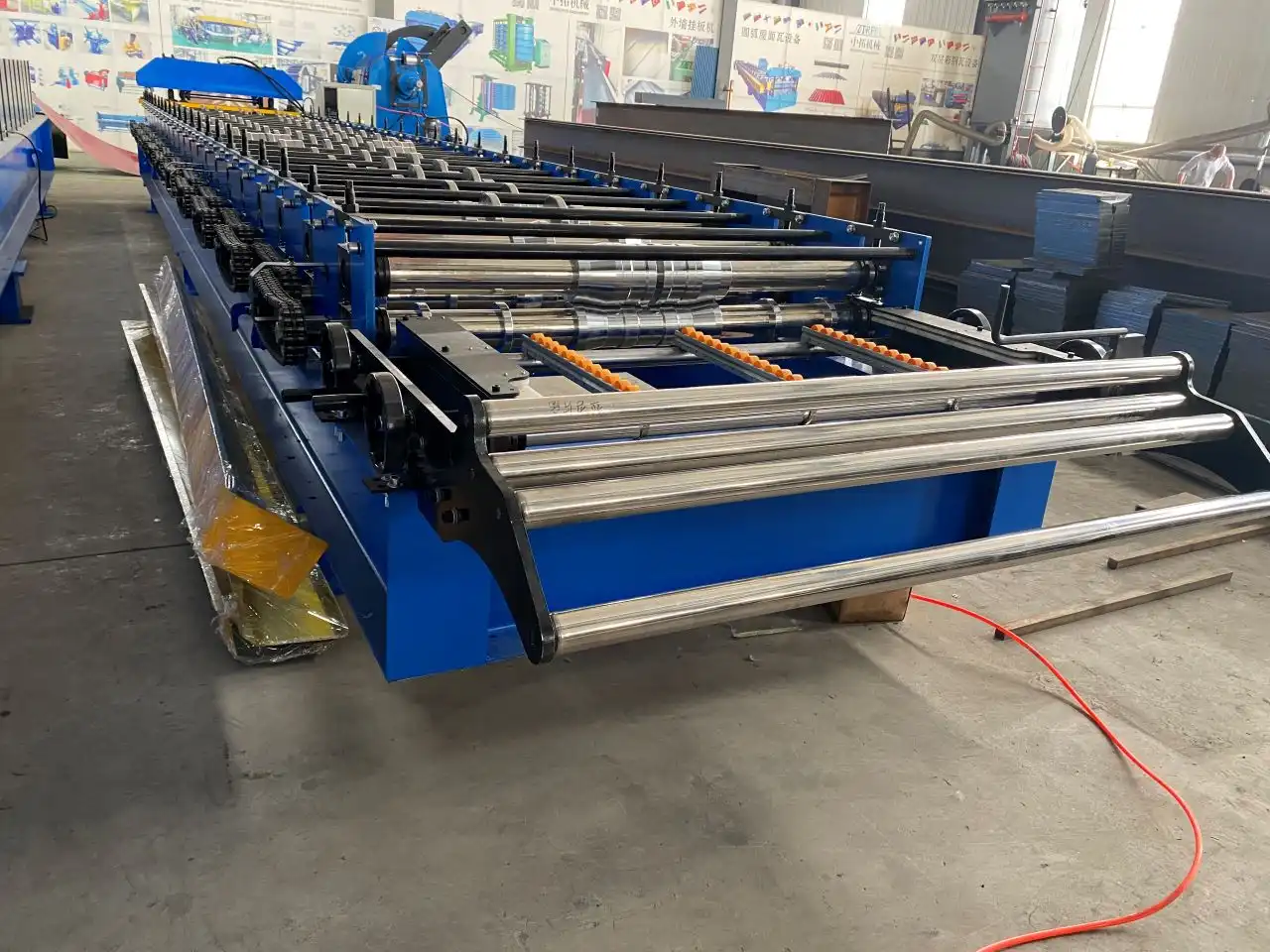
First, you should decide what you want to do. Are you going to make things in-house, sell panels, make OEM products, boost capacity, or get new equipment? Then, check how well the profiles fit together, what kinds of materials they can work with, how much they can actually do, how accurate they are, how much space they take up, how much energy they use, spare parts, warranty, and technical support.
Prices vary depending on how automated the process is, how many forming stations there are, how thick the metal is, how complicated the profile is, what kind of decoiler is used, how it is stacked automatically, what tools are used, and how it is tested. To get similar quotes, send drawings, material specs, output goals, voltage, destination, and delivery needs. These days, people in the US work with PBR, R-panel, and snap-lock profiles. Before the goods are sent out, they want a video acceptance test. Also, plants in the US use 60 Hz power, so check the voltage first. You should look at the rollers, drives, hydraulics, controls, blades, and paperwork before you buy a used trapezoidal sheet roll forming machine. A low price might not show how much it costs to fix.
Common Mistakes and Risks
A lot of people only look at the advertized speed when they decide. Some people send incomplete profile drawings, forget to include surface coatings, don't think about layout needs, or don't plan for spare parts. Every mistake can make things take longer in the end.
If you follow a strict process, these issues can't happen. You should look at the drawings, test the material with your coil, write down the results, and then put it all in a technical agreement. Decide what you'll accept in terms of size, speed, accuracy of cuts, safety features, paperwork, delivery, setup, and work that needs to be done after the sale. Having extra roller sets and cutting blades on hand will help a line that has stopped work get going again faster.
Quality Control, Maintenance, and Choosing a Manufacturer
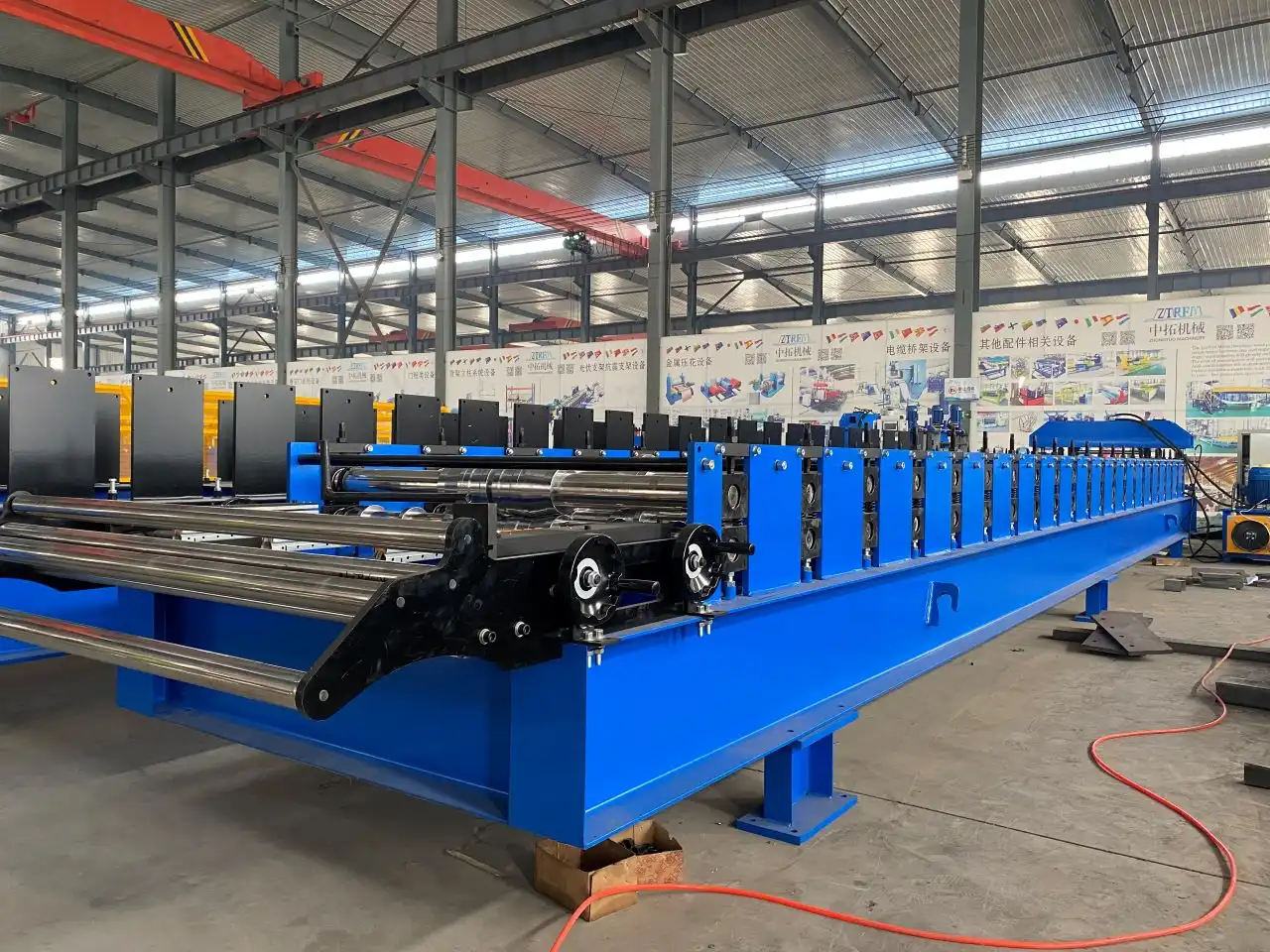
Make sure the finished sheets are straight, have the right diagonals, are the right length, width, profile height, rib spacing, and that the coating and cut are in good shape. Lubricate the rollers, check the hydraulics, replace the blades, and check the electrical, sensor, and emergency stop systems to keep the machine in good shape. Check the alignment again after moving or after a lot of use. Results stay the same because of how the coil is loaded normally, the PLC settings are saved, and scrap is tracked.
All of this comes from a company that has been around for a long time. In 2014, the business ZTRFM was set up in Botou, Cangzhou. Over 150 countries have bought from this company. It is certified by ISO 9001, CE, and CAS. We provide OEM and ODM tools, Siemens PLC control, and remote diagnostics through the Siemens cloud IoT.
Conclusion
For factories that build things, color steel sheets are made from coils that have already been painted and shaped on a roll mold. A trapezoidal sheet roll forming machine is at the heart of this line. For the line, you also need a decoiler, a guiding unit, a PLC control, a hydraulic cutter, a run-out table or stacker, and a decoiler. Flashings, on the other hand, need their own tools for bending. When picking the best configuration, you need to think about the profile, the material, the thickness, the output, the level of automation, and the floor space. The quotes and specifications are correct when certain inputs are used, such as the profile dimensions, material grade, and tolerance. After tests, it was found that the rated speed and the output are not the same. People who buy things make sure the quality of the panels stays the same by writing down the things they want and comparing them. These things include forming accuracy, surface protection, total ownership cost, and after-sales support.
FAQ
1. Does this machine paint raw steel?
No, not usually. It doesn't paint raw steel; it only paints coils that have already been made. Send your specs to make sure they work with theirs. How well they work together depends on the profile's thickness, strength, coating, and shape.
2. Which materials and thicknesses can it form?
It can shape PPGI, GI, and aluminum between 0.3 mm and 1.0 mm thick. This includes 24 and 22 gage steel and.032-inch aluminum.
3. How fast does it run?
The form is moving at 60 meters per minute. When you ask for a test run with your material, the speed that works best will depend on the shape, thickness, and timing of the cuts.
4. Should I choose a single-layer or double-layer machine?
If you only want one high-volume profile, choose single-layer. Choose double-layer if you need two profiles from one structure and want to save floor space.
5. What should I send for a quotation?
Please send a profile drawing, a list of materials and thicknesses, the voltage you want to use, the address where the goods should be sent, and delivery instructions. Having extra roller sets and cutting blades on hand is a good idea.
Request a Trapezoidal Sheet Roll Forming Machine Proposal from ZTRFM
Send your profile drawing, the types of materials and thicknesses you want to use, as well as your monthly output goal, voltage, and destination, to ZTRFM at zhongtuorollforming@gmail.com. Our company makes a trapezoidal sheet roll forming machine that is approved by ISO 9001, CE, and CAS. We will give you a suggested layout, an estimate of the machine's capacity, a personalized quote, and a testing schedule. You can also test the video with your own coil before it ships.
References
1. Roll Forming Handbook (CRC Press), 2005
2. Cold-Formed Steel Design (Wiley), 2020
3. North American Specification for the Design of Cold-Formed Steel Structural Members, AISI S100 (American Iron and Steel Institute), 2016
4. ASTM A653/A653M, Standard Specification for Steel Sheet, Zinc-Coated (Galvanized) or Zinc-Iron Alloy-Coated (Galvannealed) by the Hot-Dip Process (ASTM International), 2020
5. ASTM A755/A755M, Standard Specification for Steel Sheet, Metallic Coated by the Hot-Dip Process and Prepainted by the Coil-Coating Process for Exterior Exposed Building Products (ASTM International), 2018
6. International Building Code (International Code Council), 2021