- English
- French
- German
- Portuguese
- Spanish
- Russian
- Japanese
- Korean
- Arabic
- Irish
- Greek
- Turkish
- Italian
- Danish
- Romanian
- Indonesian
- Czech
- Afrikaans
- Swedish
- Polish
- Basque
- Catalan
- Esperanto
- Hindi
- Lao
- Albanian
- Amharic
- Armenian
- Azerbaijani
- Belarusian
- Bengali
- Bosnian
- Bulgarian
- Cebuano
- Chichewa
- Corsican
- Croatian
- Dutch
- Estonian
- Filipino
- Finnish
- Frisian
- Galician
- Georgian
- Gujarati
- Haitian
- Hausa
- Hawaiian
- Hebrew
- Hmong
- Hungarian
- Icelandic
- Igbo
- Javanese
- Kannada
- Kazakh
- Khmer
- Kurdish
- Kyrgyz
- Latin
- Latvian
- Lithuanian
- Luxembou..
- Macedonian
- Malagasy
- Malay
- Malayalam
- Maltese
- Maori
- Marathi
- Mongolian
- Burmese
- Nepali
- Norwegian
- Pashto
- Persian
- Punjabi
- Serbian
- Sesotho
- Sinhala
- Slovak
- Slovenian
- Somali
- Samoan
- Scots Gaelic
- Shona
- Sindhi
- Sundanese
- Swahili
- Tajik
- Tamil
- Telugu
- Thai
- Ukrainian
- Urdu
- Uzbek
- Vietnamese
- Welsh
- Xhosa
- Yiddish
- Yoruba
- Zulu
What roofing tile machine for rural self-built houses?
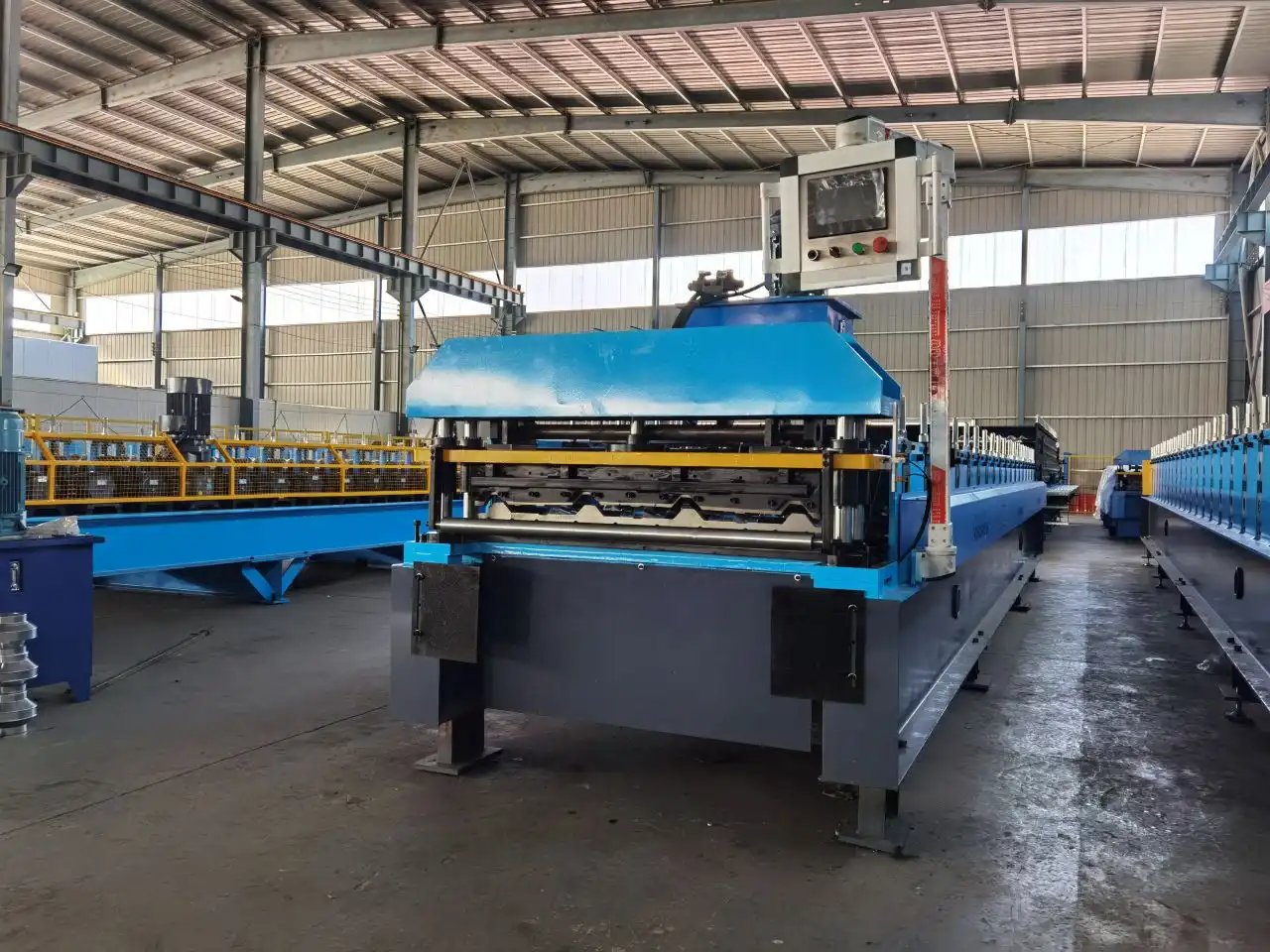
When building a house in the country, a glazed roof sheet machine is best because it can turn coated steel coil into light roofing sheets that look like tiles all at once. Based on what I've learned, this kind of line should be able to handle color steel thicknesses of 0.3 mm to 0.8 mm. Before you choose the level of automation, make sure it fits your daily needs and the space you have for the workshop. When you know how something works, how to set it up, and what questions to ask before you buy it, it's easy to get the right gear.
Start With the Roof Before You Choose the Machine Roofing Needs of Rural Self-Built Houses
In the country, most people want a roof that lasts, looks good, doesn't cost much, and is easy to put on. Clay and concrete tiles are common, but they are heavy and need stronger support. Metal glazed roof sheets come in long sheets that are easier to handle and set up more quickly. Both the International Residential Code and the NRCA Roofing Manual on metal panel systems say that metal roof panels can be used to cover homes. What kind of coated coil is available in the area? What kind of profile do buyers want? How much monthly demand can the area handle? These are the three things I check before I compare prices on machines.
What a Glazed Roof Sheet Machine Does
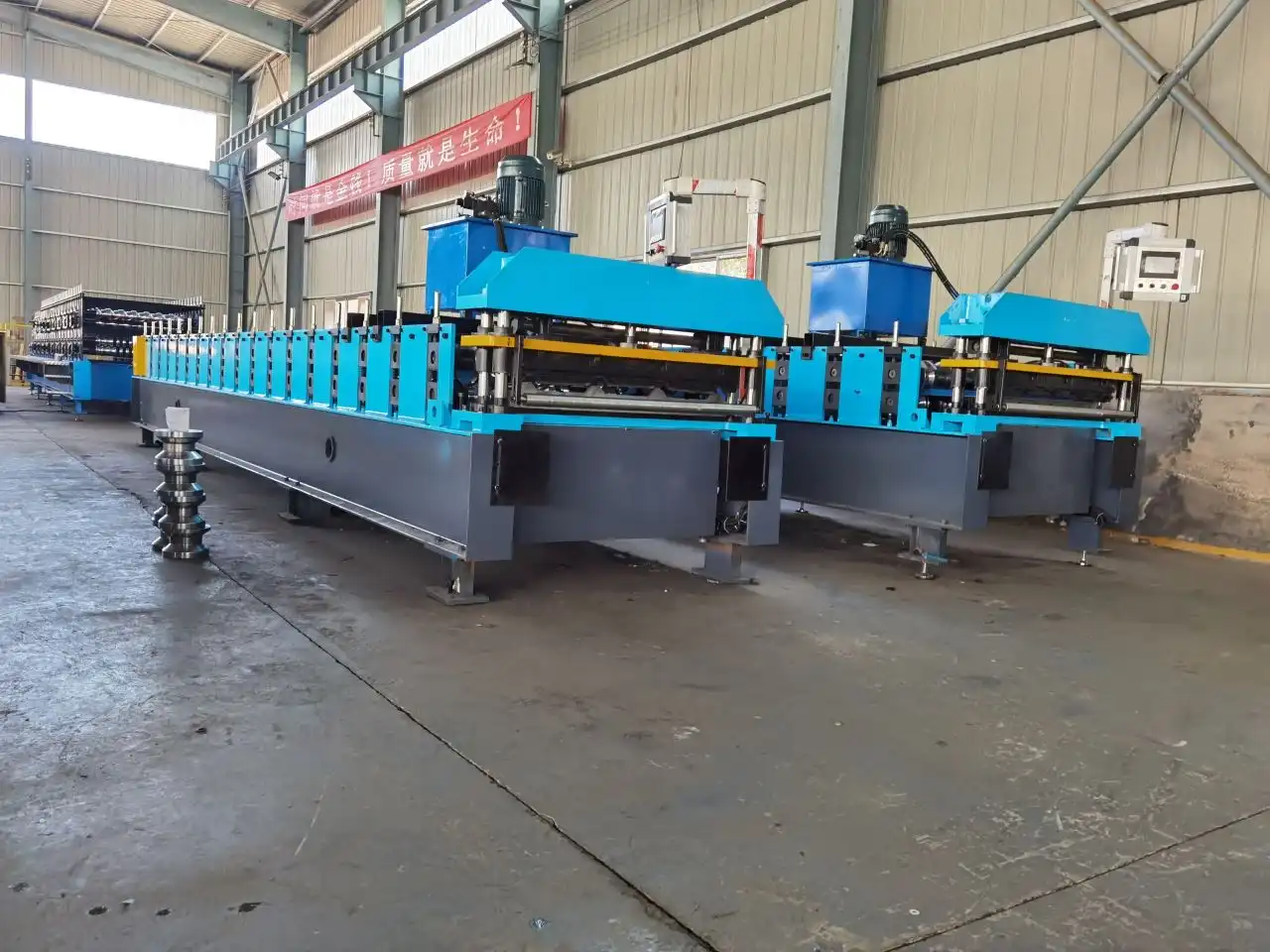
It's possible to call this kind of machine a step tile roll forming machine. A glazed roof sheet machine automatically rolls out and stamps roof sheets. It turns flat coils of metal into metal roof tiles or step tiles with a glaze on them. On this line, you can use galvalume, PPGI, color steel, or galvanized sheet. The rollers that shape the wave plates cut convex grooves in them. Then, a hydraulic pressing unit presses three-dimensional step patterns into the plates, such as positive arc or bamboo joint styles. The ASTM A653 standard covers galvanized sheets, and the ASTM A755 standard covers painted sheets. You can choose what length of sheet to cut, so one coil can cover a number of different roof sizes.
Glazed Roof Sheet or Glazed Roof Tile?
I always ask for a profile drawing or sample because these names are used in different ways by different suppliers. Some people call it a glazed roof sheet, a step tile, a metal tile, or a glazed roof tile. These names are often used for the same group of pressed metal profiles, but the pitch, step size, and effective width may be different. With a drawing, the maker doesn't have to guess. They can be sure that the rollers and pressing dies can make the shape you want. Clear terms also protect you when you compare prices from different sellers. This quick check doesn't take long and can save you a lot of money by keeping you from having to pay for profile mismatches.
How a Glazed Roof Tile Roll Forming Machine Works
The Production Process Step by Step
It's easy to follow the steps. This part holds the coil and is the first part of the line that gets the strip. After that, there is a station that rolls up the sheet and a station that checks its length. After that, the hydraulic pressing unit stamps the step pattern, and the tile is cut to the length that was set. The sheets are then brought to the output table so that they can be picked up and looked over. Because each stage builds on the last, a coil that isn't lined up right at the start can end up as a tile that isn't straight. I believe that the alignment should be checked every time a coil is changed.
Core Components and What They Control
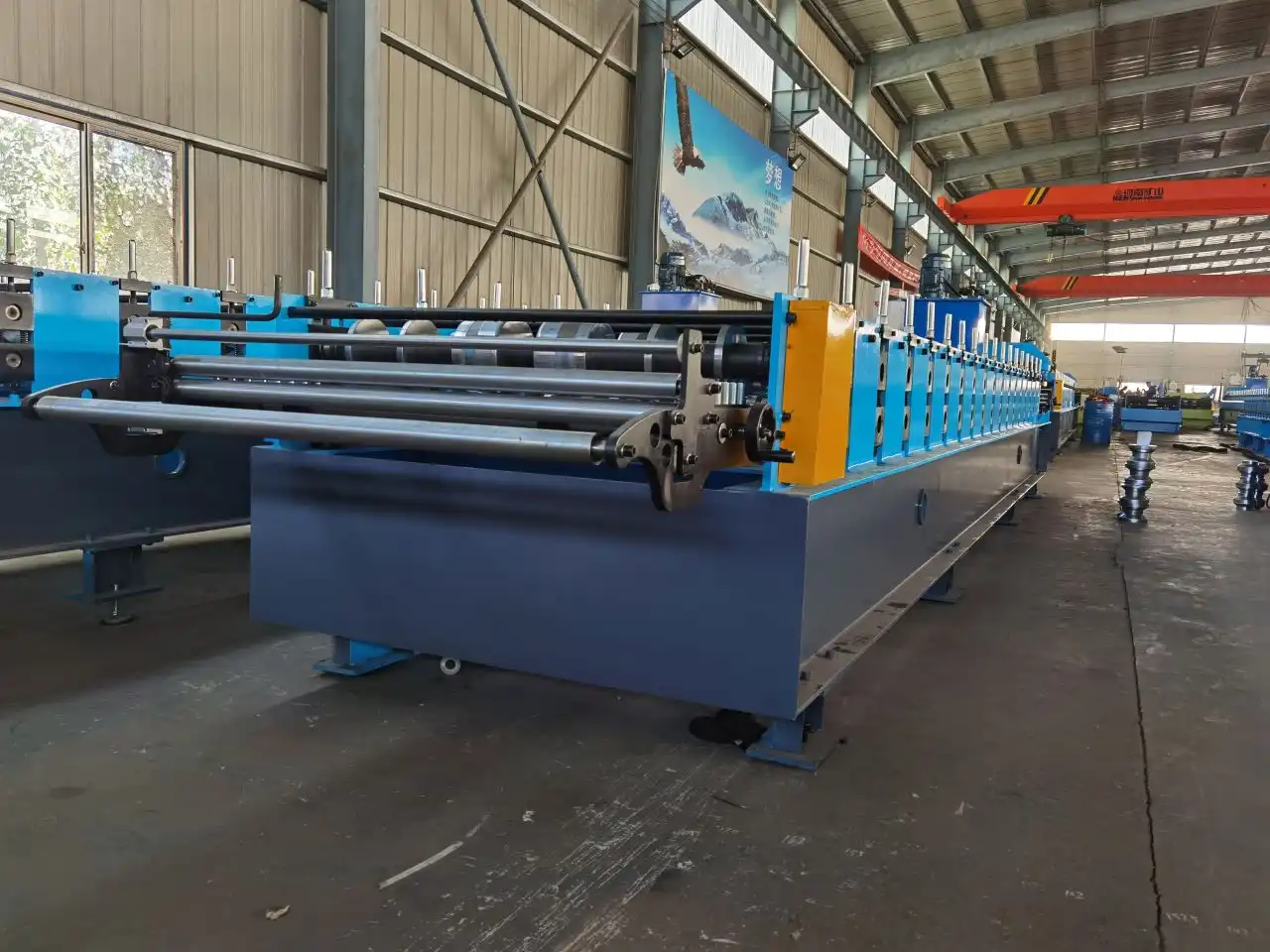
Each part does its job well. This glazed roof sheet machine can handle PPGI, color steel, galvanized, or galvalume coil. It also has chrome-plated 45# steel rollers that don't wear out and keep their wave shape. The machine that stamps and presses hydraulically makes the step pattern. A hydraulic blade on precise rails does the cutting for you. A PLC control system that can be accessed digitally keeps an eye on speed, pitch length, and batch counting. The PLC can set different sheet lengths for hydraulic cutting, but the machine needs to be checked for oil and seals often. Together, these parts decide how accurate and long-lasting each tile is.
Speed Versus Real Output
Standards say that lines can move faster than 3 to 4 meters per minute, but lines made in Europe can move faster. But line speed doesn't show how much is made each day. The real number can be different depending on a lot of factors, including thickness (0.3 mm to 0.8 mm), profile depth, sheet length, coil changes, and operator skill. Someone who cuts to within 1 mm and stamps a clean step pattern might be better for a rural market than someone who needs to fix a faster line. Ask the supplier how it got the capacity number it gave you and what kind of profile and thickness it used.
How to Choose the Right Configuration
Match the Machine to Your Business Scale
In the beginning, a small workshop in the country might have one standard profile, a semi-automatic line, and people who stack sheets by hand. Roofers who are growing often get more out of them because they have automatic cutting, PLC length control, and a stacking table that makes handling less work. Distributors and OEM clients might need profiles that are made just for them, more than one way to use the tool, or boxes that have their brand on them. You might not need to learn how to work with coils as quickly if your plant already cuts or shapes coated steel for door frames or prefab parts. First, let the supplier know how much you need right now. Then, find out how the line can handle more orders as they come in.
Check Profile, Material, and Power Before You Buy
Every other choice is based on the profile of the finished roof, not the catalog from the supplier. Figure out the length of the sheet, its effective width, the tile pitch, and the step sizes by drawing or cutting something. Next, look at the coil's specifics, like what kind of material it is, how thick it is, how wide it is, and what cover it has. The inner diameter of the coil should be between 450 and 550 mm, its width should not be more than 1250 mm, and the decoiler should be able to hold 5 tons. Find a coil and compare these numbers to it. Finally, tell the supplier how much floor space you have and what voltage you have in your area. Your workshop will be able to use the layout and electrical system this way.
Single-Layer or Double-Layer Lines
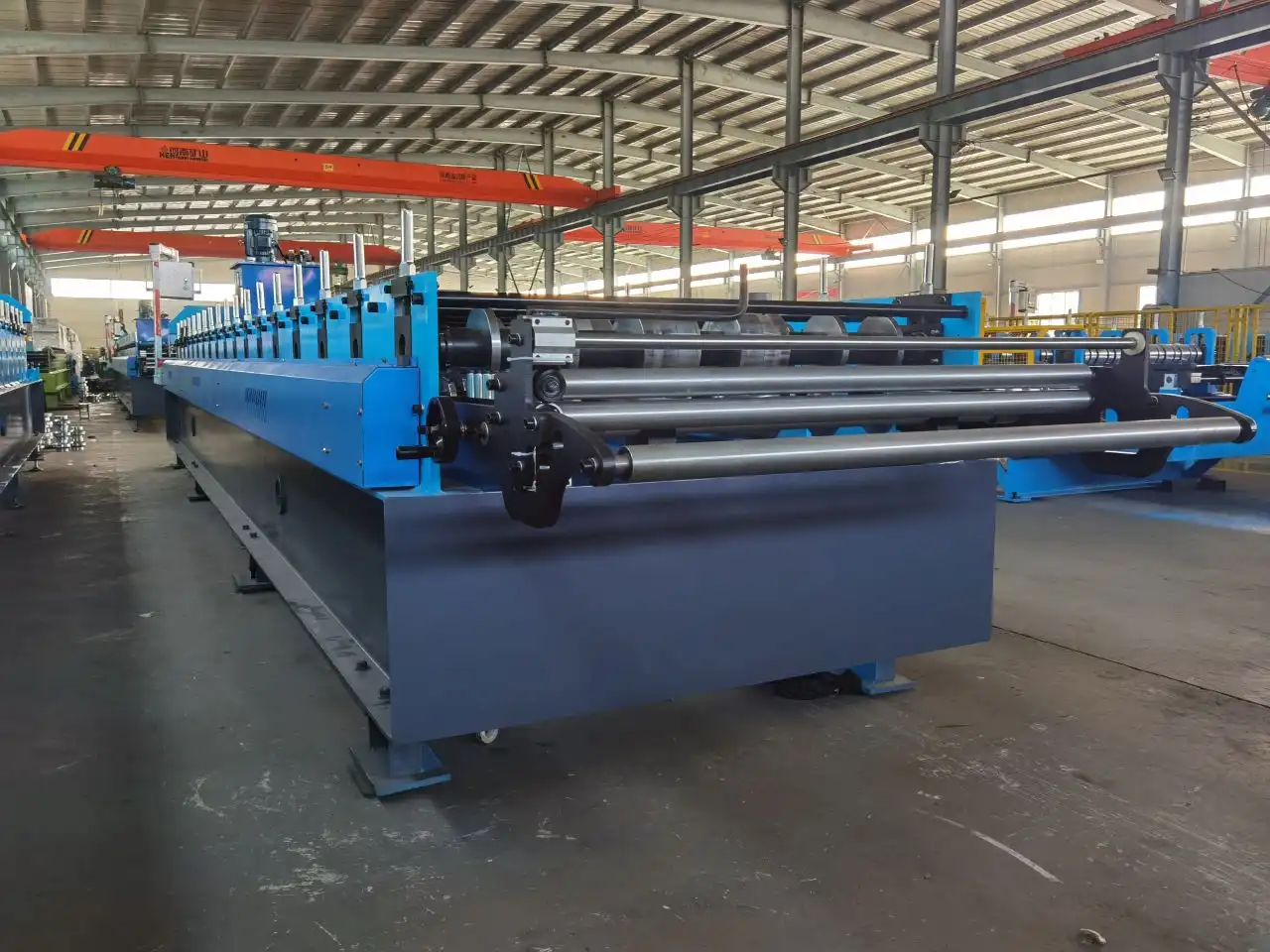
A single-layer line makes one profile, which keeps the structure simple. This is good for a store that only has one stylish item. Two sets of rollers make up a double-layer machine. This lets the operator pick between two profiles without having to change all the tools. That's why you should sell both profiles. It's more expensive and takes up more room. They also have different names for their machines, such as the color steel roof machine, the glazed tile roll forming machine, and the step tile glazed roof sheet machine. It's not enough to just compare names. I believe you should begin with the profile that sells the most in your area and then add a second one if more people want it.
Cost, Risk, and Supplier Checks
Cost and Payback
The cost depends on the configuration, automation, profile complexity, range of materials, cutting method, decoiler capacity, and level of service support. It's important to read each quote carefully because one low price might not include the decoiler, stacker, or extra rollers. I can quickly figure out how long it will take to get my money back by dividing the machine's total cost by the amount I earn each month. The monthly number should include the cost of supplies, labor, electricity, repairs, scrap, shipping, and demand during different times of the year. The price of a used machine may seem better at first, but it could be riskier in the long run if the rollers are worn out, the controls are old, the paperwork is missing, or there aren't many spare parts.
Mistakes to Avoid
When it comes to buying things, most problems are caused by bad planning, not broken machines. Many times, people choose the cheapest item, place their order without first making sure they like the profile, or forget to check the voltage and floor conditions. Some people don't train or keep records. One last test is done on the sheet before it is sent out to make sure it fits well, is cut correctly, and looks good when it's done. Tell them what kind of coil you want and how thick you want it to be. Plus, I make sure there is help with installation and spare parts, because a line that doesn't work costs more than an order that is late. When you buy from outside of Australia, these checks are even more important because of the way power and shipping work in that country.
Questions to Ask a Manufacturer
Before I place an order, I ask for information about the business, the item, and the company. Technically, you need to know how thick the material is, how wide it really is, how fast it is guaranteed to go, how much room it has for error when cutting, what the rollers are made of, and if the profile is possible. When it will be delivered, how it will be installed, how much it costs, how it will be packaged, and if there are any spare parts that need to be delivered. I also want to know if the seller has its own factory or is just a go-between. I want to see videos, drawings, and calls to past customers that show how the production process works. Some certifications, like ISO 9001, show that there is a system for managing quality, but they're not the same thing as a test sample.
Conclusion
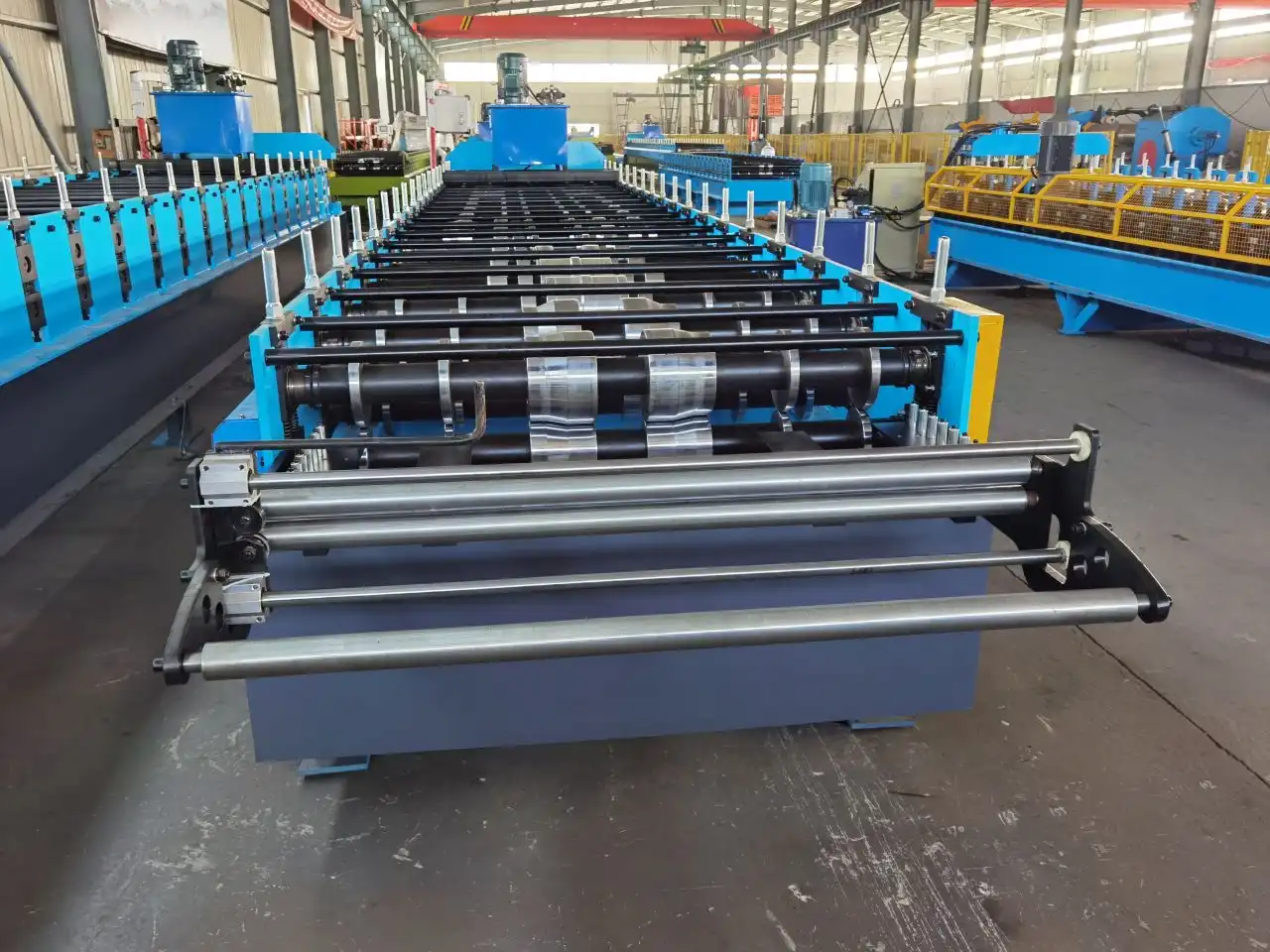
A glazed roof sheet machine can roll-form, stamp, and cut coated steel coil into light sheets that look like tiles. These sheets are good for people who build their own homes in rural areas. It's important to think about the finished shape, the thickness of the material, the size of the coil, the power supply, and the level of automation that works best for your area. Your output isn't just based on speed; it's also influenced by the profile, thickness, and skill of the operator. Should you sell two styles? If so, use double-layer lines. If you only sell one style, use single-layer lines. You should also get full quotes, figure out how much you'll get back based on realistic sales numbers, test a sample, and make sure there is a warranty and support for spare parts.
FAQ
1. Is a glazed roof sheet machine suitable for rural houses?
Yes. It makes light metal step tiles from coil, and these sheets can be used to cover the roofs of homes like villas and houses. Before you buy, make sure you can get the coil and length you want.
2. What material thickness can the machine handle?
0.3 mm to 0.8 mm most of the time. To make sure the rollers are set up correctly, tell the supplier what kind of coil you have and how thick it is.
3. Should I choose automatic or semi-automatic operation?
Half-automatic will work if you only have one profile and a low volume. Automatic feeding, PLC length control, and stacking make more sense when daily demand goes up and labor costs matter.
4. Can I order a custom profile?
Yes. ZTRFM does work for both OEM and ODM. ZTRFM will check their rollers and pressing dies to see if they can make what you need.
5. What support should I ask for before ordering?
Ask for a written warranty, a list of spare parts, and a sample of your own coil to use as a test. It is easier to choose a supplier when the answers are written down.
Request Your Roofing Tile Machine Recommendation From ZTRFM
Shoot ZTRFM an email at zhongtuorollforming@gmail.com with a sketch of your roof's shape, the coil's thickness, the voltage in your area, and the output you need. More than 150 countries have bought cold roll forming machines made by ZTRFM since 2014. These machines are certified by ISO9001, CE, and CAS. We will give you a quote and tips on how to set up your glazed roof sheet machines, since we are a company that does both OEM and ODM work.
References
1. ISO 9001:2015 Quality Management Systems – Requirements (ISO, 2015)
2. ASTM A653/A653M Standard Specification for Steel Sheet, Zinc-Coated (Galvanized) or Zinc-Iron Alloy-Coated (Galvannealed) by the Hot-Dip Process (ASTM International, 2020)
3. ASTM A755/A755M Standard Specification for Steel Sheet, Metallic Coated by the Hot-Dip Process and Prepainted by the Coil-Coating Process for Exterior Exposed Building Products (ASTM International, 2018)
4. International Residential Code (International Code Council, 2021)
5. Machinery Directive 2006/42/EC (European Parliament and Council, 2006)
6. The NRCA Roofing Manual: Metal Panel and SPF Roof Systems (National Roofing Contractors Association, 2019)