- English
- French
- German
- Portuguese
- Spanish
- Russian
- Japanese
- Korean
- Arabic
- Irish
- Greek
- Turkish
- Italian
- Danish
- Romanian
- Indonesian
- Czech
- Afrikaans
- Swedish
- Polish
- Basque
- Catalan
- Esperanto
- Hindi
- Lao
- Albanian
- Amharic
- Armenian
- Azerbaijani
- Belarusian
- Bengali
- Bosnian
- Bulgarian
- Cebuano
- Chichewa
- Corsican
- Croatian
- Dutch
- Estonian
- Filipino
- Finnish
- Frisian
- Galician
- Georgian
- Gujarati
- Haitian
- Hausa
- Hawaiian
- Hebrew
- Hmong
- Hungarian
- Icelandic
- Igbo
- Javanese
- Kannada
- Kazakh
- Khmer
- Kurdish
- Kyrgyz
- Latin
- Latvian
- Lithuanian
- Luxembou..
- Macedonian
- Malagasy
- Malay
- Malayalam
- Maltese
- Maori
- Marathi
- Mongolian
- Burmese
- Nepali
- Norwegian
- Pashto
- Persian
- Punjabi
- Serbian
- Sesotho
- Sinhala
- Slovak
- Slovenian
- Somali
- Samoan
- Scots Gaelic
- Shona
- Sindhi
- Sundanese
- Swahili
- Tajik
- Tamil
- Telugu
- Thai
- Ukrainian
- Urdu
- Uzbek
- Vietnamese
- Welsh
- Xhosa
- Yiddish
- Yoruba
- Zulu
How to Select the Right Ceiling T Grid Roll Forming Machine?
You have to find a balance between technical specs and your production goals when choosing a ceiling t grid roll forming machine. With the right tools, raw galvanised or pre-painted steel tubes can be turned into Main Tees, Cross Tees, and Wall Angles that are exact and meet strict size requirements for suspended ceiling framework. You should think about the amount of production, the compatibility of the materials, the level of automation, and the long-term dependability of your choice. By knowing these things, you can be sure that the equipment you buy will get rid of bottlenecks, lower the amount of waste, and provide consistent quality for business-building projects.
Understand Your Production Needs and Challenges
I suggest making a map of your current production landscape before looking at specific machines. Whether you need a normal queue that moves 15-20 meters per minute or a high-speed system that moves 30-45 meters per minute depends on how much you make. When making things for big commercial projects that need thousands of meters every day, a machine with 18 stations for main tees and 16 stations for cross tee profiles will give you the throughput you need.
Evaluate Material Specifications and Compatibility
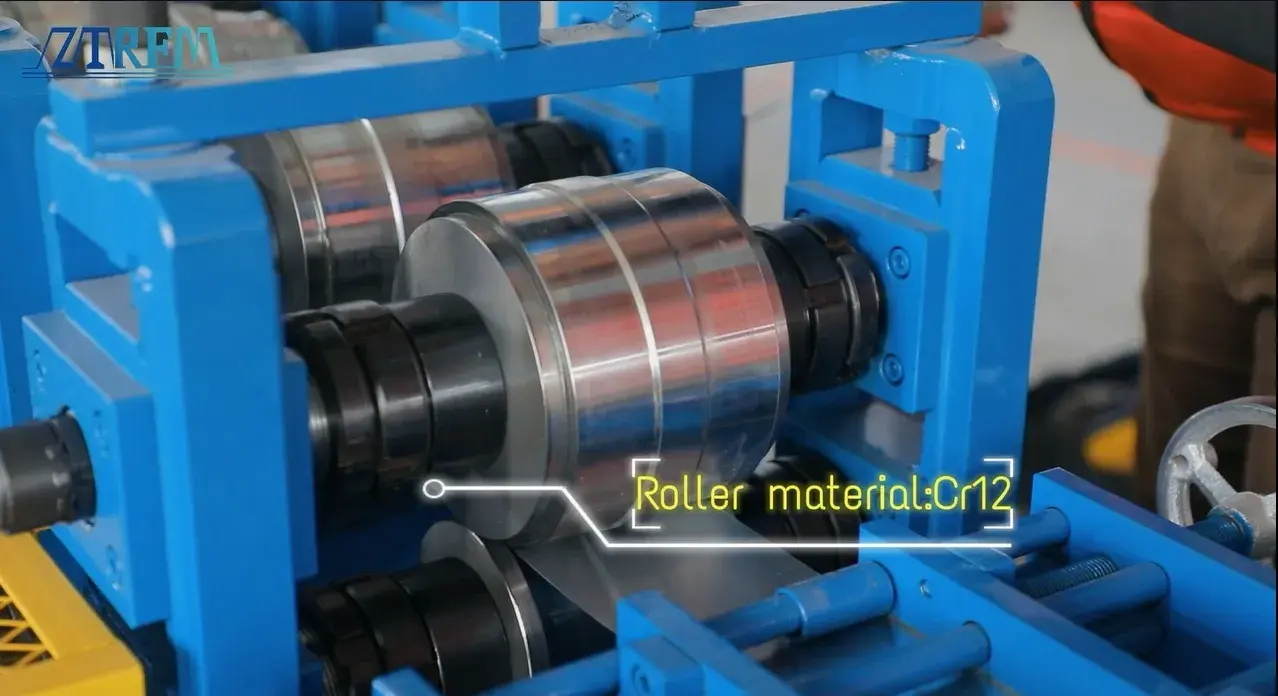
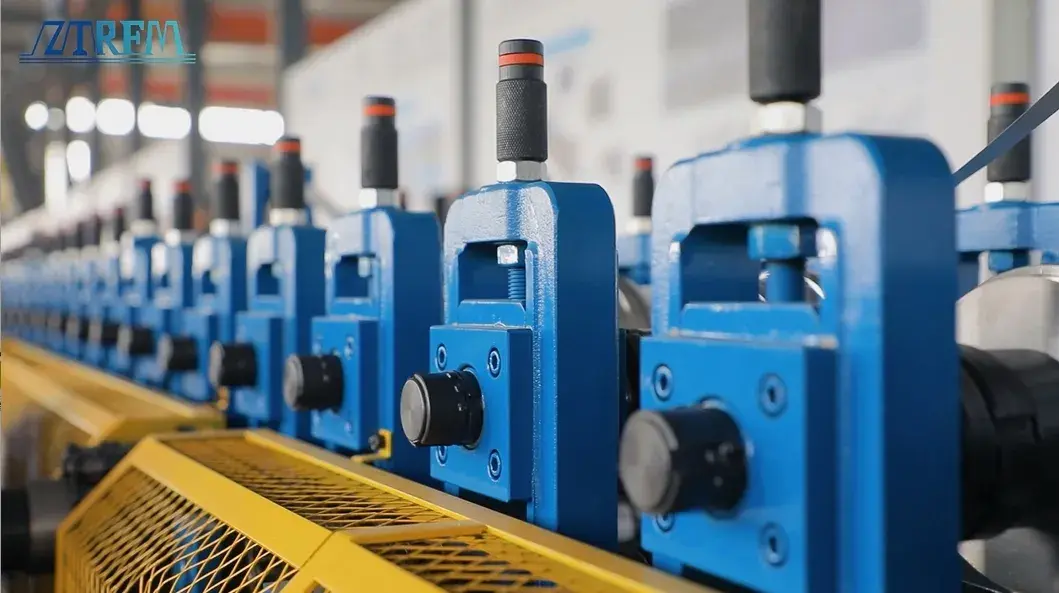
Material suitability has a direct effect on the quality of your output and the life of your machine. The top of most suspended ceiling frames is made of 0.12-0.3 mm thick PPGI (pre-painted galvanised iron), and the bottom is made of 0.2-0.4 mm thick GI (galvanised iron). Make sure that the machine you're considering can handle these size ranges without having to change the rollers too much. The decoiler should be able to handle coils that weigh up to 1.5 tonnes and have normal inner widths of 450 to 550 mm. Roller material is very important. Cr12 steel rollers with chrome plating keep painted surfaces from getting scratched, which keeps the finish's appearance.
Identify Operational Bottlenecks
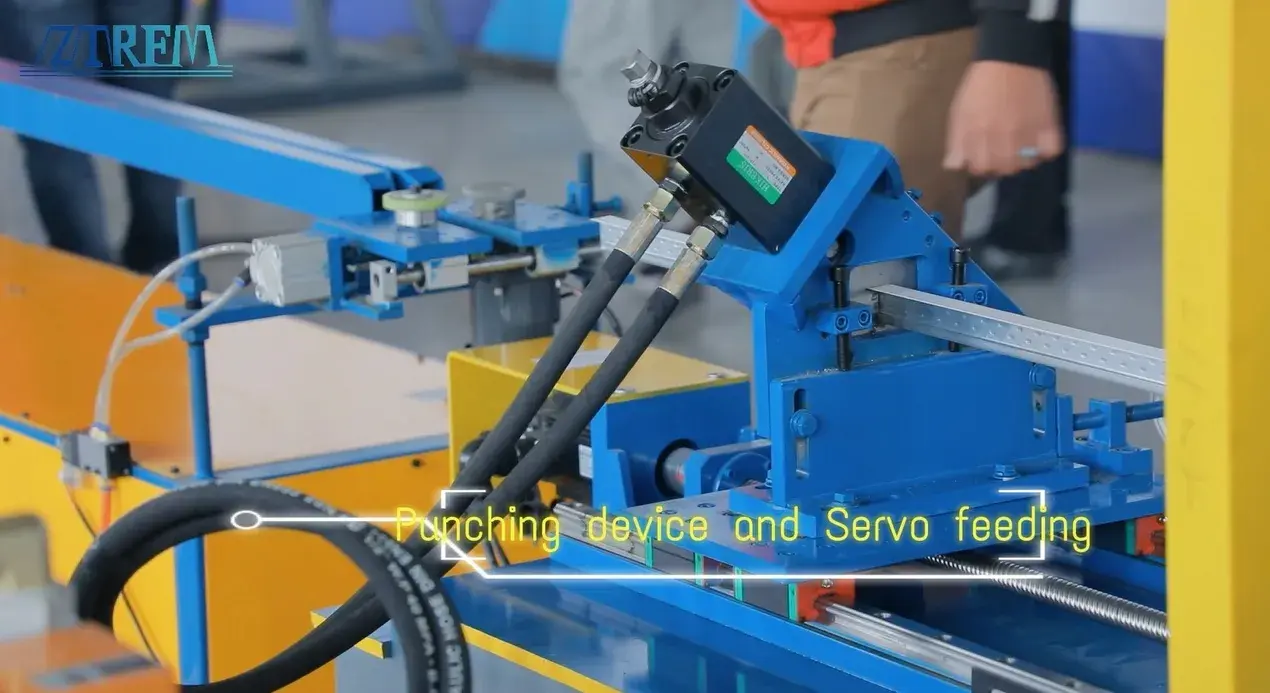
A lot of makers have trouble with how slow it is to do things by hand, like adding materials, measuring lengths, or cutting profiles. Using a ceiling t grid roll forming machine, automatic feeding systems get rid of the wait times that come with manually connecting coils, and servo-driven measuring systems make sure that the cuts are accurate to within ±0.5mm. If you often switch between main tee and cross tee profiles in your current process, look for machines with quick-change roller cassettes. With combined tools, punching and cutting can be done at speeds of 0 to 20 meters per minute. This cuts down on handling time and improves the flow of work. These changes directly fix the problems that slow down production and make labour more expensive.
Core Criteria for Selecting a Ceiling T Grid Roll Forming Machine
When making a purchase choice, technical specs are important, but knowing how those specs affect performance in the real world is what sets good tools apart from great investments.
Machine Speed and Precision Standards
The daily output capacity is based on work speed, but speed alone doesn't mean anything. A good T grid forming line keeps tolerances of 1.0mm for sizes, even when it's running at full speed. The 18-station setup for the main tee profiles and the 16-station setup for the cross tee profiles make sure that the material forms slowly, which lowers the internal stress that causes the profiles to twist. The stiffness needed to keep the rollers in place during continuous operation comes from the shaft width, which is usually 50 mm when made of 45# steel. When looking at tools, it's better to get tolerance data from real production runs from providers than just theoretical specs.
Integration Capabilities and Automation Level
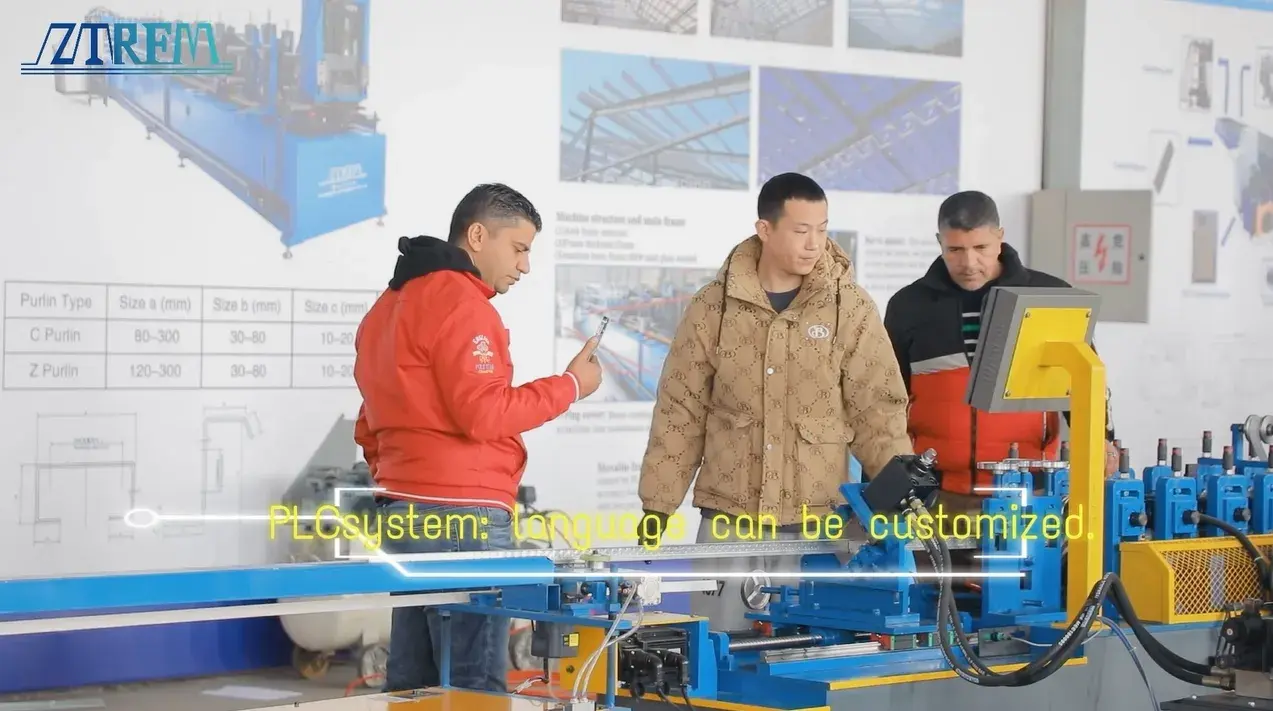
In modern production, all steps of the production process must work together smoothly. Look for PLC control systems that can sync decoiling, making, punching, and cutting. Well-known brands like Siemens and Mitsubishi make these. Cutting mechanisms should always have the right amount of pressure from hydraulic pump stations, and post-cut receiving tables should keep profiles from getting damaged while they are being collected. When compared to manual crimping, automatic punching systems that make connector holes and rivet hardened steel clips onto profile ends at the same time make joints that are stronger. This amount of technology makes operators less needed and keeps quality the same between shifts.
Safety Features and Maintenance Accessibility
The safety of the operator cannot be compromised. It is imperative that there are emergency stop devices, safety guards around roller stations, and proper electrical grounding. Making maintenance easier to get to increases machine life and reduces downtime. Frame designs that use 25 mm thick vertical memorial arch structures keep things stable while still letting techs get to the roller sections for regular checks. While both gear drives and chain drives can work reliably if they are properly kept, gear drives usually need to be adjusted less often than chain drives. Energy efficiency affects running costs. A 4-5.5kW main power system is common, and cycloidal planetary gear speed reducers are very good at transferring energy efficiently.
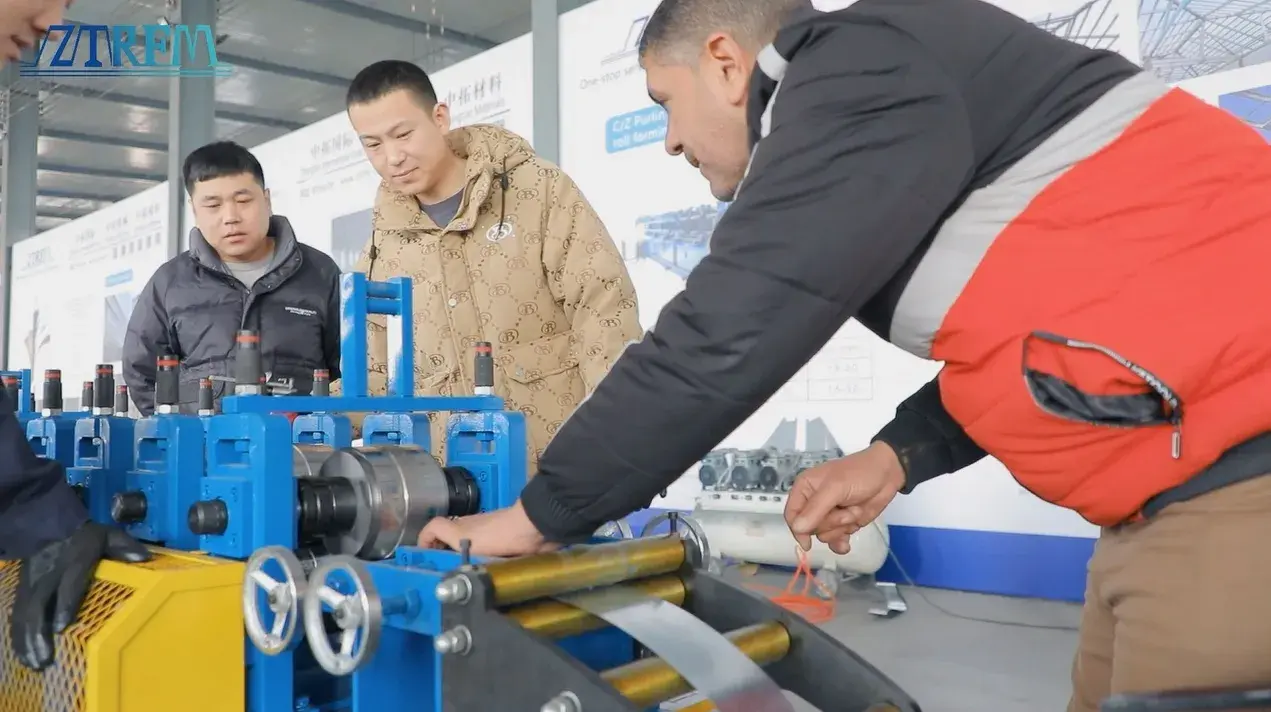
Compare Different Types of Ceiling T Grid Roll Forming Machines
Knowing the different configurations helps you match the equipment's skills to your output needs and your budget.
Automatic Versus Manual Feeding Systems
While manual decoilers require less initial investment, they need constant operator attention during coil changes, which slows down production. Hydraulic decoilers with motorised expansion let a single person load the coil and keep the tension constant while the coil is being formed. For places that work multiple jobs or need to make a lot of things, hydraulic systems usually pay for themselves in 18 to 24 months by saving money on labour and reducing waste from uneven strain.
Roller Material and Surface Treatment Options
Standard rollers are made of Cr12 mould steel, which is strong enough to handle galvanised materials. When working with PPGI that has decorative finishes, rollers that are chrome-plated stop micro-scratching, which lowers the quality of the look. When forming rough materials, some makers give special roller coatings that make them last longer. Premium roller materials usually add 15 to 20 percent to the cost of the machine, but they can double the service life of the rollers, which cuts down on long-term repair costs and downtime for production.
New Equipment Versus Refurbished Options
A new ceiling t grid roll forming machine comes with full warranties, the latest technology, and the ability to be customised to fit your specific needs. You can save 40 to 60 percent on the price of used equipment, but it might not have current PLC controls, come with a longer warranty, or need to be serviced more often. If you're thinking about buying used equipment, make sure you get full service records and a video of the machine going at full speed. You should also set aside money in your budget for replacing rollers and upgrading the electrical system. When you buy refurbished equipment, the stability of the supplier is even more important. Make sure they keep spare parts in stock and offer expert help after the sale.
Maintenance Tips and Troubleshooting for Optimal Machine Performance
Preventive repair keeps your investment safe and keeps production levels steady. By setting clear rules, you can keep small problems from turning into costly downtime.
Structured Maintenance Schedules
Lubrication points, hydraulic fluid levels, and the sharpness of the cutting blades should all be checked every day. Operators should look at the position of the rollers and listen for strange bearing noise, which means the bearings are wearing out. Every week, maintenance checks include cleaning the roller surfaces well to get rid of steel dust buildup, making sure the drive chains or gears are properly tensioned, and checking the PLC system error logs. As part of monthly comprehensive checks, precise instruments are used to measure the wear on the roller surfaces, the emergency stop function is tested, and measuring systems are calibrated against reference standards.
Common Technical Issues and Solutions
Profile twisting usually means that the roller pressure isn't being distributed evenly or that the rollers are worn out and need to be replaced. Uneven measurements are often caused by encoder calibration drift or a lack of a tight connection between the measuring system and the cutting mechanism. If there are burrs on punched holes, it means that the die needs to be sharpened. Most punching dies need to be serviced every 100,000 strokes. Usually, dirty rollers or wrong tension settings at the decoiler cause surface scratches on the final profiles. Quality problems don't get to customers if these problems are fixed quickly.
Professional Installation and Operator Training
Without the right setting and skilled operators, even the best tools won't work as well as they should. Having something done by a professional ensures that it is level, that the electrical connections are correct and meet local rules, and that all systems are calibrated for the first time. Full training for operators should include how to use the machine normally, fix simple problems, do regular upkeep, and follow safety rules. As part of the buying deal, many suppliers offer training on-site. Make the most of this service. Well-trained workers can spot problems early, keep equipment working within its design limits, and make sure that production quality standards are always met.
Procurement Best Practices and How to Engage with Suppliers
Comparing price quotes is only one part of strategic procurement. Another part is building partnerships that help you reach your long-term production goals.
Evaluating Supplier Credentials and Reputation
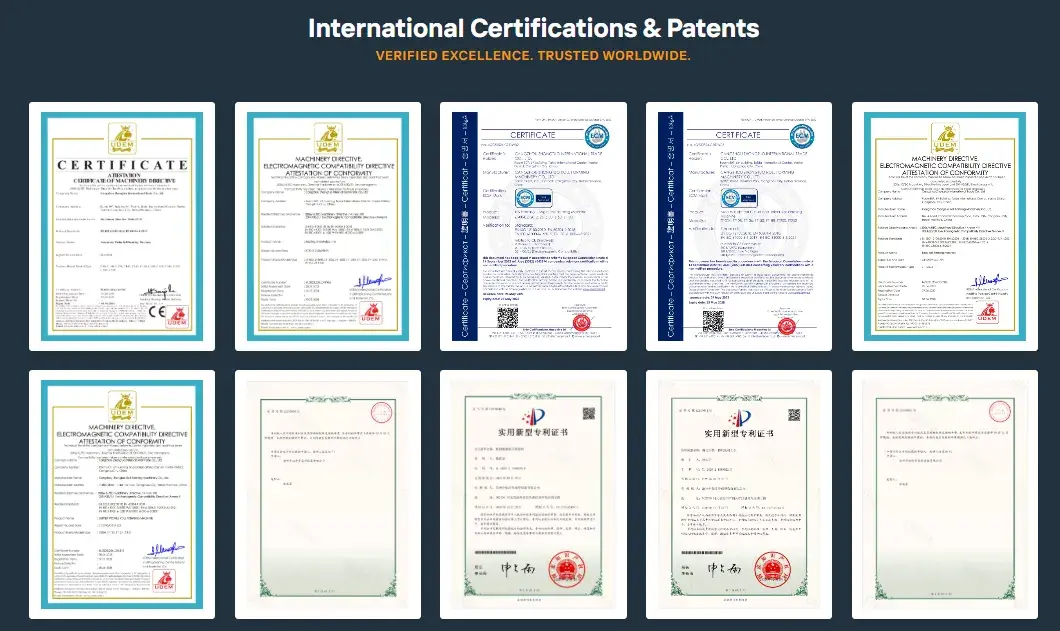
Being certified with ISO9001 shows that you are dedicated to quality management systems, and being certified with CE shows that you follow European safety standards. These certificates are important for buyers in North America as well because they show that the products are made with care and are always the same. Ask for references from customers in the same industry who produce about the same amount of goods as you. Get in touch with these sources directly to find out how reliable the equipment is, how quickly the seller responds to technical questions, and how good the after-sales support is. Suppliers who have shipped goods to more than 150 countries usually keep good records, offer multilingual help, and know how to handle foreign operations.
Negotiation Strategies and Financing Approaches
The total cost of ownership, not just the buying price, should be the focus of price talks. To get more information, ask for detailed breakdowns that list the equipment's specs, any tools that come with it, packages of spare parts, training options, and warranty terms. There are a lot of sellers who offer flexible payment options, such as lines of credit, progress payments while the product is being made, or equipment leasing plans that keep your working capital safe. Leasing choices usually take a 20–30% down payment and terms of 36–60 months. This makes buying capital tools easier for businesses that are growing.
Building Long-Term Supplier Relationships
The relationship doesn't end when the ceiling t grid roll forming machine is delivered. Set up clear ways for technical help to be contacted, including the contact information for engineering staff who can handle complicated problems. Talk about the availability of spare parts and how long it takes to get them. Crucial parts like special rollers or PLC modules should be available within two weeks at most. To get back to customers faster, some manufacturers keep regional service centers open or work with local distributors. A European OEM recently said that their relationship with their supplier cut down on machine downtime by 60% by providing proactive maintenance support and faster access to new parts. This shows how important it is to choose suppliers who are willing to work with you in the long term.
Conclusion
To choose the best ceiling t grid roll forming machine, you need to carefully consider your production needs, look over the technical specs, and form strategic partnerships with suppliers. Choose equipment that has the right mix of speed, accuracy, and automation for the size of your business. Material fit, especially the quality of the rollers and coatings, has a direct effect on the quality of the output and the life of the machine. Maintenance access and user safety features that protect your workers and your investment should not be overlooked. Instead of comparing the original purchase price, look at the overall cost of ownership, which takes into account things like energy efficiency, maintenance, and support services. Long-term production success depends on building relationships with certified suppliers who can show they have experience exporting and offer full training.
FAQ
Q1: What production speed should I target when selecting a ceiling t grid roll forming machine?
Choosing the right production speed depends on how much you need to make each day and how your shifts are set up. Machines that work at speeds between 0 and 20 meters per minute and have built-in punching and cutting tools make between 3,000 and 8,000 linear meters every day during normal shifts. Higher-speed lines that go 30 to 45 meters per minute serve large-scale operations or facilities that feed many building projects at the same time. It's important to remember that effective speed includes setup time, changeover efficiency, and quality consistency. A machine that works reliably at 18 meters per minute will often do a better job than one that doesn't work reliably at 25 meters per minute.
Q2: How often do rollers require replacement on these machines?
How long a roller lasts depends on how rough the material is, how much is made, and how well it is maintained. When properly oiled and cleaned on a daily basis, Cr12 steel rollers can usually handle 500,000 to 800,000 square meters of work before they need to be replaced. This is often extended to more than 1,000,000 linear meters by chrome-plated rollers that work with PPGI materials. Once a month, look at the roller surfaces for signs of wear. If you see grooves or changes in size that are bigger than 0.2mm, you should replace the rollers to keep the profile quality.
Q3: What certifications should I verify when evaluating suppliers?
Check to see if the quality management system has ISO9001 certification and the safety compliance has CE marking. These certifications show that the manufacturing process is consistent and that the product meets international safety standards. Instead of depending on what a website says, ask to see copies of the real certificates and check with the organisations that issued the certificates to make sure they are valid before making big investments.
Partner with ZTRFM for Your Ceiling T Grid Roll Forming Machine Needs
The Cangzhou Zhongtuo Roll Forming Machinery (ZTRFM) company has been making high-quality ceiling t grid roll forming machines for ten years. Our machines have accurate Cr12 rollers, strong 18-station main tee designs, and dependable PLC control systems that keep tolerances of ±1.0mm at high production speeds. We can completely customise your profile to meet your exact needs, from the width of the material to the punching designs and cutting systems. We give your business the global help it needs with ISO9001 and CE certifications and delivery knowledge in more than 150 countries. To help you get the most out of your equipment investment, our engineering team helps with installation, user training, and ongoing technical support. If you're an established ceiling t grid roll forming machine maker looking to increase your capacity, or if you're a new company joining the suspended ceiling market, ZTRFM can help you with turnkey solutions that come with clear pricing and reliable lead times. You can talk to us about your production needs and get a detailed equipment proposal that fits your operational goals by emailing zhongtuorollforming@gmail.com.
References
1. American Society for Testing and Materials. (2019). ASTM C635: Standard Specification for the Manufacture, Performance, and Testing of Metal Suspension Systems for Acoustical Tile and Lay-in Panel Ceilings. West Conshohocken, PA: ASTM International.
2. Chen, W., & Liu, H. (2021). Cold Roll Forming Technology: Principles, Design, and Manufacturing Applications. Beijing: Mechanical Industry Press.
3. International Organization for Standardization. (2018). ISO 9001:2015 Quality Management Systems—Requirements for Manufacturing Industries. Geneva: ISO.
4. Patel, R., & Simmons, D. (2022). "Precision Tolerances in Metal Forming for Commercial Construction Applications." Journal of Manufacturing Processes and Systems, 41(3), 287-302.
5. Zhang, L., Wang, Q., & Anderson, M. (2020). "Surface Protection Strategies in Roll Forming of Pre-Painted Steel Products." International Journal of Advanced Manufacturing Technology, 108(5-6), 1653-1668.
6. European Committee for Standardization. (2017). EN 13964:2014 Suspended Ceilings—Requirements and Test Methods. Brussels: CEN.