- English
- French
- German
- Portuguese
- Spanish
- Russian
- Japanese
- Korean
- Arabic
- Irish
- Greek
- Turkish
- Italian
- Danish
- Romanian
- Indonesian
- Czech
- Afrikaans
- Swedish
- Polish
- Basque
- Catalan
- Esperanto
- Hindi
- Lao
- Albanian
- Amharic
- Armenian
- Azerbaijani
- Belarusian
- Bengali
- Bosnian
- Bulgarian
- Cebuano
- Chichewa
- Corsican
- Croatian
- Dutch
- Estonian
- Filipino
- Finnish
- Frisian
- Galician
- Georgian
- Gujarati
- Haitian
- Hausa
- Hawaiian
- Hebrew
- Hmong
- Hungarian
- Icelandic
- Igbo
- Javanese
- Kannada
- Kazakh
- Khmer
- Kurdish
- Kyrgyz
- Latin
- Latvian
- Lithuanian
- Luxembou..
- Macedonian
- Malagasy
- Malay
- Malayalam
- Maltese
- Maori
- Marathi
- Mongolian
- Burmese
- Nepali
- Norwegian
- Pashto
- Persian
- Punjabi
- Serbian
- Sesotho
- Sinhala
- Slovak
- Slovenian
- Somali
- Samoan
- Scots Gaelic
- Shona
- Sindhi
- Sundanese
- Swahili
- Tajik
- Tamil
- Telugu
- Thai
- Ukrainian
- Urdu
- Uzbek
- Vietnamese
- Welsh
- Xhosa
- Yiddish
- Yoruba
- Zulu
Mobile Roofing Sheet Making Machine for Remote Job Sites
When building projects go into remote areas, like oil fields in the desert, housing developments in the mountains, or agricultural zones that are cut off from the rest of the world, transporting finished roofing materials becomes a nightmare. A revolutionary solution is provided by mobile roofing sheet making machines. The R101 Roofing Sheet Making Machine lets you make things right where they are needed, so there are no delays or damage risks with goods. It cuts lead times in half and lets builders meet tight deadlines even in the most difficult places. It does this by turning raw coil steel into precise R101 trapezoidal shapes right where you need them.
Understanding the Challenges of Roofing Sheet Production on Remote Job Sites
Construction sites in the middle of nowhere have problems that urban sites never have. Moving things on roads that aren't paved raises costs and increases the chance of damaging prepainted sheets. For traditional roll forming equipment to work, it needs stable electricity lines and trained techs, which aren't always available in rural or frontier areas.
Transportation and Logistics Constraints
It's easy for scratches, dents, and colour loss to happen when finished roofing panels are moved over hundreds of miles. One truckload might not be enough to cover the whole job, so more trips and longer plans are needed. These problems are made worse by rough terrain and limited access routes, which leave contractors vulnerable to delays caused by freight schedules and bad weather.
Infrastructure Limitations
Sites that are far away often don't have heavy-duty footing pads or stable three-phase power. Civil works like concrete bases, electrical transformers, and weather protection are needed to set up a full-scale roll forming line. These tasks take weeks and cost a lot of money before the first sheet rolls off the line.
Skills and Maintenance Gaps
In industrial hubs, there are a lot of skilled workers and service techs. Response times can take days when a hydraulic valve breaks or a roller is out of place, far away. Downtime directly leads to lost money and slowed building schedules, so it is important that equipment is reliable and easy to use.
To fix these problems, you need machines that are portable, easy to set up, and don't need a lot of support infrastructure. This is the exact place where mobile roll-making technology shines.
The R101 Roofing Sheet Making Machine: Features and Functional Overview
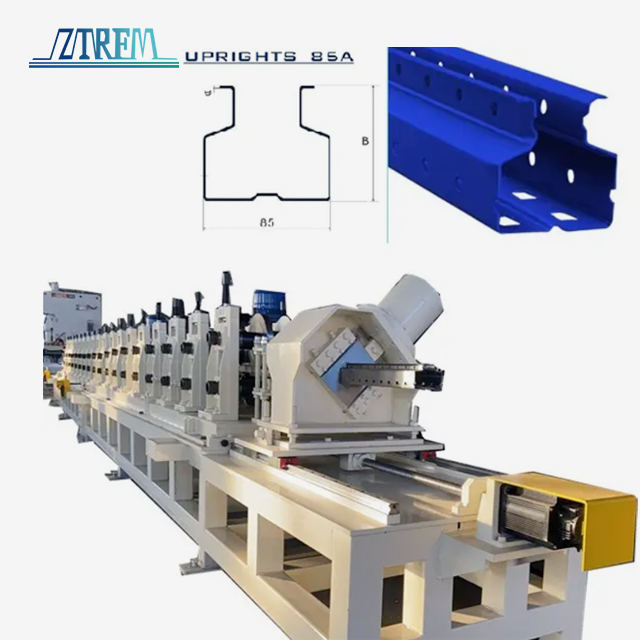
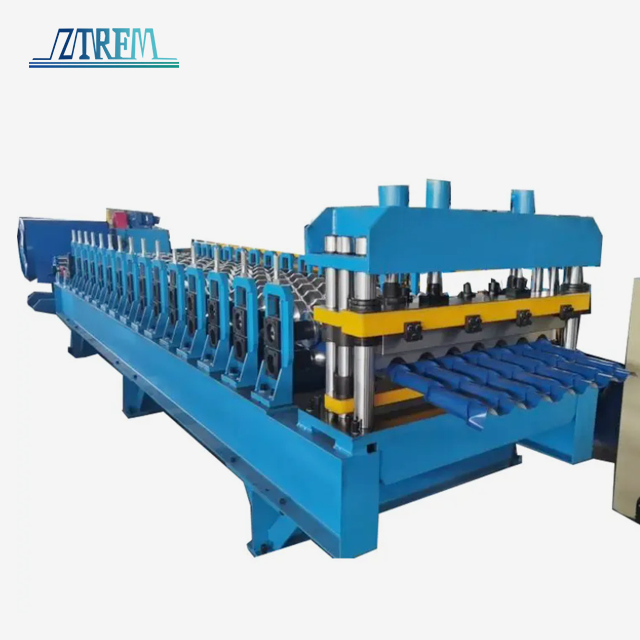
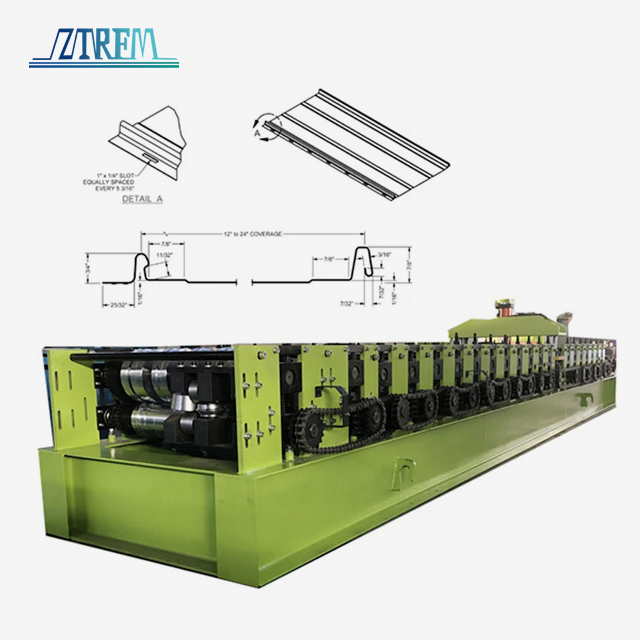
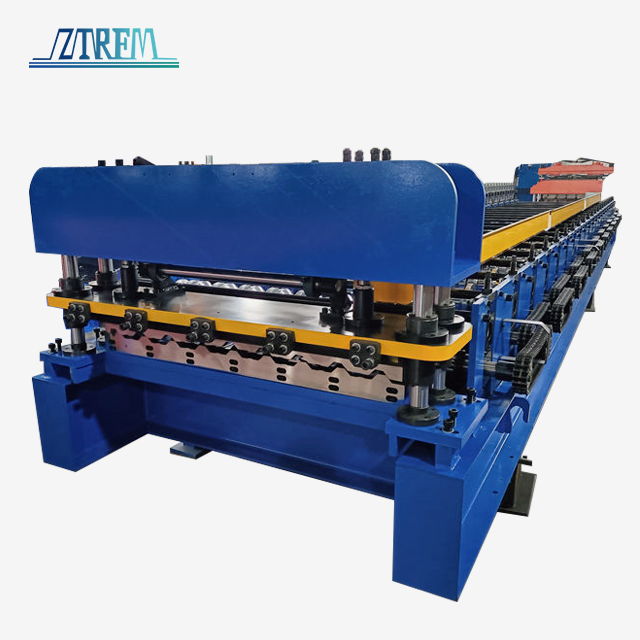
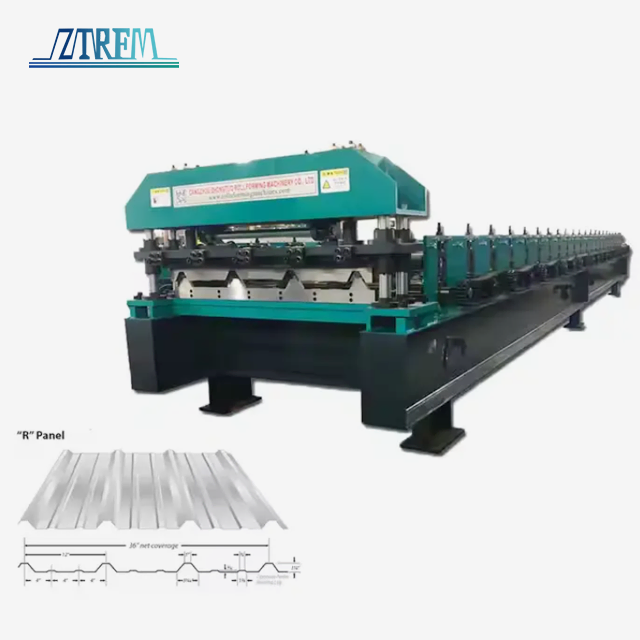
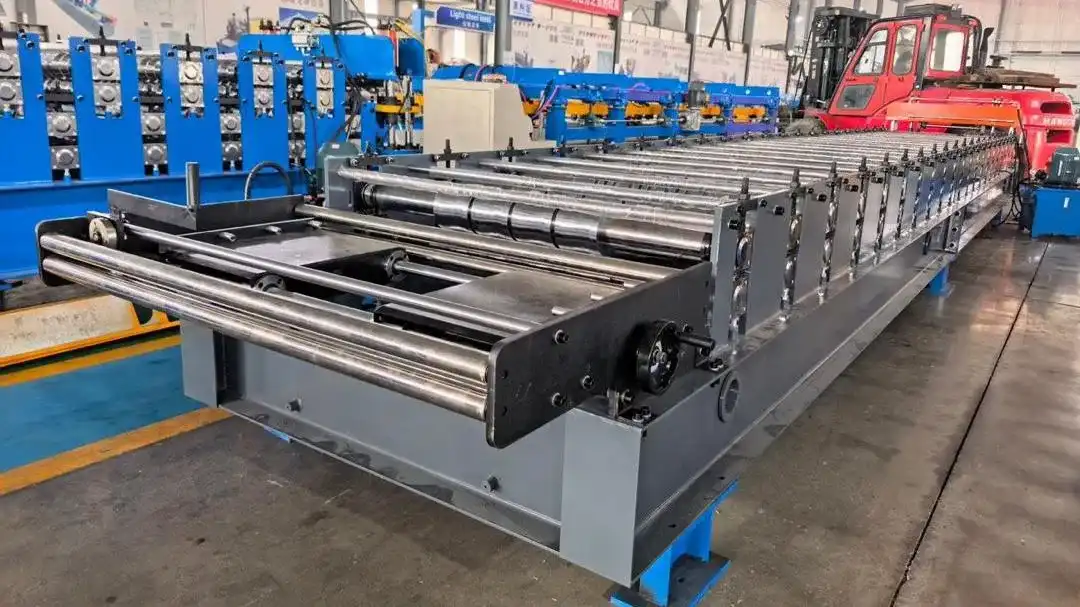
The R101 Roofing Sheet Making Machine is made to be used in the field and strikes a balance between industry performance and portability. It changes galvanised, prepainted, or aluminum-zinc-coated coils into the R101 profile, which is a trapezoidal shape that is valuable for its ability to hold a lot of weight and keep water out.
Compact and Transportable Architecture
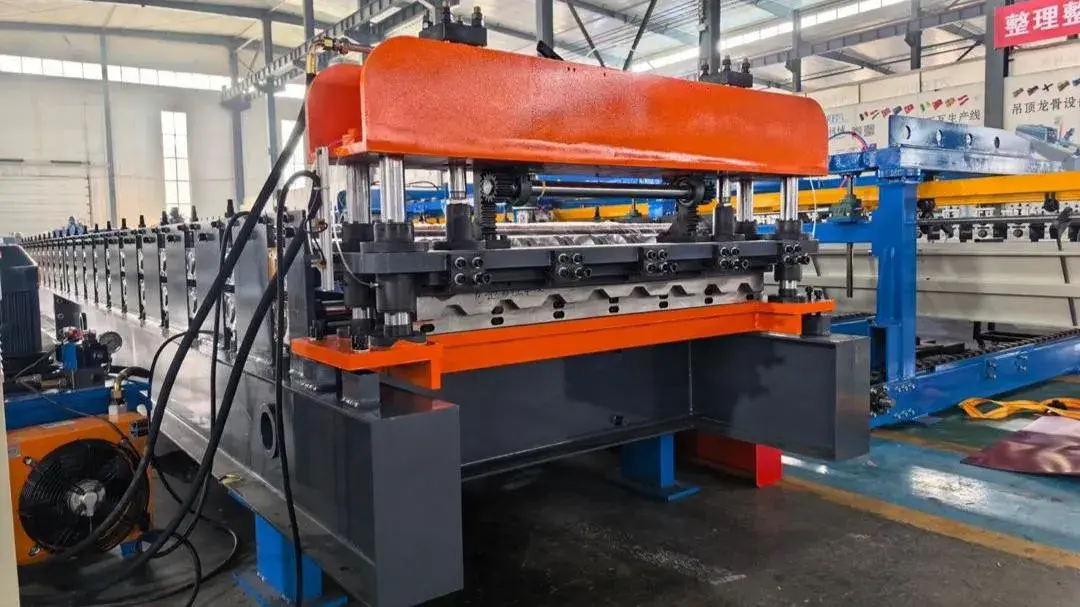
The unit is about 6,200 mm long, 850 mm wide, and 1,500 mm high. It weighs about 3.5 metric tonnes and can fit inside a standard 20-foot shipping container. Using simple moving tools, two people can remove and place it, and it takes less than four hours to set up on-site. The strong 16 mm wall-plate H-beam frame can handle vibrations and uneven ground, so it can be used safely even on temporary bases.
Precision Roll Forming Process
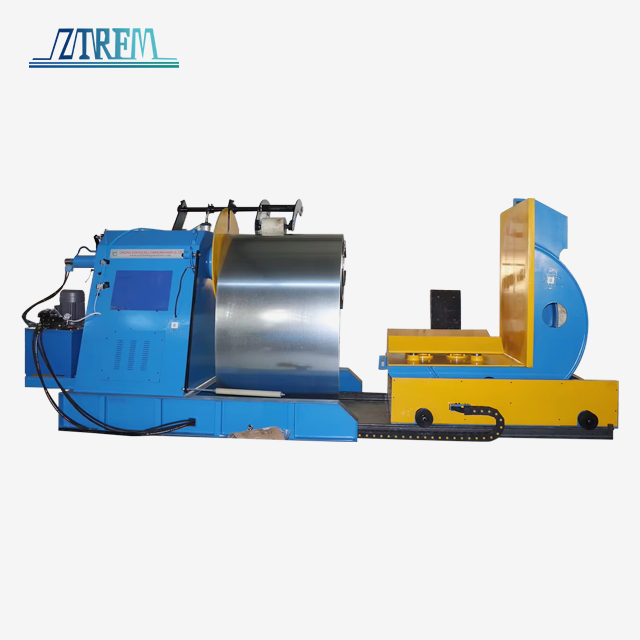
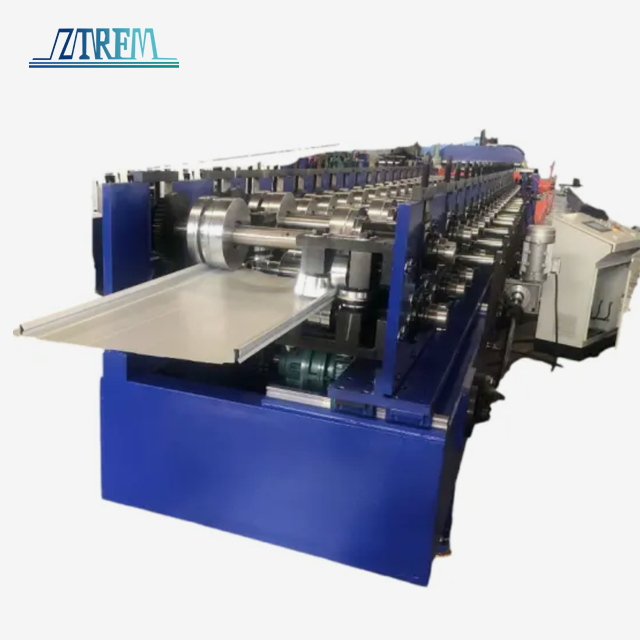
The raw coil goes through a 5-ton decoiler, which can be operated by hand or by motor, and then 18 forming stations are added one after the other. The solid steel shafts at each station are 70 mm in diameter and hard chrome-plated to a thickness of 0.05 mm. They gradually bend the material without causing stress fractures. The machine can work with materials that are between 0.3 mm and 0.8 mm thick, so it can be used for both light domestic panels and heavier commercial tasks.
With Delta PLC control and a 5.7-inch touchscreen display, workers can set the length of the panel and the number of batches. The system instantly matches the line speed (up to 15 meters per minute) with the hydraulic shears unit, which makes cuts that are accurate to within 2 mm. This level of accuracy cuts down on waste and makes sure that panels fit together perfectly when they are installed.
Power and Energy Efficiency
The machine only needs 5.5 kW for the main motor and 4 kW for the hydraulic unit when it is powered by 380 V, 50 Hz, three-phase power. Because it doesn't use much power, it can be used with movable engines or small solar panels, which frees projects from having to rely on the power grid. In places where fuel costs are important, this economy can save a lot of money over thousands of panels.
With these technology specs, companies can keep quality standards at factory levels in places where traditional manufacturing would not be possible. The machine's easy-to-use design also cuts down on training time, so local workers can become proficient in it in days instead of weeks.
Benefits and Production Capabilities of the R101 Machine for Remote Projects
Putting production machinery right on the job site changes the costs and schedules of the project. The performance metrics of the R101 Roofing Sheet Making Machine give real benefits in a number of areas.
High Throughput with Minimal Footprint
At 15 meters per minute, the unit makes about 90 meters of R101 profile per hour, which is enough to cover 90 square meters of roof space, assuming a standard effective width of 1,010 mm. One shift makes enough material for about 720 square meters, which is the same amount of work that a normal roofing crew can do in a day. When production and installation happen at the same time, there is no need to store things in stock, and less space is needed on-site.
Cost-Benefit Analysis for Remote Deployment
Think about a project that needs 10,000 square meters of roofing and is 300 kilometres from the closest manufacturer. Freight for premade panels could cost between $8,000 and $12,000. Material loss due to handling damage could add another 15% to the cost. Buying raw coil steel and making things on-site cuts down on freight costs by 60% and almost completely eliminates breaking. The cost of buying the machine is usually spread out over three to five jobs of this size, giving busy contractors a return on their investment in 18 to 24 months.
Simplified Maintenance and Field Service
The hydraulic shear blade is made of Cr12MoV tool steel that has been heat-treated to HRC 58–62. It can handle about 500,000 cuts before it needs to be sharpened. Roller bearings have sealed units that don't need to be oiled again for two years when used normally. After the first six months of breaking it in, hydraulic oil (ISO VG 46) needs to be changed once a year after that. Standard hand tools and little training are all that operators need to do these jobs, so they don't need specialised experts.
Flexible Financing and Bulk Purchase Options
Manufacturers like ZTRFM offer tiered payment plans and volume discounts because they know that remote projects require a lot of capital. When EPC companies manage multiple projects at the same time, they often place bulk orders for multiple tools. These orders qualify for lower per-unit prices and longer warranty coverage. These types of financial structures make it easier for both new and experienced contractors to stick to their budgets by matching the costs of buying equipment with the money coming in from projects.
The machine's practical benefits directly address the main problems we talked about earlier: it gets around transportation problems, can work with limited infrastructure, and only needs basic upkeep skills. These features give workers the confidence to take on remote jobs because they know that they can bring the production capacity with them.
Comparing R101 with Other Roofing Sheet Making Machines
To choose the best roll forming equipment, you need to carefully look at the technical specs, the way it will be used, and how reliable the supplier is. The R101 Roofing Sheet Making Machine fills a strategic gap in the market as a whole.
Performance Versus Competing Models
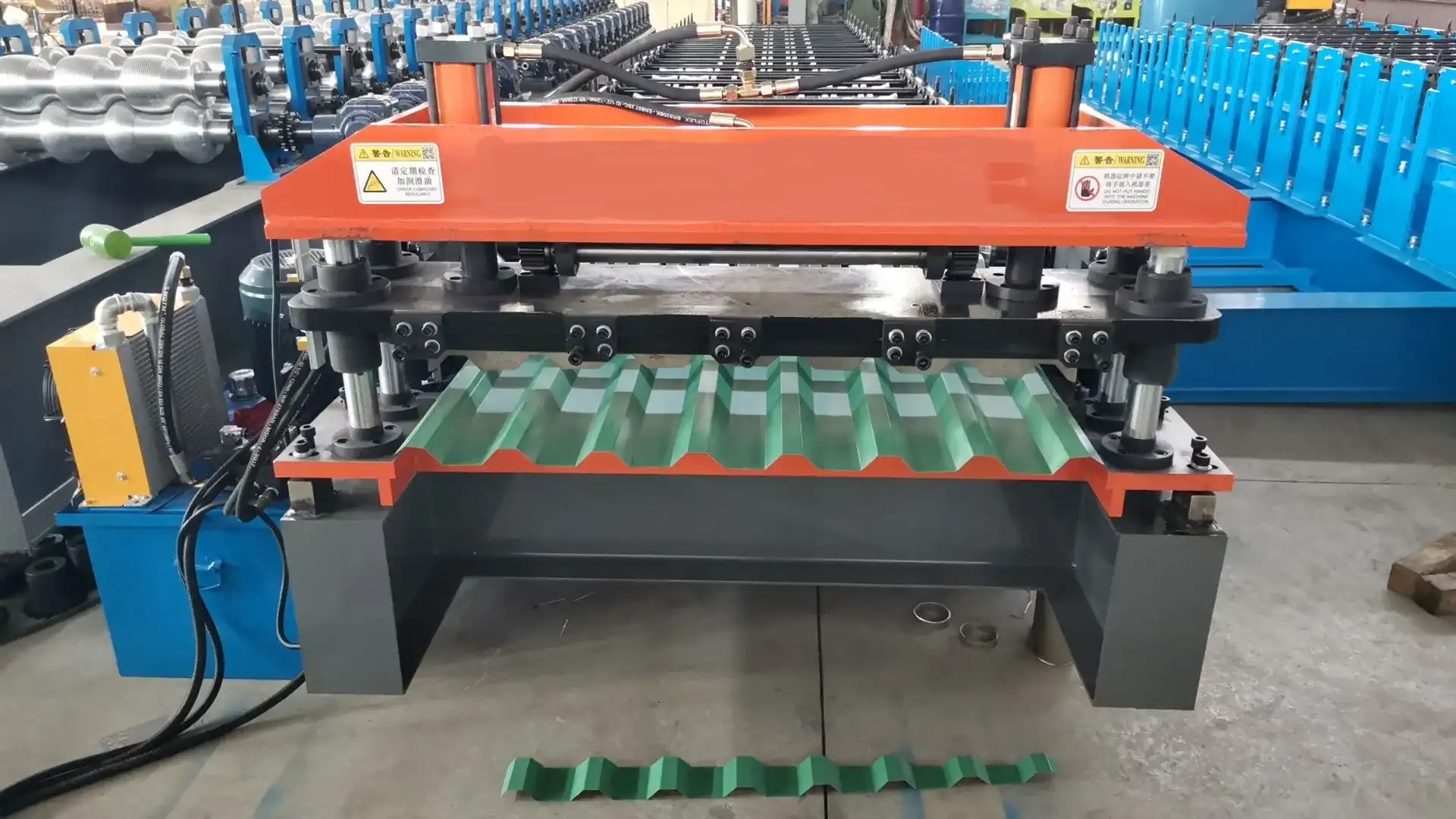
The R101 isn't as fast or as portable as bigger commercial machines with 22 or more making stations and speeds of 30 meters per minute, but it is easier to move and set up. Its 18-station layout shapes the R101 outline well enough without putting too much stress on the elements or needing too much power. On the other hand, it works better than ultra-compact "portable" units with 12 stations that have trouble with thicker gauges and have higher scrap rates because they don't have enough forming passes.
The 70 mm shaft diameter is the right size for both weight and rigidity. Smaller 50 mm shafts bend when they're loaded, which makes the shape less consistent. On the other hand, 90 mm shafts add weight and cost that aren't needed for mobile uses. The hydraulic shearing system is faster and more accurate than human or gas cutters. It also doesn't have all the features and costs of fully automated flying-cut systems, which are better for companies that make a lot of things.
User Feedback and Field Performance
Contractors in Latin America and North America say that the R101's Delta PLC system is easier to use than competitor models that use their own controllers. The standard touchscreen interface makes it easier to fix problems and cuts down on operator mistakes. Users in off-grid areas have said good things about how well the machine handles voltage changes that happen with generator power.
Importance of Authorized Suppliers
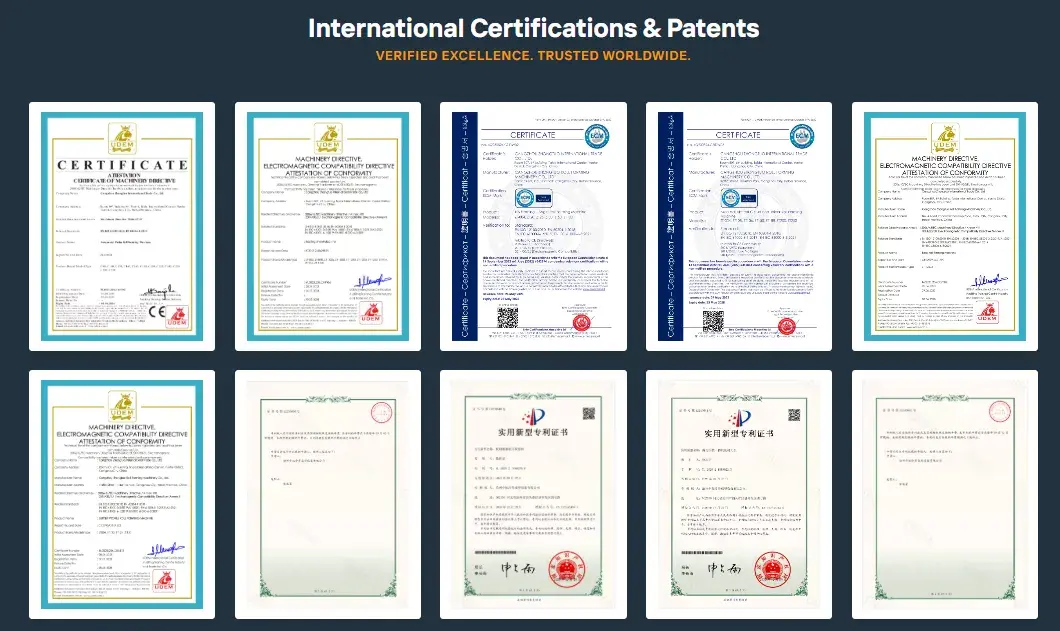
When you buy from certified makers, you can be sure that you will be able to get real spare parts, expert paperwork in multiple languages, and helpful customer service after the sale. These safety features are often missing from fake or gray-market machines, leaving buyers helpless when parts break. ISO 9001, CE, and CAS certifications from reputable suppliers show that they are committed to quality and safety standards around the world. Making sure these qualifications are real before buying lowers risk and ensures long-term business success.
Procurement Guide for the R101 Roofing Sheet Making Machine
It takes more than just comparing price sheets to buy workplace tools that can be used from afar. Logistics, support infrastructure, and the reliability of the supplier are all important factors that strategic buyers think about when making a purchase decision. The procurement of an R101 Roofing Sheet Making Machine involves multiple considerations.
Identifying Trustworthy Suppliers
First, look into the manufacturer's history. Companies that have been around for at least ten years and have exported to more than 150 countries are stable and know what they're doing. Get references from clients who have worked in similar situations, like construction sites that are far away, don't have a lot of infrastructure, or work in harsh climates. Get in touch with these sources to find out about the machine's performance, any problems that happened, and how quickly the seller responded to service requests.
Shipping and Installation Support
To coordinate international freight, you need to know what Incoterms mean. When the price is FOB (Free On Board), the buyer pays for shipping. When the price is CIF (Cost, Insurance, Freight) or DDP (Delivered Duty Paid), the seller pays for shipping and takes on the risk. DDP terms make customs clearance and final-mile delivery easier for destinations that are far away, but they cost more up front. Think about these trade-offs in light of your team's risk tolerance and ability to handle operations.
Warranty and After-Sales Service
Standard warranties cover electrical and hydraulic parts for 12 to 24 months, and the main frame is guaranteed to be structurally sound for life. Make it clear what kinds of misuse will void the warranty: using the wrong power supply, making changes without permission, or not doing the necessary maintenance. Make sure the seller keeps a stock of extra parts that can be sent by foreign courier. It usually takes five to ten business days for major shipping hubs to receive packages.
Financial Solutions and Volume Discounts
When purchasing the r101 roofing sheet making machine, payment terms that are easy to work with make cash flow easier. A 30% payment is usually due when the order is confirmed, 60% before the shipment, and 10% after the installation and testing. For bigger orders, you might be able to get longer payment terms or payment plans that are tied to project goals. When you buy three or more units, you usually get a volume deal, which lowers the price by eight to fifteen percent per machine.
Conclusion
For building jobs that are far away, you need tools that can get around problems with logistics without lowering quality or speed. The R101 Roofing Sheet Making Machine solves these problems with its small size, low power needs, and easy-to-use controls. Contractors can make precise roofing panels that fit exactly where they are needed. This cuts down on freight delays, waste, and keeps the project moving forward. It has been tested to last for a long time, and its care procedures and global supplier networks make sure that it works well in a wide range of settings. Strategic procurement increases return on investment while lowering risk. This machine is a useful, scalable answer to modern roofing problems.
FAQ
Q1: What power supply does the machine require?
The machine runs on three-phase power at 380 V, 50 Hz, with the main motor drawing 5.5 kW and the hydraulics drawing 4 kW. The total load that is connected is about 10 kW. When motors are being made, they can be changed to fit local standards if your place uses 60 Hz or 220 V systems. A lot of workers have been able to run the machine efficiently on 15 kW diesel generators, as long as the voltage stays within ±10%.
Q2: Can the machine produce profiles other than R101?
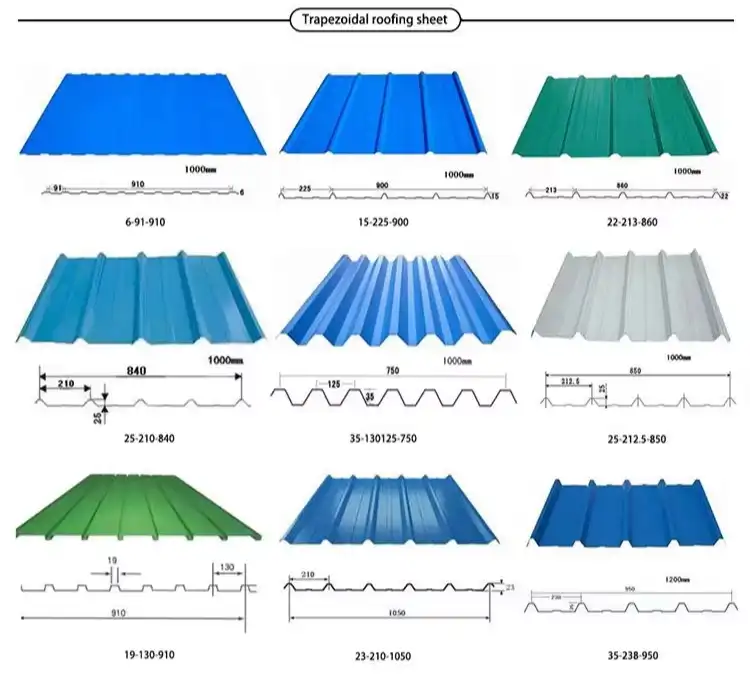
The R101 Roofing Sheet Making Machine is set up to work with the R101 trapezoidal profile and a coil width of 1,250 mm. To make different shapes, like corrugated sheets, box rib panels, or other rectangular shapes, you have to change the whole roller set and adjust the distance between the stations. It is possible to change rollers, but it takes time and skilled labour. Customers who need to be able to use more than one profile should think about buying more roller cutting sets when they first buy them.
Q3: How often does the machine need maintenance in remote conditions?
After six months of use, hydraulic oil should be changed. After that, it should be changed once a year. Check and clean the roller surfaces once a month to keep dirt from building up and scratching the coated coils. Every three months, look at the belt tightness and the play in the bearings. After about 500,000 cuts, the hydraulic shear blade needs to be sharpened or replaced. This means that it needs to be replaced or sharpened every 18 to 24 months if normal production levels are met.
Partner with a Trusted R101 Roofing Sheet Making Machine Supplier
Are you ready to speed up your remote roofing jobs and get rid of freight bottlenecks? Since 2014, ZTRFM, a national high-tech company with ISO9001, CE, and CAS certifications, has helped partners in over 150 countries with the R101 Roofing Sheet Making Machine. Our tech team customises power setups, helps with installation in multiple languages, and keeps up with global networks for distributing spare parts. Discounts for buying in bulk and flexible borrowing work with the cash flow of your project. You can email our experts at zhongtuorollforming@gmail.com to get full specs, customer reviews, and a free quote that is unique to your site.


References
1. Smith, J. R. (2021). Portable Manufacturing Systems for Remote Construction Sites. Industrial Engineering Press.
2. Martinez, L. & Chen, W. (2020). "Cost Analysis of On-Site Metal Forming in Isolated Infrastructure Projects." Journal of Construction Logistics, 15(3), 412–429.
3. International Association of Roll Forming Engineers. (2022). Technical Standards for Mobile Roll Forming Equipment. IARFE Publications.
4. Thompson, K. (2019). "Material Handling Challenges in Remote Roofing Applications." Building Systems Quarterly, 28(2), 88–105.
5. Nguyen, T. H. (2023). Cold Roll Forming Technology: Principles and Field Applications. Engineering Materials Publishing.
6. Global Construction Equipment Review Board. (2022). "Comparative Performance of Portable Sheet Metal Machinery in Off-Grid Environments." Annual Industry Report, 217–243.