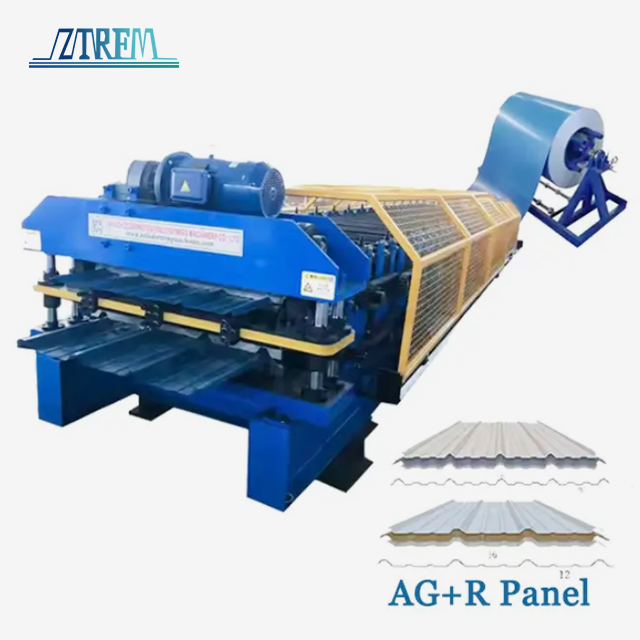
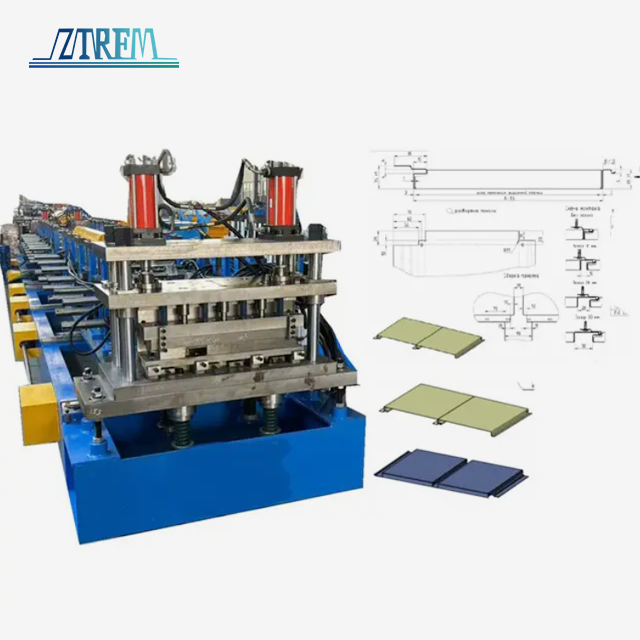
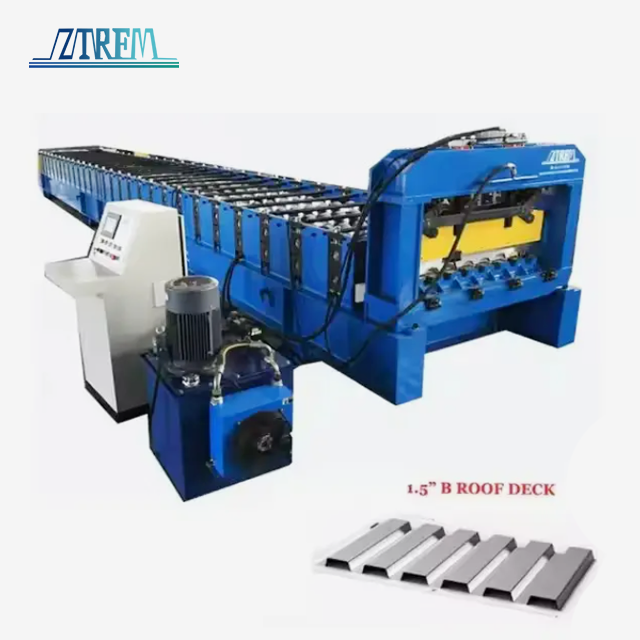
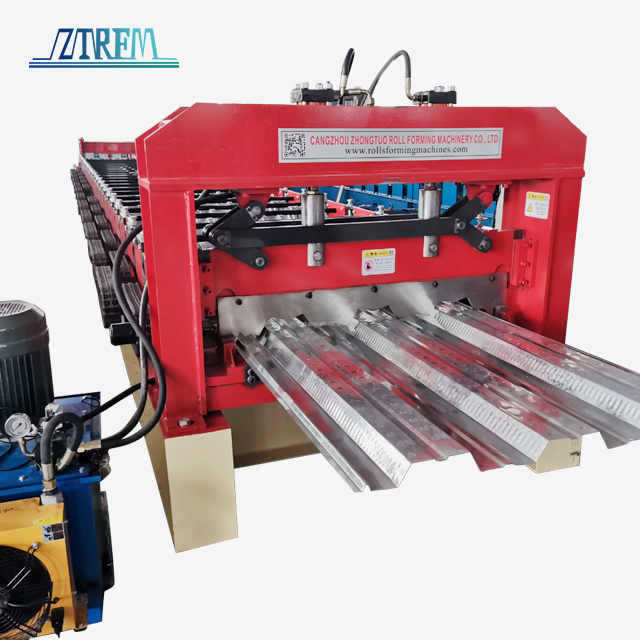
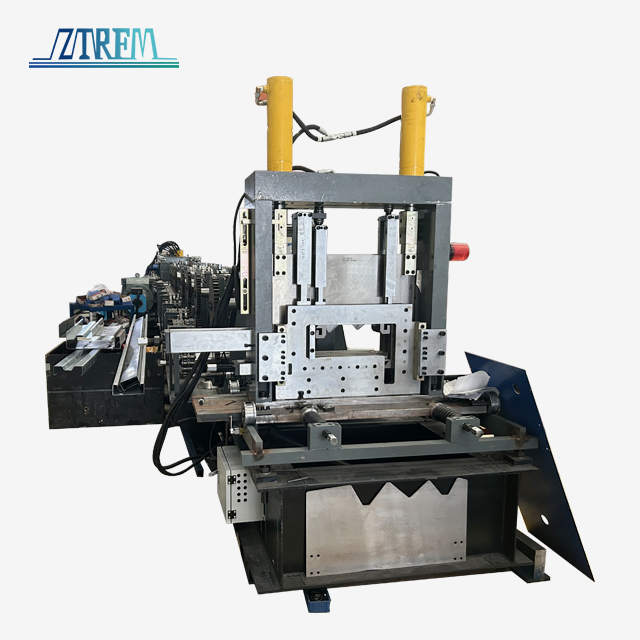
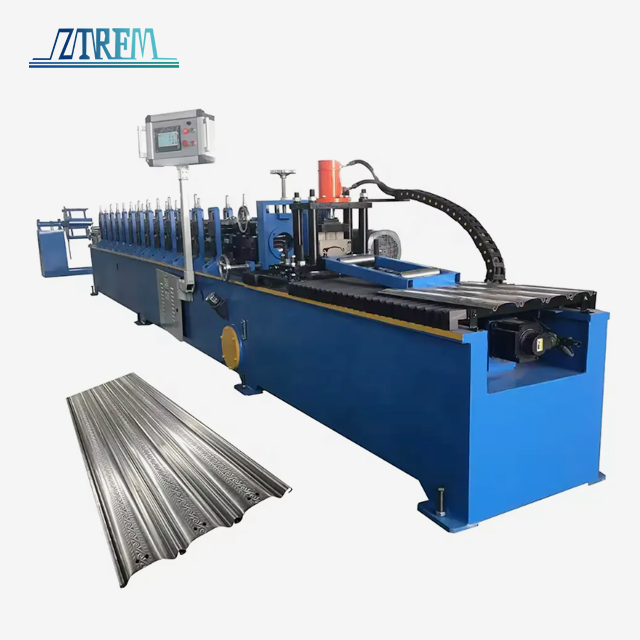
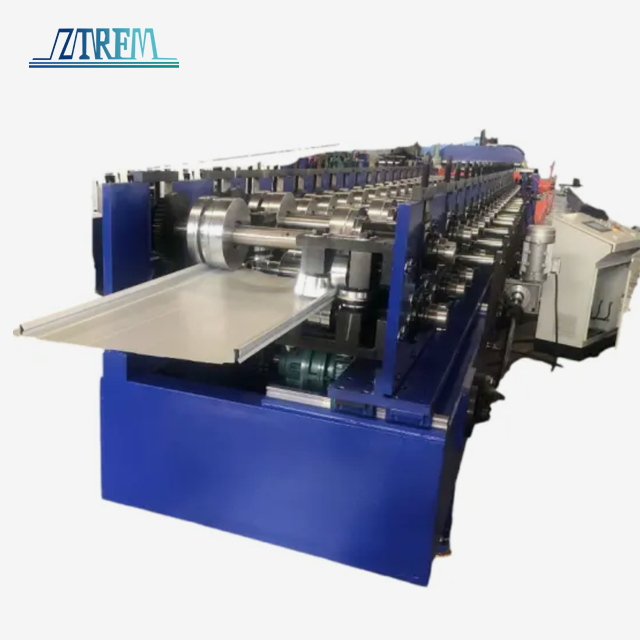
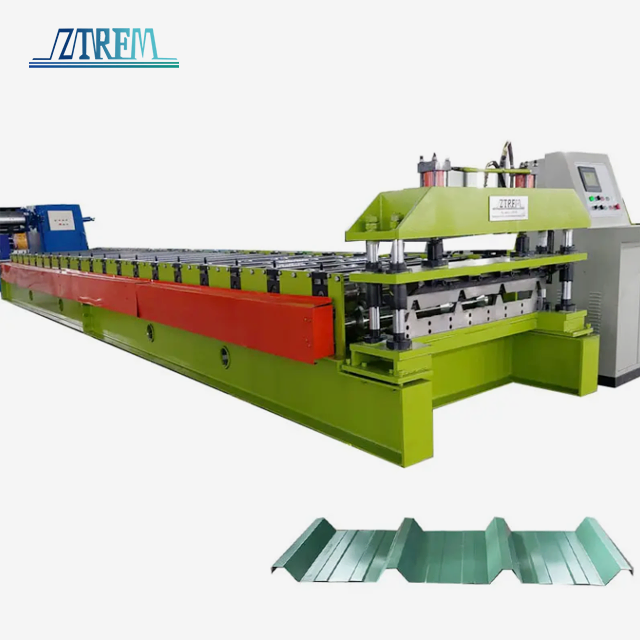
To get the most out of an automated barrel corrugated roof sheet machine in commercial roofing manufacture, you need to know how to set it up correctly, handle materials safely, and follow safety rules. Modern barrel corrugated roof sheet machines combine cutting-edge automation with precise forming abilities. This lets producers make high-quality roofing panels with consistently shaped corrugations. The process of running the business includes preparing materials in a systematic way, calibrating machines, keeping an eye on production cycles, and following regular maintenance procedures. For the production process to go well, operators need to be skilled, quality control systems need to be in place, and safety requirements need to be followed at all times. These machines can usually work with a variety of materials, such as PPGI, galvanized steel, and aluminum, with thicknesses between 0.12 and 0.48 mm. For commercial-scale operations, they can make up to 15 pieces per minute.
Understanding the Automated Barrel Corrugated Roof Sheet Machine
Automated corrugated sheet forming equipment is a big step forward in the technology used to make metal roofs. These machines use smart control systems and precise engineering to make barrel-profile corrugated panels that are always the same high quality for commercial use.
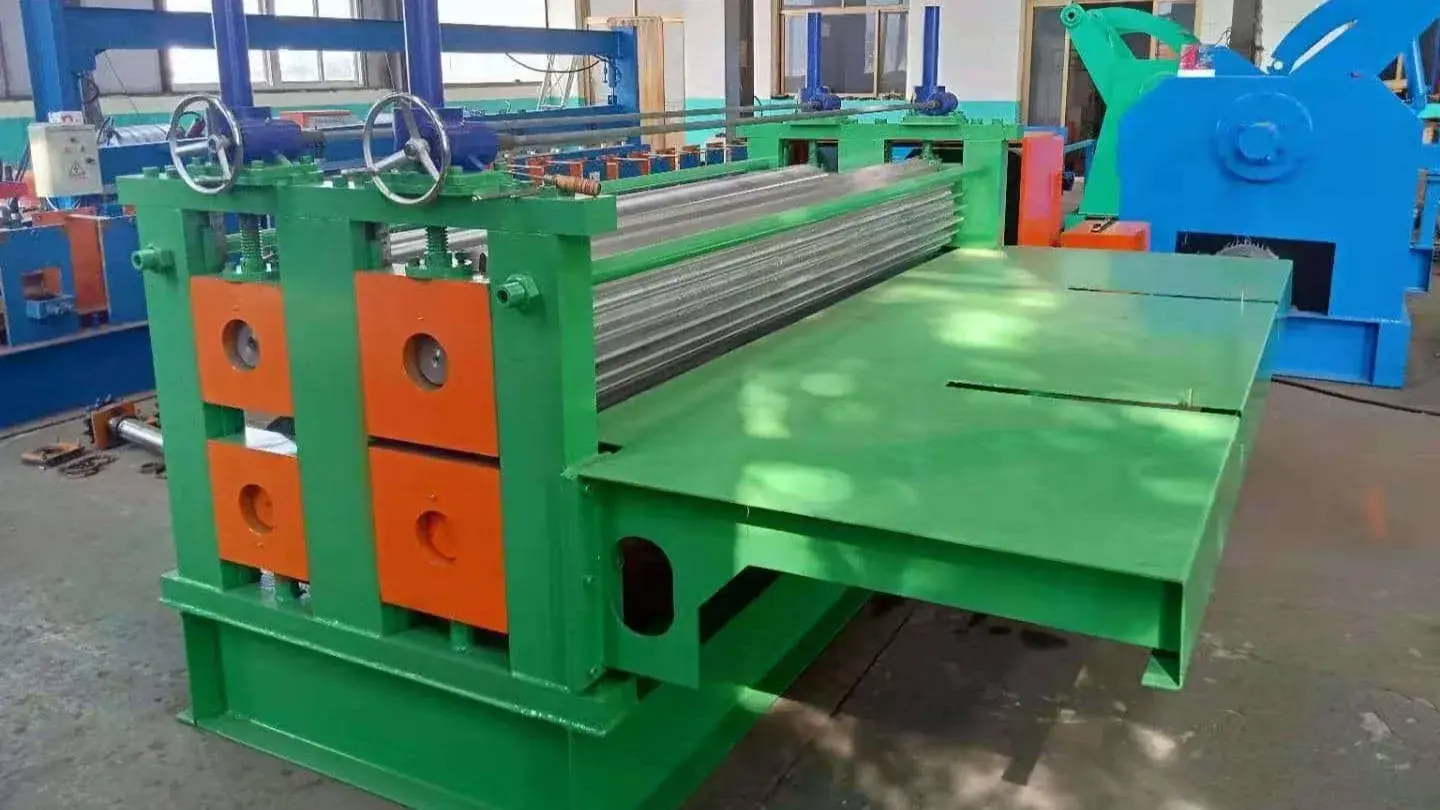
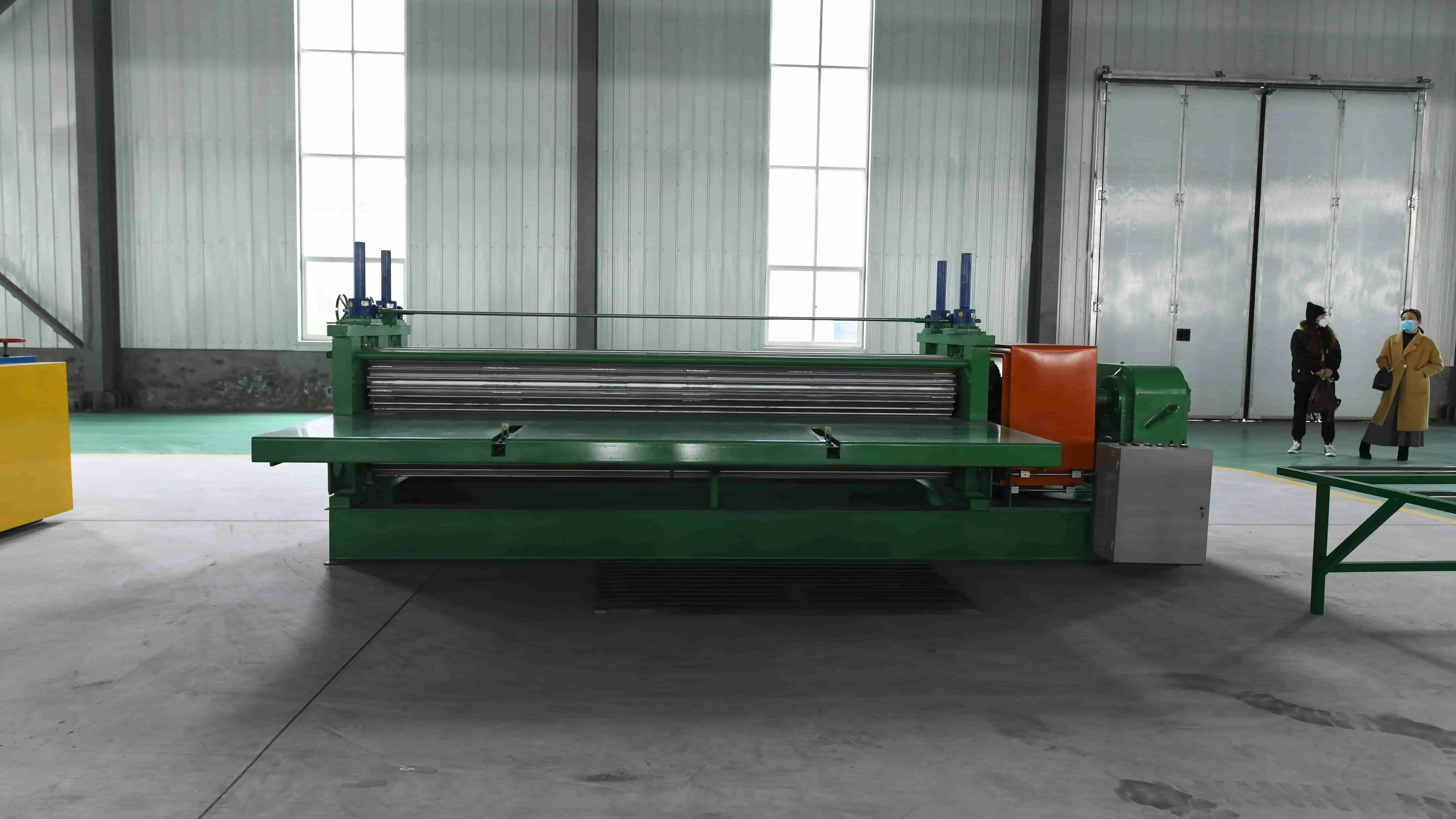
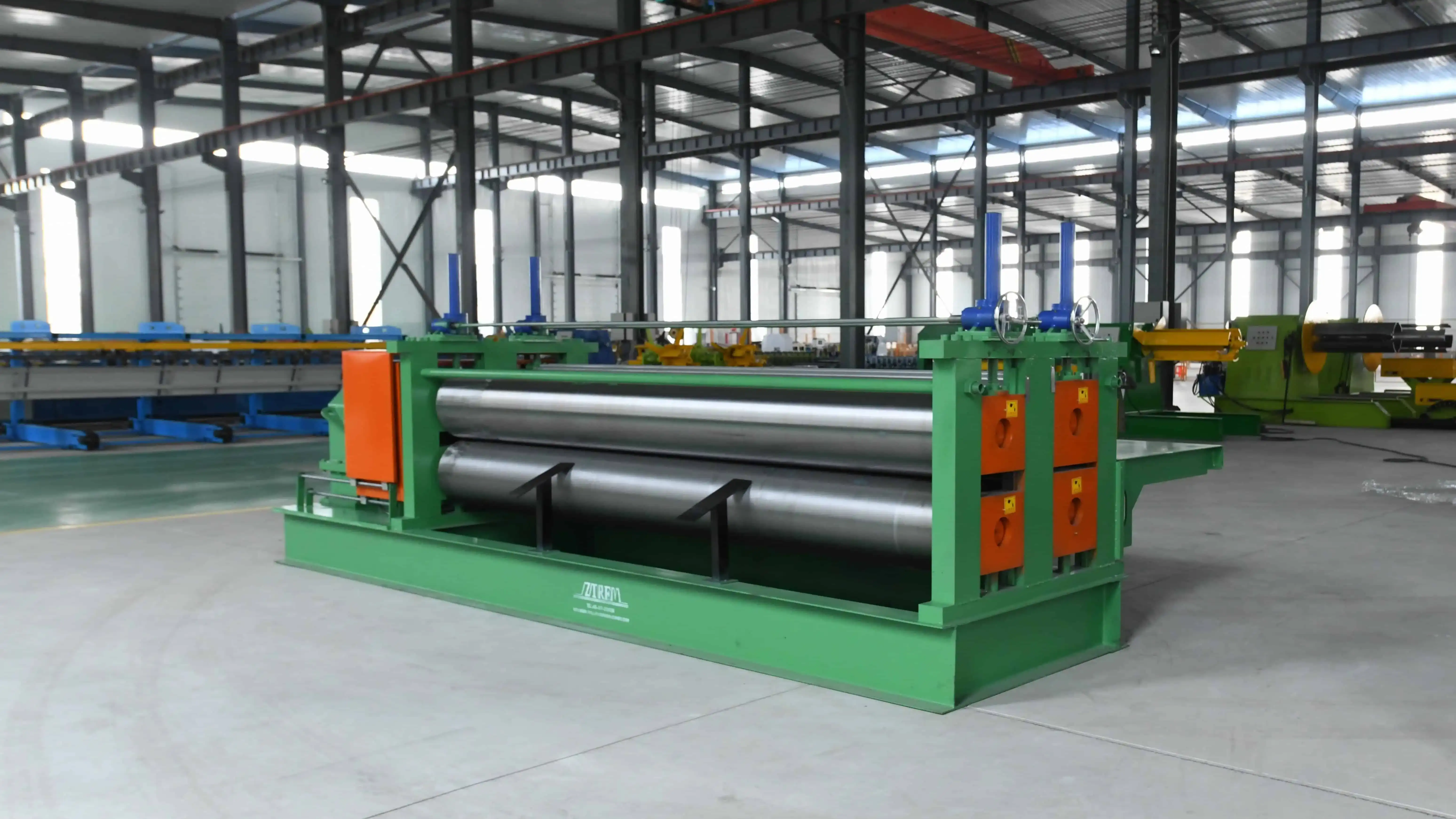
Modern automated systems have advanced roller stations, hydraulic drive systems, and computerized control panels as their main parts. There are two roller stations on our machines, each with four 300mm diameter rollers made of strong 45# steel. The roller length can be up to 3000mm, depending on what the customer needs. This makes it possible to use it with panels of different sizes for different business initiatives.
Material compatibility works with a wide range of substrate types to satisfy the needs of diverse projects. The machine can work with PPGI (Pre-Painted Galvanized Iron), GI (Galvanized Iron), and aluminum materials in a very flexible way. The material thickness can be anything from 0.12mm to 0.48mm, which lets manufacturers make panels that can be used in different types of structures and climates.
Automated systems can make up to 15 pieces per minute, which is a lot of production capacity. This level of throughput lets producers fulfill tight timelines for commercial projects while also keeping up with quality standards. The maximum feeding length of 3000mm lets you make panels that are perfect for big commercial roofing jobs.
Step-by-Step Operation Guide for Commercial Use
Making sure that the production process goes smoothly and safely with the Barrel corrugated roof sheet machine is as easy as following the right steps. The operational process includes getting ready for production, dealing with supplies, watching production, and doing things after production.
Before using a machine, the safest thing to do is check it first. Operators need to make sure that all of the safety guards are in the right place, that the emergency stop features work, and that the electrical links are still safe. Make sure the hydraulic system's pressure is right and that places that need oil have enough.
When you get materials ready for a project, you need to carefully choose and handle the core materials based on what the project needs. It is important to look at the surface for flaws, the width for consistency, and the coil for proper winding in raw materials. The way the material is fed needs to be changed to make sure it fits its length and width. Putting the materials in the right place keeps the panels at a high standard all the time and stops output problems.
Setting the roller gap dimensions, changing the forming pressure, and programming the control parameters for the correct corrugation profiles are all part of machine calibration. With the computerized control system, operators may enter the exact measurements of the panel, the qualities of the material, and the pace at which it needs to be produced. Calibration accuracy has a direct effect on the quality and consistency of the finished output.
Continuous monitoring during production processes makes sure that the quality of the output stays the same and finds problems before they influence the integrity of the product. Operators need to pay attention to forming pressure indications, keep an eye on material feed rates, and check the panel profiles to make sure they are the right size. Quality control checkpoints at different points in the production cycle help keep standards high and cut down on waste.
Proper panel cooling, systematic stacking practices, and comprehensive machine cleaning are all part of the post-production process. Cooling periods let created panels settle down before they are handled. Stacking methods keep panels from getting damaged and make it easier to move materials around for later processing or shipping.
Troubleshooting Common Problems and Maintenance Tips
Good troubleshooting keeps the time spent not making things to a minimum and the quality of the result consistent. During business production runs, knowing about common issues and their fixes makes it easier to get things done quickly.
Uneven panel creation or size differences are usually signs of feeding material problems. Most of the time, these issues happen because the materials aren't lined up the right way, the feeding force is too low, or the feed rollers are old and worn out. Realigning material guides, changing the tension mechanisms, and regularly replacing worn-out parts are all ways to fix the problem.
Uneven corrugation patterns, scratches on the surface, and changes in size can all make it hard to form quality. Not enough lubrication, dirty forming surfaces, or wrong roller gap sets are some of the main things that cause this. You need to make exact gap changes, clean the rollers well, and use the right amount of oil to fix these issues.
Preventive maintenance helps tools last longer and work better. If you regularly oil the moving parts, they won't wear out as fast and things will run better. Inspections every week find possible problems before they stop output. Monthly checks of the calibration keep the forming process correct and the product quality good.
How often parts need to be replaced depends on the manufacturer's directions and how the equipment is used. To keep everything going smoothly, forming rollers, hydraulic seals, and electrical contacts are a few of the important parts that need to be replaced regularly. Having a lot of spare parts on hand makes expected maintenance times shorter.
Comparing Barrel Corrugated Roof Sheet Machines with Other Options
Manufacturers can choose equipment that meets their production needs and business goals by understanding how different machines are set up. The Barrel corrugated roof sheet machine stands out among various options, as there are many things that affect the choice of machine, such as the amount of production, the standards for the panel, and the necessity for operational flexibility.
In business settings, automated systems are much better than manual ones. Automation cuts down on the number of workers needed, makes manufacturing more consistent, and lets more work get done in less time. For small businesses with low production numbers, manual processes may work, but automated technology is better for large-scale manufacturing.
Compared to normal corrugated patterns, barrel corrugation profiles improve the strength of the structure. The curved profile design makes the panels stronger while still using less material. This setup is very useful for commercial roofing jobs that need to be able to hold a lot of weight and stand up to bad weather.
When thinking about machine capacity, you should think about how fast it can make things, how well it can handle materials, and how easily it can be customized. High-capacity automated systems can handle tight production schedules while still meeting quality standards. Smaller machines might work for certain tasks, but they don't have the capacity to do big commercial projects.
Procurement Considerations and Supplier Selection
To buy equipment successfully, you need to carefully look at the supplier's skills, the quality of the products, and the long-term support services they offer. These things have a big effect on how well commercial roofing manufacturers do and how much money they make.
Some of the things that are used to judge suppliers are their experience in production, their technical knowledge, and their ability to help customers. Established manufacturers with a history of success give you more confidence in how well and reliably their equipment works. Quality manufacturing processes can be shown by technical certifications like ISO9001, CE conformity, and standards that are particular to the industry.
Customization options let producers choose the best equipment setups for their specific needs. You may optimize for unique production needs by changing the length of the rollers, the way materials are handled, and the characteristics of the control system. OEM and ODM services give you more ways to customize things for specific uses.
Technical help, replacement parts availability, and maintenance services are all part of after-sales support. Comprehensive support programs cut down on operational problems and make equipment last longer. Global service networks make sure that help is always available, no matter where the installation is. This is especially critical for international operations.
Conclusion
The automated barrel corrugated roof sheet machine is an important piece of equipment for making commercial roofs in the current world. Following the right procedures for operating, maintaining, and choosing suppliers carefully will guarantee the best performance and consistent manufacturing output. Manufacturers can get the most out of their money and make sure they get high-quality goods for commercial roofing projects by knowing what machines can do, how to use them, and how to fix problems. In this competitive field, success depends on integrating cutting-edge automation technology with professional operation and full support services.
Frequently Asked Questions
Q1: What safety measures should operators follow when using automated barrel corrugated sheet machines?
A: Operators must complete comprehensive safety training covering emergency procedures, proper personal protective equipment usage, and machine-specific safety protocols. Essential safety measures include verifying all safety guards remain in position, testing emergency stop functions before operation, and maintaining clear work areas around moving machinery. Regular safety inspections and adherence to lockout/tagout procedures during maintenance activities ensure operator protection and equipment integrity.
Q2: How often should barrel corrugated roof sheet machines undergo maintenance?
A: Maintenance schedules depend on production volume and operating conditions, but generally include daily lubrication checks, weekly component inspections, and monthly calibration verification. Comprehensive maintenance should occur every 500 operating hours or quarterly, whichever comes first. Critical components such as forming rollers and hydraulic systems require professional inspection annually to ensure optimal performance and prevent unexpected downtime.
Q3: Can these machines accommodate custom panel dimensions for specific commercial projects?
A: Modern automated systems offer extensive customization capabilities for panel dimensions within design parameters. Our machines accommodate material thickness from 0.12mm to 0.48mm and roller lengths up to 3000mm based on requirements. Custom corrugation profiles, panel widths, and length specifications can be programmed through computerized control systems, enabling manufacturers to produce panels meeting specific project requirements and architectural specifications.
ZTRFM - Your Trusted Barrel Corrugated Roof Sheet Machine Manufacturer
ZTRFM stands as your reliable partner for advanced automated forming solutions in commercial roofing manufacturing. Our expertise in designing and manufacturing precision cold roll forming equipment spans over a decade, delivering innovative solutions to manufacturers across 150+ countries worldwide.
Our automated barrel corrugated roof sheet machines use the latest technology and have been shown to work well in commercial settings. Every machine goes through strict quality testing and certification processes to make sure they meet international standards like ISO9001, CE, and CAS. These certifications show that we are dedicated to making high-quality products that work.
Our solutions stand out in a crowded market because they can be customized. We offer full OEM and ODM services, which let customers choose machine configurations that exactly meet their production needs. Our technical team works directly with clients to create custom solutions that boost productivity and make operations run more smoothly.
As a national high-tech company, we have cutting-edge production facilities and ongoing research and development activities. Our dedication to innovation makes sure that our customers get the most up-to-date equipment that uses the newest developments in automated forming technology.
Our global service network offers full support for the whole life of the equipment. We offer full solutions that guarantee the best performance and the highest return on investment, from the first consultation and installation to continuing maintenance and technical support. Please email us at coo@zhongtuocn.com to learn more about our barrel corrugated roof sheet machine solutions and to talk about your specific needs. Find out how our cutting-edge automation technologies can change the way you make commercial roofing.
References
1. Johnson, M. & Williams, R. (2023). "Advanced Metal Forming Technologies in Commercial Roofing Manufacturing." International Journal of Industrial Manufacturing, 45(3), 112-128.
2. Chen, L. et al. (2022). "Automation in Cold Roll Forming: Efficiency and Quality Improvements." Manufacturing Technology Review, 38(7), 89-104.
3. Anderson, P. (2023). "Material Handling and Processing in Automated Corrugated Panel Production." Commercial Roofing Technology Quarterly, 19(2), 45-62.
4. Thompson, K. & Davis, S. (2022). "Safety Protocols and Best Practices for Industrial Forming Equipment Operation." Workplace Safety in Manufacturing, 31(4), 78-95.
5. Rodriguez, A. (2023). "Comparative Analysis of Barrel vs. Standard Corrugation Profiles in Commercial Applications." Building Materials Engineering, 27(1), 156-173.
6. Miller, J. (2022). "Procurement Strategies for Industrial Forming Equipment: A Comprehensive Guide." Industrial Equipment Management, 42(6), 203-219.