- English
- French
- German
- Portuguese
- Spanish
- Russian
- Japanese
- Korean
- Arabic
- Irish
- Greek
- Turkish
- Italian
- Danish
- Romanian
- Indonesian
- Czech
- Afrikaans
- Swedish
- Polish
- Basque
- Catalan
- Esperanto
- Hindi
- Lao
- Albanian
- Amharic
- Armenian
- Azerbaijani
- Belarusian
- Bengali
- Bosnian
- Bulgarian
- Cebuano
- Chichewa
- Corsican
- Croatian
- Dutch
- Estonian
- Filipino
- Finnish
- Frisian
- Galician
- Georgian
- Gujarati
- Haitian
- Hausa
- Hawaiian
- Hebrew
- Hmong
- Hungarian
- Icelandic
- Igbo
- Javanese
- Kannada
- Kazakh
- Khmer
- Kurdish
- Kyrgyz
- Latin
- Latvian
- Lithuanian
- Luxembou..
- Macedonian
- Malagasy
- Malay
- Malayalam
- Maltese
- Maori
- Marathi
- Mongolian
- Burmese
- Nepali
- Norwegian
- Pashto
- Persian
- Punjabi
- Serbian
- Sesotho
- Sinhala
- Slovak
- Slovenian
- Somali
- Samoan
- Scots Gaelic
- Shona
- Sindhi
- Sundanese
- Swahili
- Tajik
- Tamil
- Telugu
- Thai
- Ukrainian
- Urdu
- Uzbek
- Vietnamese
- Welsh
- Xhosa
- Yiddish
- Yoruba
- Zulu
Sheet Metal Fabrication Tips: Maximizing Output with Trapezoidal Roll Forming Lines
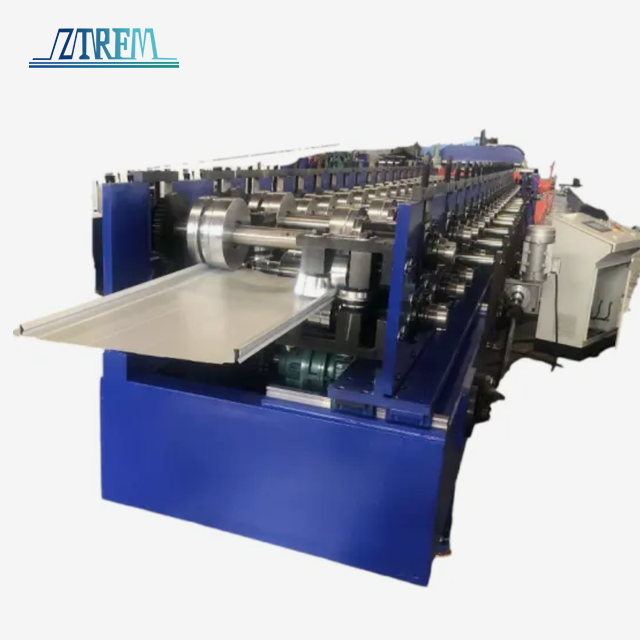
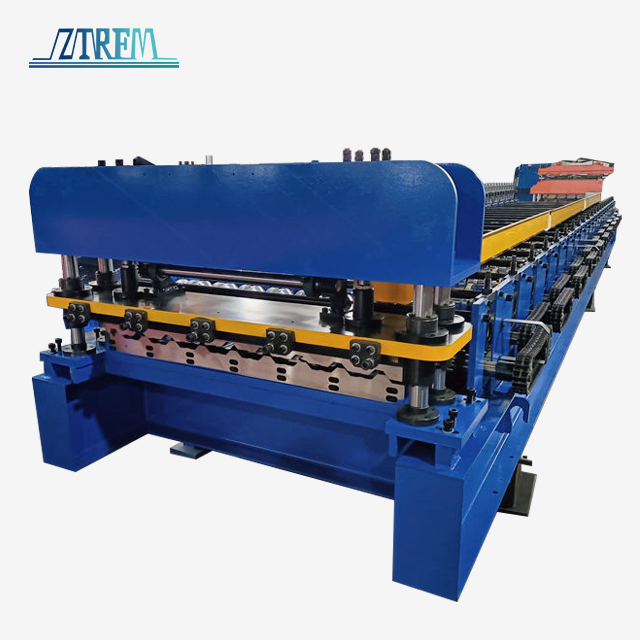
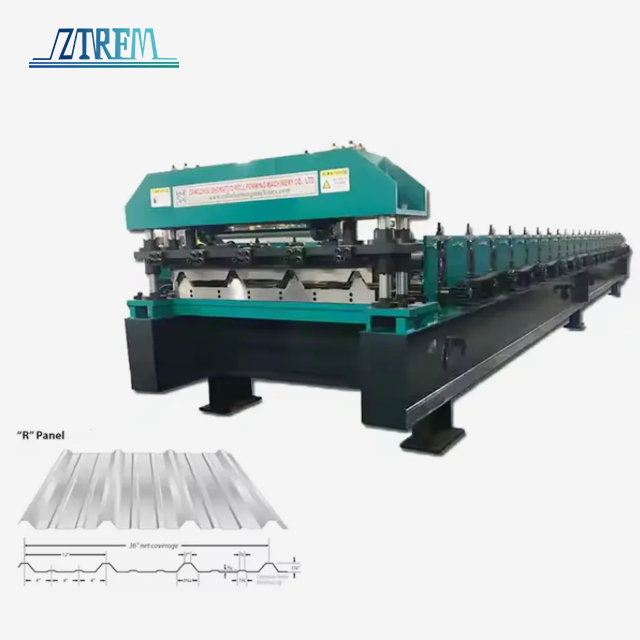
Getting the most out of your sheet metal production starts with having the right tools and methods. A trapezoidal sheet roll forming machine runs a cold-forming process over and over again to turn flat metal coils into strong panels for roofs and wall coverings. These machines consistently make accurate profiles while working at amazing speeds—often up to 60 meters per minute—which fixes the inefficiencies that happen in many industrial settings. Manufacturers can greatly boost output while keeping costs low and product quality high by knowing what their equipment can do, making the best use of workflows, and choosing machines that will help them reach their operational goals.
Understanding Trapezoidal Sheet Roll Forming Machines: Components and Working Principles
Core Components That Drive Performance
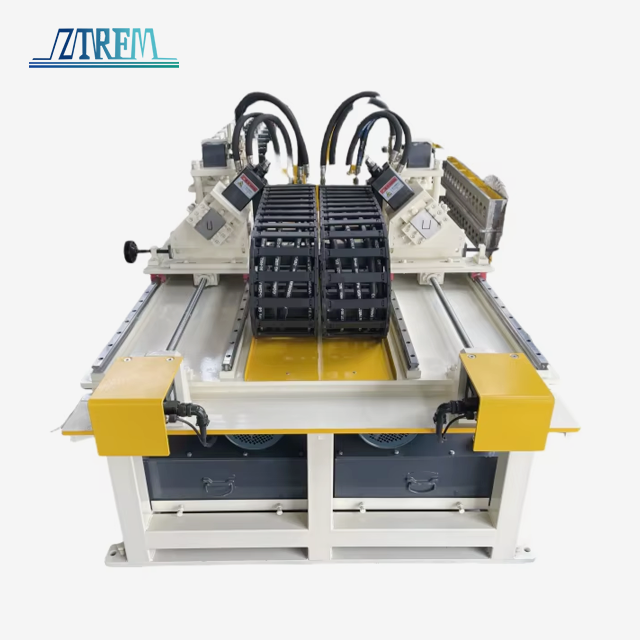
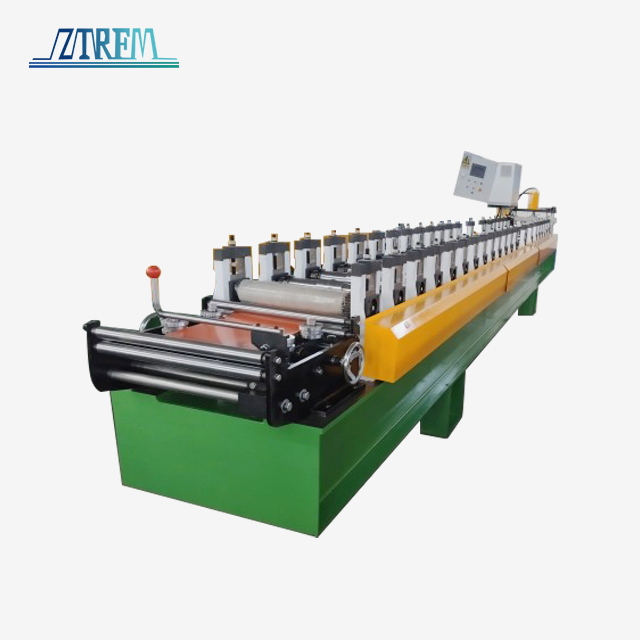
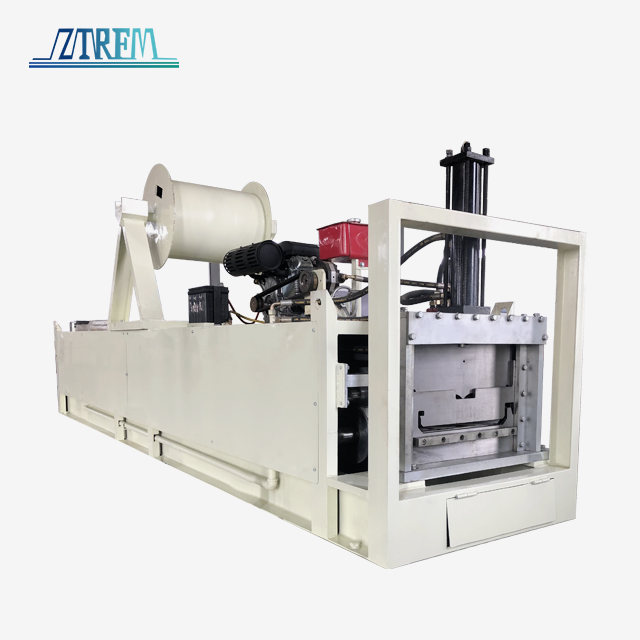
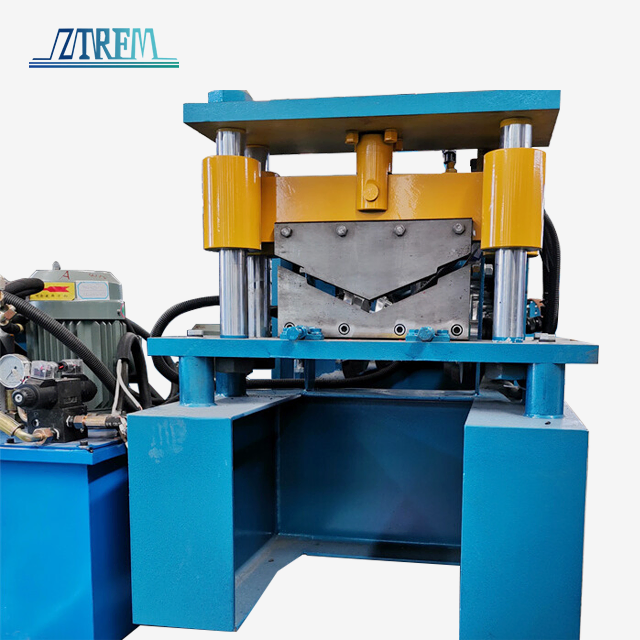
Roll forming equipment has many systems. The decoiler progressively releases metal coils, allowing material to flow into the line. Feeding systems with flattening rollers remove coil curl to ensure flat material enters pressing stations. Roll shaping stations with 26 rows of precision rollers bend metal into trapezoidal shapes piece by piece. Each station has small bends to reduce material stress and protect the surface. CR12MoV blades in hydraulic cutting devices produce smooth, burr-free cuts with ±1 mm tolerance. PLC control systems are more accurate than humans at line speed, cut length, and batch counting.
The whole thing is mounted on a 350 H steel machine body frame for rigidity while running at high speeds. Shaft widths of 80 mm solid steel prevent bowing when loaded, so profile dimensions remain constant throughout production. These parts help roofing manufacturers handle their major issues: uneven profiles, delayed manufacturing, and poor surface quality.
How Metal Transforms Through Progressive Forming
Operators can boost production by understanding transformation. The flat coil stock is usually PPGI, galvanized steel, or aluminum with a thickness of 0.3 mm to 1 mm. As the strip passes through a roller station, each pair of matching rollers bends the material slightly more than the last. This approach prevents work hardening and surface cracking caused by acute bending angles by spreading the developing tension.
Carefully calculated bends form the trapezoidal shape. Bottom rollers make flat bases, and top rollers make curved ribs. Water is kept out of roof installations by lap joints' anti-capillary gaps. The gearbox transmission system coordinates all roller stations to maintain material moving without sliding or straining. The machine can create lengths from 3 feet to 20 feet 10 inches without compromising precision using this synchronized procedure.
Maintenance Practices That Extend Equipment Lifespan
High output requires disciplined maintenance. Check all working parts, especially chain drives and bearing systems, for oil daily. Hard chrome-plated rollers don't wear down rapidly, but operators must watch the surface and clear up metal shavings that might harm painted surfaces. Regularly test hydraulic systems for leaks and seal failure under pressure. Keeping panel ends from warping requires frequent inspection and sharpening by a professional. Cutting blades last about 200,000 cuts.
For a trapezoidal sheet roll forming machine, cleaning electrical control system areas helps them. Dust can cause PLC parts to act oddly or generate incorrect sensor data. Monthly calibration tests verify set lengths and output sizes. Keep these systems in good condition to avoid unplanned downtime that disrupts production and lowers profits.

Maximizing Production Efficiency: Performance Optimization Strategies
Identifying and Eliminating Production Bottlenecks
Most factories have ongoing issues that hinder output. Delays in moving materials from the decoiler to the forming stations waste time that could be used to make more. Operators idle while cut panels pile up before hand-stacking. Adjusting mechanical changeover systems by hand takes hours to change the machine's profile. These limitations reduce production capacity below equipment capacity as they worsen.
Most speed limits are caused by cautious code, not physical ones. Even though the machines can safely go 60 meters per minute, many places run their forming lines at 40. This quality-controlling care costs 33% of production. Material movement is difficult because runout tables can't keep up with cutting speeds, causing operators to artificially reduce output.
Actionable Techniques for Boosting Throughput
Several targeted changes boost efficiency. Fine-tuning roller gap settings prevents material from sliding and over-forming pressure that oil-cans large panels. Automated feeding systems with servo-driven straighteners maintain material presentation, reducing edge waviness and profile quality. User screens provide real-time line speed, material consumption, and production numbers via intelligent control software. Changes can be made immediately when problems arise.
Fixing wasteful workflows with lean manufacturing extends beyond running equipment. Organizing coil supplies by size and coating reduces changeover time. Standardizing cut length sequences reduces production run code modifications. Cross-training operators allows trained staff to repair small issues without waiting for professional technicians, reducing system downtime.
Continuous improvement projects boost performance over time. Regular operator feedback talks reveal issues engineers miss during evaluations. Checking sheets per shift, scrap percentage, and unexpected stops can reveal patterns that indicate when to take preventative action. These practices optimize equipment before problems arise instead of fixing them afterward. This gradually increases output without sacrificing quality.

Choosing the Right Trapezoidal Sheet Roll Forming Machine for Your Business
Comparing Automation Levels and Operational Impacts
The choice of equipment has a big effect on the long-term costs of operations and the freedom of production. Manual roll forming tools need steady attention from the user to feed the material, measure the length, and stack the panels. For startups with limited funds and low production volumes, these systems are a good fit because they cost 40–50% less to buy than fully automated alternatives. But labor costs add up quickly, and mistakes made by humans cause differences in dimensions that aren't there with automated systems.
Automatic roll making lines use servo-driven parts all the way through the production process. Automated decoilers keep the tension on the material constant. Computerized length control gets rid of mistakes in measuring. PLC instructions are carried out with millisecond accuracy by hydraulic cutting. Automatic stackers put finished panels in order without having to be moved by hand. When compared to manual operations, these features boost throughput by 60–80% while cutting the need for two-thirds as much labor. The bigger original investment is usually paid back in 18 to 24 months for medium-volume operations, and the long-term cost savings come from better efficiency and lower scrap rates.
Evaluating Capacity Requirements and Energy Considerations
By matching machine specs to output needs, you can avoid expensive mistakes like over-investment or lack of capability. Manufacturers who make between 50,000 and 100,000 square feet of goods every month need machines that can keep running at high speeds with few breaks. Machines with a forming speed of 0 to 60 meters per minute have the extra space needed for times of high demand. On the other hand, mid-range equipment that can handle 0 to 40 meters per minute works well for sites that serve area markets and move 20,000 square feet of goods every month.
Energy-efficient motor systems for a trapezoidal sheet roll forming machine lower operating costs by a large amount over the life of the equipment. Modern machines with 5.5 kW main motors and 7.5 kW hydraulic power units use 30 to 40 percent less electricity than older machines with parts that are too big for the job. Variable frequency drives change the speed of the motor to fit the needs of production. This saves energy because the motor doesn't have to run at full speed all the time. Over years of use, these improvements in efficiency add up, especially in places where electricity costs are high.
Supplier Reputation and Factory-Direct Advantages
How reliable your equipment is depends a lot on the quality of its parts and how precisely they were made. Suppliers who are certified by ISO9001 and CE show that they are dedicated to safety standards and quality management systems. Production centers that have CAS approval make sure they can make things and keep an eye on the process. Manufacturers that have been in business since 2014 or earlier have the institutional knowledge to come up with answers to difficult forming problems.
When you buy from OEM makers directly, you avoid the markups that distributors add, and you can also make changes to the product. Different widths, roller station layouts, and material standards can be changed to fit the needs of a particular product. Suppliers that send goods to more than 150 countries show that they know how to handle logistics and foreign shipping issues. All of these things lower the risk of buying and lay the groundwork for long-term relationships in the supply chain.

Practical Procurement Tips: How to Buy and Implement Your Trapezoidal Roll Forming Line
Supplier Evaluation Criteria That Matter
Thorough evaluation of suppliers protects investments in capital and makes sure that equipment works as planned. Ask for detailed technical documents that include designs for hydraulic systems, electrical schematics, and mechanical specifications. This knowledge lets an outside engineer look it over before a buy is made. Check the roller material specs—45# steel with a hard chrome coating gives you the wear protection you need for long production runs. For tools that work with materials up to 1 mm thick, make sure the shaft sizes are at least 80 mm.
Production readiness examples show how well equipment works in real-world situations. Suppliers who are sure of their machines are happy for potential buyers to visit the factory and watch production runs using materials that meet their needs. Specification sheets don't show problems like too much vibration, inconsistent cut quality, or slow changeover procedures. These demonstrations do. Video recordings of test runs can be used as proof for internal stakeholder review when trips to the building are not possible.
Customization options set solution providers apart from commodity suppliers. When manufacturers need non-standard profile geometries, they need providers who can create custom roller stations with the help of engineers. Suppliers who offer nylon-coated rollers that protect surfaces from damage are good for businesses that work with special coatings like PVDF or high-gloss polyester finishes. The delivery terms should be carefully negotiated, especially when it comes to installation supervision, the length of operator training, and packages of spare parts.
Managing Logistics and Installation Processes
Buying tools internationally adds extra challenges on top of buying them in your own country. Shipping plans need to be coordinated with goods forwarders who know how to move big machinery. When loading containers, careful steps must be taken to keep fragile parts from getting damaged by impacts during shipping by ocean. Total landing costs are greatly affected by import taxes, the process of clearing customs, and the choice of final port. These factors often add 15 to 25 percent to FOB prices.
Professional installation services make sure that the equipment is set up correctly and works right the first time. Technicians with a lot of experience make sure the foundation is strong enough, level the machine frames within certain limits, and line up all the roller stations perfectly. These setting steps have a direct effect on the quality of the profile and the efficiency of its operation. The installation process includes thorough operator training that helps the production staff get used to control systems, regular maintenance, and basic repairs. This sharing of information makes it less necessary to rely on outside service providers for small problems.
After-Sales Support That Protects Operations
Mechanical parts of a trapezoidal sheet roll forming machine are usually covered by warranties for 12 to 24 months. This protects against problems with the way the parts were made and premature failure of parts. Make sure you understand the warranty terms for things that wear out quickly, like cutting blades and roller surfaces, which are often not covered by the normal guarantee. The length of downtime when a part needs to be replaced depends on how readily available spare parts are. Regional parts delivery networks run by suppliers get important parts to factories within days, not weeks, so production stops are kept to a minimum.
Having access to expert help through email, phone, and video chat makes it easier to fix problems when they happen. Suppliers who provide thorough maintenance guides with exploded assembly plans make it possible for in-house maintenance teams to properly fix equipment. With these support tools, buying equipment turns into a long-term partnership where the supplier's knowledge continues to help operations years after the equipment is installed.

Conclusion
To get the most out of roll-forming technology, you need to pay equal attention to the capabilities of the equipment, the optimization of operations, and strategic procurement. Modern making lines can make a lot of things quickly and consistently well if they are set up, kept, and used correctly. Manufacturers who are having trouble with quality or capacity should compare their current tools to new technologies, find the specific bottlenecks that are slowing them down, and make the necessary changes. Implementations that work well have trained operators, good maintenance, and cultures that are always looking for ways to make things better. All of these things work together to turn roll forming operations from cost centers into competitive advantages. This lets manufacturers keep up with rising demand while keeping the quality of their products that keeps customers coming back.
FAQ
Q1: What maintenance practices extend equipment lifespan most effectively?
Chain drives and bearing assemblies don't wear out as quickly when they are oiled every day. Roller surfaces are checked once a week to find metal waste before it harms materials that have already been painted. Testing the seals once a month with hydraulic pressure finds damage early. Sharpening the cutting blade every three months keeps the cuts clean and extends the life of the blade. Comprehensive inspections done once a year by trained experts find problems before they break down. This layered method balances the cost of repair against the time saved by avoiding downtime. This usually makes tools last longer than 15 years.
Q2: How should I choose between automatic and manual roll forming equipment?
This choice is based on the amount of production. When a business makes less than 30,000 square feet a month, lower capital costs often make it worth it to use manual equipment. Facilities that use more than 50,000 square feet of space every month can recoup the costs of technology by saving money on labor and getting more done. Think about how easy it is to find and pay workers in your area. Tight labor markets are good for robots. Check how complicated the product mix is; automatic switching systems work best for profiles that change often. Do not just look at the buying price; instead, figure out the total costs of ownership over the next 5 to 7 years.
Q3: Can roll forming lines be customized for unique profile requirements?
Manufacturers of good quality offer a wide range of customization options. Engineers create unique roller station layouts that fit specific profile shapes. There are choices for widths that fit materials from 1000 mm to 1250 mm and even longer. Roller distance changes can change the thickness capacity. Nylon-coated rollers are needed for special treatments like PVDF to keep the surface from getting damaged. Custom cut length sequences and batch counting can be programmed by control systems. Talk about needs early on in the buying process. Profile models and production volume forecasts can help you get a good idea of what the company can do and how much it will cost.
Partner with ZTRFM for Your Trapezoidal Sheet Roll Forming Machine Needs
Cangzhou Zhongtuo Roll Forming Machinery (ZTRFM) gives your business the output capacity and dependability it needs. It's been our speciality since 2014 to come up with cold roll forming methods that solve real production problems. Our experience as a trapezoidal sheet roll forming machine provider includes designing the whole system, from moving materials to placing finished panels. Our manufacturing processes are backed by ISO9001, CE, and CAS certifications, and our installations in more than 150 countries show that we can deliver products all over the world.
We know the stresses that roofing manufacturers, purlin manufacturers, and metal building component makers are under. Production schedules, quality standards, and cost goals don't leave much room for equipment that doesn't work as it should. Our technical team can change the setups of machines (roller stations, width capacity, and levels of automation) to fit your needs. If you need tools for 24 gauge steel roofs, 22 gauge architectural panels, or .032" aluminum, we can come up with solutions that offer consistent profiles at speeds of up to 60 meters per minute.
Contact ZTRFM today at zhongtuorollforming@gmail.com for detailed technical specifications, production samples, and competitive quotes that are made to fit the needs of your project.

References
1. Smith, J.R. (2023). Advanced Cold Roll Forming Technologies: Engineering Principles and Industrial Applications. Manufacturing Press International.
2. Anderson, M.K. & Chen, L. (2022). "Optimization Strategies for High-Speed Metal Forming Operations," Journal of Manufacturing Systems Engineering, Vol. 47, No. 3, pp. 234-251.
3. European Committee for Standardization (2024). EN 10346: Continuously Hot-Dip Coated Steel Flat Products - Technical Delivery Conditions. Brussels: CEN Publications.
4. Williams, R.T. (2023). Sheet Metal Fabrication Handbook: Modern Processes and Production Management. Industrial Technology Publishers.
5. International Building Code Council (2024). Metal Roofing and Wall Systems: Design, Installation and Performance Standards. Washington DC: IBCC Technical Publications.
6. Martinez, C.E. & Patel, S. (2022). "Comparative Analysis of Roll Forming Equipment ROI in Metal Building Component Manufacturing," Industrial Equipment Management Quarterly, Vol. 19, No. 2, pp. 78-94.