- English
- French
- German
- Portuguese
- Spanish
- Russian
- Japanese
- Korean
- Arabic
- Irish
- Greek
- Turkish
- Italian
- Danish
- Romanian
- Indonesian
- Czech
- Afrikaans
- Swedish
- Polish
- Basque
- Catalan
- Esperanto
- Hindi
- Lao
- Albanian
- Amharic
- Armenian
- Azerbaijani
- Belarusian
- Bengali
- Bosnian
- Bulgarian
- Cebuano
- Chichewa
- Corsican
- Croatian
- Dutch
- Estonian
- Filipino
- Finnish
- Frisian
- Galician
- Georgian
- Gujarati
- Haitian
- Hausa
- Hawaiian
- Hebrew
- Hmong
- Hungarian
- Icelandic
- Igbo
- Javanese
- Kannada
- Kazakh
- Khmer
- Kurdish
- Kyrgyz
- Latin
- Latvian
- Lithuanian
- Luxembou..
- Macedonian
- Malagasy
- Malay
- Malayalam
- Maltese
- Maori
- Marathi
- Mongolian
- Burmese
- Nepali
- Norwegian
- Pashto
- Persian
- Punjabi
- Serbian
- Sesotho
- Sinhala
- Slovak
- Slovenian
- Somali
- Samoan
- Scots Gaelic
- Shona
- Sindhi
- Sundanese
- Swahili
- Tajik
- Tamil
- Telugu
- Thai
- Ukrainian
- Urdu
- Uzbek
- Vietnamese
- Welsh
- Xhosa
- Yiddish
- Yoruba
- Zulu
A lubrication schedule for your furring channel roll forming machine
Having a good lubrication routine for your furring channel roll forming machine is one of the most practical methods to safeguard your investment and keep production going. If you run a C purlin line, a Z purlin line, or a quick-change CZ machine on galvanised steel from 1.0 to 3.5 mm thick at 15–22 m/min, it’s the continuous lubrication that makes the direct difference in the life of your rollers, bearings, chains, and servo-driven components. In this article, I'll show you what to lubricate, how often to do it, and what warning signals to look for – so your line keeps running, and your output remains correct.
Understanding the Role of Lubrication in Roll Forming Machines
Knowing why lubrication is so necessary on a roll forming machine is helpful when you schedule. The forming rollers are constructed of GCr15 bearing steel and continually press on galvanised steel coils at a speed of 15 ~ 22 m/min. Without enough protection between layers, metal-to-metal contact will generate heat, scrape the surface, and cause premature bearing failure.
Friction, Heat, and Wear in High-Speed Lines
When the speed of production is 15 m/min or higher, there is always touch stress between the strip and the making rolls. Studies published in Tribology International show that not using enough lubrication in cold-forming processes can raise the surface temperature by 30 to 50°C in just minutes, which speeds up wear by three times or more.
Common Lubricant Types for Roll Forming Components
There are three types of lubricants that can be used on a purlin or channel forming line, which will satisfy most of the needs:
- Grease (NLGI #2): Best for sealed bearings and shafts; repels water in humid shop conditions.
- Gear oil (ISO VG 220): For enclosed gearbox transmissions; maintains viscosity over a wide temperature range.
- Dry film / PTFE spray: Recommended for forming roll surfaces where oil residue might corrode galvanised coatings.
Matching Lubricant to Component
On a furring channel roll forming machine, typically, good C/Z machines feature GCr15 (chrome-bearing steel) shafts which are compatible with NLGI #2 lithium-complex grease. Chain drives need a special chain oil with anti-wear additives. The servo motor bearings normally need a synthetic grease provided by the manufacturer to preserve the warranty.
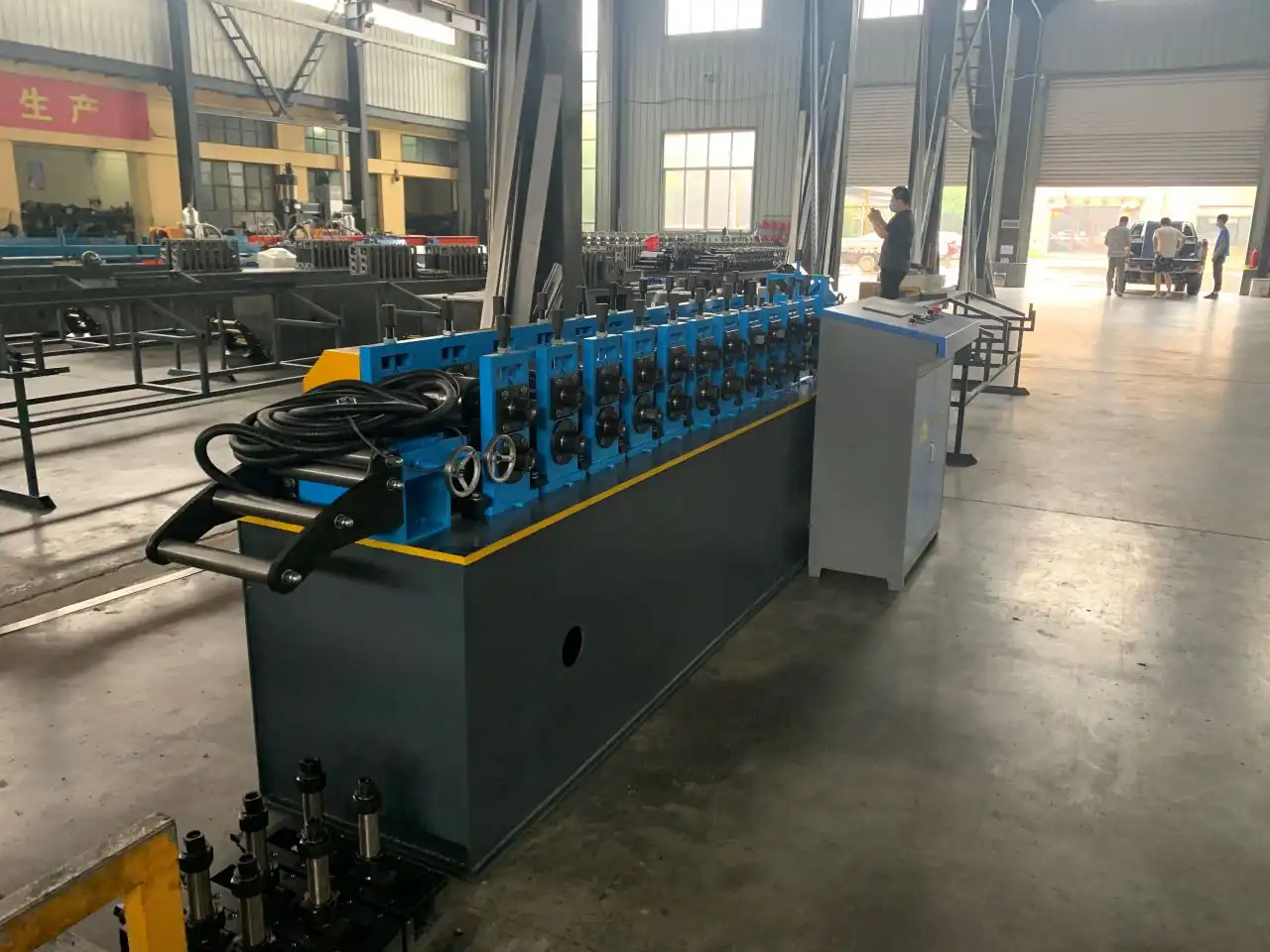
Developing an Effective Lubrication Schedule for Your Machine
A written plan keeps you safe during shift changes and takes away the need to guess. Based on the amount of work being done and the environment in which it is being done, I suggest splitting tasks into daily, weekly, and monthly intervals.
Daily Lubrication Checklist
Every day before starting the line, operators should do these checks for five minutes:
- Inspect chain drive tension and apply chain oil to the full length of each drive chain.
- Check forming roll shaft collars for dry spots or rust staining.
- Confirm the central lubrication reservoir (if fitted) is at the correct level.
These quick checks find problems early on, before they worsen and make it impossible to accurately measure your C or Z purlins.
Weekly Lubrication Tasks
A more thorough service is worth it once a week, when the machine is completely turned off and locked out:
- Re-grease all exposed bearing housings using a hand-operated grease gun (two to three pumps per fitting).
- Wipe down roll surfaces and apply PTFE spray to prevent zinc pickup from galvanized coils.
- Check gearbox oil level through the sight glass and top up with ISO VG 220 if needed.
Monthly and Seasonal Service Points
If the line works two or three shifts a day, the engine oil sample should be analyzed every month as part of the service. When you're done cleaning the chain with a solvent wipe, put on new chain oil. Before winter, switch to a lower-viscosity gear oil (ISO VG 150) in cold places to make sure the servo motor main drive has smooth start-up power.
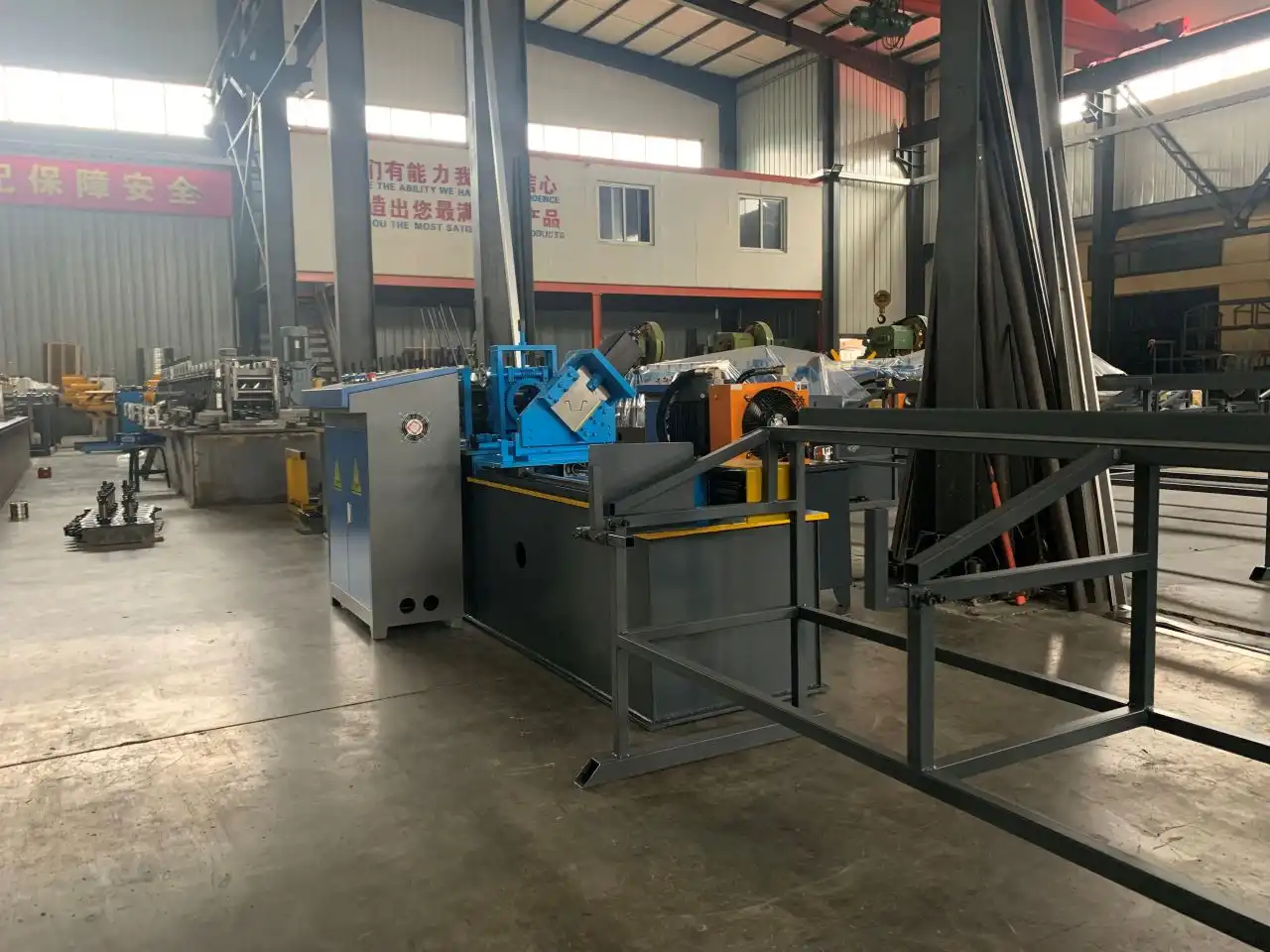
Troubleshooting Common Lubrication-Related Issues
Problems can happen even when you have a good plan. If you know what to look for, you can avoid hours of unplanned downtime.
Abnormal Noise and Vibration
Most of the time, dry bearings or dirty grease are to blame when the forming head makes a grinding or squealing sound. Stop the line, find the bearing housing that is making noise, and clean out the old grease before repacking. Ignoring this for even one shift can damage the surface of the GCr15 shaft, which will cost a lot to fix.
Overheating in Gearbox or Chain Drive
On the furring channel roll forming machine, if the temperature of the gearbox case goes above 70°C while it is working normally, the oil amount is probably too low or the oil has broken down. Gear oil that has been contaminated by water looks milky. This is a common problem in shops that are close to loading docks. Instead of adding to oil that has already been broken down, drain and replace it right away.
Uneven Wear and Profile Dimension Drift
When the height of the purlin web or the angle of the flange starts to move out of range (height range: 40–100 mm on adjustable-size lines), worn forming rolls are usually the first thing that is found to be wrong. Before you change the tools, check to see if the uneven lube on the roll train made one side wear out faster than the others. To make sure, just measure the diameter of the roll three times along each shaft and compare the results.
Optimizing Machine Performance Through Lubrication Best Practices
Good greasing practice doesn't just keep things from breaking; it also directly improves the quality and speed of production.
Manual vs. Automatic Lubrication Systems
For smaller businesses that only have one shift a day, cleaning by hand works fine. An automatic centralized lubrication system, like a Lincoln or SKF single-line progressive system, pays for itself in six to twelve months by cutting down on bearing repairs and unexpected stops for fabricators who work two or three shifts to make portal-frame purlins. At set times, these systems give doses that have been measured out without stopping the line.
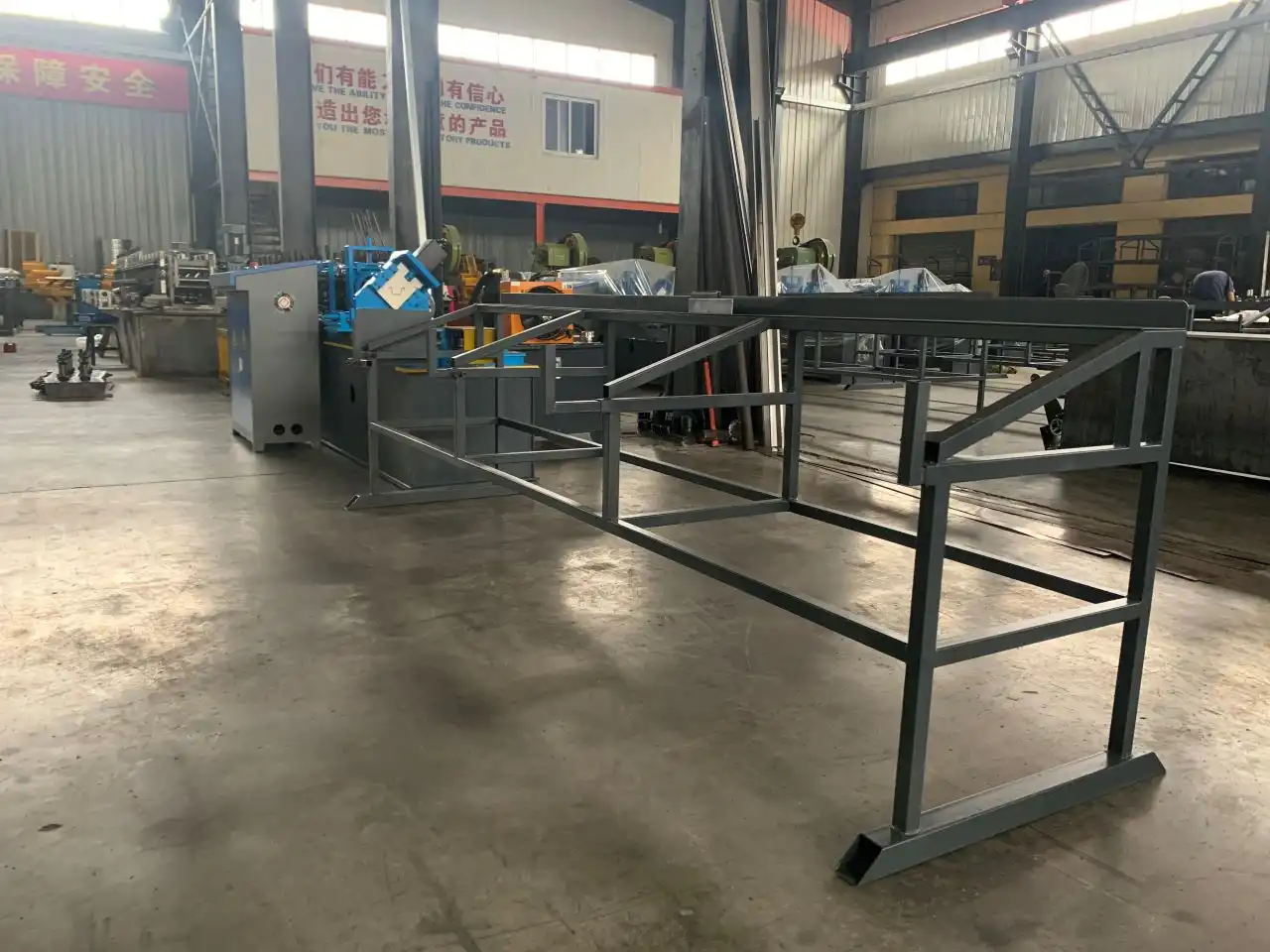
Preserving Galvanized Coating Quality
People often forget to think about how lubricants affect coil surfaces that have already been galvanized. Too much oil on the making rolls gets on the steel strip and makes it difficult to paint or contaminates threaded connections. This problem can be easily fixed by spraying PTFE dry-film on roll surfaces instead of wet oil. This keeps the zinc-aluminum layers intact during the whole making process.
Integrating Lubrication into Your Maintenance Plan
A furring channel roll forming machine equipped with Siemens cloud IoT and AI remote tracking, like those from ZTRFM, can record real-time data on the temperature and vibration of the bearings. This can help find lubrication problems before they cause the machine to stop. When you combine sensor data with a written lubrication log, you have a traceable maintenance record that meets ISO 9001 audit requirements and supports warranty claims.
Selecting the Right Lubrication Solution for Your Machine
Choosing lubricants is not just a technical decision; it also involves procurement economics.
Evaluating Lubricant Brands for Industrial Roll Forming
In the US, brands like Shell Tellus (for hydraulics), Mobil SHC (for gear oil), and SKF LGWA 2 (for bearing grease) are easy to find and come with full technical data sheets. It has been tested to see if each product works with GCr15 steel and common seal materials found in roll forming machine bearing housings.
Customizing Schedules to Machine Specifications
A machine that makes 1.0 mm light-gauge galvanised furring channels needs less frequent active lubrication than a machine that works at full line speed on 3.5 mm structural galvanised steel. Change the grease amount and frequency in a way that makes sense. As a general rule, the number of times you need to re-grease should go up by 20% for every 0.5 mm increase in material thickness above 2.0 mm.
Cost Considerations for B2B Procurement Teams
Most of the time, buying lubricants in 20-liter containers instead of small store packs will save you 30–40% per litre. When looking for a furring channel roll forming machine supplier, make sure to ask if the company includes a first-fill lubricant kit and a recommended lubricant specification sheet. ZTRFM includes both with every machine shipment, which makes it easier for new operators to get the machine up and running.
Conclusion
On any furring channel roll forming machine, purlin or channel making line, the most cost-effective way to keep it in good shape is to lubricate it regularly. Your servo-driven, computer-controlled C/Z machine stays at its rated speed and makes channels within tight dimensional tolerances by following a structured schedule: daily chain and bearing checks, weekly greasing, and monthly gearbox service. If you start with this schedule and adjust it to fit your shift pattern and material gauge, your forming equipment will last for many years.
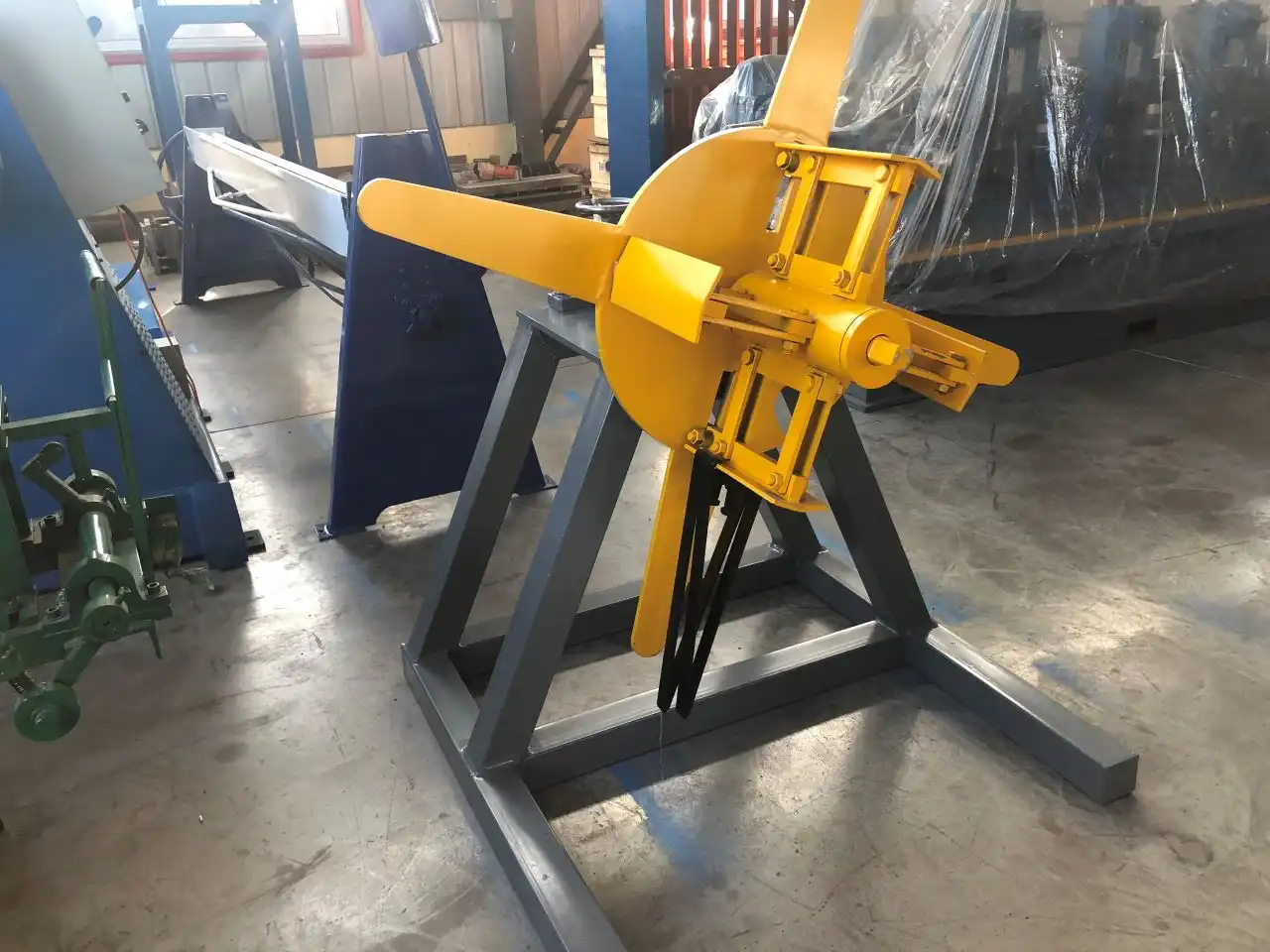
FAQ
Q1: How often should I grease the bearings on a purlin roll forming machine?
For a one-shift job, use NLGI #2 lithium-complex grease to grease the bearing housings once a week. If you work two or three shifts, you should work every three days. To keep sealed housings from building up pressure, always get rid of old grease before adding new stuff.
Q2: Can I use the same grease for bearings and chain drives?
No, chain drives need a special chain oil that has tackiness agents so that it can stick to the link pins when the motor spins. Standard bearing grease is too thick and can fly off the chains, leaving them without enough oil just minutes after starting up.
Q3: What happens if I over-grease a bearing?
It's dangerous to grease too much. By churning, extra grease raises the temperature inside the bearing, which wears down the lubricant and can blow out seals. For most roll forming bearing sizes, the standard is two to three pump strokes from a standard grease gun per fitting.
Q4: Does galvanized steel coil affect my lubrication schedule?
Yes, zinc dust from coated coils slowly mixes with wet lubricants on roll surfaces to make a rough paste. To keep zinc pickup from building up, wipe roll surfaces more often—at least every time the coils are changed—and use dry-film lubricants on touch surfaces instead of wet ones.
Get Your C/Z Purlin Machine Quote from ZTRFM Today
ZTRFM creates C/Z purlin and furring channel roll forming machines that are certified by ISO 9001, CE, and CAS. These machines have GCr15 shafts, servo motor main drives, and computer-controlled automatic operation. They can run at 15–22 m/min on galvanized steel. When we ship our tools, they come with a full lubricant standard kit. For specs and prices, email us at zhongtuorollforming@gmail.comif you're looking for a reliable furring channel roll forming machine manufacturer with references from more than 150 countries.
References
1. Tribology International — "Friction and Wear in Cold Roll Forming Processes," Elsevier, 2019.
2. Machinery Lubrication Magazine — "Bearing Lubrication Intervals for High-Speed Forming Equipment," Noria Corporation, 2021.
3. SKF Bearing Maintenance Handbook — SKF Group, 2020.
4. ISO 9001:2015 Quality Management Systems — Requirements — International Organization for Standardization, 2015.
5. Lincoln Industrial Lubrication Systems Engineering Guide — Lincoln Industrial, 2022.
6. Cold-Formed Steel Design Manual — American Iron and Steel Institute (AISI), 2020.