- English
- French
- German
- Portuguese
- Spanish
- Russian
- Japanese
- Korean
- Arabic
- Irish
- Greek
- Turkish
- Italian
- Danish
- Romanian
- Indonesian
- Czech
- Afrikaans
- Swedish
- Polish
- Basque
- Catalan
- Esperanto
- Hindi
- Lao
- Albanian
- Amharic
- Armenian
- Azerbaijani
- Belarusian
- Bengali
- Bosnian
- Bulgarian
- Cebuano
- Chichewa
- Corsican
- Croatian
- Dutch
- Estonian
- Filipino
- Finnish
- Frisian
- Galician
- Georgian
- Gujarati
- Haitian
- Hausa
- Hawaiian
- Hebrew
- Hmong
- Hungarian
- Icelandic
- Igbo
- Javanese
- Kannada
- Kazakh
- Khmer
- Kurdish
- Kyrgyz
- Latin
- Latvian
- Lithuanian
- Luxembou..
- Macedonian
- Malagasy
- Malay
- Malayalam
- Maltese
- Maori
- Marathi
- Mongolian
- Burmese
- Nepali
- Norwegian
- Pashto
- Persian
- Punjabi
- Serbian
- Sesotho
- Sinhala
- Slovak
- Slovenian
- Somali
- Samoan
- Scots Gaelic
- Shona
- Sindhi
- Sundanese
- Swahili
- Tajik
- Tamil
- Telugu
- Thai
- Ukrainian
- Urdu
- Uzbek
- Vietnamese
- Welsh
- Xhosa
- Yiddish
- Yoruba
- Zulu
Stud and Track Roll Forming Machine for High-Speed Production
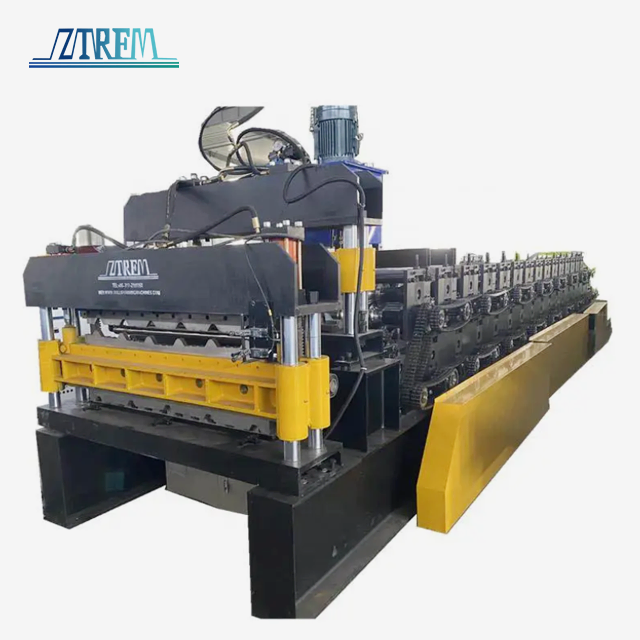
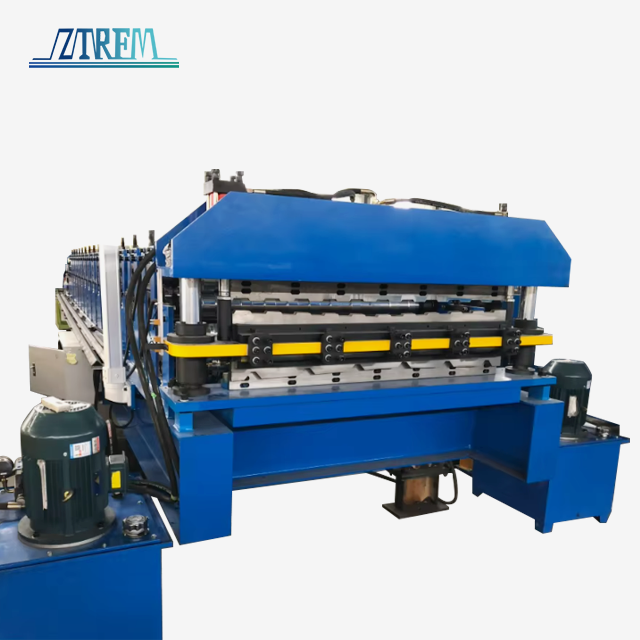
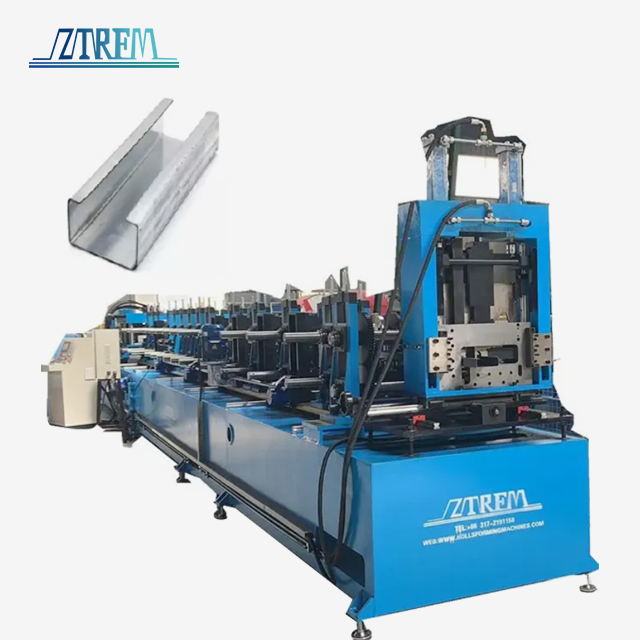
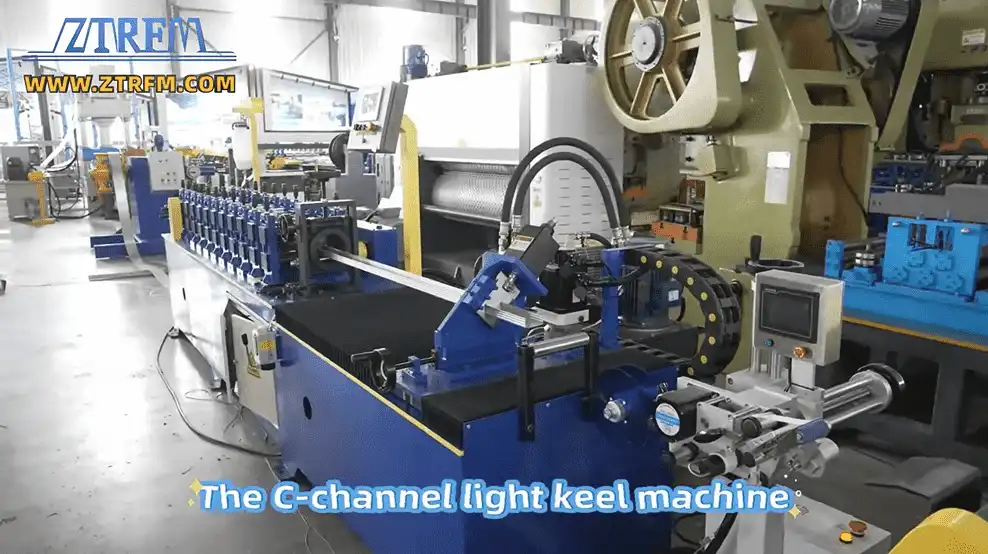
Having the right metal forming tools is very important when your building plan gets tight, and accuracy is a must. A stud and track roll forming machine takes galvanised steel coils and shapes them into the exact C-shaped studs and U-shaped tracks that are needed for modern plasterboard frame systems. Tight tolerances—often within ±0.5mm—are possible with these automatic production lines, which can go as fast as 8–10 meters per minute. This lets you meet tight project deadlines without losing structural integrity. If you know how these tools work and what they can do, you can make better purchasing decisions that have a direct effect on your bottom line, whether you're making parts for business office buildings, modular housing developments, or interior partition systems.
How Does a Stud and Track Roll Forming Machine Work?
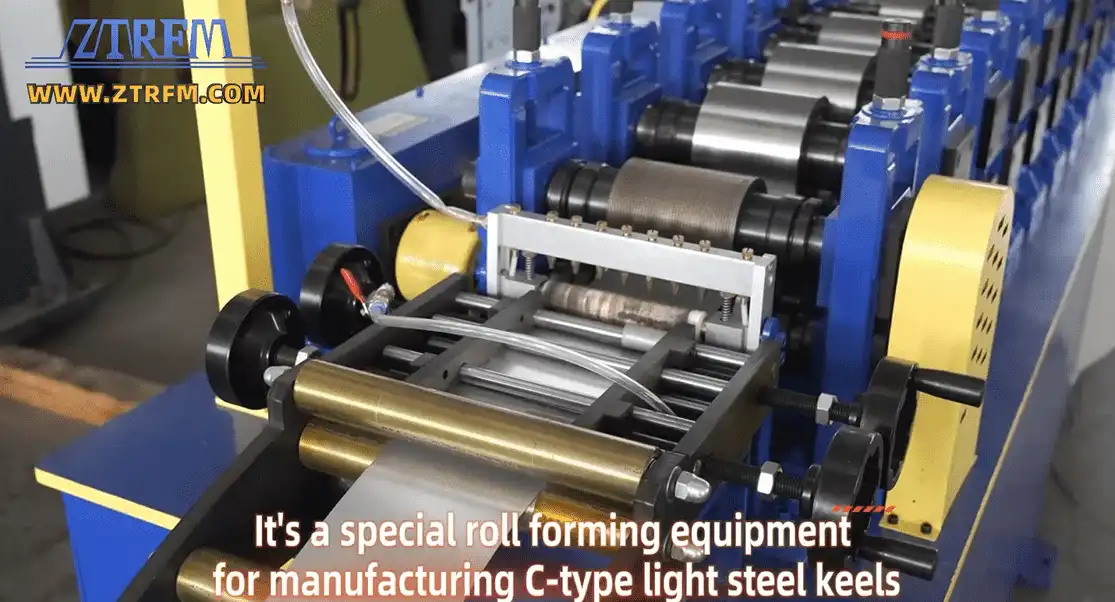
Feeding continuous steel strips through a set of perfectly matched roller stations is what metal stud and track forming is all about. Through controlled warping, each station bends the flat strip a little at a time until it has the finished profile shape.
Progressive Shaping Through Sequential Roller Stations
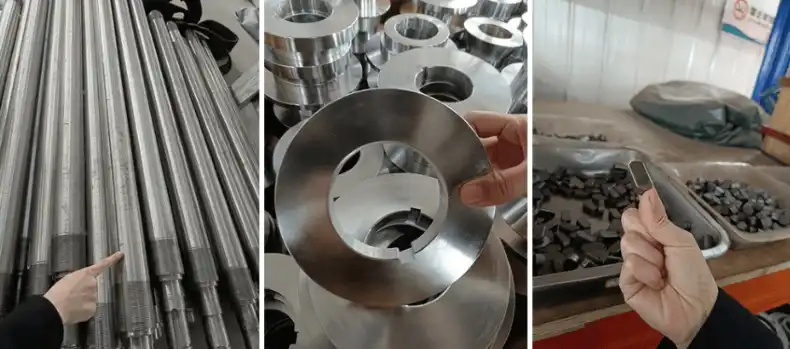
Along the production line, the machine has several sets of rollers. Each station bends the steel a little more than the last one as the material moves forward. This method keeps the profile from cracking or experiencing stress concentration, which would happen if you tried to make the whole thing in one step. Depending on the complexity of the profile and the thickness of the material, machines usually have 13 to 16 forming stations. The rollers are made from 45# high-grade steel that has been heat-treated. This makes sure that they won't wear down even after years of use.
Material Flow and Tension Control
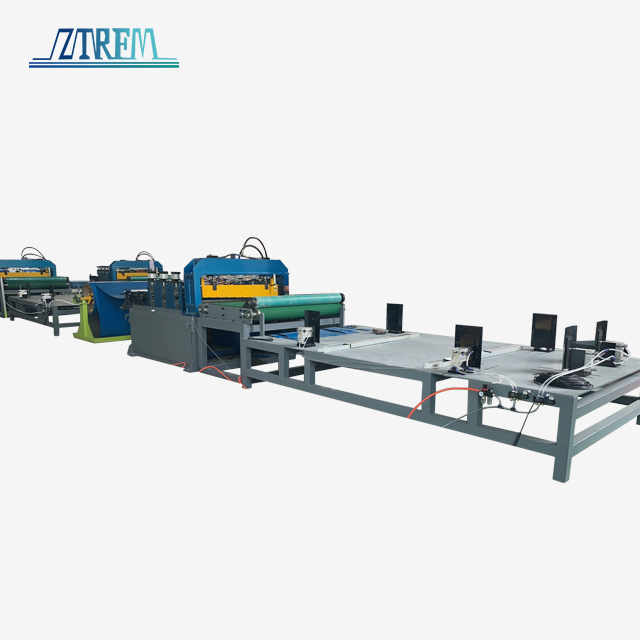
It is very important to keep the force constant during the making process. At the entry point, the decoiler holds coils that weigh up to 2.5 tonnes and slowly releases the material. Before the steel goes into the forming stations, a seven-axis automatic levelling machine gets rid of any leftover coil set, which is the natural shape that steel has after being wound. This preparation makes sure that the dimensions are correct further down the line and stops profiles from twisting or bowing, which is a frequent problem.
Automation and Control Systems
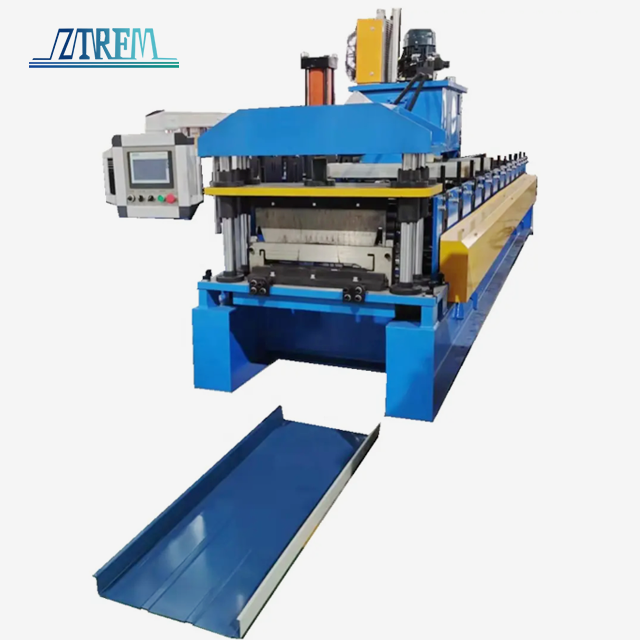
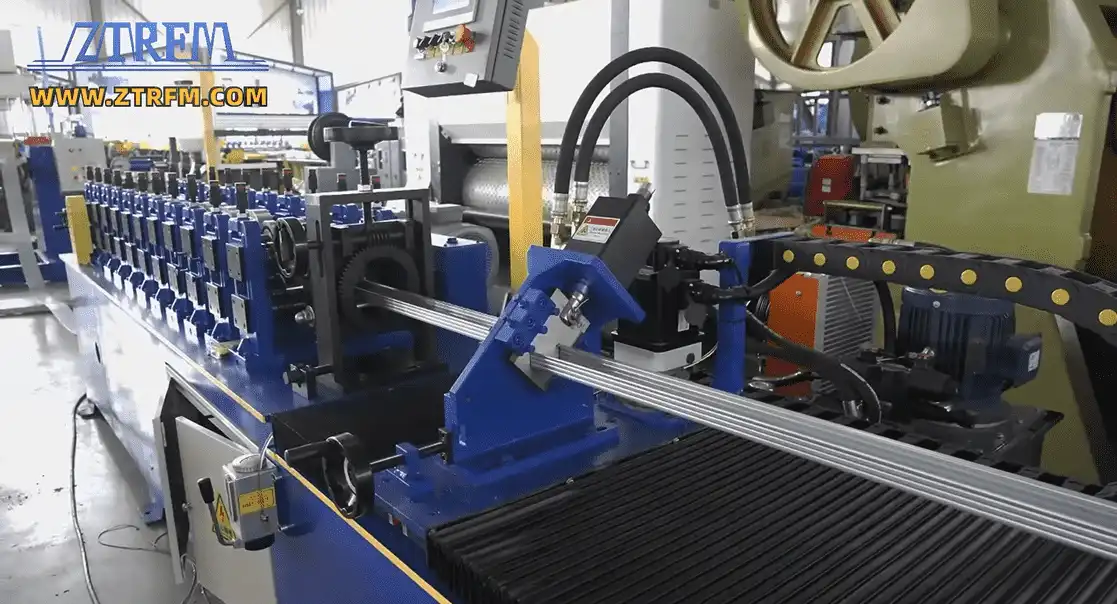
Modern PLC control systems use a central touchscreen to run the whole operation. When operators enter the length of the profile they want, the machine uses photoelectric encoders to automatically measure production. The shape is cut smoothly by a hydraulic cutting system with CR12 high-grade steel blades when the desired length is reached. The cross-section is not deformed. This automation gets rid of mistakes made by hand when measuring, and it lets even new workers get uniform results after just a little training.
The machines can work with metals from 22 gauge to 16 gauge, which is about 0.76mm to 1.6mm thick. Some heavy-duty types can even handle steel up to 1.2mm thick. Standard North American stud sizes are 3 inches, 3.5 inches, 3.625 inches, 4 inches, 5.5 inches, and 6 inches. Profile widths can be changed to make studs in these sizes, while flange heights are usually 1 inch, 1⅝ inches, or 2 inches. Because it is so flexible, one stud and track roll forming machine can handle many different types of products without the need to buy extra tools.
Key Benefits and Performance Metrics of High-Speed Roll Forming Machines
Continuous roll forming is better than manual fabrication or traditional stamping methods in terms of production efficiency, material utilisation, and quality consistency.
Enhanced Production Capacity and Speed
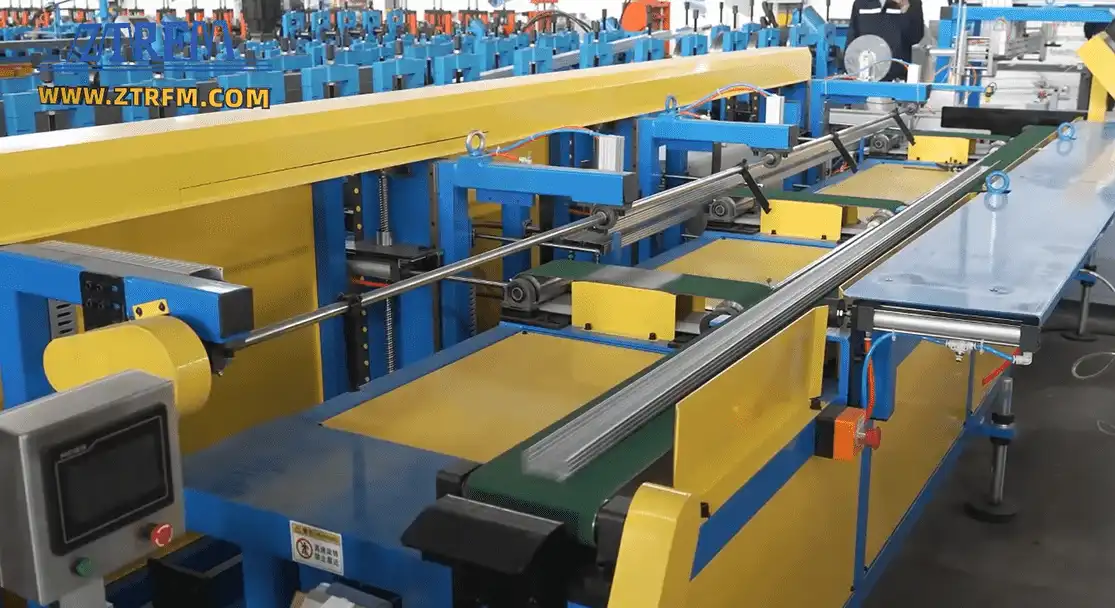
High-speed manufacturing lines may move 8–15 meters per minute, depending on material thickness and form complexity. Over an eight-hour shift, this produces 4,000–7,000 square meters of final product. Roll forming technology is employed by large construction enterprises since a manual press brake can only create 50 to 80 pieces per hour at significantly shorter lengths. Continuous production involves fewer breaks for transferring materials, saving labor and making output planning easier.
Precision and Quality Consistency
Accuracy in measurements affects job performance. Framers save time and tension when studs fit friction-tight into tracks without gaps or locking. Roll rolling maintains ±0.5 mm differences in web height, flange width, and lip dimensions. The sturdy machine frame, generally 300H high-grade steel, prevents vibrations from moving the machine. HRC 58–62 CR12 cutting blades cut cleanly without burrs or deformities. This ensures profiles stack neatly and flow readily into automated assembly equipment.
Material Waste Reduction and Cost Savings
Traditional stamping wastes a lot during blanking. In contrast, roll shaping employs continuous coils and wastes less than one metre per coil at the entry and exit locations. This speed saves 30% to 40% on materials, lowering your cost per unit compared to pressing. Many lines utilize hydraulic punching equipment to make plumbing and electrical conduit service holes during construction. This reduces time-consuming and costly tasks.
Energy Efficiency and Operating Cost Control
Modern machines use 7.5kW primary motors and 11kW total power consumption. Low energy use and friction-reducing chain-drive gearbox technologies keep company costs low. Well-designed roll forming lines utilize less energy than hydraulic presses. This can save thousands in power bills over a year of consistent output. These operating economics assist in justifying the original equipment investment when calculating the total cost of ownership over a typical 10- to 15-year machine lifespan.
Light steel structure producers struggle with manufacturing capacity, forming quality, and cost management, but these performance qualities help. Automation reduces the demand for skilled labor, which helps the U.S. manufacturing sector recruit personnel.
Maintenance, Troubleshooting, and Safety Best Practices
Whether you can keep your delivery promises or have to pay a lot for production to stop depends on how reliable your equipment is. Systematic repair practices make machines last longer and reduce the amount of unexpected downtime that happens.
Routine Maintenance Schedules
Lubrication is the most important preventative measure. Every 40 hours of use, chain drives need to be checked and oiled, while roller bearings need to be greased once a month. Pay close attention to the oil level and the condition of the filter in the hydraulic system. If the hydraulic fluid is dirty, it slows down the cutting action and wears out the cylinders faster than they should. By checking the position of the rollers every three months, you can stop the slow loss of dimension that only becomes apparent when customers complain. Keeping detailed maintenance logs can help you find patterns, like whether some roller stations wear out faster because of the thickness of the material or the shape of the profile.
Common Issues and Solutions
Most of the time, material jams on the stud and track roll forming machine happen when the ends of the coil are rough or when the tension settings are wrong. Most feeding problems can be fixed by checking arriving coils for edge damage and changing entry guides. Profile twisting is generally a sign of rollers that aren't lined up right or uneven wear on the rollers. This problem can be fixed by measuring the roller lengths and making sure they are parallel. Electrical problems are often caused by connections that aren't tight enough in the PLC cabinet. Vibrations slowly loosen the terminal pins, which makes sensor data go out of sync. Unusual behaviour in the control system can be stopped by tightening all electrical connections during regular maintenance every three months.
Operator Safety and Compliance
Along the whole length of the machine, emergency stop buttons should be placed where they are easy to reach. Modern tools have safety interlocks that stop rollers from working when guards are open. This keeps workers from getting pinched. In order to meet U.S. OSHA standards, machines must be properly guarded, maintenance must follow lockout/tagout processes, and noise levels must be monitored. Roll forming operations usually make 75 to 85 decibels of noise, which may require hearing protection based on how the facility is set up. Full training for operators that includes both normal operation and emergency procedures lowers the risk of accidents and makes sure that safety rules are followed at work.
How to Choose the Right Stud and Track Roll Forming Machine for Your Business?
By matching the capabilities of your tools to your production needs, you can avoid both under-capacity bottlenecks and spending too much on features that aren't needed.
Assessing Production Volume Requirements
Use project streams and market predictions to figure out how many square meters you will need each year. A company that wants to make 2 million linear meters a year needs different tools than one that wants to make 500,000 linear meters a year. For lower volumes and tight budgets, machines with manual decoilers and simpler control systems work best. On the other hand, hydraulic decoilers with automatic coil loading are worth the extra cost when production runs nonstop across multiple shifts. If you know how much capacity you really need, you won't have to buy equipment that you won't use or that causes delivery delays that make customers angry.
Evaluating Automation and Flexibility
Profile variety has a big effect on choosing the right tools. Fixed-width machines are better for businesses that only make one or two common sizes because they cost less and are easier to set up. Manufacturers that sell to a wide range of customers need to be able to switch between products quickly. Roller systems that work like cassettes can change the width of a product in 15 to 30 minutes, instead of several hours. Integrated cutting systems are useful if your profiles need service holes, but they cost 20% to 30% more to buy at first. To find the right balance between automation and complexity, you need to be honest about your operational capabilities and the skill levels of your workforce.
Supplier Reliability and Support Infrastructure
Many buyers don't realise how important it is to be close to expert help at first. When something breaks down, a seller with service techs in North America can fix it in days instead of weeks. Checking to see if new parts are stored in the United States or shipped from other countries can change your stocking strategy and the chance of downtime. ISO9001 and CE certifications show that quality management is being done in a planned way, and customer examples show how well the product works in real life and help with response. Companies like Cangzhou Zhongtuo, which has been in business for over ten years and has delivered goods to more than 150 countries, are reliable enough for large-scale projects.
Investment Models and Pricing Considerations
Prices for brand-new machines usually run from $25,000 for simple models that are fed by hand to $80,000 for fully automated lines that include drilling. You can save 40% to 60% on used equipment, but it has older control systems and is more likely to need repairs. Leasing costs are spread out over three to five years, which keeps working cash available for buying materials and growing the market. When you compare prices, make sure that they all include installation, user training, and the first set of spare parts. These extras usually add 10 to 15 percent to the cost of the equipment itself. A comparison of the initial purchase price alone is not as clear as a comparison of the total cost of ownership over the expected life of the equipment.
Future Trends and Automation in Stud and Track Roll Forming Machines
Digital technologies are being used in the metal forming business to change how tools work and how they connect to larger manufacturing systems.
Industry 4.0 Integration and Smart Manufacturing
IoT-enabled tools send production data to cloud-based dashboards in real time. This lets production managers check on quality measures, output, and material use from anywhere. Predictive maintenance programs look at patterns of sound and motor current draw to find problems before they break. Recent studies in the industry show that switching from reactive to predictive maintenance cuts unplanned downtime by 30% to 50%. Smart sensors also allow for automatic quality checks. Laser measurement systems constantly check the dimensions of profiles and quickly notify workers when tolerances change, stopping the production of material that doesn't meet standards.
Modular Design and Rapid Changeover
Modular roller boxes that slide in and out on precision lines are used in machines of the next generation. This design makes it easy to replace rollers when they wear out and lets you change the width in less than 10 minutes. Some companies are working on totally programmable servo-driven systems that will get rid of all mechanical adjustments. Instead of changing the hardware, software settings will change the profile measurements. At the moment, these high-tech systems are very expensive, but more and more people will buy them as labour costs rise and production freedom becomes more important.
Preparing for Technology Upgrades
When facilities plan to buy a stud and track roll forming machine, they should think about what kind of electrical infrastructure they will need for future automation additions. Making sure there is enough network access, climate-controlled PLC enclosures, and room for extra systems makes it easier to make changes in the future without having to pay a lot of money for upgrading. It's often easier to start with mid-level automation and add features gradually than to try full automation right away, especially for businesses that don't have a lot of expert staff. As technology changes, protecting your investment by working with sellers who offer ways to improve is important.
Conclusion
To choose the right metal forming tools, you have to weigh the short-term production needs against the long-term working goals. A high-speed stud and track roll forming machine gives modern construction the accuracy, speed, and consistency it needs. The technology can work with materials ranging in thickness from 22 gauge to 16 gauge, make curves in a number of standard sizes, and keep measurements accurate to within ±0.5 mm even when going 8–10 meters per minute. Knowing how these systems work, noticing how they perform better, following the right maintenance steps, and carefully reviewing providers will help your business meet the needs of a growing market while keeping costs low.
FAQ
Q1: What is the typical lifespan of a stud and track roll forming machine?
Equipment that is well taken care of will work reliably for 15 to 20 years. The base of the machine will last forever, but the rollers need to be replaced every 5 to 7 years, depending on how much is being made and how rough the material is. Regular checks for greasing and adjustment greatly increase the life of parts. After 10 years, electrical parts and control systems may need to be updated because technology changes and new parts become harder to find.
Q2: Can the machine handle different material types beyond galvanized steel?
Most machines can work with both hot-rolled and galvanised steel without any changes. In some processes, pre-painted steel is also made, but the paint systems must be able to handle the bending forces without cracking. To keep them from galling, aluminium and stainless steel need different roller stiffness and surface treatments. Talking to manufacturers about material specs during the quotation process makes sure that everything works together and stops production problems.
Q3: How does automation affect workforce requirements?
Automated systems make repair workers who know how to work with hydraulic, electrical, and mechanical systems more important while lowering the level of skill needed for common tasks. One operator usually watches over output and changes the coils on a fully automated line, while three or four workers are needed for manual or semi-automatic equipment. Operators learn how to do simple tasks during two- to three-day training classes.
Partner With ZTRFM for Your Metal Forming Needs
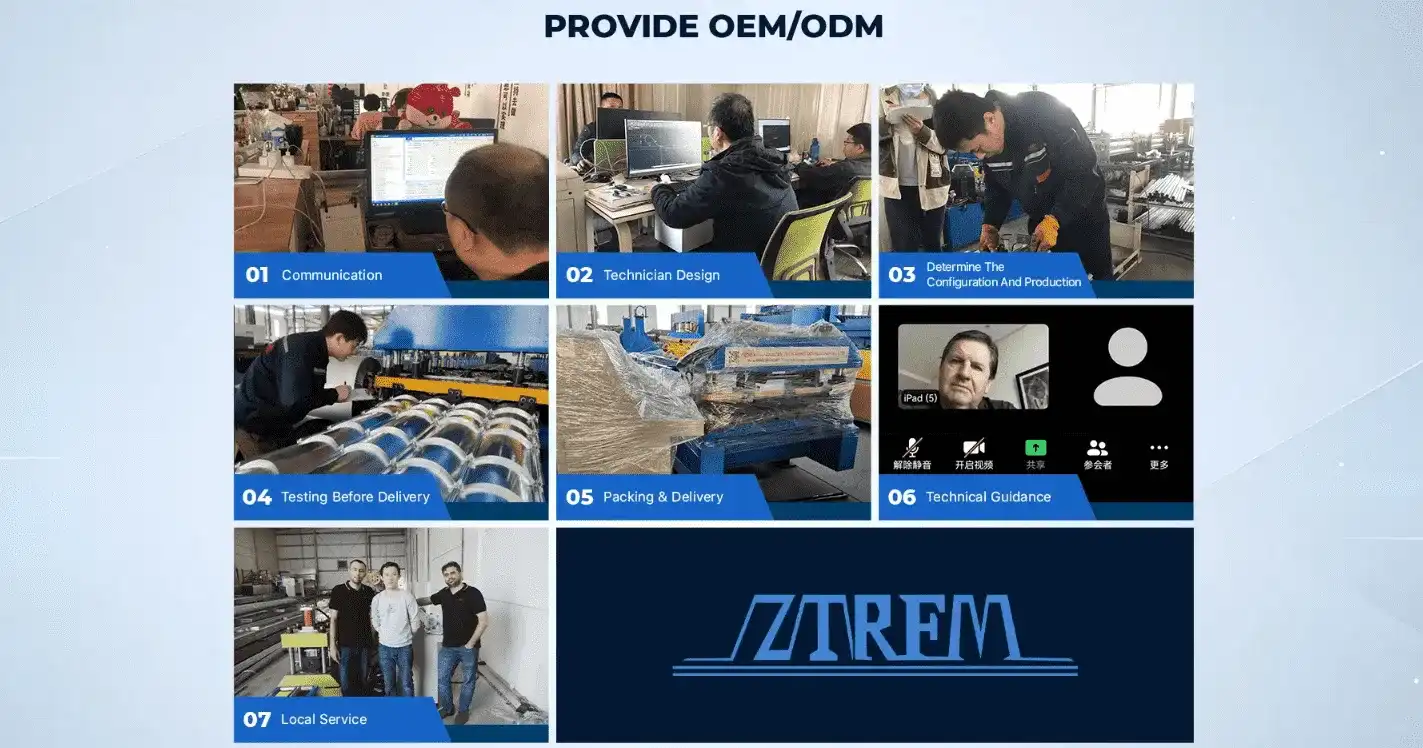
ZTRFM makes stud and track roll forming machine systems that are precisely designed and come with ISO9001, CE, and CAS certifications. Our machinery can work with profile widths of 3 inches to 6 inches and material thicknesses ranging from 22 gauge to 16 gauge. It can keep tolerances of ±0.5mm even at speeds of 8 to 10 meters per minute. As a national high-tech company that has delivered to more than 150 countries since 2014, we offer full help, from the original consultation to installation, training, and ongoing technical support. Email zhongtuorollforming@gmail.com to talk to our tech team about your production needs. Metal structure makers trust our knowledge and dependability, whether they need a full solution or a solution that is made just for them.
References
1. Chen, X., & Liu, Y. (2021). Advanced Roll Forming Technology and Applications in Light Steel Construction. Beijing: China Machine Press.
2. Halmos, G. T. (2020). Roll Forming Handbook (2nd ed.). Boca Raton, FL: CRC Press.
3. American Iron and Steel Institute. (2019). Cold-Formed Steel Framing Design Guide (3rd ed.). Washington, DC: AISI.
4. European Committee for Standardization. (2018). EN 14195: Metal Studs and Track for Gypsum Plasterboard Systems. Brussels: CEN.
5. Smith, J. R., & Anderson, P. M. (2022). Manufacturing efficiency in metal forming: A comparative analysis of roll forming versus stamping. Journal of Manufacturing Processes, 74, 112-128.
6. National Institute of Standards and Technology. (2020). Dimensional Measurement and Tolerance Standards for Cold-Formed Steel Components. Gaithersburg, MD: NIST Technical Report 1925.