- English
- French
- German
- Portuguese
- Spanish
- Russian
- Japanese
- Korean
- Arabic
- Irish
- Greek
- Turkish
- Italian
- Danish
- Romanian
- Indonesian
- Czech
- Afrikaans
- Swedish
- Polish
- Basque
- Catalan
- Esperanto
- Hindi
- Lao
- Albanian
- Amharic
- Armenian
- Azerbaijani
- Belarusian
- Bengali
- Bosnian
- Bulgarian
- Cebuano
- Chichewa
- Corsican
- Croatian
- Dutch
- Estonian
- Filipino
- Finnish
- Frisian
- Galician
- Georgian
- Gujarati
- Haitian
- Hausa
- Hawaiian
- Hebrew
- Hmong
- Hungarian
- Icelandic
- Igbo
- Javanese
- Kannada
- Kazakh
- Khmer
- Kurdish
- Kyrgyz
- Latin
- Latvian
- Lithuanian
- Luxembou..
- Macedonian
- Malagasy
- Malay
- Malayalam
- Maltese
- Maori
- Marathi
- Mongolian
- Burmese
- Nepali
- Norwegian
- Pashto
- Persian
- Punjabi
- Serbian
- Sesotho
- Sinhala
- Slovak
- Slovenian
- Somali
- Samoan
- Scots Gaelic
- Shona
- Sindhi
- Sundanese
- Swahili
- Tajik
- Tamil
- Telugu
- Thai
- Ukrainian
- Urdu
- Uzbek
- Vietnamese
- Welsh
- Xhosa
- Yiddish
- Yoruba
- Zulu
Pbr Roll Former vs Corrugated Roll Former: Key Differences
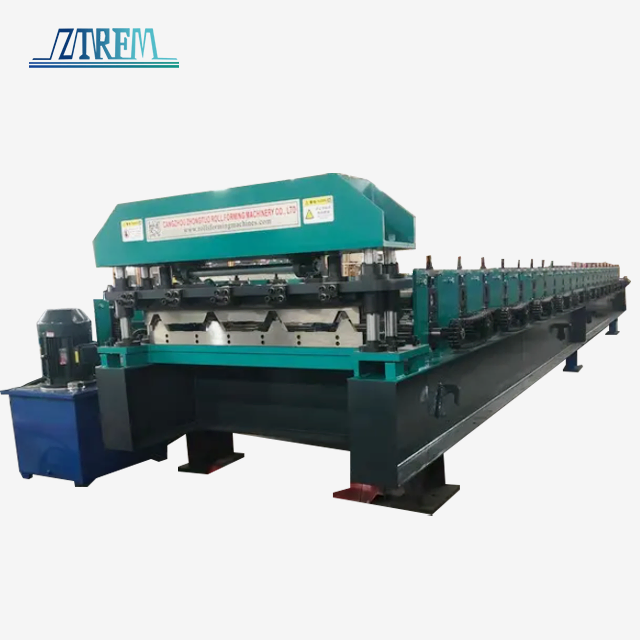
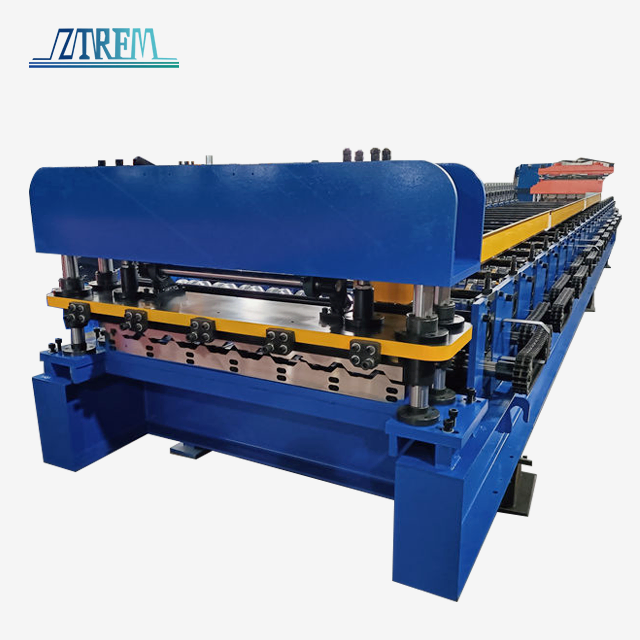
Choosing between a PBR roll former and a corrugated roll former depends entirely on your production goals. The primary distinction lies in panel profile design: PBR systems create narrow-rib exposed fastener panels with vertical legs, delivering superior water shedding and structural strength. Corrugated equipment produces traditional wave-pattern sheets ideal for agricultural and industrial applications. Understanding these functional differences helps you select equipment that matches your operational requirements, material specifications, and target market demands.
Understanding the Core Profile Differences
The fundamental variance between these two roll-forming systems centres on the finished panel geometry and intended application.
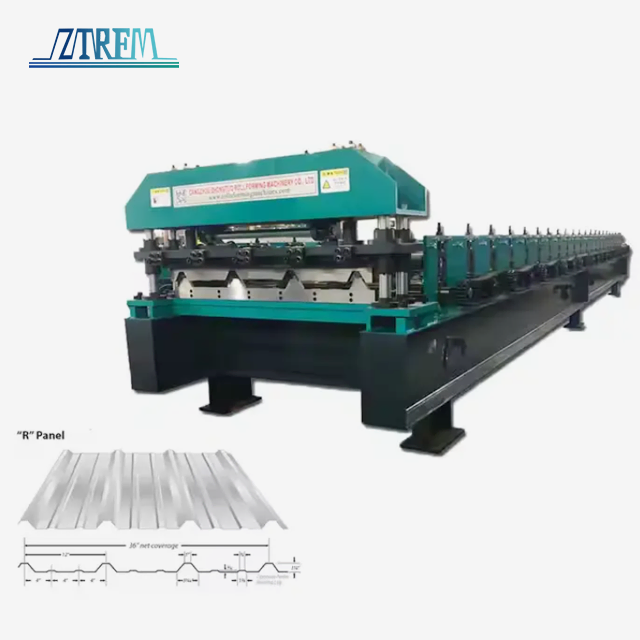
PBR (Purlin Bearing Rib) panels feature distinct vertical legs with flat pans between ribs. This configuration allows panels to bear directly on purlins, creating excellent load distribution. The profile typically includes:
- Vertical ribs ranging from 25mm to 38mm in height
- Flat pan widths between 150 mm and 200 mm
- Reinforced leg design for enhanced structural integrity
Corrugated panels display continuous sinusoidal waves across the entire sheet width. This wave pattern provides:
- Uniform arc profiles with consistent pitch spacing
- Wave heights typically between 18 mm and 25 mm
- Broader coverage widths due to repetitive wave design
Three Core Manufacturing Distinctions:
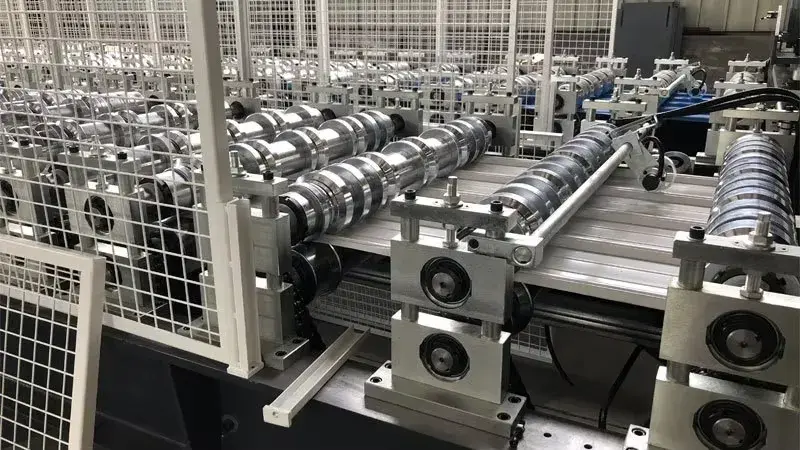
- Roller station configuration – PBR systems require 19-22 forming stations to create sharp vertical transitions, while corrugated lines use 12-16 stations for gradual wave formation
- Forming pressure distribution – PBR equipment concentrates pressure at bend points; corrugated machines apply even pressure across the material width.
- Material flow management – PBR forming demands precise control to prevent leg distortion; corrugated forming allows more material flexibility during the roll forming process
If you need panels for commercial roofing systems requiring superior drainage and structural support, PBR equipment delivers measurable advantages. Conversely, agricultural building projects benefit from corrugated machinery's faster production speeds and simpler maintenance requirements.

Material Thickness and Handling Capabilities
Material gauge compatibility significantly impacts equipment selection and production economics.
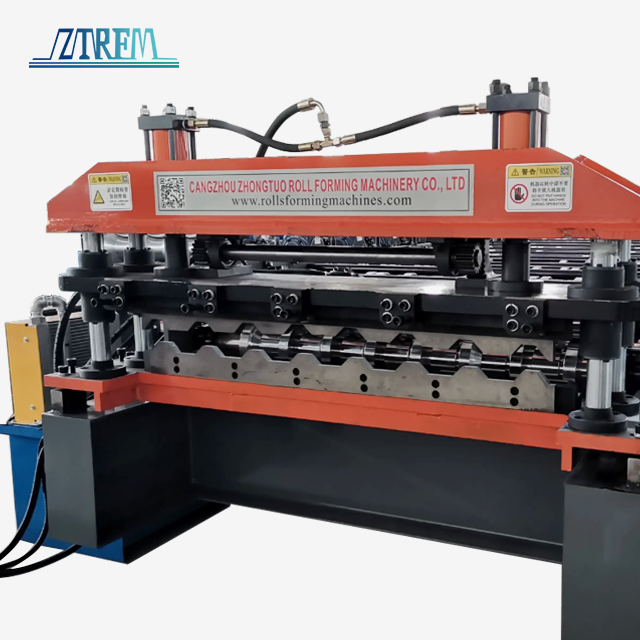
PBR roll former specifications at ZTRFM typically accommodate the following:
- Optimal range: 24-26 gauge (0.45mm-0.60mm)
- Extended capacity: 22-28 gauge with roller adjustment
- Material types: Pre-painted steel, galvanised steel, aluminium alloys
Our testing data shows that 24-gauge pre-painted steel on PBR equipment maintains dimensional accuracy within ±0.3 mm across 12-metre panel lengths. The 80mm solid shaft diameter provides the rigidity needed to prevent deflection during high-speed forming operations.
Corrugated roll former capabilities generally include:
- Standard range: 26-30 gauge (0.35mm-0.50mm)
- Material flexibility: Handles thinner gauges more effectively
- Substrate options: Galvanised sheets, polymer-coated steel, fibre-reinforced composites
The heavier material handling requirements of PBR systems demand robust construction, including a PBR roll former. Building roofing system manufacturers processing 24-gauge coloured steel tiles benefit from equipment featuring the following:
- High-grade 45# forged steel rollers with hard chrome plating
- 350mm H-beam structure with 20mm welded steel middle support plates
- Gear and double-chain transmission for consistent torque delivery
If you need equipment for lightweight agricultural roofing using 28-gauge material, corrugated machinery offers lower capital investment. However, architectural metal roofing projects requiring 24-gauge painted steel panels necessitate PBR equipment's enhanced structural capacity.
Forming Speed and Production Efficiency Comparison
Production throughput directly affects your manufacturing cost per square metre and order fulfilment capacity.
PBR roll former production metrics:
- Operating speeds: 8-12 metres per minute (standard configuration)
- Panel output: 480-720 metres per 8-hour shift
- Changeover time: 45-60 minutes for profile width adjustments
Real operational data from light steel structure manufacturers indicates that PBR equipment maintains forming quality at 10 metres per minute with scrap rates below 1.2%. The precision required for vertical leg formation limits maximum safe speeds compared to corrugated systems.
Corrugated roll former performance:
- Operating speeds: 12-18 metres per minute
- Panel output: 720-1,080 meters per shift
- Changeover time: 20-30 minutes for wave pattern modifications
The simpler geometry of corrugated profiles permits faster material flow through forming stations. However, appearance quality requirements remain stringent—our equipment maintains wave consistency within ±0.5 mm across production runs exceeding 50,000 metres.
Speed optimisation factors affecting both systems:
- Material feeding consistency – Automated uncoilers with tension control increase effective speeds by 15-20%
- Cutting system responsiveness – Servo-driven hydraulic shears reduce cycle pause time by 3-5 seconds per cut
- Roller surface condition – Hard chrome plating on Cr12MoV steel rollers maintains surface friction characteristics across 500,000+ metre production cycles.
Composite sandwich panel manufacturers requiring high-volume output find corrugated equipment better matches their throughput needs. Conversely, custom architectural projects demanding precise PBR profiles accept slower speeds for superior dimensional control.
If you need to balance production volume with forming precision, evaluate your typical order quantities. High-volume standardised production favours corrugated systems, while custom commercial roofing projects justify PBR equipment investment.
Automation Integration and Changeover Flexibility
Modern manufacturing demands rapid adaptation to varying customer specifications without sacrificing quality.
PBR roll former automation capabilities:
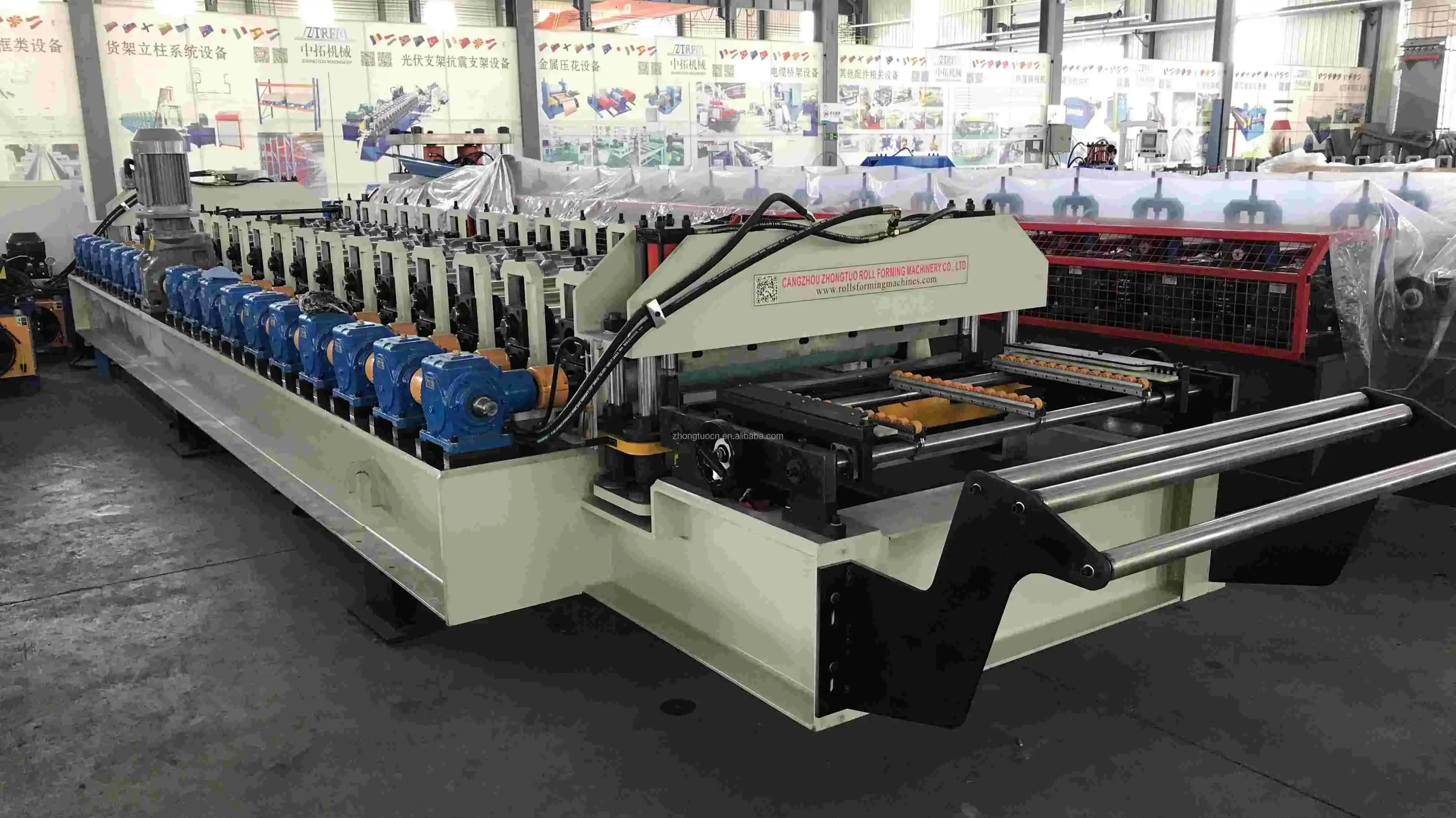
ZTRFM PBR equipment incorporates PLC-controlled systems managing:
- Automatic length measurement with servo-driven cutting
- Profile width adjustment through synchronised roller positioning
- Real-time forming pressure monitoring across all 19 stations
The automatic cutting system uses Cr12MoV material blades and a PBR roll former that deliver clean edges without scratches or deformation across 100,000+ cut cycles. This automation reduces labour requirements while maintaining consistent panel quality.
Metal structure manufacturers producing varied support profiles benefit from integrated punching and drilling stations. Our multi-station solutions combine:
- Online servo cutting synchronised with forming speed
- Pre-punching capability for fastener holes with ±0.5mm positional accuracy
- Automated stacking systems reduce manual handling
Corrugated roll former changeover advantages:
The simpler roller configuration enables faster profile modifications. International engineering companies deploying equipment across multiple project sites value:
- Tool-free roller adjustment systems
- Standardised components reduce spare parts inventory
- Simplified maintenance protocols suitable for operators with basic technical training
Our testing demonstrates that experienced operators complete corrugated profile changeovers in an average time of 22 minutes, compared to 52 minutes for equivalent PBR profile modifications.
Automation investment considerations:
- Startup manufacturers with limited technical capabilities should prioritise equipment with comprehensive training programmes and intuitive controls.
- High-mix production environments requiring frequent changeovers gain measurable value from quick-adjustment systems.
- Volume producers benefit most from fully automated material handling, reducing labour costs per unit.
If you need equipment supporting diverse product specifications with minimal downtime, evaluate changeover frequency against production run lengths. Projects with standardised specifications maximise corrugated equipment's speed advantages, while custom architectural applications justify PBR automation investment.

Investment Cost Analysis and Operating Economics
Equipment acquisition represents only one component of total ownership costs over a typical 10-15-year service life.
Initial capital investment ranges:
- PBR roll former systems: $45,000-$85,000 (depending on automation level and customisation)
- Corrugated roll former equipment: $35,000-$65,000 (comparable specification levels)
The higher PBR equipment cost reflects the following:
- Additional forming stations (19 vs. 14 average)
- Heavier structural components supporting thicker material processing
- More sophisticated control systems manage complex forming sequences
Operating cost differentials:
Component replacement and maintenance expenses vary significantly between systems:
- Roller refurbishment – PBR rollers handling 24-gauge steel require resurfacing every 400,000-500,000 meters; corrugated rollers processing 28-gauge material extend to 600,000-700,000 meters.
- Power consumption – PBR equipment draws 18-25 kW during operation; corrugated systems consume 12-18 kW at comparable speeds.
- Spare parts inventory – The greater complexity of PBR systems necessitates broader parts stocking
Small metal product manufacturers balancing investment costs against operating expenses should calculate the total cost of ownership across expected production volumes. Our analysis shows:
- PBR equipment reaches cost parity at production volumes exceeding 800,000 metres annually
- Corrugated systems offer lower total costs for operations below 600,000 metres per year
- Mid-range volumes (600,000-800,000 metres) require project-specific analysis considering material costs and selling prices
Global after-sales considerations:
ZTRFM's delivery experience across 150+ countries provides a valuable perspective on long-term support costs for the PBR roll former. Equipment deployed in regions with limited technical infrastructure benefits from:
- Simplified maintenance requirements, reducing reliance on specialised technicians
- Standardised components available through regional distribution networks
- Remote diagnostic capabilities minimise on-site service requirements
If you need to minimise upfront investment while maintaining production flexibility, corrugated equipment offers accessible entry points. However, commercial roofing system manufacturers serving premium markets find PBR equipment's superior panel performance justifies higher initial costs through improved product pricing and market positioning.
Application-Specific Selection Guidance
Matching equipment capabilities to your target market requirements prevents costly misalignment between production capacity and customer expectations.
Optimal PBR roll former applications:
Commercial and industrial projects are demanding:
- Standing seam appearance with exposed fastener economics
- Enhanced water shedding on low-slope roof installations (minimum 1:12 pitch)
- Structural panels bearing directly on purlins spaced 1.5-2 metres apart
- Architectural aesthetics with clean vertical line definition
Building roofing system manufacturers supplying commercial construction projects report that PBR panels command 18-25% price premiums over corrugated alternatives in architectural applications. The vertical rib design provides distinctive visual appeal while maintaining cost-effective installation methods.
Ideal corrugated roll former applications:
Agricultural, industrial, and utility projects prioritising:
- Maximum coverage area per panel (effective width 15-20% greater than PBR profiles)
- Traditional appearance meeting agricultural building aesthetic expectations
- Cost-sensitive applications where material and installation economics dominate
- Sidewall cladding and non-critical roofing installations
Testing data shows corrugated panels achieve adequate structural performance for agricultural buildings with purlin spacing up to 1.2 metres using 26-gauge material. The broader coverage width reduces fastener counts and installation labour costs by approximately 12-15% compared to narrower PBR panels.
Market positioning considerations:
Equipment selection should align with your strategic market positioning:
- Premium commercial markets – PBR capability establishes credibility with architects and commercial contractors expecting superior panel performance
- Agricultural and industrial segments – Corrugated production addresses the largest volume market segment in most regions.
- Diversified market approach – Manufacturers serving both segments may justify investment in both equipment types or versatile systems capable of producing multiple profiles
If you need equipment supporting expansion into commercial roofing markets, PBR capability provides competitive differentiation. Alternatively, manufacturers focused on high-volume agricultural and industrial markets maximise return on investment through optimised corrugated production systems.
Why ZTRFM Delivers Superior Roll Forming Solutions?
Selecting a PBR roll former manufacturer requires evaluating technical capabilities, support infrastructure, and long-term partnership value beyond initial equipment purchase.
ZTRFM's competitive advantages include:
- Proven engineering expertise – Since 2014, we've specialised in cold roll forming technology, accumulating deep knowledge in metal profile forming across diverse applications. Our national high-tech enterprise designation reflects continuous innovation in roll forming equipment design and automated roll forming systems.
- Comprehensive quality certifications – ISO 9001, CE, and CAS certifications demonstrate adherence to international manufacturing standards. These credentials provide procurement confidence for international engineering companies requiring documented supplier qualifications.
- Global delivery infrastructure - Experience supplying equipment to 150+ countries establishes our capability for international logistics, customs documentation, and regional compliance requirements. This proven track record reduces deployment risks for EPC companies managing multi-country projects.
- Customisation capabilities – OEM and ODM services enable equipment tailored to specific production requirements. Whether you need specialised roller configurations, integrated punching stations, or custom automation sequences, our engineering team develops solutions matching your operational needs.
- Complete supply chain integration – One-stop services providing raw materials, machines, and accessories simplify vendor management. This integrated approach reduces procurement complexity while ensuring component compatibility and consistent quality standards.
- Technical support infrastructure – Comprehensive training programmes and technical guidance address the specific needs of startups and manufacturers with limited roll forming experience. Our support extends beyond initial installation to include ongoing process optimisation and troubleshooting assistance.
- Advanced manufacturing standards – Equipment specifications, including high-grade 45# forged steel rollers, hard chrome plating, and robust H-beam construction, reflect our commitment to durability and precision. These quality elements directly impact your production consistency and maintenance costs.
- Responsive customisation – Our engineering team collaborates closely with customers to develop roll forming line configurations optimised for specific panel profiles, material types, and production volumes. This consultative approach ensures equipment matches actual operational requirements rather than generic specifications.
- Long-term parts availability – Established spare parts programmes guarantee component availability throughout equipment service life. This commitment protects your investment by preventing extended downtime due to parts obsolescence.
- Innovation focus – Continuous development of roll forming technology keeps our equipment aligned with evolving industry requirements. Recent advances include servo-driven cutting systems, automated profile changeover mechanisms, and enhanced control systems improving operator efficiency.
Understanding these differentiators helps you evaluate suppliers based on total value rather than initial price alone, such as the PBR roll former. The combination of technical expertise, global infrastructure, and customer-focused service creates partnerships supporting your long-term manufacturing success.
Conclusion
The choice between PBR and corrugated roll forming equipment ultimately depends on your target applications, material specifications, and production volume requirements. PBR systems excel in commercial roofing markets demanding superior structural performance and architectural aesthetics, while corrugated equipment optimises economics for agricultural and industrial applications. Evaluate your customer base, typical order characteristics, and long-term market strategy when making this capital investment decision. ZTRFM's comprehensive product range and technical expertise support manufacturers at every scale, from startups entering the metal forming industry to established producers expanding capacity.
Partner with ZTRFM for Your Metal Roll Former Needs
ZTRFM stands ready as your trusted PBR roll former supplier, combining advanced manufacturing capabilities with comprehensive customer support. Our engineering team brings decades of collective experience in sheet metal forming systems, delivering equipment that maximises your production efficiency while minimising operational complexity. With ISO9001 and CE certifications backing our quality commitment, you gain confidence that your investment meets international standards. Contact our team at zhongtuorollforming@gmail.com to discuss your specific panel profile requirements, production volume targets, and customisation needs—we'll develop tailored solutions that accelerate your market success.

References
1. Smith, J. & Anderson, P. (2021). Metal Panel Systems: Design and Manufacturing Fundamentals. Industrial Press Publishing, Third Edition.
2. International Building Panel Association. (2022). Technical Standards for Roll-Formed Metal Roofing Profiles. IBPA Technical Manual Series, Volume 12.
3. Martinez, R. (2020). "Comparative Analysis of Roll Forming Equipment for Architectural Metal Panels." Journal of Manufacturing Technology, 45(3), pp. 178-194.
4. Chen, W. & Thompson, K. (2023). Cold Roll Forming: Process Optimisation and Equipment Selection. Manufacturing Engineering Press.
5. European Committee for Standardisation. (2022). Metal Sheet Forming Equipment - Performance Specifications and Testing Methods. EN 15089:2022 Standards Documentation.
6. Davidson, M. (2021). "Economic Analysis of Metal Profile Manufacturing Systems in Global Markets." International Journal of Industrial Engineering, 38(2), pp. 267-283.