- English
- French
- German
- Portuguese
- Spanish
- Russian
- Japanese
- Korean
- Arabic
- Irish
- Greek
- Turkish
- Italian
- Danish
- Romanian
- Indonesian
- Czech
- Afrikaans
- Swedish
- Polish
- Basque
- Catalan
- Esperanto
- Hindi
- Lao
- Albanian
- Amharic
- Armenian
- Azerbaijani
- Belarusian
- Bengali
- Bosnian
- Bulgarian
- Cebuano
- Chichewa
- Corsican
- Croatian
- Dutch
- Estonian
- Filipino
- Finnish
- Frisian
- Galician
- Georgian
- Gujarati
- Haitian
- Hausa
- Hawaiian
- Hebrew
- Hmong
- Hungarian
- Icelandic
- Igbo
- Javanese
- Kannada
- Kazakh
- Khmer
- Kurdish
- Kyrgyz
- Latin
- Latvian
- Lithuanian
- Luxembou..
- Macedonian
- Malagasy
- Malay
- Malayalam
- Maltese
- Maori
- Marathi
- Mongolian
- Burmese
- Nepali
- Norwegian
- Pashto
- Persian
- Punjabi
- Serbian
- Sesotho
- Sinhala
- Slovak
- Slovenian
- Somali
- Samoan
- Scots Gaelic
- Shona
- Sindhi
- Sundanese
- Swahili
- Tajik
- Tamil
- Telugu
- Thai
- Ukrainian
- Urdu
- Uzbek
- Vietnamese
- Welsh
- Xhosa
- Yiddish
- Yoruba
- Zulu
Hidden costs when importing a metal roof forming machine
When you purchase a metal roof forming machine from abroad, the FOB price offered to you is seldom your final figure. Customs charges, inland freight, port handling, installation, and operator training all add up very quickly. I’ve had U.S. purchasers budget $45,000 for a roll forming line and end up paying over $62,000 after every expense was accounted for. This approach dissects each layer of cost so you can develop an accurate landed-cost model before you sign anything.
Understanding Hidden Costs in Importing Metal Roof Forming Machines
Due to the fact that a Chinese company has presented you with a favorable FOB quote, you are experiencing a positive mindset about yourself. The reason why you are experiencing these positive emotions is because of this. When the ship leaves Qingdao, it marks the beginning of the amazing surprise that is going to take place. This surprise is about to take place.
Why the Quoted Price Is Never the Full Price
Many cold roll forming lines are sold in one or two 40-foot containers. The lines consist of a decoiler, a roll former, a hydraulic flying shear, and a run-out table. Ocean freight, target port fees, a customs bond, and an ISF form may add $3,000 to $6,000 to a mid-sized line before it clears U.S. Customs.
Customs Duties and Tariff Classification
Metal-working equipment that falls under HTS Chapter 84 is subject to normal MFN duties and, in many circumstances, Section 301 tariffs on commodities produced in China. Depending on the product categorization, this additional fee has been as high as 25% and as low as 7.5%. That’s a 25% tariff on a $40,000 machine, which means you have to save $10,000 at the beginning of the project.
Port and Inland Logistics Charges
Destination port costs may include terminal handling, chassis fees, chassis split fees, and drayage. These expenses are often not included in a supplier estimate, but are invoiced by the carrier or a third-party agency. The cost will range from 800 to 2500 based on the port of entry into the U.S. and distance to your location.
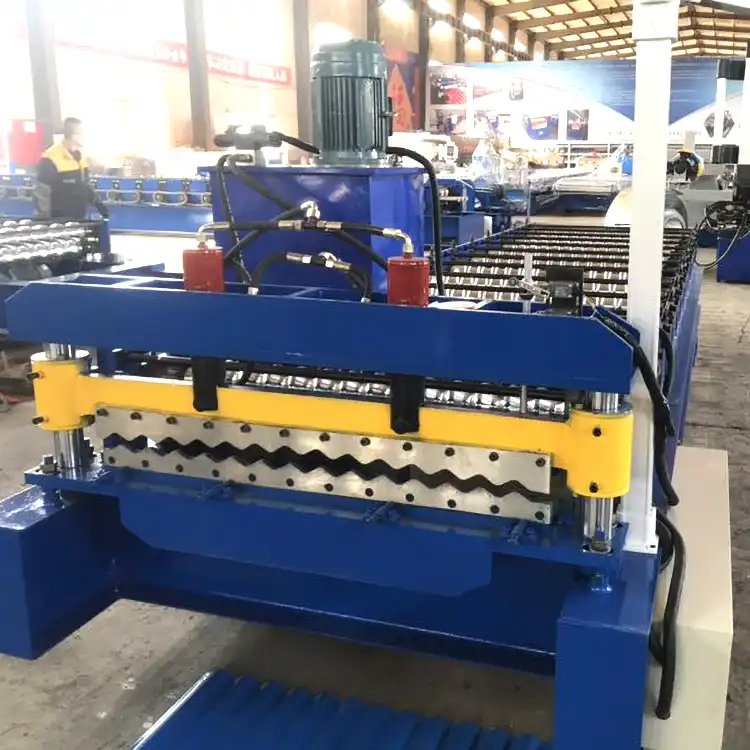
Breakdown of the Import Process and Associated Hidden Costs
It must be taken into account that there are expenditures associated with each and every phase of the purchase process. You are going through each process, so you will have the opportunity to learn about any surprises that pop up before they are reflected on the bill.” This will help you make educated choices.
Pre-Shipment and Customisation Fees
U.S. OEM Buyers Often Request Custom Profile Tools, Private-Label Paint, NDA documentation, and pre-shipment trial-run videos. These services are genuine and beneficial but will add $1,500 to $5,000 per job if not agreed upon in advance. Always get a proforma statement from the buyer with all the expenses split down to various lines such as metal roof forming machine cost, tooling cost, and testing cost.
Freight Options and Marine Insurance
CIF quotes include the cost of freight and insurance; however, the insurance only covers 110% of the value of the contract, not the cost of replacing the item. Use open shipping plans with a U.S. broker, which is safer. If you choose FOB, then prepare for ocean freight at current spot prices. The average charge for a 40-foot container from Tianjin/Qingdao to the West Coast of the United States was $1,800 to $3,200 in 2024.
Post-Delivery: Installation, Commissioning, and Training
A 5-6 ton roll producing line cannot be constructed on its own. In the U.S. market, rigging, electrical connection, and commissioning by a qualified specialist typically costs between $2,000 and $5,000. If the merchant sends an expert to your site, you pay for the hotel, travel, and daily expenses for that expert. Also, plan to train operators in your timeline for the commencement of production.
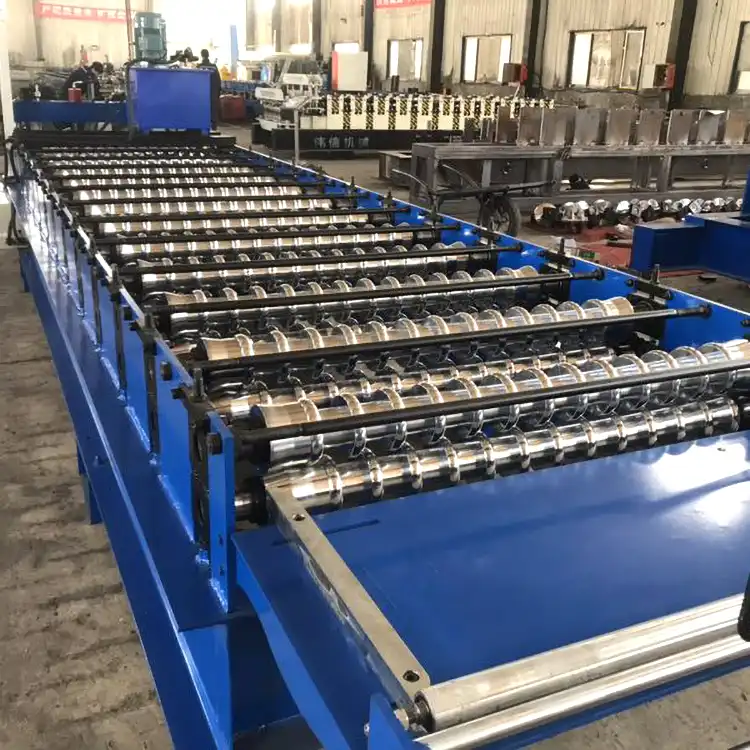
Key Technical and Operational Factors Influencing Hidden Costs
At the point that you leave the factory gate, the price that you pay is the price that is directly proportional to the specifications of the machine that you have purchased. This is the sum that you will be required to pay.
Weight, Dimensions, and Freight Class
A fully automatic line with a 20-station roll maker, a Siemens PLC control box, a hydraulic decoiler that can hold 5–15 tons, and a stacker can take up most of a 40-foot high-cube container and weigh 8–12 tons. Shipments that are too big or too heavy may have to pay extra fees at the port and may need special flatbed transport to get to your site.
Profile Complexity and Tooling Scope
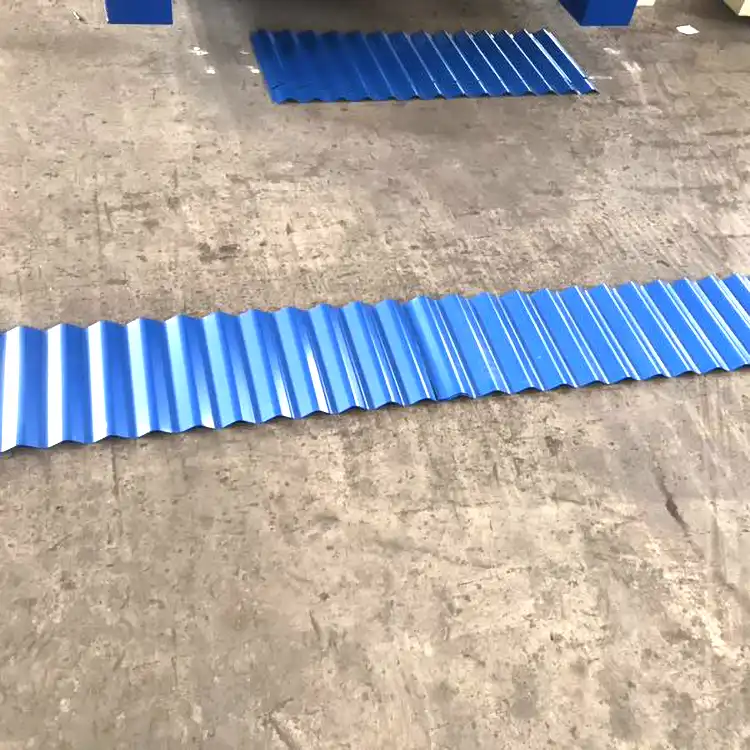
To make 24-gauge and 22-gauge Tru-GaugeTM panels.032-inch aluminum sheets, or custom lengths from 3 ft to 20 ft 10 in, including structural panels that span up to 6 ft on center, roller stations need to be carefully machined. For more complicated shapes like PBR, R-panel, IBR, and curved, you need their own set of tools. While quick-change cassette tooling cuts down on switching time, it does raise the cost of the tools themselves.
Long-Term Maintenance and Spare-Parts Availability
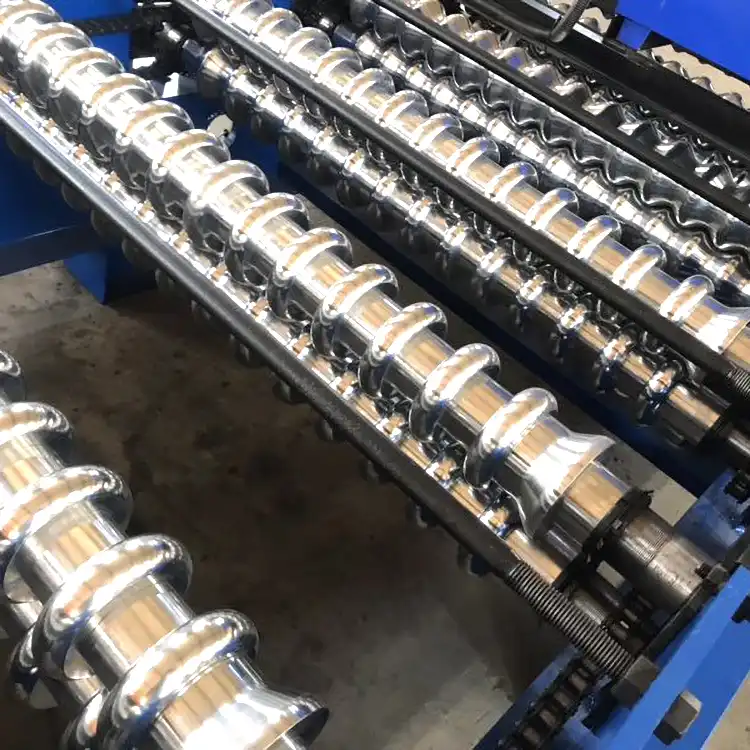
Rollers made from 40Cr or 45# cast steel with hard chrome finishing last a lot longer than regular mild steel rollers, so they don't need to be replaced as often. Siemens' global service network and remote IoT diagnostics help machines with Siemens PLC controls, which cuts down on unplanned downtime. Before you buy a spare roller, you should always check the wait time and stocking choices.
Strategies to Mitigate Hidden Costs When Importing
Cost surprises may be prevented. Here are the procedures at every level to preserve your purchase budget.
Buyers use these helpful techniques to keep landing costs low in the U.S. market:
- Please quote landing cost in full. Please have the supplier separate out the pricing with the FOB price, expected ocean freight, insurance premium, tooling cost, and estimated U.S. import duty based on the relevant HTS code. This one step shows 80% of hidden costs before you commit.
- Confirm certificates early. US customers require UL or ETL electrical compliance. CE and ISO 9001 certifications on the metal roof forming machines decrease the re-testing expenses. Verify the electrical panel fulfills the NEC requirements or requires re-wiring on arrival.
- Include extra parts with the original shipment. This way, you save a second freight bill later by having a spare roller set, new blades, and hydraulic seals in the same container. A single shipment of a replacement set may run an extra $600-$1,200 in freight and customs.
- Use a licensed customs broker. A broker with knowledge of HTS Chapter 84 and the current Section 301 exclusion lists may save you thousands of dollars in unwarranted duty assessments and expensive port holds.
These methods may decrease overall unexpected expenses by 15% to 25% compared with purchasers who use simply the FOB quotation. This lets you develop a sensible capital budget and minimize project delays caused by unanticipated cash flow.
Case Studies: Examples of Hidden Costs and How They Were Addressed
The purchasers are provided with examples of actual purchase experiences in order to provide an explanation of what went wrong and how they were able to find a solution to the problem. This action is done in order to illustrate the process of buying.
Case 1 — Freight and Tariff Underestimation
A Texas roofing firm was planning to purchase a PBR/R-panel line for $48,000 after receiving an estimate from FOB Qingdao. With Section 301 taxes added (25%), ocean freight, port fees, and overland drayage, it cost $67,500 to land. The buyer didn’t speak to a customs broker beforehand. After the purchase, they set up a payment plan with the supplier so it was simpler for their cash flow.
Case 2 — Installation and Training Costs Overlooked
An Ohio steel service business acquired a completely robotic roll-producing machine with a hydraulic decoiler and a servo following cut. The FOB pricing was quite specific, but the customer felt that the installation would be handled by the company’s own support crew. The Siemens PLC wiring schematic of the machine was so complex that it required a licensed electrician to interpret it, and a technician from the supplier had to set up the machine for three days, costing an additional $4,800, travel included.
Case 3 — After-Sales Support Reducing Long-Term Costs
A Florida-based manufacturer of prefabricated houses has partnered with a remote IoT diagnostics provider. Six months into usage, a hydraulic seal failed. The supplier diagnosed the issue remotely, shipped the proper replacement within five days, and utilized video chats to assist the maintenance crew through the repair. A total of nine hours of downtime. Similar difficulties arose when providers lacked remote support, and work was lost for a mean of three to five days.
Conclusion
A very typical error that U.S. purchasers do when they buy anything is to pick it out based on FOB pricing just. Duties, freight, port fees, setup, training, and replacement components are additional expenditures that may increase the basic price of a metal roof forming machine by 30% to 50%. Before you negotiate, construct a landed-cost model, and you’ll have a lot more leverage. Find a vendor who will break down every charge, has proper certificates, and will really aid you once the equipment is sold.
FAQ
1. What are the most common hidden costs when importing a roll forming machine?
The five most important ones are U.S. import taxes (including Section 301 tariffs), ocean freight, target port and drayage fees, installation and commissioning fees, and sending spare parts. All of these can raise the price by 30% to 50% above the FOB price.
2. How do I verify that a supplier's quotation is complete?
Ask for a pro forma statement that breaks down the price of the machine into different items such as tooling, crating, freight estimate, insurance, and any fees for testing or customizing. Talk to your customs broker about the HTS code to make sure you know the correct duty rate.
3. Are financing options available for imported forming equipment?
Some manufacturers let you pay over time or accept letters of credit (L/C), which spread out your cash flow over the different stages of production. There are also U.S. companies that finance equipment and offer loans backed by the machine itself.
4. Does the electrical standard matter for U.S. import?
380V/50Hz is the standard for workplace wiring in China. A lot of places in the U.S. use 480V/60Hz. Before you place an order, make sure you understand the voltage and frequency requirements. Also, plan for any changes to the panel that are needed to meet NEC requirements.
5. How long does the full import process take?
Plan for 60 to 90 days between placing an order and having a machine ready for production. This includes 30 to 45 days for production, 20 to 28 days for shipping by sea, and 5 to 10 days for customs clearance and delivery.
Get a Transparent Quote from ZTRFM — Metal Roof Forming Machine Supplier
As of 2014, ZTRFM had sold roll forming equipment to people in more than 150 countries. Notable customers include Tata Group and DS Group. Every quote comes with a full description of the landed costs, metal roof forming machines that are ISO 9001/CE-certified, Siemens PLC control, and remote IoT diagnostics. Get in touch with us right away for a personalized deal on any character line.
Please email zhongtuorollforming@gmail.com.
References
1. U.S. International Trade Commission — Harmonized Tariff Schedule of the United States, 2024.
2. Journal of Manufacturing Science and Engineering — Advances in Cold Roll Forming Process Design, ASME, 2022.
3. Office of the U.S. Trade Representative — Section 301 Tariff Actions and Exclusions, 2023.
4. American Institute of Steel Construction — Steel Construction Manual, 15th Edition, 2017.
5. Metal Construction News — "Estimating Total Landed Cost for Imported Fabrication Equipment," 2023.
6. Bureau of Industry and Security, U.S. Department of Commerce — Import Compliance Guide for Industrial Machinery, 2022.