- English
- French
- German
- Portuguese
- Spanish
- Russian
- Japanese
- Korean
- Arabic
- Irish
- Greek
- Turkish
- Italian
- Danish
- Romanian
- Indonesian
- Czech
- Afrikaans
- Swedish
- Polish
- Basque
- Catalan
- Esperanto
- Hindi
- Lao
- Albanian
- Amharic
- Armenian
- Azerbaijani
- Belarusian
- Bengali
- Bosnian
- Bulgarian
- Cebuano
- Chichewa
- Corsican
- Croatian
- Dutch
- Estonian
- Filipino
- Finnish
- Frisian
- Galician
- Georgian
- Gujarati
- Haitian
- Hausa
- Hawaiian
- Hebrew
- Hmong
- Hungarian
- Icelandic
- Igbo
- Javanese
- Kannada
- Kazakh
- Khmer
- Kurdish
- Kyrgyz
- Latin
- Latvian
- Lithuanian
- Luxembou..
- Macedonian
- Malagasy
- Malay
- Malayalam
- Maltese
- Maori
- Marathi
- Mongolian
- Burmese
- Nepali
- Norwegian
- Pashto
- Persian
- Punjabi
- Serbian
- Sesotho
- Sinhala
- Slovak
- Slovenian
- Somali
- Samoan
- Scots Gaelic
- Shona
- Sindhi
- Sundanese
- Swahili
- Tajik
- Tamil
- Telugu
- Thai
- Ukrainian
- Urdu
- Uzbek
- Vietnamese
- Welsh
- Xhosa
- Yiddish
- Yoruba
- Zulu
Why Choose a PLC-Controlled Stud and Track Roll Forming Machine?
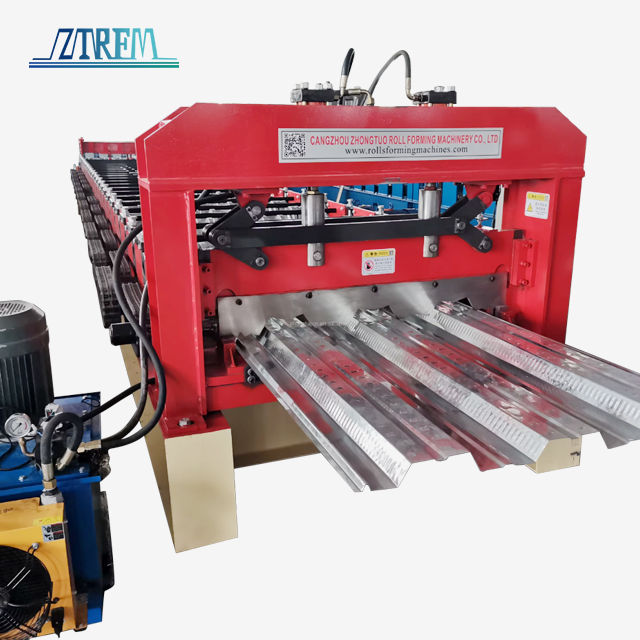
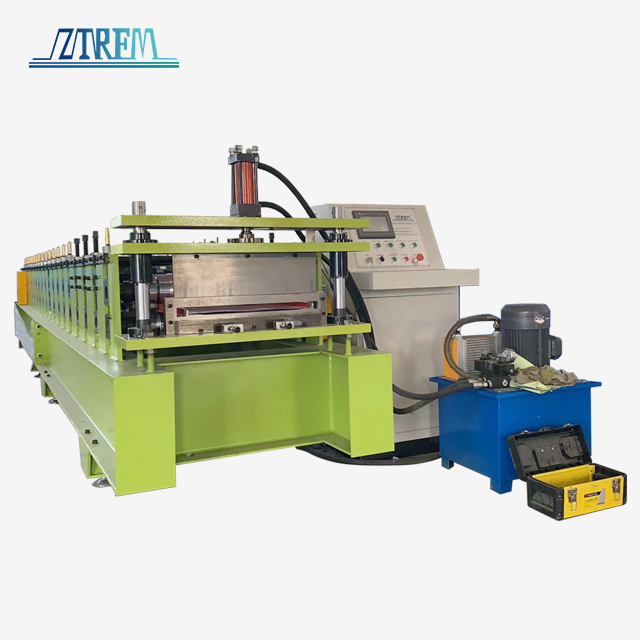
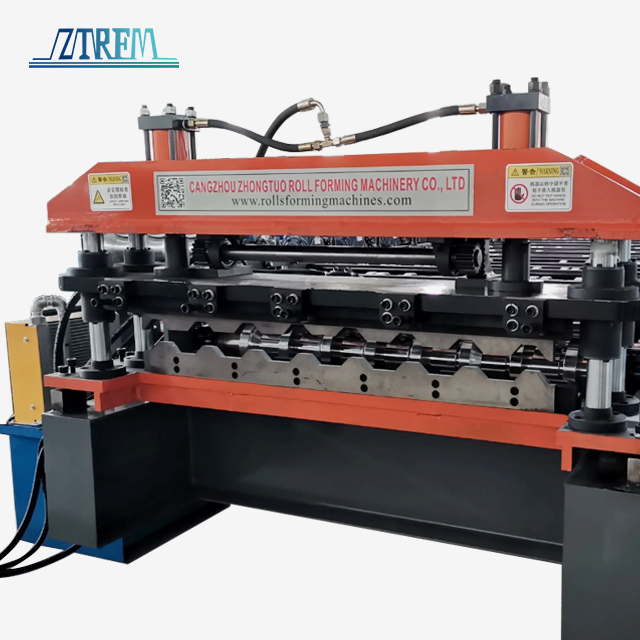
When you're scaling production for light-gauge steel framing, choosing a PLC-controlled stud and track roll forming machine can fundamentally transform your operation. This technology replaces guesswork with precision, eliminating the dimensional inconsistencies that plague manual setups. With automated length control, hydraulic cutting, and programmable profile switching, PLC-driven systems deliver reliable output whether you're running studs for commercial towers or tracks for modular housing. We've watched manufacturers cut scrap rates by nearly 40% and double throughput simply by adopting intelligent control—proof that automation isn't a luxury anymore; it's a competitive necessity.
Understanding PLC-Controlled Stud and Track Roll Forming Machines
Learn about stud and track roll forming machines that are controlled by PLCs.
What Makes PLC Control Different
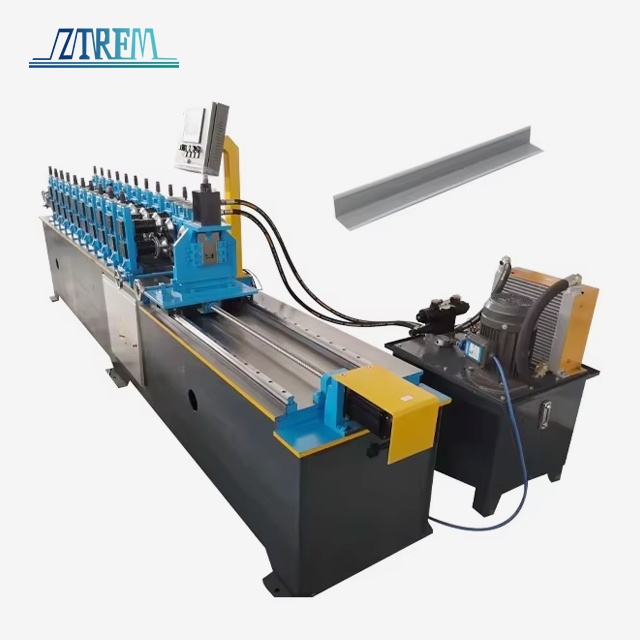
At its heart, a computerised logic controller controls the whole forming process, from feeding the coil to the final cutting, without the need for constant human supervision. The PLC reads sensor data in real time, changes the roller pressure, watches the line speed, and starts the hydraulic shear exactly when the length you set is reached. You use a tablet to enter the profile's size and number, and the machine works in a way that is consistent that mechanical cam systems just can't match.
How Hardware and Software Work Together
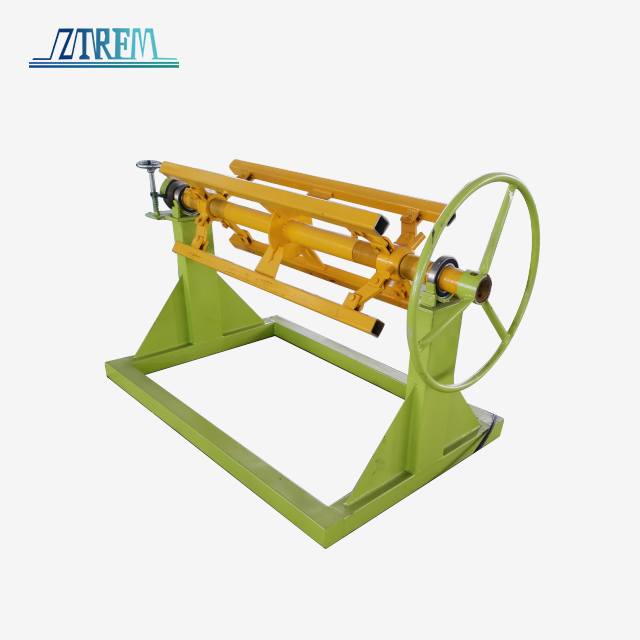
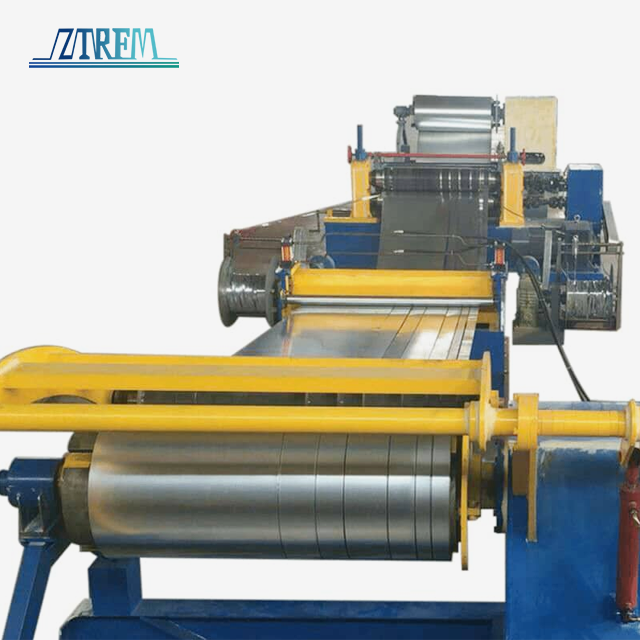
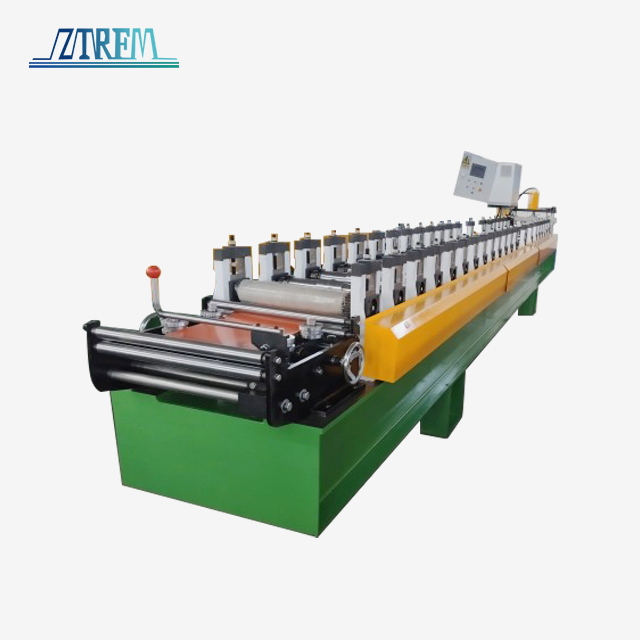
The PLC keeps all of the parts on modern roll forming lines working together. These parts include decoilers, levelling units, punching stations, multi-stand roller assemblies, and flying cutters. Here's how our equipment works: galvanised coils go through a seven-axis levelling machine and a 5.5 kW punching press that makes utility holes ahead of time. They then go into a 13-row forming section where 45# heat-treated steel rollers bend the flat strip into C-studs or U-tracks. The PLC checks the encoder input to make sure that the tolerances stay within ±0.5 mm across profile widths of 3′′ to 6′′ and flange heights of 1′′, 1⅝′′, or 2′′. The machine can handle materials from 22-gauge to 16-gauge with yield strengths of up to 80 ksi.
Real-World Applications Across Industries
These stud and track roll forming machines are used by builders to make non-load-bearing partition frames for high-rise office buildings that need to meet fire safety standards for consistent measurements. PLC automation is used in prefabricated housing plants to make bolts with service knockouts that are already punched out. This makes assembly on-site go quickly. Programmable forming is used by everyone from HVAC duct makers to racking system suppliers to quickly change between shapes. It's flexible because the software stores parameters, so you can save recipes for dozens of SKUs and quickly access them again.

Advantages of Choosing a PLC-Controlled Unit over Traditional Machines
Precision That Protects Your Reputation
Cam clocks and limit switches, which tend to move over time and need to be recalibrated often, are used in traditional, physically driven stud and track roll forming machines. Because digital encoders provide closed-loop feedback, PLC systems maintain the integrity of the tolerances shift after shift. If your customer says that the studs must fit into the tracks without any friction, a half-millimeter difference can mean that you have to do expensive work again on the job site. Even after eight hours of constant use, our equipment keeps its measurements within 0.5 mm, so every piece fits perfectly as soon as it comes off the line.
Efficiency Gains That Boost Your Bottom Line
While speed is important, accuracy is even more so. With PLC automation, feeding, shaping, and cutting are all perfectly timed, so there are no more small delays that can happen with human sets. 8–10 meters per minute production rates stop being rare high points and become steady standards. When rotary encoders are used to automate length measurement, operators are no longer needed to mark and measure. This saves time and prevents mistakes. The PLC figures out the best cut patterns to minimise end-scrap, which means less trash. Over the course of a year, these small improvements add up to big cost savings and higher throughput.
Operational Flexibility for Changing Demands
The markets change, and project requirements change too. With PLC-controlled stud and track roll forming machines, you can save more than one forming program and quickly switch between them. Do you need 3.625-inch studs with ⅸ-inch flanges in the morning and 6-inch profiles with 2-inch flanges in the afternoon? Change the settings on the touchscreen, use the quick-release mechanisms to change the distance between the rollers, and then start making things again. This flexibility helps just-in-time manufacturing strategies work and lets you handle custom orders without stopping scheduled production.

Key Technical Specifications and Maintenance Tips
Critical Features That Define Performance
Before you can choose the right stud and track roll forming machine, you need to know the specs that affect the quality of the result and how long it will last. Our systems can handle galvanised or hot-rolled steel from 0.3 mm to 1.2 mm thick, and they can handle 22-gauge to 16-gauge shapes. Wear resistance depends on the material of the rollers and how they were heated. For example, 45# high-grade steel rods and bearing-steel wheels that have been quenched at high frequency can handle millions of linear feet without deforming. The cutting blade is made of CR12 tool steel that has been quenched to 60–62 HRC. The shears are clean and free of burrs, which protects workers further down the line and makes installation easier.
Drive design affects how reliable it is. Chain gearbox spreads torque evenly across roller stations, which lowers stress levels that lead to bearing failure before they should. To keep the main motor from stopping when it's under load, the speed and torque must be balanced. In medium-duty lines, this is usually 7.5 kW. Building the frame out of 300H-grade steel makes it rigid, which reduces the profile distortion caused by bending when making larger grades at full yield strength.
Preventive Maintenance for Maximum Uptime
If you keep the environment in good shape—keep electrical cabinets clean, check the security of the voltage, and update software as makers release patches—PLC parts don't break down very often. More care needs to be taken with hardware upkeep. Once a week, grease the chain drives and roller bearings. Once a month, check the condition of the hydraulic oil and filter and see if the blades are still sharp. Replace old rollers before surface damage makes your profiles look bad. Regularly calibrating encoders keeps the length precision within the limits. Set up deep inspections once a year so that technicians can use laser tools to check the alignment of the rollers and compare the PLC logic to production records. This methodical technique stops major breakdowns before they happen and makes tools last longer than ten years.

Comparing Market Options: How to Select the Best PLC-Controlled Stud and Track Roll Forming Machine?
Assessing Automation Levels and Precision Rates
There are different types of stud and track roll forming machines, from semi-automatic ones (where operators manually load coils and start cycles) to fully automatic ones (that don't need to be watched once they're set up). The right level will depend on how much you're making. Fully automated decoilers with hydraulic expansion, automatic feeds with servo-driven straighteners, and built-in stackers are all good for plants that make a lot of wire. For operations with lower volumes, simpler setups with run-out and coil loading tables may be preferred. Precision rates depend on the encoder's resolution and the speed of the control loop. Systems that offer ±0.5 mm tolerance across all profile dimensions make sure that the frames fit together correctly when they are put together.
Evaluating Financial Factors and Aftermarket Support
The cost to buy varies a lot depending on the capacity, level of automation, and reputation of the brand. Model the savings in labour, the decrease in waste, and the increase in output against the purchase price and the terms of the loan to find the return on investment. When you order more than one stud and track roll forming machine unit or sign a long-term deal for extra parts, you can often get a discount. For mechanical parts, the warranty should last at least 12 months, and for electricity systems, it should last 24 months. It's important to have local service networks. When fixes need to be done, downtime is kept to a minimum by providers with regional warehouses and field techs. certifications like ISO 9001, CE, and meeting ASTM C645 standards show that the manufacturing process is strict and the product is safe.
Identifying Reputable Manufacturers
Check out track records instead of marketing claims. Companies that send goods to more than 150 countries show that they can handle logistics and keep quality standards high in a wide range of legal settings. Names and patents for national high-tech enterprises show that they can invest in research and development and come up with new ideas. Trust is built through customer testimonials, case studies that show measurable increases in productivity, and a willingness to give factory tours or test runs. If you need custom profile designs or want to connect to current production lines, make sure the provider offers both OEM and ODM services.

Procuring Your PLC-Controlled Stud and Track Roll Forming Machine
Structuring the Inquiry and Quote Process
Start by writing a detailed request for quotation for a stud and track roll forming machine that includes the profile dimensions, material gauges, target production speed, and any special features, such as debossing or pre-punching. Include estimates of the annual flow and let us know if you need full installation, training for operators, and English-language paperwork. Suppliers you can trust will send you quotes with detailed breakdowns of the base machine cost, any extras you want, freight, and training services. Ask about wait times for both standard and custom setups and make sure you understand how to pay. For example, many makers need a deposit to confirm the order and the balance before shipment.
Negotiating Customization and Bulk Order Benefits
Requests for customisation, like adding more roller stations for complicated profiles or connecting to ERP systems to keep track of production, should be talked about early on. Suppliers who have worked with OEMs before can change the way controls work, add inspection units, or change the order of cuts. When you place a bulk order for your stud and track roll forming machine equipment, you can often get better prices and faster delivery times. Talk about getting extra guarantee time, free spare parts kits, and training on-site as part of the deal. Make it clear who is responsible for troubleshooting, how quickly new parts can be sent, and whether internet-connected PLCs can be used for online diagnostics.
Building Long-Term Supplier Relationships
When you buy capital tools, it's the start of a relationship, not the end. Set up clear ways for people to talk to you, like dedicated account managers, technical hotlines, and email support, so you can solve problems quickly. Set up regular performance reviews where you and the supplier share production data and the supplier suggests ways to improve or tweak the process. As your business grows, reliable providers become strategic partners who know how your business works and can suggest ways to increase capacity or make processes better before you even ask them to. This relationship lowers risk, speeds up project timelines, and makes sure that your manufacturing needs don't change.

Conclusion
When you choose a stud and track roll forming machine, you make a big step toward accuracy, efficiency, and the ability to make more frames. Automated control gets rid of the differences that come with manual systems. It gives you consistent tolerances that protect your reputation and cut down on expensive rework. The ability to quickly switch styles, along with proven material savings and output gains, gives the company a clear competitive edge. You can set yourself up for long-term growth by carefully reviewing technical specs, putting preventative maintenance first, and working with certified makers who offer strong after-sales support. Lower labour costs, less waste, and the ability to quickly meet market needs are all benefits of the initial investment.
FAQ
Q1: What specific benefits does PLC integration provide in a roll forming production line?
PLC integration for a stud and track roll forming machine automatically measures length, syncs cutting speed with forming speed, saves multiple profile recipes for quick access, and sends diagnostic alerts when parameters move outside of acceptable ranges. This cuts down on human mistakes, speeds up changeovers, and makes sure that quality is the same from shift to shift.
Q2: How much can automation reduce operational costs compared to manual systems?
Automation usually cuts the number of workers needed by 30–50% per shift. It also cuts down on material waste by up to 40% thanks to better cutting algorithms and lower energy use from variable-frequency drives. Predictive diagnostics show you when maintenance is needed before they break down, so your queue stays up and running, and your money keeps coming in.
Q3: Can I customize profile parameters on a PLC-controlled machine?
Yes. Modern systems have easy-to-use touchscreens that let you change the cutting length, profile width, flange height, and material thickness. Advanced models can import CAD files, which turn drawings straight into machine settings for making custom building profiles or speciality stud and track roll forming machine components.
Partner with ZTRFM for Superior Roll Forming Solutions
Every stud and track roll forming machine that ZTRFM (which works under Cangzhou Zhongtuo Roll Forming Machinery) makes is the result of more than ten years of engineering excellence. Our equipment is ISO 9001 and CE-certified, and it works for clients in more than 150 countries. These clients range from new modular home builders to large international EPC companies. We know that off-the-shelf solutions won't solve your business problems. Because of this, we provide full OEM and ODM services, adjusting machine settings to your exact profile needs, adding extra punching and embossing modules, and providing bilingual technical documents and on-site testing.
To get a stud and track roll forming machine from ZTRFM, you can work with a national high-tech company that has a track record of research and development and a quick-response global support network. You can talk about the details of your project, get thorough quotes, or set up a virtual plant tour by emailing zhongtuorollforming@gmail.com. Our technical team is ready to look at your production goals and suggest solutions that will help you get the best return on investment (ROI) and keep your manufacturing capacity flexible for the future.

References
1. Smith, J. R. (2021). Advanced Metal Forming Technologies: PLC Integration in Roll Forming Systems. Industrial Press.
2. Chen, L., & Wang, M. (2020). "Quality Control Protocols for Light-Gauge Steel Framing Production." Journal of Manufacturing Processes, 58, 342–356.
3. Anderson, P. K. (2019). Automation in Cold Roll Forming: Design, Operation, and Maintenance. CRC Press.
4. International Association of Cold Roll Forming Professionals. (2022). Best Practices for PLC-Controlled Roll Forming Equipment. IACRFP Technical Bulletin 14.
5. Martinez, S., & Okonkwo, U. (2023). "Cost-Benefit Analysis of Automated vs. Manual Roll Forming Lines in Construction Materials Manufacturing." International Journal of Production Economics, 245, 108–121.
6. National Institute of Standards and Technology. (2020). ASTM C645 Standard Specification for Nonstructural Steel Framing Members. NIST Special Publication 1500-9.