- English
- French
- German
- Portuguese
- Spanish
- Russian
- Japanese
- Korean
- Arabic
- Irish
- Greek
- Turkish
- Italian
- Danish
- Romanian
- Indonesian
- Czech
- Afrikaans
- Swedish
- Polish
- Basque
- Catalan
- Esperanto
- Hindi
- Lao
- Albanian
- Amharic
- Armenian
- Azerbaijani
- Belarusian
- Bengali
- Bosnian
- Bulgarian
- Cebuano
- Chichewa
- Corsican
- Croatian
- Dutch
- Estonian
- Filipino
- Finnish
- Frisian
- Galician
- Georgian
- Gujarati
- Haitian
- Hausa
- Hawaiian
- Hebrew
- Hmong
- Hungarian
- Icelandic
- Igbo
- Javanese
- Kannada
- Kazakh
- Khmer
- Kurdish
- Kyrgyz
- Latin
- Latvian
- Lithuanian
- Luxembou..
- Macedonian
- Malagasy
- Malay
- Malayalam
- Maltese
- Maori
- Marathi
- Mongolian
- Burmese
- Nepali
- Norwegian
- Pashto
- Persian
- Punjabi
- Serbian
- Sesotho
- Sinhala
- Slovak
- Slovenian
- Somali
- Samoan
- Scots Gaelic
- Shona
- Sindhi
- Sundanese
- Swahili
- Tajik
- Tamil
- Telugu
- Thai
- Ukrainian
- Urdu
- Uzbek
- Vietnamese
- Welsh
- Xhosa
- Yiddish
- Yoruba
- Zulu
High-Speed AG Panel Roll Forming Machine for Mass Production
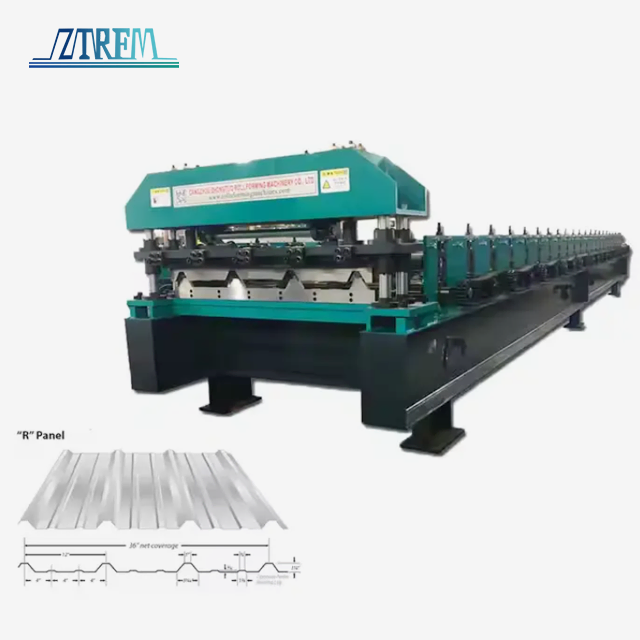
The AG panel roll forming machine is more than just a piece of equipment when your production line needs consistent output with no room for mistakes. It becomes your competitive edge. This industrial cold-forming system takes galvanized or pre-painted steel coils and turns them into precisely designed agricultural roofing panels that cover 36 inches on the outside and have unique 3/4-inch major ribs spaced 9 inches apart. Unlike traditional press brake methods that have trouble with thinner gauges, this technology gets rid of oil canning and creates anti-siphon grooves that stop water from getting in through capillary action. This directly solves the structural and weather-sealing problems that post-frame building manufacturers face.
Understanding the High-Speed AG Panel Roll Forming Machine
Core Functions and Distinctive AG Model Features
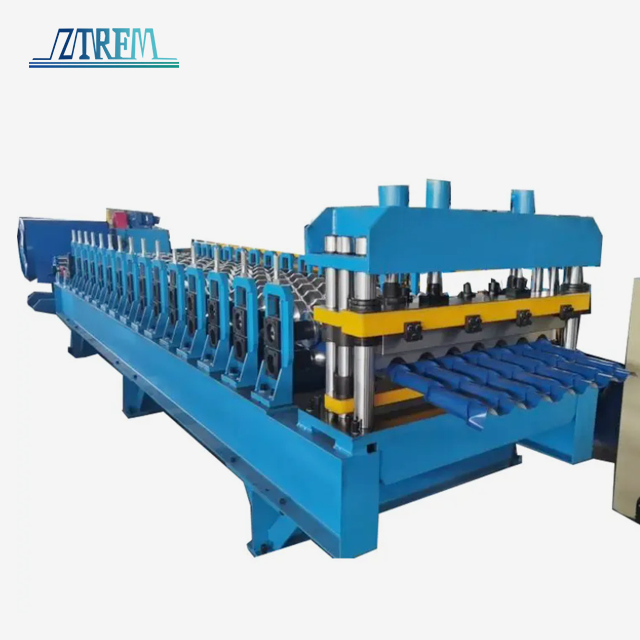
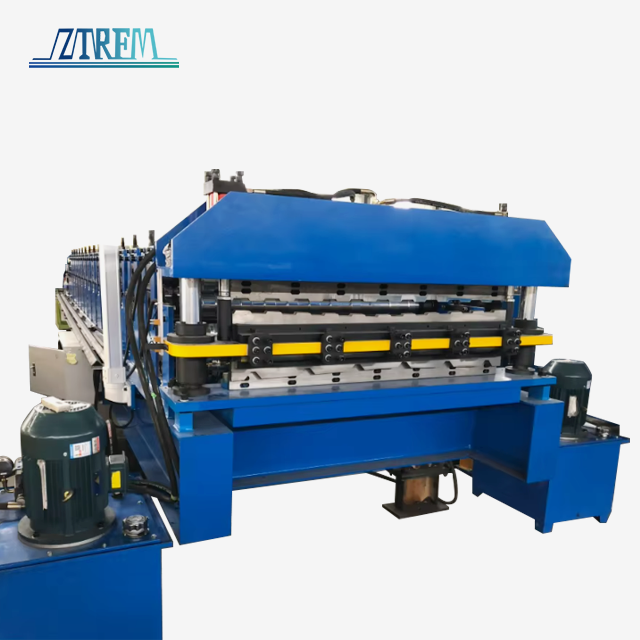
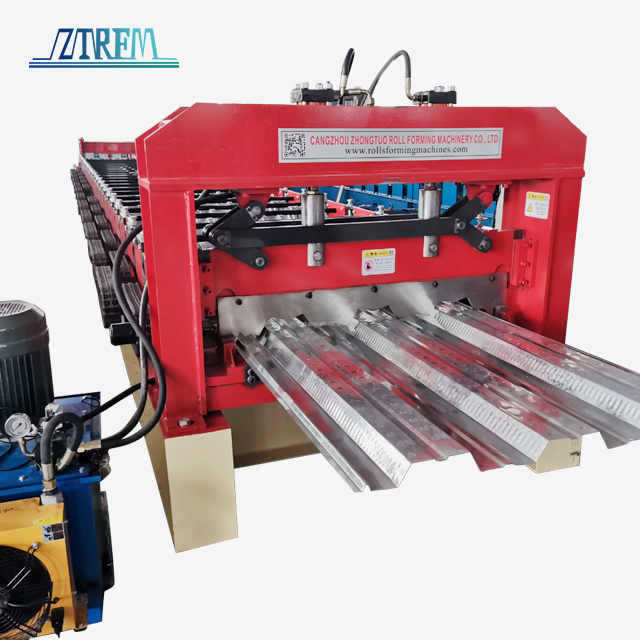
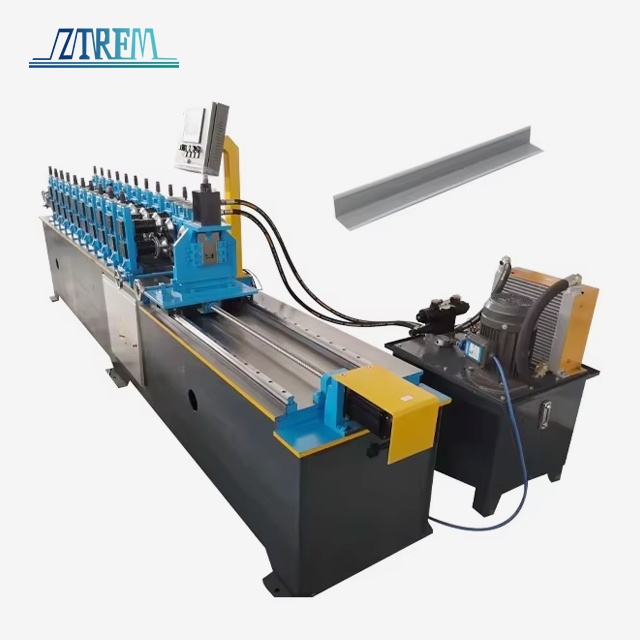
The AG panel roll forming machine molds flat metal coils into three-dimensional structures without heat or material changes using continuous cold-forming technology. The material is moved through roller stations that add a little bend until the desired form is attained. Special roller tools for agricultural panel shaping distinguish the AG configuration from other forming lines. These tools accurately position main and minor ribs to strengthen panels and drain water.
Servo-driven hydraulic systems adjust the forming pressure in real time to account for material thickness and yield strength in modern high-speed versions. This adaptive control eliminates rippling issues common with thinner 29-gauge steel. The vast flat areas of the panel stay flat. The machines can accommodate 29ga to 26ga gauges without spacer adjustments. If you use heavier 24-gauge cloth, you may need to adjust the spacing somewhat depending on how it expands.
Operational Workflow and Key Components
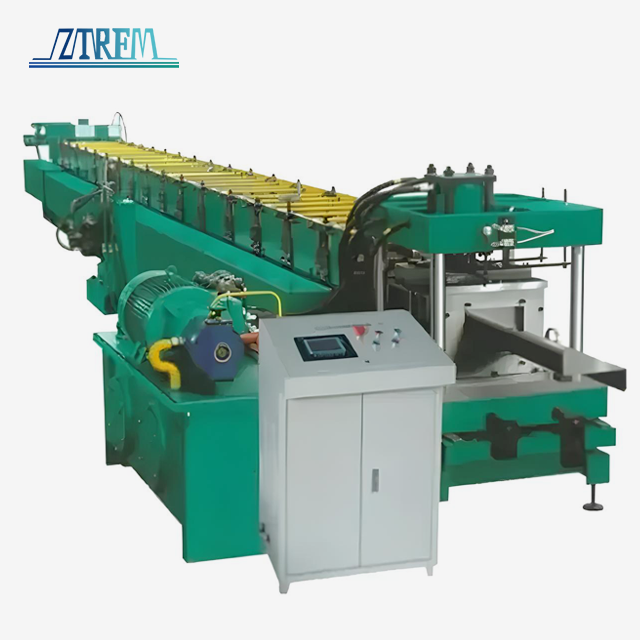
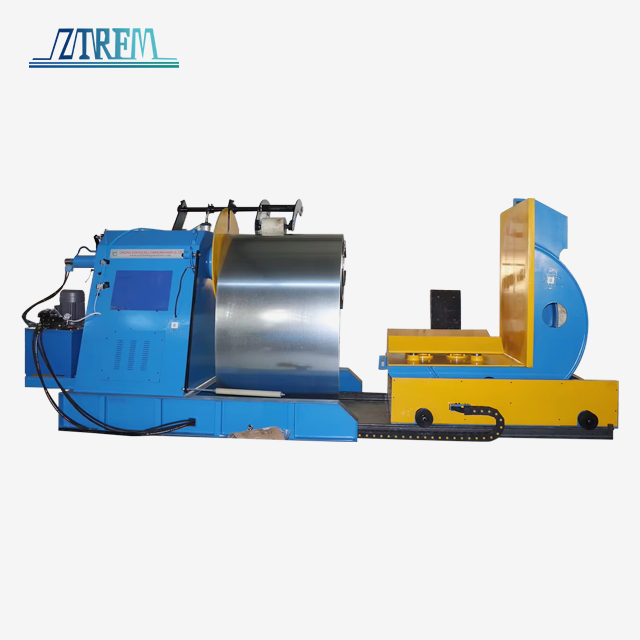
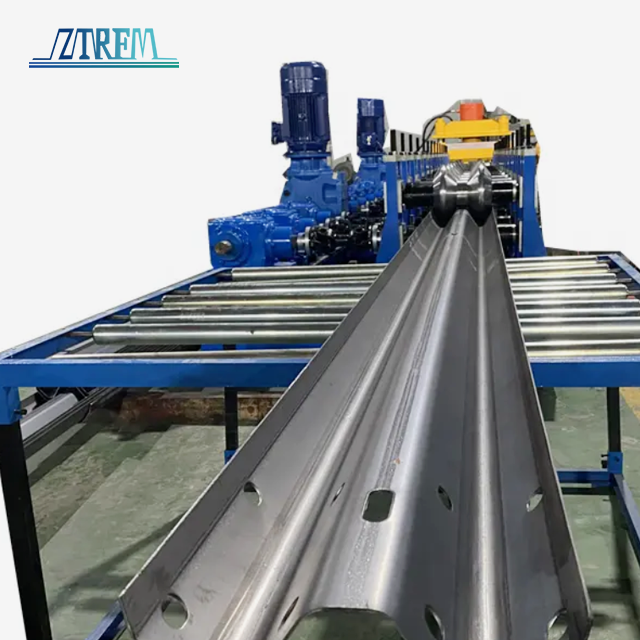
Material handling begins at decoiling. Motorized mandrels maintain tension during coil unwinding. Tension brake systems run the strip through leveling rollers to smooth the coil set before forming to prevent slack from affecting alignment. In the forming area, 16–20 roller stations deliver two–three degrees of bend angle per advance die. Proper roller alignment is crucial because misplaced rollers cause a chain of errors that prevent panels from nesting during installation.
Before the main forming portion, integrated cutting stations cut notches and holes. Avoid drilling after shaping to reduce tension. At the end that goes out, hydraulic shearing systems with HRC 58–62 Cr12MoV blades cut cleanly without burrs. PLC control systems coordinate coil feeding speed with cut-to-length code to keep the process running smoothly. This allows custom panel length runs without hand-measuring.
Technical Specifications and Customization Options
Standard configurations require 3-phase electricity (220V/380V/440V, 50/60Hz) for the primary drive motor and hydraulic pump station, which consume 15kW to 22kW. Depending on material thickness and shape complexity, production speeds are 65 to 100 feet per minute. This means that the 36-inch coverage width meets mass production needs while maintaining ±1/8 inch dimensions.
Speed isn't the only customization. Manufacturers can use PVDF or Kynar coatings on roller materials and surface treatments to defend against corrosive conditions. A double-layer arrangement lets you construct AG profiles and PBR panels that match at the same time, maximizing floor space. Aluminum coils have different springback qualities, so roller pressure settings and station numbers must be adjusted to prevent cracking during forming.

Advantages of Using High-Speed AG Panel Roll Forming Machines in Mass Production
Production Efficiency Compared to Traditional Methods
For an AG roofing panel machine, to keep things constant, conventional press brake operators must shift the material around for each bend and line up reference markings by hand. This intermittent technique limits throughput to 30–40 panels per hour, causing manpower bottlenecks and capacity limits. Roll forming eliminates these issues by running continually. Once the line reaches steady condition, panels come out regularly without assistance. Production speed is three to five times faster than brake press methods. This allows manufacturers to accomplish large tasks that would need numerous shifts or outside support.
Roll forming eliminates handling damage from repositioning sheets during multi-step brake forming because it is continuous. Each point can damage painted surfaces or cause panel deformation by making minor bends. Keep the material's orientation during roll forming to maintain coating cleanliness and dimensions. This reduces scrap, hurting high-volume run income.
Automation Benefits and Cost Reduction
The main benefits of this technology for modern manufacturing are:
Labor Efficiency: Automatic coil feeding and PLC-controlled length setting need only one line worker to monitor the roll former instead of three or four per brake press. This decrease in personnel lowers labor expenses per linear foot and solves metal fabrication enterprises' training shortage. New brake press operators learn in weeks instead of months.
Cold shaping utilizes far less energy than hot working. Modern servo-driven systems maximize power by reducing hydraulic pump duration when the machine is idle. Energy savings add up over a year's production cycles, especially when electricity rates include peak usage demand charges.
Material Yield Optimization: Precise coil tracking systems reduce lead and trail waste, and not handling sheets by hand reduces damaged sheets in the garbage. These yield advantages affect material prices, the highest expense in panel manufacture, when using pre-painted materials when coating repairs aren't achievable.
Automation benefits grow over equipment lifespans. Lower labor intensity lowers workers' compensation insurance premiums, and constant output quality reduces warranty claims and customer complaints, which waste time and money. Press brakes may be repaired routinely to avoid breakdowns and plan maintenance expenditures.
Precision Forming and Quality Consistency
Material waste in metal forming goes beyond scrap. It also covers the hidden costs of panels that pass the first inspection but fail installation due to size. Installers spend time trimming and fixing misaligned panels, which delays the job and requires material returns. Roll forming's gentle bending preserves panel feature geometric linkages better than hand shaping.
The weather-sealing anti-siphon groove must have the proper depth and location to prevent capillary action from transferring water through side-lap joints. Even 1-2 millimeter alterations can rupture this seal, triggering rapid corrosion below. Roll forming equipment can create millions of square feet of these crucial dimensions when set up properly. This stabilizes building envelope performance.
Customer satisfaction and product longevity depend on surface finish quality. Rollers with poor surface processes or hardness leave tiny scratches on covered steel that rust. Best machines use chrome-plated rollers with Ra surface finishes below 0.4 micrometers. This preserves manufacturing paint systems while in formation. This concentration on surface quality is especially crucial for building panels, whose appearance drives sales.

Key Applications and Suitable Industries for AG Panel Roll Forming Machines
Post-Frame Agricultural Buildings
The main place where AG profile panels are sold is in large agricultural complexes. For large roof coverage, 36-inch panels are best for places like equipment storage facilities, cow barns, and chicken coops where there are a lot of end-lap joints, which can be leaky. Being able to make continuous lengths up to 40 to 50 feet gets rid of the need for horizontal seams on many building sizes. This makes installation easier and improves weathertightness.
For these agricultural uses, durability in tough conditions is important. Ammonia from raising animals speeds up corrosion, so it's important that the coating stays in place. Because roll forming is a gentle process, it protects paint and galvanizing layers better than bending, which stresses coats at sharp radius bends. Producers who sell to rural markets can use the tools to work with thicker 26-gauge material, which makes it more resistant to hail, which is important for farm buildings that aren't covered.
Residential Barndominium and Metal Building Homes
The market for household metal roofing has grown a lot as more people like how long-lasting and easy to maintain steel roofing systems are. The agricultural panel style is especially popular in barndominiums, which are mixed-use buildings with living rooms and workplace or storage areas. Producing this style on an AG panel roll forming machine gives manufacturers a chance to serve higher-margin markets while still using the production tools they already have.
When it comes to residential uses, quality standards are different. Homeowners pay close attention to how things look and want panels that don't have oil canning or other surface flaws. Precision control of high-speed forming equipment becomes a competitive advantage, letting makers ensure flatness standards that meet the needs of picky homeowners. The tools can also handle special coatings like Kynar, which makes panel warranties last for an extra 30 to 40 years. This is a selling point that allows higher prices in home markets.
Industrial and Commercial Applications
Besides being used in farming and homes, AG profile panels are also used by industry sites that need cost-effective building envelopes. The same forming equipment is used for warehouse wall panels, made building siding, and machinery enclosures. The profiles are only slightly different. Coastal industrial facilities value the corrosion resistance of properly coated panels, and the gentle handling of the material by the forming equipment keeps the protective coatings in place in salty air.
Roll forming equipment gives factories that serve a wide range of markets more strategic freedom. With some equipment changes, the same machine that makes roofing panels can also make wall panels or trim pieces that go with them. Because they are so flexible, producers can adapt to changes in the market by increasing production of roofs during busy building seasons and moving capacity to industrial uses during slower times.

How to Choose the Right High-Speed AG Panel Roll Forming Machine for Your Business?
Evaluating Production Capacity Requirements
Realistic output forecasting is the first step in getting the right machine size. Overbuying capability ties up capital in assets that aren't being used, while underestimating capacity causes bottlenecks that slow down deliveries and make customers angry. Start by looking at your current order books and estimating growth rates. For example, if you're currently making 200,000 linear feet per month and expect that number to grow by 15% per year, your equipment should be able to handle 300,000+ linear feet without needing to be replaced right away.
Machine speed specifications need to be understood in the context of the machine. It sounds great when a line is listed at 100 feet per minute, but how much power it actually puts out depends on the changeover time, the coil loading times, and any stops that weren't planned. Taking these things into account, production rates in the real world are usually between 60 and 70% of their theoretical maximums. Talk to the equipment providers about what kind of job cycle you expect. Machines that are meant to run all the time have heavier frames and better bearings than machines that are meant to be used occasionally.
Automation Level and Integration Considerations
When deciding between manual, semi-automatic, and fully automatic setups, you have to weigh the costs of the investments against the supply of workers and the difficulty of the production. For manual systems to work, operators have to load coils, enter cut lengths, and remove finished panels. These systems are good for making a few different types of panels in predictable runs. With PLC controls and controlled length measurement, semi-automatic lines make things more consistent while requiring less skill from the user.
Fully automatic systems handle coils upstream and stack them downstream along with the forming line, so they can work without lights. When labor costs are high or when making a lot of standard panels, these layouts make economic sense. Check to see if your production mix is good for automation. If you need to change profiles or make custom lengths often, full automation may not be as efficient because the time it takes to set up and program machines cancels out the time it saves on labor during run-time.
Supplier Selection and Support Infrastructure
When you work with well-known manufacturers, you can get access to ideas that have been tried and tested and quick expert help. When you buy from a reputable provider of an AG roofing panel machine, the technical improvements that have been made over thousands of installations are built in. For example, better access to lubrication points or better placement of sensors make upkeep easier. When looking at different suppliers, find out how they handle field service and keeping spare parts on hand. Machines only make money when they're running, so a seller with local service centers and fast shipping of parts keeps expensive downtime to a minimum.
Different markets have different certification needs. For example, CE marking is necessary for sites in Europe, but more and more customers in North America want CSA or UL approvals. Make sure that the equipment you want to buy has the right certifications before you buy it, because fixing machines that aren't legal is expensive. If a supplier has ISO 9001 certification, it means they have quality management systems in place. However, the quality of the machine itself depends on the design, not just the certifications.

Conclusion
Choosing high-speed AG panel roll forming equipment invests in your manufacturing and market position. Production speeds (3–5 times quicker than previous methods), material yields (5–8% greater), and labor costs (nearly 60% cheaper through automation) are all advantages of the technology. These practical benefits allow businesses to fill orders faster, make more money, and pursue larger contracts to grow.
To succeed, your equipment must match your production methods. Look at current and expected growth to realistically determine space needs. Favor suppliers with proven designs, fast expert assistance, and the ability to adapt to market changes. If you pick and maintain the correct forming system, it may endure decades and power big metal panel production operations.
FAQ
Q1: Can the machine handle both 29-gauge and 26-gauge steel without adjustments?
Premium machines can handle normal agricultural gauges from 29ga to 26ga without having to change the spacers by hand because the rollers are designed with a set variation error. The spring-loaded pressure systems take into account differences in thickness that are within this range. When working with high-yield strength steels like Grade 80, switching to heavier 24-gauge material may need small changes to the gap. Always check the specifications of your tools because it can do different things depending on the brand and type.
Q2: What causes flat panel sections to ripple, and how do you correct it?
Rippling, which is also known as "oil canning," happens when there is too much roller pressure or uneven material strain at the opening of the coil. To fix this problem, first fine-tune the pressure on the intermediate forming rollers and then set the tension brake at the decoiling station to make sure the material feed is constant. Small changes, like 0.010-inch changes, should be made, and test panels should be run between changes. The goal is to find the right balance between applying just the right amount of pressure to make the profile clean and not applying too much pressure, which causes stress patterns that can be seen as ripples.
Q4: How often do hydraulic cutting blades need sharpening or replacement?
Every six to eight months, Cr12MoV cutting blades need to be sharpened in normal production settings with eight-hour shifts. When working with high-tensile steel or long production efforts, this gap gets shorter. Keeping extra sets of blades on hand lets you switch them out right away when the quality of the cut starts to decline, so you can avoid panel burrs that pose safety risks. Keep track of blade life by keeping an eye on the quality of the cut edge and keeping maintenance logs that show patterns that are unique to your mix of materials and production level.
Partner with ZTRFM for Reliable AG Panel Roll Forming Solutions
Manufacturers looking for a reliable provider of AG panel roll forming machines can find everything they need at Cangzhou Zhongtuo Roll Forming Machinery (ZTRFM). Since we started in 2014, we've been designing and making cold roll forming equipment. The systems we make have been used in post-frame construction, residential metal roofing, and industrial buildings. Our high-speed AG panel lines use precise roller tooling that gets rid of oil canning while keeping the panel's dimensions consistent, which is important for installing weathertight panels.
We know that decisions about procurement aren't just about the specs of the equipment; you need partners who care about your long-term success. That's why ZTRFM offers full OEM and ODM services, providing everything from raw materials to finished tools and spare parts. Our ISO 9001, CE, and CAS certifications show that we are committed to quality standards, and the fact that we do business in more than 150 countries shows that we can be trusted around the world. As a well-known high-tech company across the country, we offer creative solutions that are tailored to your production needs and are backed up by technical help that keeps your lines going.
Are you ready to talk about how our AG panel making tools can help you make more while spending less on each unit? Send an email to zhongtuorollforming@gmail.com to get reasonable quotes, full specs, and choices for custom configuration. We'll look at your production needs and suggest systems that meet your budget and throughput goals. This will give you the scientific information you need to make an informed purchase choice.

References
1. American Institute of Steel Construction. (2022). Cold-Formed Steel Design Manual: Specification for the Design of Cold-Formed Steel Structural Members. Chicago: AISC Publications.
2. Halmos, G.T. (2021). Roll Forming Handbook: Manufacturing Engineering and Materials Processing. Boca Raton: CRC Press.
3. Metal Construction Association. (2023). Technical Bulletin: Agricultural Panel Profile Standards and Installation Guidelines. Glenview: MCA Technical Services.
4. Bhattacharyya, D., & Smith, P.D. (2020). Advanced Metal Forming Technologies for Structural Applications. London: Springer-Verlag.
5. Society of Manufacturing Engineers. (2022). Precision Roll Forming: Process Optimization and Quality Control Methods. Dearborn: SME Technical Papers.
6. International Code Council. (2021). IBC Structural/Safety Code Compliance for Metal Roofing Systems. Washington: ICC Publications.