- English
- French
- German
- Portuguese
- Spanish
- Russian
- Japanese
- Korean
- Arabic
- Irish
- Greek
- Turkish
- Italian
- Danish
- Romanian
- Indonesian
- Czech
- Afrikaans
- Swedish
- Polish
- Basque
- Catalan
- Esperanto
- Hindi
- Lao
- Albanian
- Amharic
- Armenian
- Azerbaijani
- Belarusian
- Bengali
- Bosnian
- Bulgarian
- Cebuano
- Chichewa
- Corsican
- Croatian
- Dutch
- Estonian
- Filipino
- Finnish
- Frisian
- Galician
- Georgian
- Gujarati
- Haitian
- Hausa
- Hawaiian
- Hebrew
- Hmong
- Hungarian
- Icelandic
- Igbo
- Javanese
- Kannada
- Kazakh
- Khmer
- Kurdish
- Kyrgyz
- Latin
- Latvian
- Lithuanian
- Luxembou..
- Macedonian
- Malagasy
- Malay
- Malayalam
- Maltese
- Maori
- Marathi
- Mongolian
- Burmese
- Nepali
- Norwegian
- Pashto
- Persian
- Punjabi
- Serbian
- Sesotho
- Sinhala
- Slovak
- Slovenian
- Somali
- Samoan
- Scots Gaelic
- Shona
- Sindhi
- Sundanese
- Swahili
- Tajik
- Tamil
- Telugu
- Thai
- Ukrainian
- Urdu
- Uzbek
- Vietnamese
- Welsh
- Xhosa
- Yiddish
- Yoruba
- Zulu
Multi-SKU Small Batches: Scheduling a Shared Roll Line
Running a shared roll line across multiple product types is one of the more demanding production challenges in structural steel manufacturing. Whether you're forming C and Z purlins for pre-engineered buildings or rack uprights and beams for warehouse storage systems, mixing those jobs on a single line without a clear schedule usually leads to costly downtime, missed deliveries, and inconsistent profile quality. A well-configured purlin or rack system machine can change that picture significantly — but the machine alone isn't the whole answer. Scheduling strategy matters just as much as equipment capability.
Understanding Multi-SKU Small Batch Scheduling Challenges
It is really hard to keep track of ten different profile sizes on the same roll-making line. It takes time to switch sizes, and in environments with multiple SKUs, these changes happen all the time.
Frequent Changeovers Drive Up Idle Time
On older machines, making size changes by hand usually takes two to four hours per changeover. When you have a week of different sales, that free time adds up quickly and takes away from your shift hours when you should be working.
Inventory Pressure from Low-Volume Orders
It might sound like a good idea to hold less finished stock when you get small batch orders, but this also means that the line has to respond faster. One mistake in the schedule can cause a shortage of parts that delays the whole process of putting up a steel structure on-site.
Uneven Line Balancing Across Profile Types
Props for racking systems and purlins for PEB projects have different cutting patterns, web lengths, and steel grades. Even if the speed of the forming is good, putting them on the same line without putting them in the right order slows down the stations for punching or cutting.
Not just one field has to deal with these problems. They happen to companies that make steel structures, EPC contractors, and storage system suppliers. What makes operations that do this well different from those that don't is usually how they've set up their scheduling logic to work with the equipment they have.
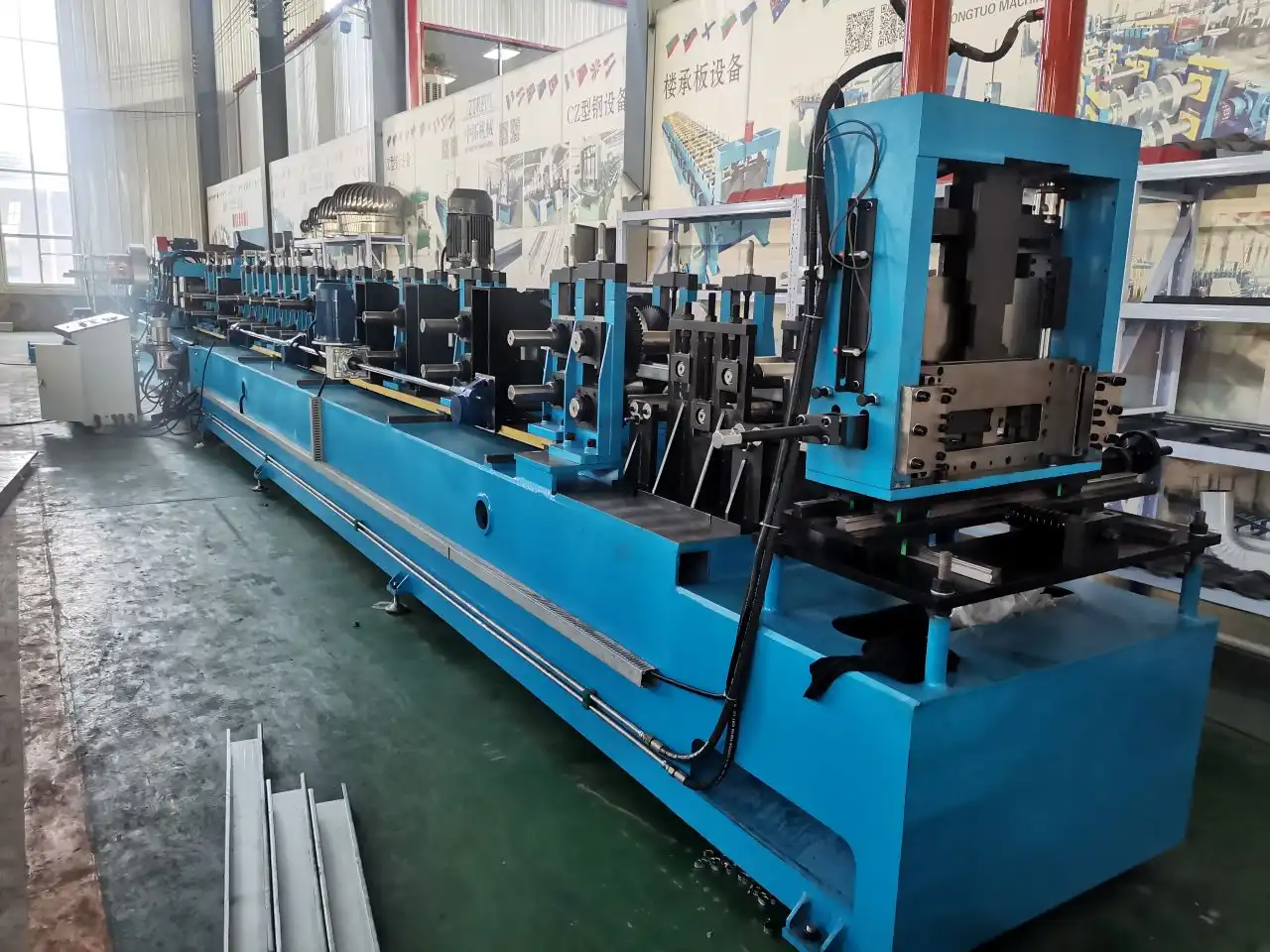
Leveraging Purlin and Rack System Machines for Flexible Scheduling
With the right cold roll forming equipment, you can do more than just shape steel. It also lets your scheduling system adapt to changing order mixes without having to start from scratch every time.
PLC-Controlled Automatic Size Changing
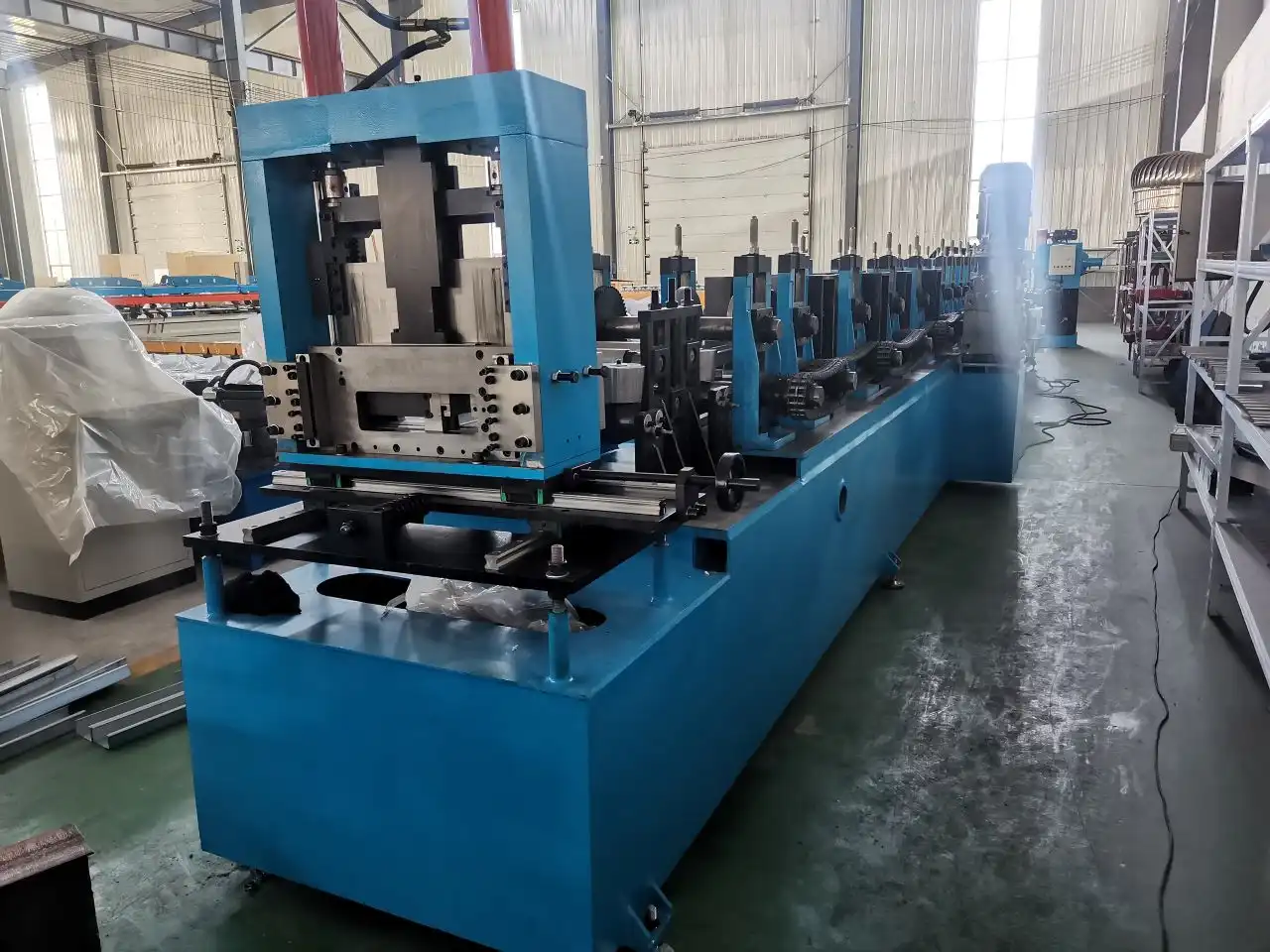
Modern roll forming lines for structural shapes use linear guides that are controlled by a PLC to move the forming stands on their own. It only takes two to four hours to change the size now, but it used to take that long. The cost of switching SKUs drops a lot when you have that one feature, which changes how you schedule a shared line.
Servo-Driven Punching for Profile-Specific Hole Patterns
Punching needs to be done carefully for both purlin lines and rack system machinelines, but the hole patterns are different for each. Servo-driven punching systems let workers save more than one punch program in the PLC and then call up the right pattern for each order. This gets rid of the need to switch dies by hand between jobs and cuts the work needed for each changeover by a certain amount.
Integrated Cutting and Stacking for Downstream Flow
A forming line that connects directly to automated stations for cutting to length and stacking takes away a big scheduling variable. As profiles leave the line, they are already sorted by length and job. This cuts down on the time spent on the floor sorting profiles and the chance that a mix-up will get to the wrong project.
All of these features work together to give production managers a tool that makes multi-SKU ordering workable instead of just a constant fire drill.
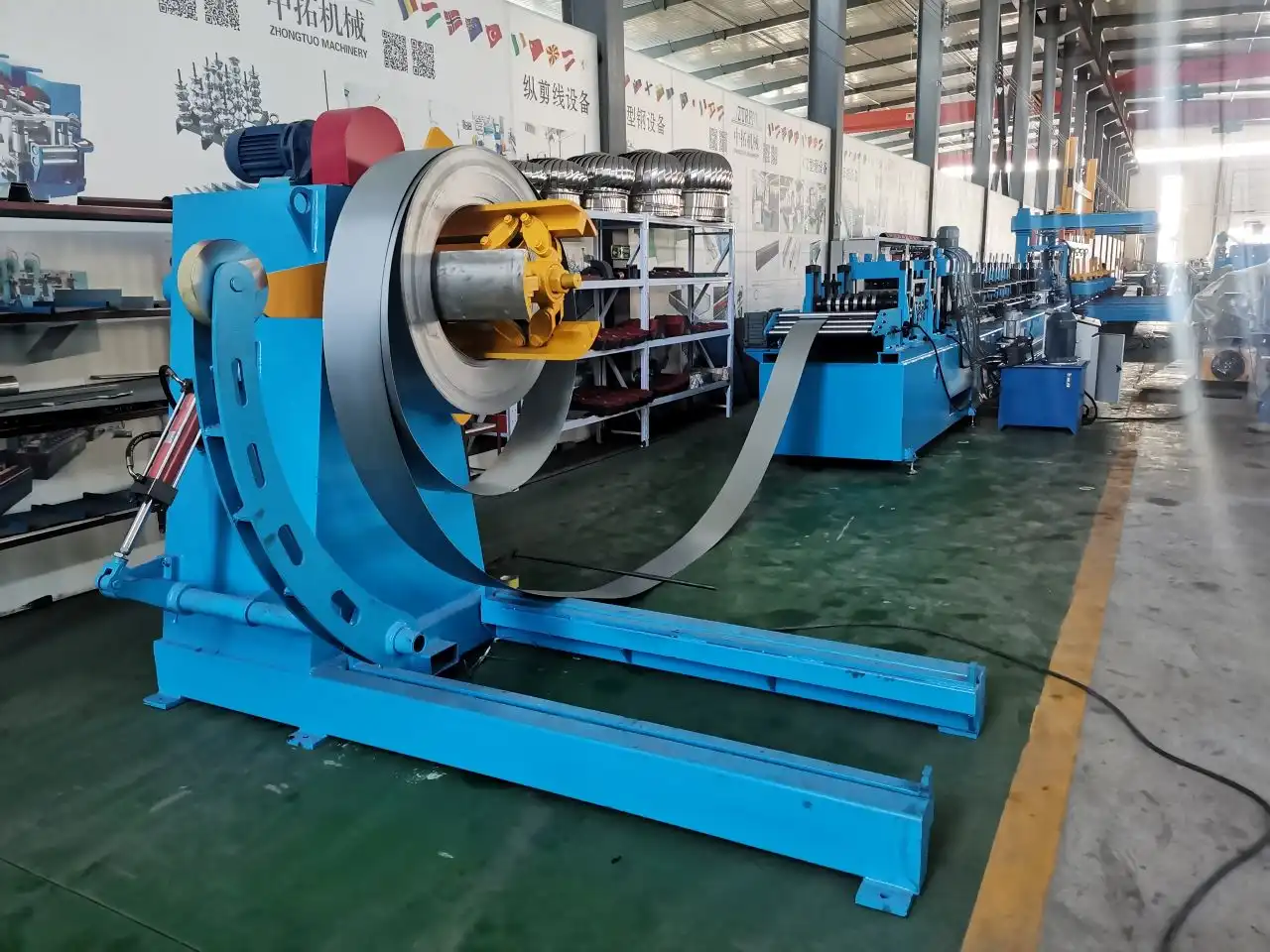
Best Practices for Scheduling Multi-SKU Small Batches on Shared Roll Lines
Having tools that can do the job is the first step. The only way to really cut down on wait times and protect order predictability is to build a repeatable scheduling method around it.
Sequence Orders by Material Grade and Profile Family
The number of full roller set changes in a shift can be cut down by putting jobs together that use the same steel grade or profile family. For example, C purlins should be put with rack uprights. Grouping by family keeps the PLC parameter jumps small and the adjustment cycle short, even on lines that switch over automatically.
Use Delivery Urgency to Set Daily Priorities
Not every order has the same effect on what comes after it. More important than restocking is a purlin order that is linked to the installation of a steel frame next week. You can make a schedule that covers your most important responsibilities first by sorting the day's tasks by delivery date before applying family grouping.
Maintain a Standardized Tooling Log
A batch run won't have to stop for no reason if you keep track of which roller set was last used for each profile size and how the cutting blades and punching dies are doing. Dies made from Cr12MoV mold steel usually need to be sharpened every 100,000 to 200,000 cuts. By keeping track of the real number of cuts, upkeep can be planned ahead of time instead of being an afterthought.
Consistently following these three steps won't get rid of all schedule conflicts, but they will cut down on the number of mid-shift problems and give your team a clear plan for how to handle the ones that do happen.
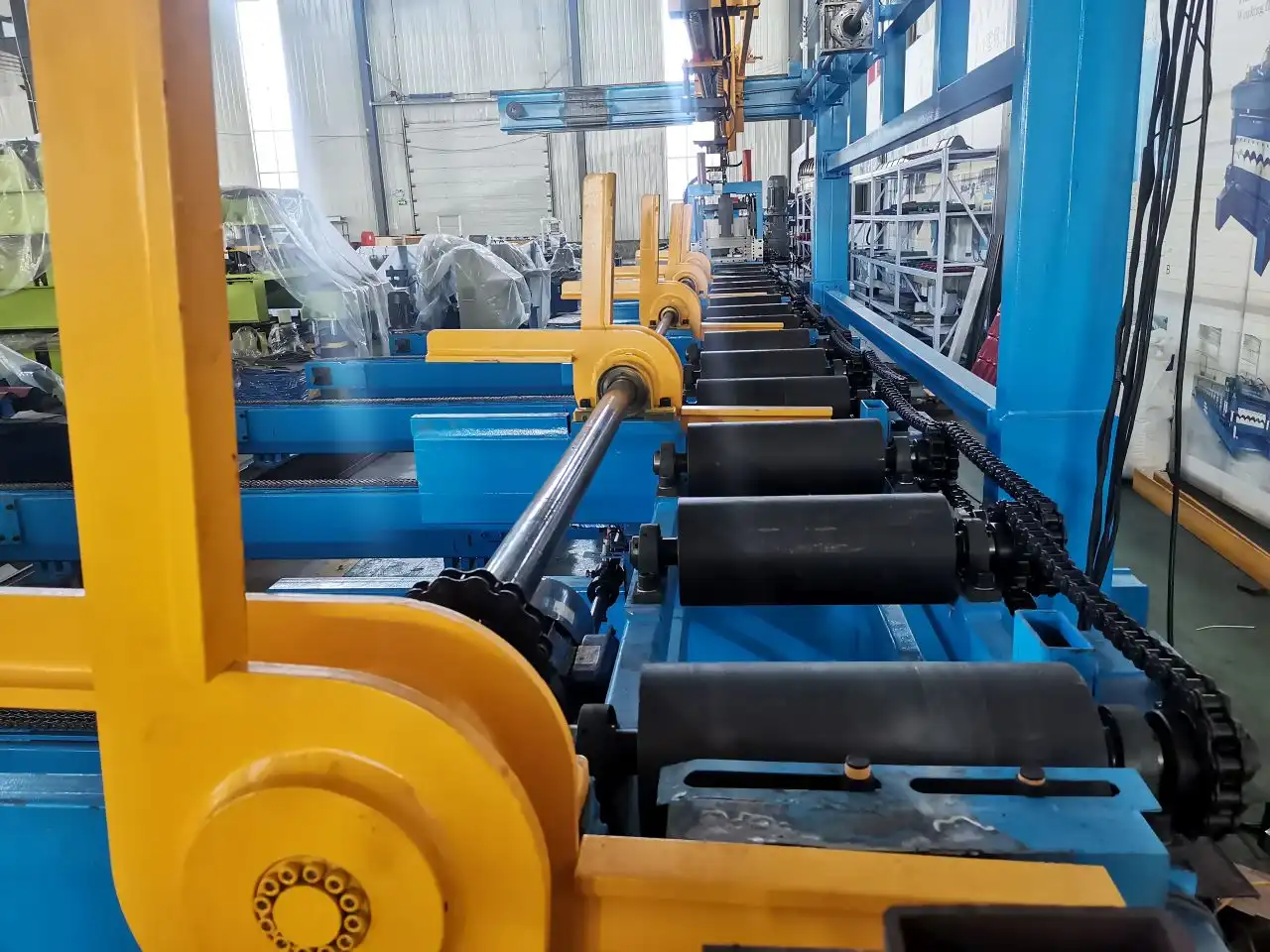
Comparing Roll Forming Solutions for Multi-SKU Production
Not every roll-making line can handle mixed-profile work the same way. Before deciding on a setup, you should carefully look at the differences between fully automatic and manually adjustable systems.
Automatic Size-Changing Lines
Fully automatic lines cost more up front, but they pay for themselves in time saved and freedom with schedules. A line with servo motors that automatically change the width and height can switch from a C150 purlin to a Z200 purlin in less than five minutes. That difference in speed is important for factories that make 10 or more SKUs per week.
Manual Adjustment Lines
Manual lines are still a good choice for tasks that have a narrow profile range and regular order patterns. The cost is lower, and if there are only two or three fixed sizes, the frequency of changes might not be high enough to justify the extra cost for full automation. Longer changeovers and a greater need for skilled operators are the costs.
CZ Interchangeable Configurations
A CZ interchangeable rack system machine can switch between C and Z profiles without replacing the whole roller set. It does this by using a rotating forming station, which is usually a 180-degree turnover assembly. For PEB makers and contractors who often supply both profile types to the same job, this setup gives them more production options at a price that is much lower than having two different lines.
The best option for you will depend on how many SKUs you have, how often you change them out every week, and the types of steel you work with. For materials with a tensile strength above G450, you need hardened rollers with confirmed HRC ratings. This is the requirement whether you choose automatic or human adjustment.
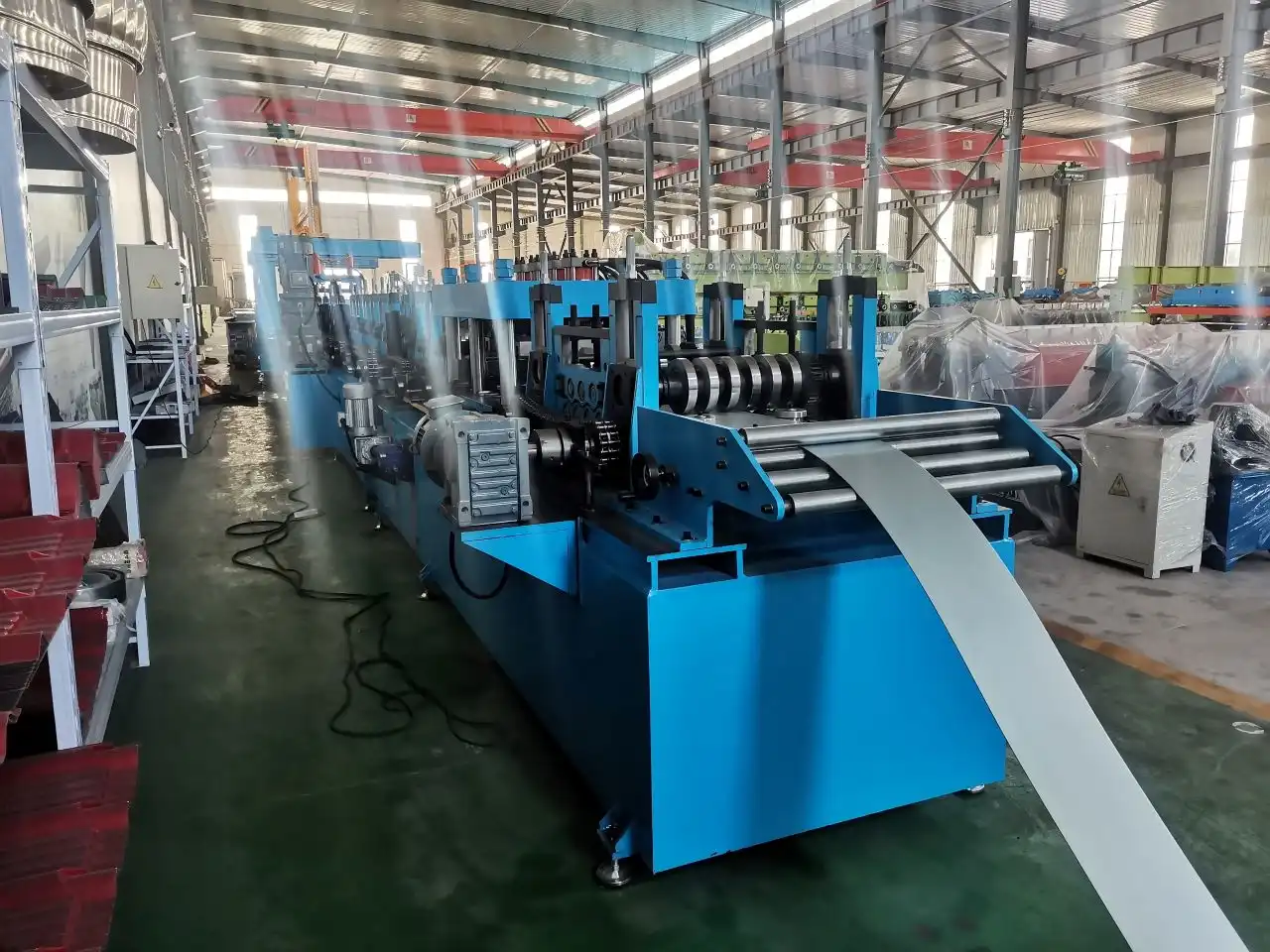
Maintenance, Safety, and Installation Tips for Sustained Performance
A roll-forming line that works with multiple SKUs has to work harder than a line that only works with one product. That extra work needs an upkeep level that matches.
Preventive Maintenance Schedules by Cut Volume
Monitor the condition of the blades and dies by the amount of work they actually do, rather than the date on the calendar. Cr12MoV steel blades can usually make 100,000 to 200,000 cuts before they need to be sharpened again. However, this range gets smaller when working with high-zinc coated or high-tensile materials. Making correct replacement times by keeping track of cuts made per die set.
Safety Protocols During Frequent Changeovers
In multi-SKU environments, more work needs to be done by hand than in single-product lines. For every roller adjustment, die swap, or guide change, lockout/tagout rules must be followed. Machine guarding standards set by OSHA should be followed on all lines, and operators should get more training every time a new profile type is added to the schedule.
Site Preparation and Installation
While standard cold roll forming machines don't need deep base bolts, they do need a strengthened, level concrete floor that is at least 150 mm deep. One of the most common reasons why vibrations cause profile misalignment is that the floor wasn't prepared properly, especially on lines moving faster than 25 meters per minute. When you install something correctly the first time, the measurements will stay accurate for as long as the line is in use.
Conclusion
It is possible to schedule a shared roll line for multiple SKUs as long as the equipment's capabilities are in line with a clear way for scheduling. It is useful for production teams to organize jobs by profile family, set priorities based on how quickly they need to be delivered, and keep track of tooling condition by cut volume. This system works on both purlin lines and rack system lines. The cost of each shift is cut down enough by machines with PLC-controlled automatic size changing and servo-driven cutting to make mixed-SKU production really efficient. It's not to get rid of changeovers; the goal is to make each one quick, controlled, and responsible.
FAQ
1. How does an automatic size-changing roll forming line compare to a manual one for multi-SKU production?
Servo systems run by PLCs move the making stands on automatic lines. A size change takes two to five minutes. Stand-by-stand adjustments for manual lines take two to four hours. If your business ships more than five SKUs a week, an automatic line will save you time and help you meet your plan.
2. Can one machine produce both C purlins and Z purlins?
Yes. To switch between C and Z profiles, CZ interchangeable machines have a forming station that rotates, usually in a 180-degree circle. Because of this, they work well for PEB makers and contractors who offer both types of profiles for building and shelving projects.
3. What steel grades do these roll forming lines handle?
Most lines for cold rolling structural profiles work with high-tensile steel from G300 to G550 and galvanized coils with a coating weight of up to Z600. To work with high-tensile grades without deforming, roller hardness must be checked. Usually, HRC 58–62 is used for Cr12MoV steel.
4. How often should cutting blades and punching dies be replaced?
Most dies made from Cr12MoV mold steel need to be sharpened every 100,000 to 200,000 cuts. Tracking real cut counts instead of calendar times makes it easier to know when to change dies and increases their total useful life.
Ready to Configure a Multi-SKU Roll Forming Line? Talk to ZTRFM
Since 2014, ZTRFM has been designing and making cold roll forming equipment. They have helped customers in over 150 countries with their purlin and rack system machines. Our lines are certified by ISO9001, CE, and CAS, and they are designed to work with high-tensile steel and can change sizes automatically with PLC control. We can make OEM and ODM configurations to fit your exact production schedule, whether you need a CZ interchangeable line or a dedicated rack profile system. To get full details, email our team at zhongtuorollforming@gmail.com.
References
1. Groover, M. P. Fundamentals of Modern Manufacturing: Materials, Processes, and Systems. Wiley, 2020.
2. Halmos, G. T. Roll Forming Handbook. CRC Press, 2006.
3. Singh, R. Production Planning and Control. S. Chand Publishing, 2019.
4. Sheet Metal Industries Journal — "Flexible Roll Forming for Variable Batch Production," 2021.
5. American Iron and Steel Institute. Steel Construction Manual, 14th Edition. AISC, 2017.
6. Journal of Manufacturing Science and Engineering — "Scheduling Strategies for Mixed-Model Production Lines," ASME, 2022.