- English
- French
- German
- Portuguese
- Spanish
- Russian
- Japanese
- Korean
- Arabic
- Irish
- Greek
- Turkish
- Italian
- Danish
- Romanian
- Indonesian
- Czech
- Afrikaans
- Swedish
- Polish
- Basque
- Catalan
- Esperanto
- Hindi
- Lao
- Albanian
- Amharic
- Armenian
- Azerbaijani
- Belarusian
- Bengali
- Bosnian
- Bulgarian
- Cebuano
- Chichewa
- Corsican
- Croatian
- Dutch
- Estonian
- Filipino
- Finnish
- Frisian
- Galician
- Georgian
- Gujarati
- Haitian
- Hausa
- Hawaiian
- Hebrew
- Hmong
- Hungarian
- Icelandic
- Igbo
- Javanese
- Kannada
- Kazakh
- Khmer
- Kurdish
- Kyrgyz
- Latin
- Latvian
- Lithuanian
- Luxembou..
- Macedonian
- Malagasy
- Malay
- Malayalam
- Maltese
- Maori
- Marathi
- Mongolian
- Burmese
- Nepali
- Norwegian
- Pashto
- Persian
- Punjabi
- Serbian
- Sesotho
- Sinhala
- Slovak
- Slovenian
- Somali
- Samoan
- Scots Gaelic
- Shona
- Sindhi
- Sundanese
- Swahili
- Tajik
- Tamil
- Telugu
- Thai
- Ukrainian
- Urdu
- Uzbek
- Vietnamese
- Welsh
- Xhosa
- Yiddish
- Yoruba
- Zulu
What bulb size fits a standard t grid roll forming machine?
If you've been searching for a clear answer to this question, you're in the right place. The bulb—sometimes called the bottom flange or lower hem—is the rounded or folded edge at the base of a T-bar profile. On a standard t grid roll forming machine, the bulb width typically ranges from 24 mm to 32 mm, depending on the profile specification (Main Tee or Cross Tee), material thickness (0.12–0.4 mm GI or PPGI), and the tooling set installed. Getting this dimension right directly affects how ceiling tiles seat, how level the grid hangs, and how much scrap you generate per shift.
Understanding the Bulb Size in T Grid Roll Forming Machines What "Bulb Size" Actually Means
The bulb is the bottom part of a T-bar that hangs from the ceiling and has been folded. It's what you see that keeps acoustic or mineral fiber tiles in place. The bulb width, which is the width of the visible lower face, affects the depth of the tile seating, how the load is distributed, and the width of the visual line. Standard reveal widths are 32 mm and narrow reveal widths of 24 mm, but special shapes can be made in any width.
How Material Properties Affect Bulb Dimensions
The choice of material has a direct effect on the shape of the tool. The top of the T-bar is made of PPGI strip that is 0.12–0.3 mm thick, and the bottom is made of GI strip that is 0.2–0.4 mm thick. When thinner gauges bend, they spring back more, so the roller die has to make up for that. How tightly the hem closes depends on both the tensile strength and the stiffness of the surface finish. For example, a bulb that is too small on steel that has already been painted will cause the paint layer to crack at the fold.
Bulb Size and Machine Design Compatibility
The bending is spread out over a roll forming line with 18 stations for the Main Tee and 16 stations for the Cross Tee. At each station, a small incremental bend is made. The hem is closed step by step at the bulb-forming stations, which are usually the last four to six. Machines made for a 24 mm bulb can't just run a 32 mm bulb; the roller stations need to be retooled. It's much cheaper to make sure of the bulb size before ordering the tools.
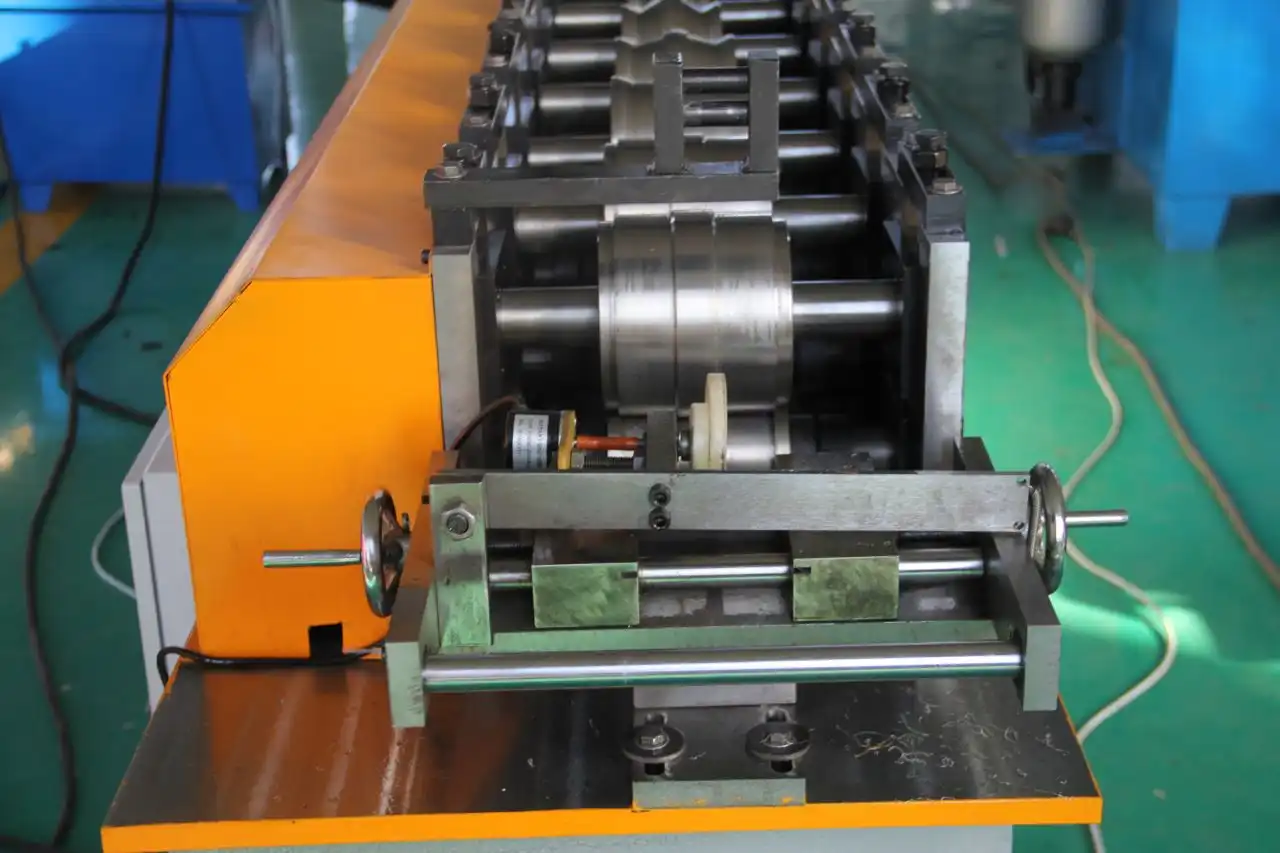
Technical Insights into T Grid Roll Forming Machine and Bulb Size Compatibility
The Forming Sequence and the Bulb Phase
On a ceiling grid line, the making process starts with passing the strip through the decoiler, which has an inner diameter of 450–550 mm and a load capacity of 1.5 tons. The strip then goes through web-to-grid roll forming machine stations, flange stations, and finally bulb-closing stations. Any variation in the bulb phase can be seen all the way through the finished product, so it needs the strictest control over dimensions. Our t grid roll forming machine lines can work at speeds between 0 and 20 m/min, and they can punch and cut straight while keeping the shape of the profile fixed.
Material Grade, Hardness, and Tooling Wear
When galvanized steel strip is formed, contact forces occur. GB-Cr12 roller material can handle these stresses. At the stations where the bulbs close, where contact pressure is highest, rollers made of lower-grade steel wear out faster. As the tools wear out, the bulb hem opens up a little, which lowers the depth of the tile seating and over time causes the grid to sag. Scrap rates stay below 0.5% by replacing old bulb-forming rollers at the right time, which is based on production meters instead of calendar time.
Calibration and Troubleshooting Best Practices
After making the first 50 meters, the profile height is checked with a vernier caliper as the first step in calibration. If the bulb width is off by more than 0.1 mm, you need to fix the roller gap at the close station before going on. Some common flaws are open hems (gap too wide), cracked paint at the fold (gap too tight), and lateral bow (entry guide not lined up right). Fixing these problems early on stops batch rejects and keeps the integrity of the surface that has already been painted.
Comparing Bulb Sizes: Choosing the Right Fit for Your Production Needs
Throughput vs. Profile Quality
It's hard to find the right balance between light size and output goals. Because the 24 mm bulb profile is narrower, the roller tolerances need to be tighter. If your line isn't tuned, this can slow down the effective throughput. A standard 32 mm bulb is easier on most lines, but it adds a little more material per meter. Here are some useful things that go into this decision:
- 24 mm narrow-reveal bulb: Preferred for high-end office and retail fit-outs where a fine sight line matters; requires tighter calibration and pre-painted PPGI at 0.12–0.3 mm.
- 32 mm standard bulb: The most common specification for commercial suspended ceilings; works with both GI and PPGI strip; easier changeover between Main and Cross Tee tooling sets.
- Custom bulb widths (28 mm, 38 mm): Used for acoustic or heavy-load tiles; requires a dedicated tooling cassette and longer qualification runs.
If you pick the wrong bulb size for your tile, you'll have to redo the installation, which quickly eats away at your profit margin on big business jobs.
Manual vs. Automated Bulb Adjustment
For shops that always use the same shape, manual shim-based tuning works. Automated servo-driven systems let operators change the parameters of the bulb tooling through a PLC interface. Our lines support this feature with controls based on Siemens. Changeover time is cut from about 45 minutes to less than 15 minutes by automated adjustment. This is important when finishing mixed orders for Main Tee and Cross Tee types.
Energy and Safety During Changeover
There are pinch-point risks with bulb-station roller changes. Be sure to follow the right lockout/tagout steps before you do a roller swap. The lines that use heavier 0.4 mm GI strip at the bulb station use more motor current than the lines that use 0.12 mm PPGI. Keeping an eye on the motor power during the bulb-closing phase helps find differences in strip width before they damage the tools.
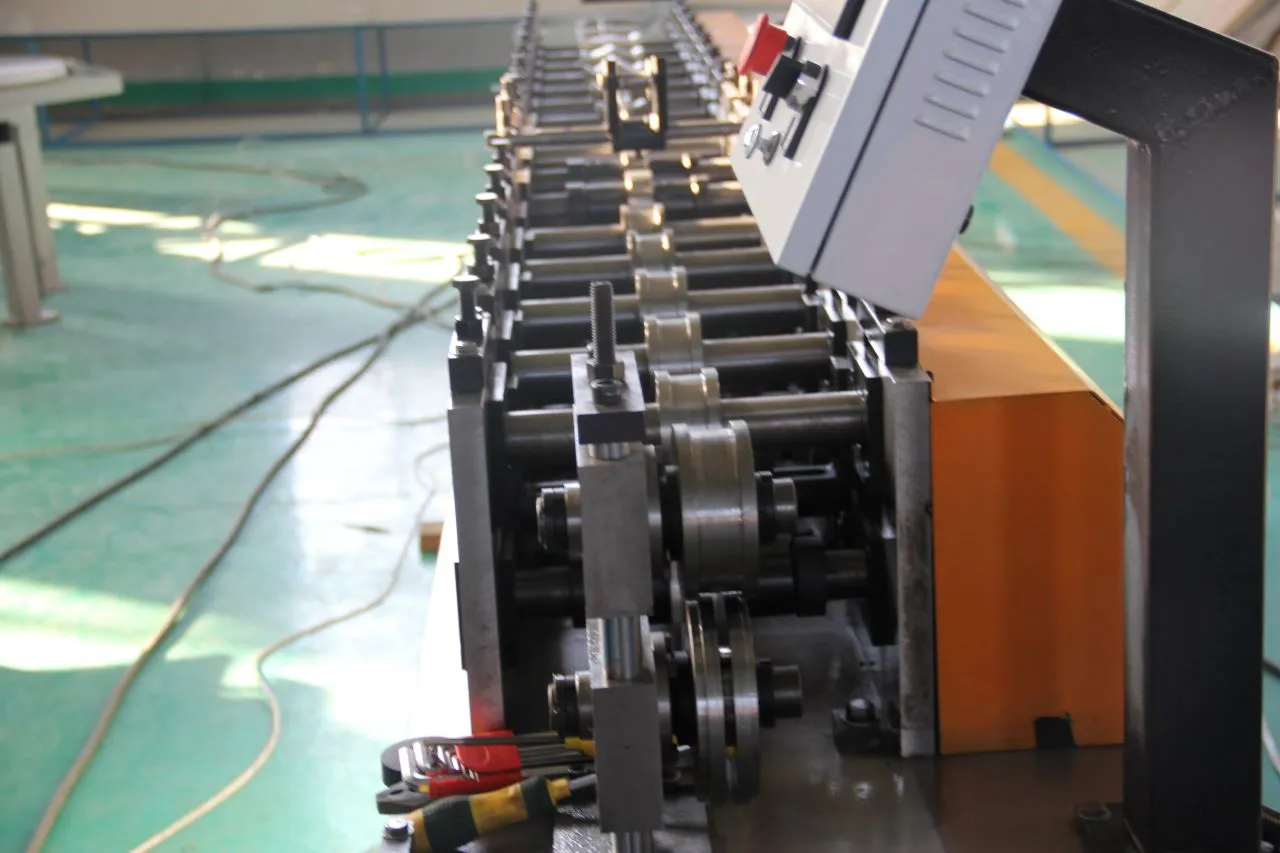
Procurement Guide: Buying the Right T Grid Roll Forming Machine for Bulb Size Demands
Evaluating Manufacturers on Bulb Flexibility
When looking for a t grid roll forming machine supplier, make sure you ask how many bulb sizes are included in the standard tooling package and if there are multi-profile cassettes available. A company that grinds its own CNC tools can make a custom bulb profile faster than one that hires someone else to do it. Check that the roller material is certified to be GB-Cr12 or an equivalent. This has a big impact on the life of the bulb die.
OEM Tooling vs. Aftermarket Alternatives
When OEM tools are ground to the same CNC specs as the original rollers, the profile shape stays the same over long production runs. Many aftermarket roller sets have wider size margins and may cost 20–30% less up front. This can show up as differences in bulb width after a few million meters of strip. When scrap and re-calibration time are taken into account, the total cost of replacement tools is rarely less for high-volume makers who cut and punch at 0 to 20 m/min all the time.
Installation, Warranty, and After-Sales Support
Before the first production run, professional commissioning at startup makes sure that the decoiler is aligned correctly, the roller station heights are correct, and the bulb-closing pressure is just right. The warranty should make it clear how much the bulb-forming rollers wear out. Remote diagnostics for after-sales support—our lines connect to Siemens cloud IoT for real-time monitoring—let engineers check bulb-station parameters without having to go to the site, which cuts down on downtime and travel costs.
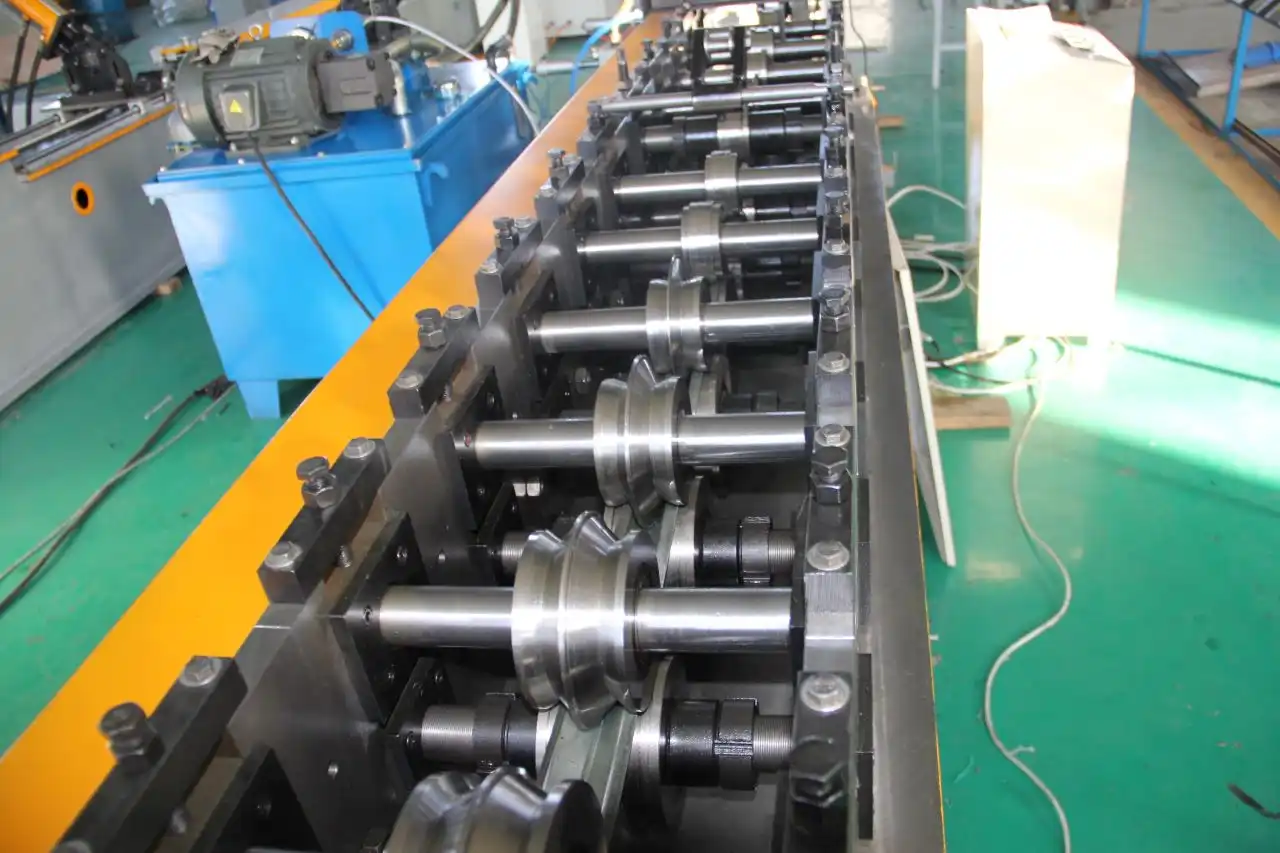
Future Trends and Innovations in Bulb Size Adaptation for T Grid Roll Forming Machines
Smart Sensors and Real-Time Bulb Monitoring
Inline laser measurement systems can now read the width and height of the bulb and flange while the line is running at full speed. They send the information back to the PLC so that small changes can be made without stopping the line. On high-speed commercial lines, this level of real-time quality feedback is going from being optional to expected. This is especially true for companies that supply ceiling grid to seismic-rated building projects where compliance with building dimensions is checked.
Reducing Material Waste Through Precision Tooling
When bulb tolerances are tighter, less strip is spent on shapes that don't meet specifications. Some manufacturers have been able to cut profile scrap by 15–20% using CNC-ground roller sets and real-time feedback instead of physically adjusting lines. Since the PPGI strip is a big cost, this increase has a direct effect on the margin.
Planning for Industry 4.0 Machine Upgrades
When looking to buy a new line, procurement teams should check to see if the control system is flexible enough to allow for the addition of sensors in the future. It is much easier to make small changes to lines built on Siemens PLC platforms that are connected to the cloud and use IoT. This forward compatibility protects the initial investment as building trends change the needs for bulb sizes.
Conclusion
Bulb size isn't a small thing; it has a direct effect on how well the ceiling tiles fit, how the load is distributed, and how good the ceiling looks. Sizes range from 24 to 32 mm, and the thickness of the material (0.12 to 0.4 mm GI/PPGI), the number of roller stations (18 for Main Tee and 16 for Cross Tee), and the PLC calibration all play a part. Finding a t grid roll forming machine line with real GB-Cr12 tools, a 1.5-ton decoiler, and controls that are connected to the Internet of Things (IoT) gives you the accuracy in measurements and dependability in operations to keep production going. Custom tooling is the way to go if your output needs are not in the usual range.
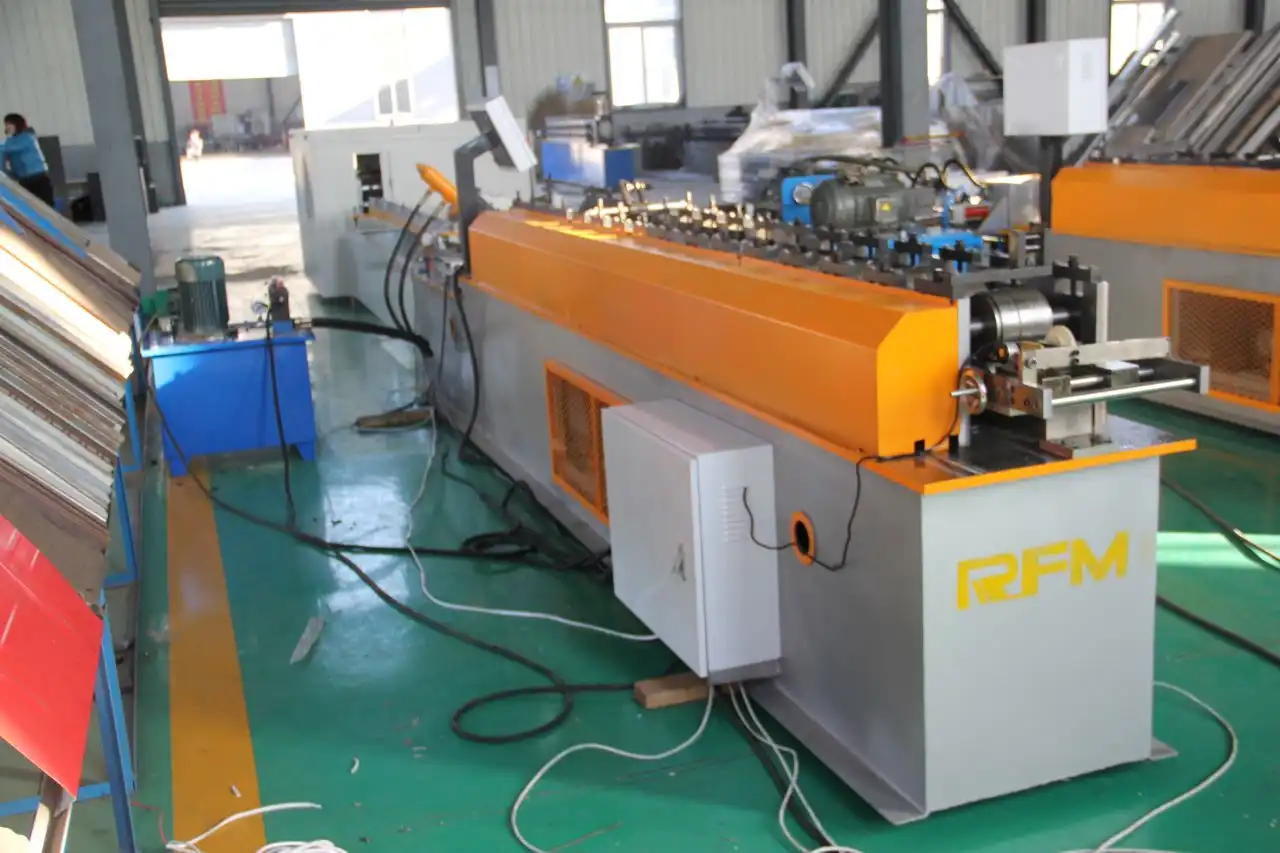
FAQ
1. Can one machine produce both 24 mm and 32 mm bulb profiles?
Yes, but it requires a tooling changeover at the bulb-closing stations. Lines with multi-profile cassette systems reduce this changeover to under 15 minutes. Without cassettes, expect 30–45 minutes of downtime per switch.
2. What material thickness works best for a clean bulb hem?
For the T-bar bottom section, 0.2–0.4 mm GI strip produces a clean hem with minimal springback. Thinner PPGI at 0.12–0.3 mm for the top cap requires tighter roller gap control to avoid paint cracking at the fold.
3. How often should bulb-forming rollers be replaced?
Track production meters rather than calendar time. With GB-Cr12 rollers forming standard GI strip, most producers schedule roller inspection every 500,000 meters and replacement as needed based on bulb width measurement data.
4. Does work speed affect bulb accuracy?
Yes. At speeds above 15 m/min with inline punching, any play in the entry guide amplifies bulb width variation. Servo-feed systems maintain strip tension consistently across the 0–20 m/min range, which keeps bulb geometry within ±0.1 mm.
5. What certifications should a supplier hold for bulb tooling compliance?
Look for ISO 9001 for quality management, CE marking for machinery safety, and CAS certification where applicable. These certifications confirm that both the machine and its tooling meet documented dimensional and safety standards.
Get a Custom Bulb-Size Quote From ZTRFM Today
In the years since 2014, ZTRFM has sold t grid roll forming machines to companies in more than 150 countries. Notable customers include Tata Group and DS Group. We have GB-Cr12 rollers, 18-station Main Tee making, a 1.5-ton decoiler, and Siemens IoT connection on our lines. Our engineering team is ready to help you whether you need a standard 24/32 mm bulb line or a brand-new OEM tooling package. You can email us at zhongtuorollforming@gmail.com to get a quote for a T-grid roll forming machine specification sheet and factory price.
References
1. American Society for Testing and Materials. ASTM C635: Standard Specification for the Manufacture, Performance, and Testing of Metal Suspension Systems for Acoustical Tile and Lay-In Panel Ceilings. ASTM International, 2022.
2. Steel Framing Industry Association. Technical Guide for Cold-Formed Steel Framing Products. SFIA, 2021.
3. European Committee for Standardization. EN 13964: Suspended Ceilings — Requirements and Test Methods. CEN, 2014.
4. Halmos, George T. Roll Forming Handbook. CRC Press, 2006.
5. American Iron and Steel Institute. North American Specification for the Design of Cold-Formed Steel Structural Members. AISI S100, 2020.
6. International Organization for Standardization. ISO 9001: Quality Management Systems — Requirements. ISO, 2015.