- English
- French
- German
- Portuguese
- Spanish
- Russian
- Japanese
- Korean
- Arabic
- Irish
- Greek
- Turkish
- Italian
- Danish
- Romanian
- Indonesian
- Czech
- Afrikaans
- Swedish
- Polish
- Basque
- Catalan
- Esperanto
- Hindi
- Lao
- Albanian
- Amharic
- Armenian
- Azerbaijani
- Belarusian
- Bengali
- Bosnian
- Bulgarian
- Cebuano
- Chichewa
- Corsican
- Croatian
- Dutch
- Estonian
- Filipino
- Finnish
- Frisian
- Galician
- Georgian
- Gujarati
- Haitian
- Hausa
- Hawaiian
- Hebrew
- Hmong
- Hungarian
- Icelandic
- Igbo
- Javanese
- Kannada
- Kazakh
- Khmer
- Kurdish
- Kyrgyz
- Latin
- Latvian
- Lithuanian
- Luxembou..
- Macedonian
- Malagasy
- Malay
- Malayalam
- Maltese
- Maori
- Marathi
- Mongolian
- Burmese
- Nepali
- Norwegian
- Pashto
- Persian
- Punjabi
- Serbian
- Sesotho
- Sinhala
- Slovak
- Slovenian
- Somali
- Samoan
- Scots Gaelic
- Shona
- Sindhi
- Sundanese
- Swahili
- Tajik
- Tamil
- Telugu
- Thai
- Ukrainian
- Urdu
- Uzbek
- Vietnamese
- Welsh
- Xhosa
- Yiddish
- Yoruba
- Zulu
Rust risks you forget with an aluminium roofing sheet making machine
If you run a panel manufacturing business, you worry about material prices, line speed, and profile correctness every day. Rust, in contrast, tends to silently stay in the background – until it doesn’t. An aluminium roofing sheet making machine processes non-ferrous coil. Many purchasers think corrosion is an issue for somebody else. That presumption costs actual dollars. Within the machine, the iron parts – rollers, shear blades, frames, guide rails – are subject to oxidation. When they rust, they deposit surface imperfections straight onto your final panels. This tutorial discusses how the appropriate machine specification helps you avoid rust hazards before they reach your production floor and talks through the rust issues procurement teams most commonly ignore.
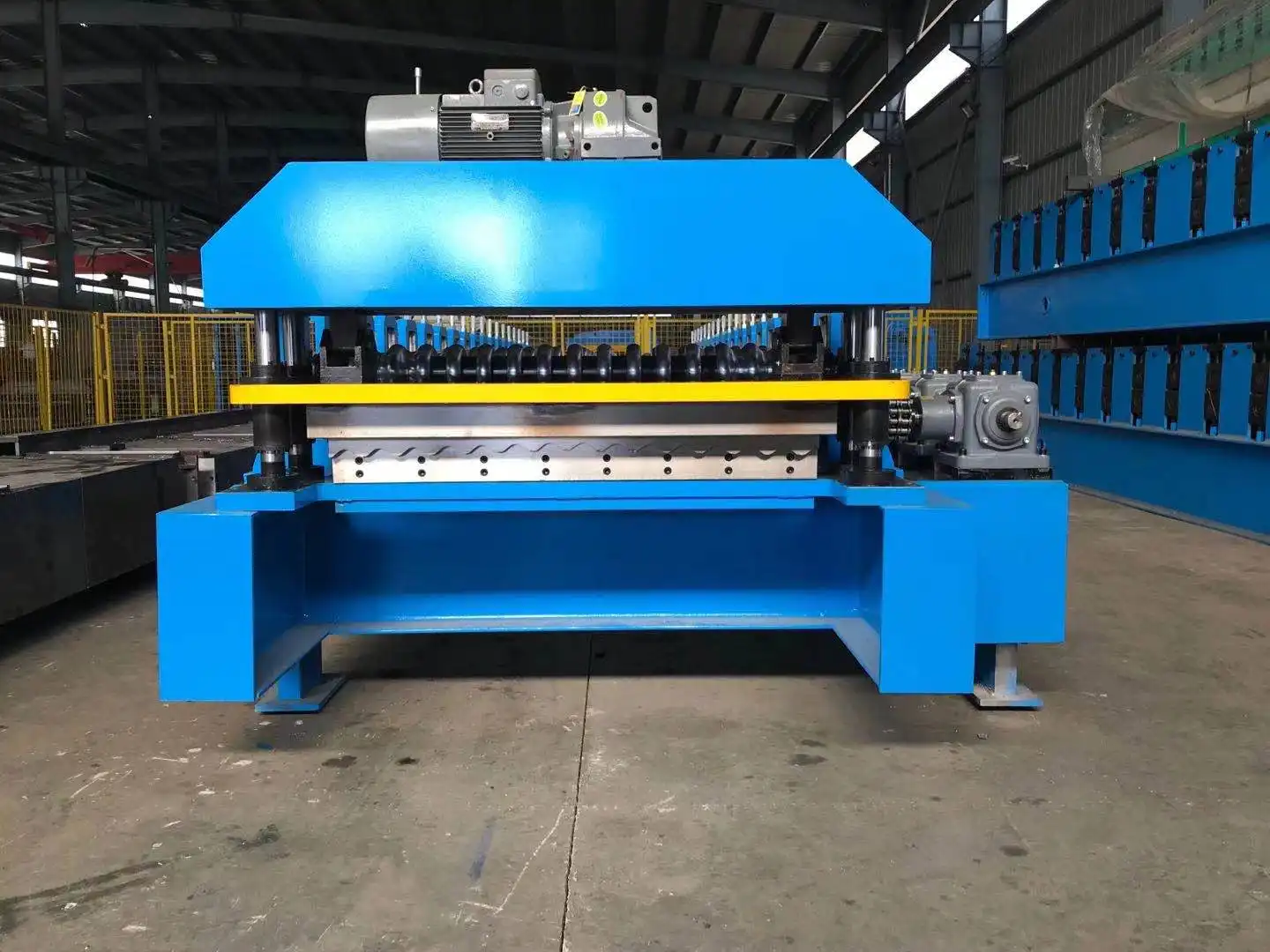
Understanding Rust Risks in Aluminium Roofing Sheet Making Machines
Aluminum cannot be described using the word "rust" since it is not a suitable phrase. Following the completion of this procedure, a thin coating of aluminum oxide is formed, which is then applied to the base metal. When it comes to roll-forming, components made of steel are not capable of performing the task at hand.
The Steel-Aluminium Contact Problem
Any little corrosion on the steel roller face will cut the covering when it touches an aluminum or PPGI coil surface under pressure. The ASTM B117 salt-spray test reveals that 5 µm of surface rust on a forming roller is enough to damage a PVDF paint layer that is expected to last 25 years in the open air. In your final panel, the scratch represents a starting point for corrosion.
Moisture as the Silent Accelerant
In humid areas, condensation within machine casings is a perennial problem. This is a recognized concern at U.S. facilities on the Gulf Coast. Water builds up around the roller shafts and hydraulic couplings and overnight destroys the exposed steel. If you don’t cover shear blades, one wet weekend might cause them to rust along their edges and burrs on the ends of cut panels.
Galvanic Corrosion at Mixed-Metal Joints
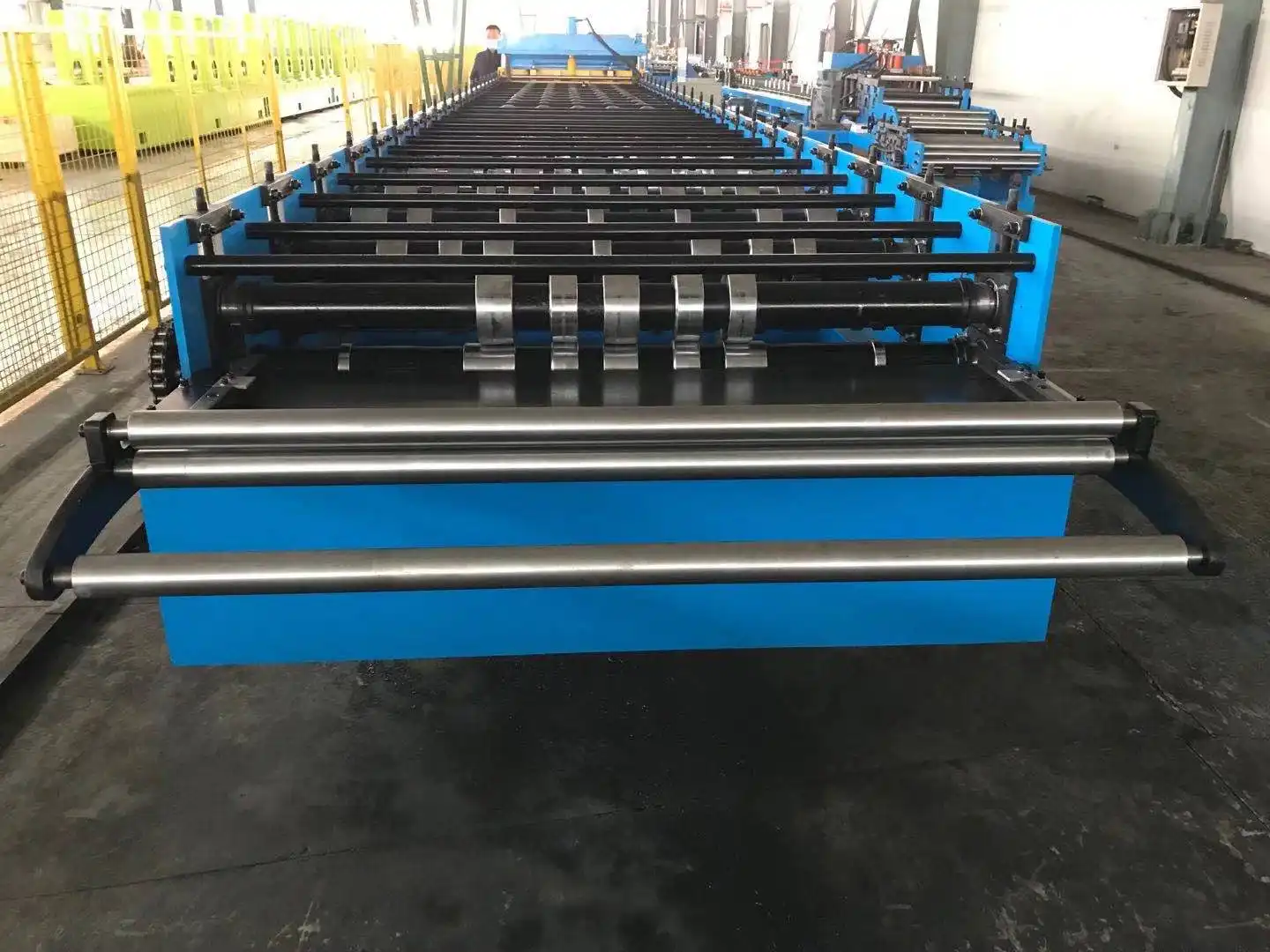
Galvanic corrosion may occur any place where an aluminum sheet is in contact with a steel fixture, such as a guide rail, hold-down finger, or entrance table. An electrochemical cell is a mixture of various metals and water. The margins of every panel that passes through worse, has dents in the aluminum surface at the point of contact.
Core Risk Factors and Prevention Principles
Having a simple understanding of the place where rust first appears is not adequate. In the first part of the work, you will be responsible for determining the needs of the machine and developing a maintenance plan that is in accordance with those criteria. This will guarantee that the aluminium roofing sheet makingmachinedoesnot start at all.
Roller Material and Surface Treatment
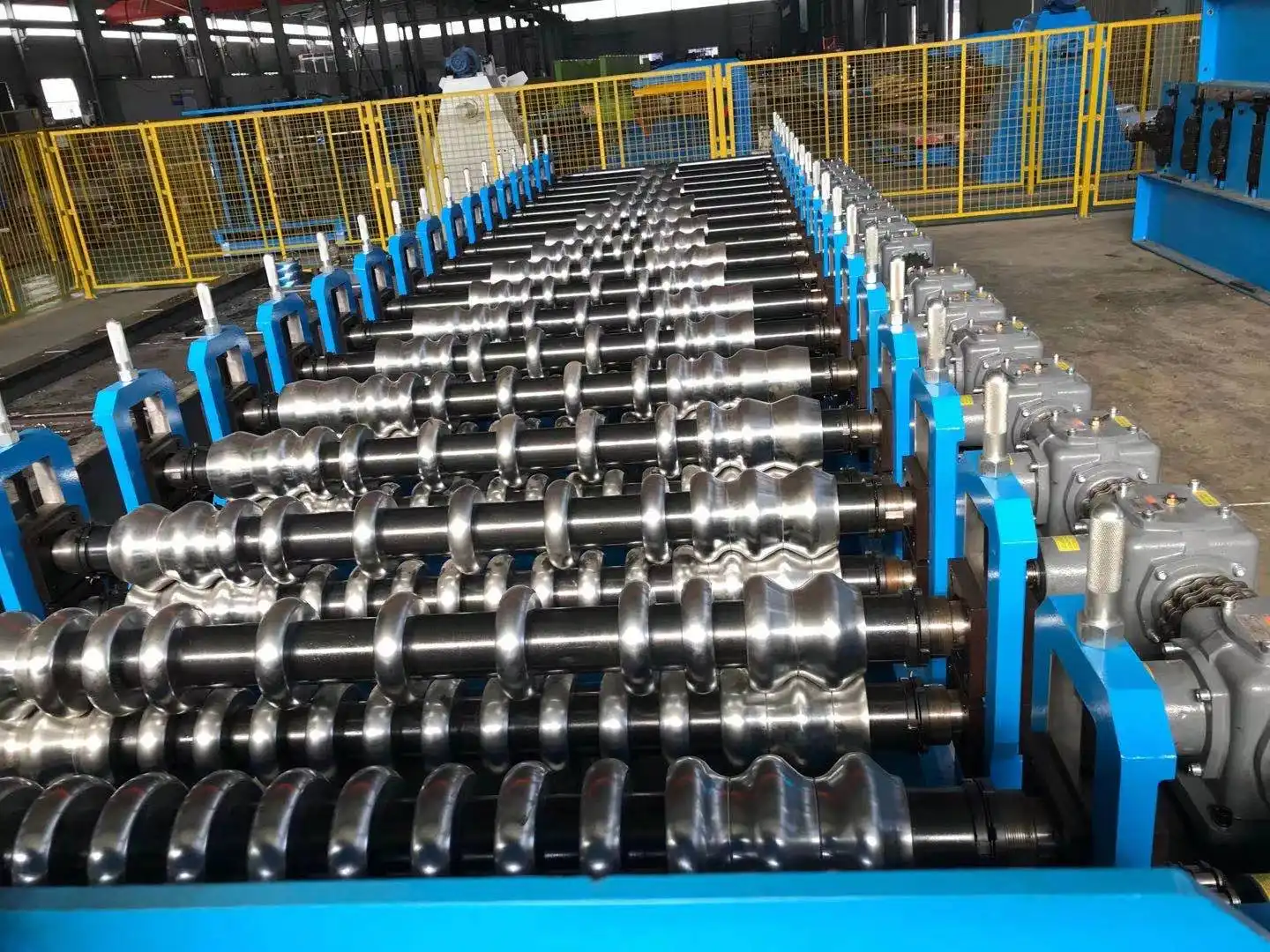
The quality of the rollers is the most important thing for keeping the tools from rusting. Rollers made from forged 40Cr or 45# steel that have been hardened and hard-chrome-plated to a surface hardness above HRC 58 form a shield that doesn't let rust or wear through. Chrome plating also lowers the friction coefficient against coated coil, which keeps the surfaces of PPGI and Galvalume panels safe while they are being formed.
Protective Coatings on Structural Components
Powder-coat or epoxy paint that is approved for industrial settings should be used on machine frames and side plates that are likely to get wet in the workshop. Hydraulic cylinder rods need to have their sides chrome-plated or nitride-treated to stop pits from forming. Pits lead to seal failure and oil leaks, which speed up rust in the area.
Scheduled Inspection and Lubrication Protocols
How often you check something determines how well it prevents rust. Most production managers find the following times to be useful:
- Daily: Wipe roller faces and guide rails dry; check for surface discolouration or pitting.
- Weekly: Apply food-grade or NLGI-2 grease to all roller shaft bearings; inspect hydraulic hose fittings for weeping moisture.
- Monthly: Remove roller cassettes and inspect shaft shoulders and keyways for oxidation; re-coat any bare metal with a rust-inhibiting oil film.
Following this plan greatly increases the useful life of tools. Real-world data from panel manufacturers in Southeast Asia shows that lines that follow a weekly lubrication protocol replace rollers about 40% less often than lines that do maintenance whenever they need to.
Comparing Machines for Durability and Corrosion Resistance
It's not true that all roll-forming lines have the same corrosion protection. When comparing quotes, procurement managers need to look at more than just the top price. They also need to look at the material specs.
Steel vs. Aluminium Structural Frames
Steel frames are cheaper and stronger, but they need to be protected with epoxy or powder coat to last in humid workshops. Aluminum alloy frames passively protect against surface oxidation, but heavy-gauge lines don't use them as much. Most business roll-forming lines have frames made of welded steel and industrial paint, which is fine as long as the paint is applied and kept up properly.
Manual vs. Automatic Lines and Rust Risk
Indirectly, automatic lines controlled by Siemens PLCs lower the risk of rust: stable line speed and roller pressure stop the material from sticking and micro-scratching that happens when an operator stops and starts the feed by hand. When there is steady motion, the grease films on the roller surfaces don't get scraped off during stop-and-start cycles.
What to Look for in a 2024 Model Line
When looking at what's on the market right now, the following features show that the tech behind the corrosion protection is real:
- Hard-chrome plated rollers with surface hardness ≥ HRC 58
- Hydraulic flying shear with chrome-rod cylinders and sealed reservoir
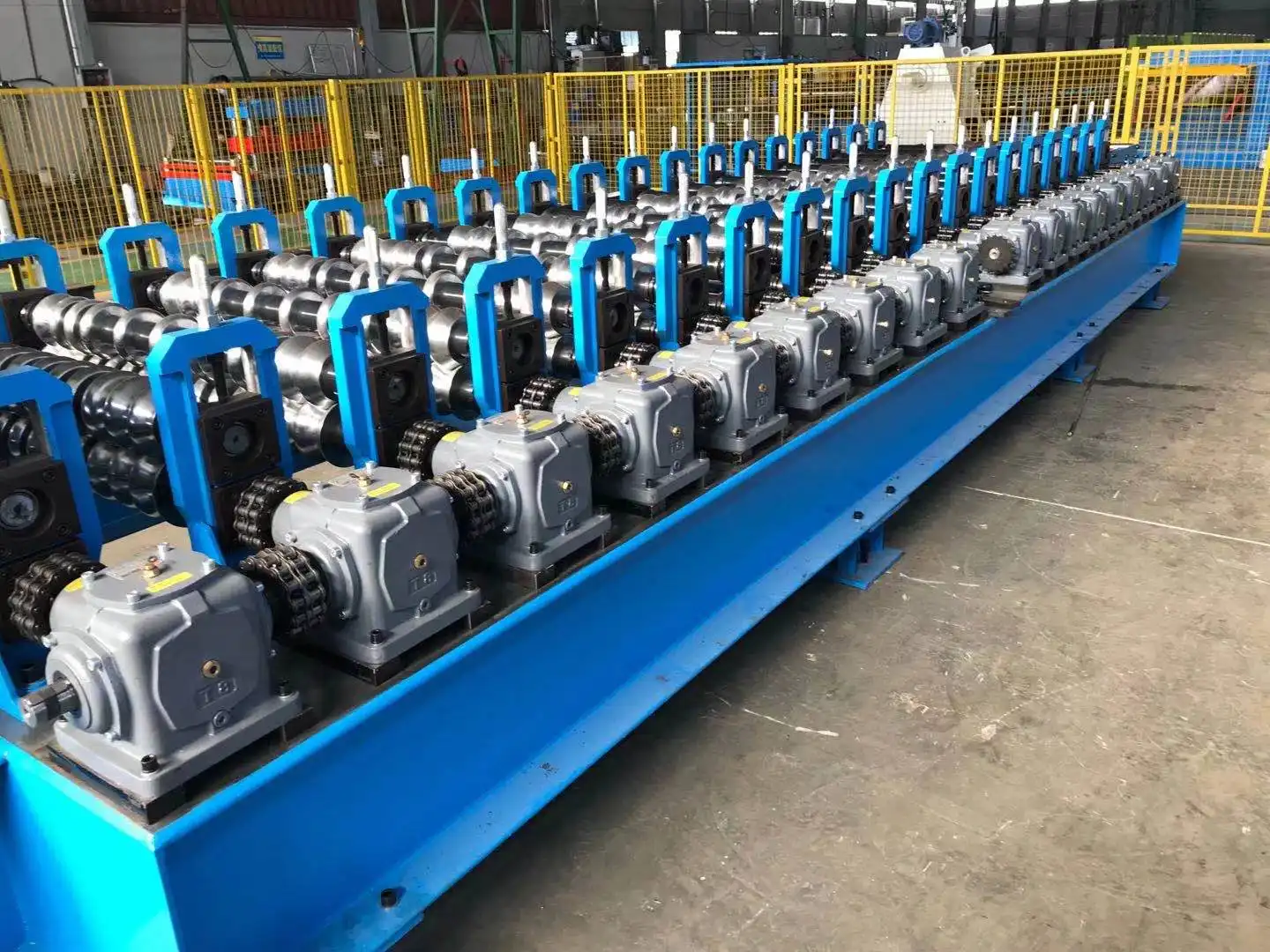
- Quick-change cassette tooling so rollers can be pulled, inspected, and re-oiled without extended downtime
- Siemens IoT remote diagnostics, enabling technicians to detect abnormal motor load that may indicate a seized, rusting roller bearing before it causes damage
Hard-chrome-plated rollers with a hardness of 58 or more on the surface
—A hydraulic flying shear with sealed reservoir and chrome-rod cylinders
Procurement Considerations: Selecting a Rust-Resistant Line
As a consequence of the significant financial commitment that is necessary to obtain a roll-forming aluminium roofing sheet making machine , rust prevention is something that needs to be treated as a matter of worry. In contrast, it is not something that should be added at the eleventh hour; rather, it is something that has to be addressed in preparation. This is something that should be done.
Matching Machine Spec to Your Environment
A plant on the coast of the United States that uses 032″ aluminum sheet or 24/22 Tru-Gauge™ steel is more likely to rust than a plant in the middle of the country. Coastal buyers should ask for all outdoor panels to have stainless steel fasteners, electrical cabinets that are sealed and rated IP54 or higher, and chrome-rod hydraulic pistons as standard.
Evaluating the Supplier's After-Sales Network
When a shear blade or roller set wears out, the machine that makes PBR or R-panel profiles needs to be able to quickly get real replacement parts. The profiles can be any length from 3 feet to 20 feet 10 inches, and the structure can have purlin spacing of up to 6 feet. Ask the supplier for written lead times on replacement tools and make sure that roller drawings are kept on file so that they can be made again if necessary.
Total Cost of Ownership vs. Purchase Price
If a line costs $5,000 less but uses rollers that haven't been hardened, it could cost $12,000 to $18,000 more over three years just to replace the rollers. Think about the covering warranty on finished panels. If a rusty roller scratches PPGI panels that fail the customer's 10-year paint guarantee, the cost of being sued is much higher than any savings you made up front.
Practical Maintenance and After-Sales Strategies
The combination of a dependable machine and a repair method that has been meticulously prepared is a powerful combination that yields powerful outcomes when brought together. When taken into consideration independently, these two pieces of information are inadequate. Neither one of them is sufficient on its own. Neither one comes close.
Building a Rust Risk Defense Schedule
The most dependable technique to avoid issues still remains established maintenance schedules and trained workers. Have some personnel in charge to inspect the rollers daily and note any color or surface changes, and treat any rust spots immediately using a rust converter before it gets worse.
Partnering with OEM Support
Real spare parts. Hard-chrome plating solves the surface roughness issue, which is reintroduced by replacement roller sets produced to looser tolerances. With certified OEM support channels, you can be certain that replacement parts will fulfill original plating and surface hardness specifications.
IoT-Enabled Condition Monitoring
Siemens cloud IoT lines enable remote employees to monitor motor current draw in real time. A bearing beginning to seize due to rust requires greater current before it dies. If you get that signal early, you can replace only one bearing instead of the full shaft assembly, and that will save a lot of money and effort.
Conclusion
Even when you are using aluminum coil, rust will attack. It chases the steel bits that assist you in shaping, cutting, and guiding each panel you manufacture. Set up and maintain your aluminium roofing sheet makingmachineproperly,and you may minimize the hazards of scored panel coatings, burr-edged cut edges, stopped bearings, and galvanic pitting. Procurement teams should not treat corrosion prevention as an afterthought, but as a purchasing consideration. This protects their initial investment and the quality of the produced panels. The recommendations in this article will provide you with a good approach to achieve it.
FAQ
1. Can an aluminium roofing sheet making machine ever be fully rust-proof?
No machine with steel internal components is fully rust-proof. However, chrome-plated rollers, sealed hydraulic systems, and regular maintenance reduce corrosion risk to a manageable level that does not affect production quality.
2. What environmental conditions accelerate rust on roll-forming equipment?
High relative humidity (above 70%), coastal salt air, and ammonia-rich agricultural environments are the main accelerants. In those conditions, increase lubrication frequency and consider stainless hardware on exposed fittings.
3. How often should roller surfaces be inspected for corrosion?
Daily visual checks and weekly tactile inspections are the recommended minimum. Any surface roughness on a forming roller should be investigated immediately, as even minor pitting transfers to panel surface finish.
4. Does processing Galvalume or PPGI coil increase rust risk on machine components?
PPGI coil reduces it slightly because the paint layer provides a buffer. Bare Galvalume coil, with its aluminium-zinc surface, is chemically active enough to cause mild galvanic interaction with uncoated steel guide surfaces. Keeping guides chrome-plated or polymer-coated mitigates this.
5. What gauge range should my machine handle without increasing rust exposure?
A well-built line handling a 0.3–1.2 mm gauge range with properly set roller clearances maintains consistent contact pressure, which prevents the micro-vibration and material slipping that accelerate roller surface wear and oxidation.
Get a Rust-Resistant Roll-Forming Line from ZTRFM
Since 2014, ZTRFM has developed and built cold roll forming machines for customers in more than 150 countries. These machines make aluminum roofing sheets. We have 40Cr hard-chrome-plated rollers, Siemens PLC control, flying shear cutting, and Siemens IoT remote diagnostics on all of our lines. They are also certified by ISO 9001, CE, and CAS. You can get a standard PBR or R-panel line from us, or we can build a custom-profile aluminum roofing sheet making aluminium roofing sheet making machine for your coil specs. You can get a price or a pre-shipment video acceptance test by emailing us at zhongtuorollforming@gmail.com.
References
1. ASTM International. ASTM B117: Standard Practice for Operating Salt Spray (Fog) Apparatus. ASTM International, 2019.
2. Beddoes, J., & Parr, J. G. Introduction to Stainless Steels (3rd ed.). ASM International, 1999.
3. Fontana, M. G. Corrosion Engineering (3rd ed.). McGraw-Hill, 1986.
4. Metal Construction News: Roll Forming Technology and Roofing Panel Production. Stamats Communications, 2023.
5. NACE International. Corrosion Basics: An Introduction (2nd ed.). NACE International, 2010.
6. Sheet Metal and Air Conditioning Contractors' National Association (SMACNA). Architectural Sheet Metal Manual (7th ed.). SMACNA, 2012.