- English
- French
- German
- Portuguese
- Spanish
- Russian
- Japanese
- Korean
- Arabic
- Irish
- Greek
- Turkish
- Italian
- Danish
- Romanian
- Indonesian
- Czech
- Afrikaans
- Swedish
- Polish
- Basque
- Catalan
- Esperanto
- Hindi
- Lao
- Albanian
- Amharic
- Armenian
- Azerbaijani
- Belarusian
- Bengali
- Bosnian
- Bulgarian
- Cebuano
- Chichewa
- Corsican
- Croatian
- Dutch
- Estonian
- Filipino
- Finnish
- Frisian
- Galician
- Georgian
- Gujarati
- Haitian
- Hausa
- Hawaiian
- Hebrew
- Hmong
- Hungarian
- Icelandic
- Igbo
- Javanese
- Kannada
- Kazakh
- Khmer
- Kurdish
- Kyrgyz
- Latin
- Latvian
- Lithuanian
- Luxembou..
- Macedonian
- Malagasy
- Malay
- Malayalam
- Maltese
- Maori
- Marathi
- Mongolian
- Burmese
- Nepali
- Norwegian
- Pashto
- Persian
- Punjabi
- Serbian
- Sesotho
- Sinhala
- Slovak
- Slovenian
- Somali
- Samoan
- Scots Gaelic
- Shona
- Sindhi
- Sundanese
- Swahili
- Tajik
- Tamil
- Telugu
- Thai
- Ukrainian
- Urdu
- Uzbek
- Vietnamese
- Welsh
- Xhosa
- Yiddish
- Yoruba
- Zulu
Can a portable roof panel machine really cut site labour costs?
Yes — a portable roof panel machine genuinely reduces site labour costs, and the evidence is concrete. By forming standing seam panels directly from coil stock on the job site, you eliminate freight handling, panel staging, and the crew hours spent cutting pre-formed lengths to fit. According to the Metal Construction Association, material handling accounts for roughly 30–40% of total roofing installation labour. Remove that step, and savings compound across every project. This guide breaks down exactly how on-site roll forming changes your cost structure, and what to look for when sourcing a machine.
Understanding Portable Roof Panel Machines and Their Role in Labour Cost Reduction
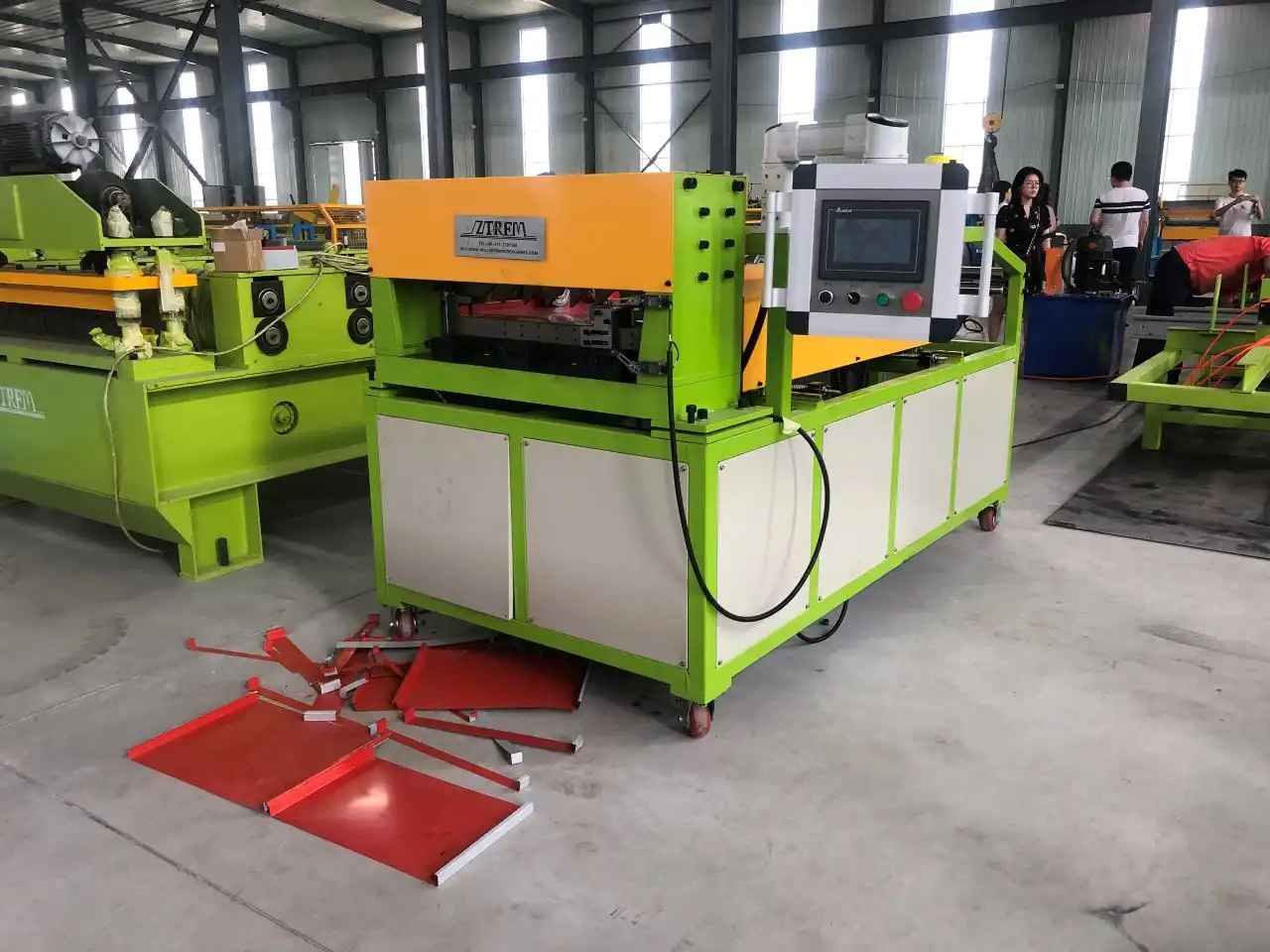
A portable roof panel machine, or more specifically, a standing seam roll former that can be attached to a trailer, makes panels with concealed fasteners one at a time from a flat metal coil right on the job site. The user feeds the coil and uses the PLC touch screen to set the length of the panel. The machine then sends out finished panels one after the other.
How On-Site Forming Eliminates Hidden Labour
Panels that have already been formed are sent to the job site in set lengths, usually no longer than 12 to 14 meters because of trucking limits. To install a 20-meter roof run, multiple panels must be field-spliced. Each splice takes more time and could be a leak point. That roof is broken by roll making on-site. Panels cover the whole length of the roof in one pass, and crew time goes from handling and splicing to just installing the panels. This makes the work go much faster.
When it comes to standard architectural projects, the machines can work with PPGI, galvanized steel (GI), and aluminum (Al) at thicknesses ranging from 0.3 mm to 0.6 mm, which is the standard 24–26 gauge range used on high-end residential and institutional roofs. Because the material is so flexible, one machine can handle a wide range of project types without having to retool the whole line.
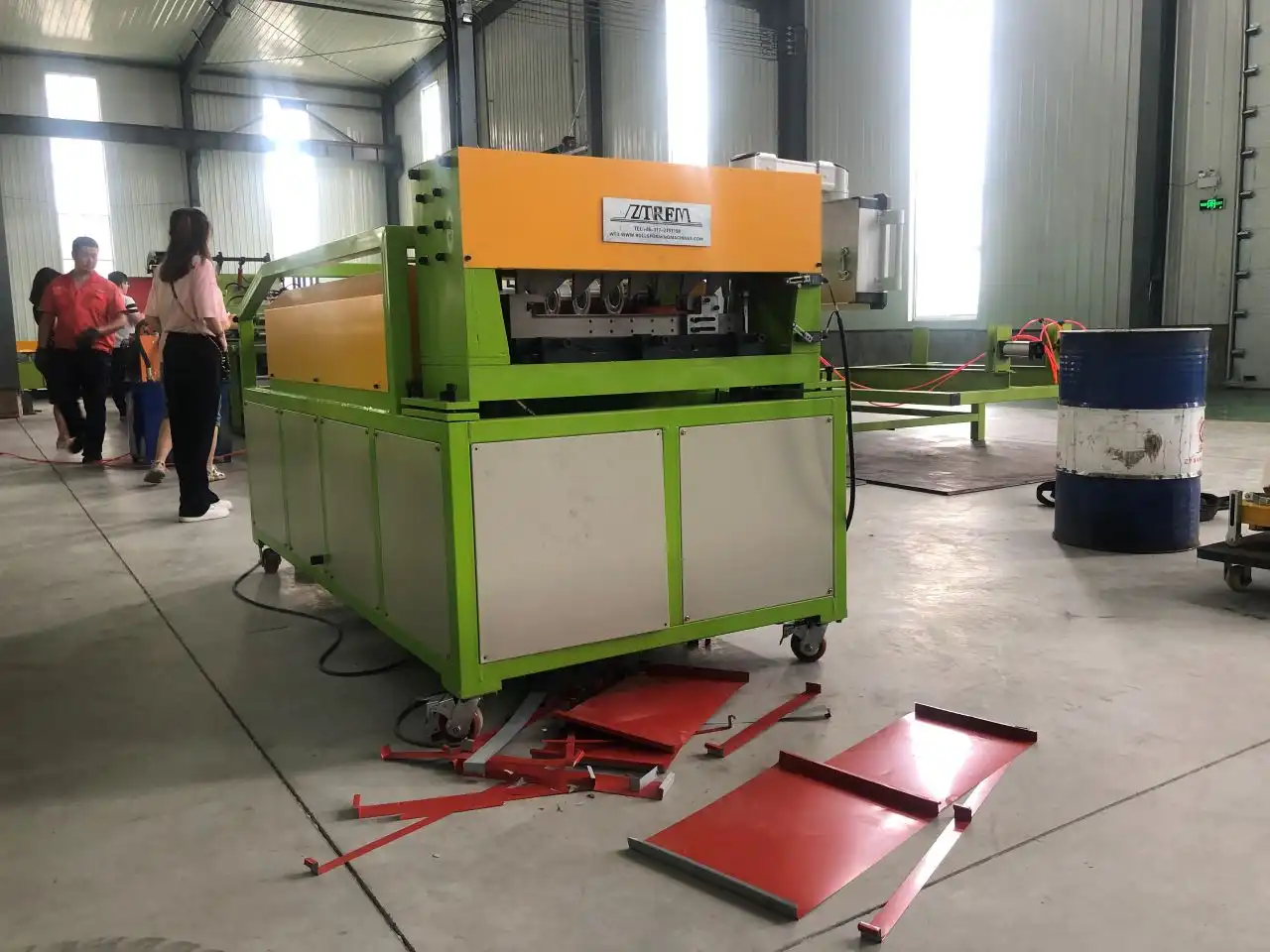
Portable vs. Stationary Machines — Which Cuts Costs More on Site?
Stationary factory roll formers make a lot of panels quickly, but they have to send the final panels on time. The roofing crew has to wait for every delay in transport, whether it's because of bad weather, damaged freight, or customs. With a portable unit, you don't have to depend on anything else.
This is where the difference in costs can be seen. Roofing crews that have to wait for late panels to arrive lose about $450 to $700 per day of downtime, based on US standard wage rates for a five-person crew. A portable roof panel machine parked on the trailer next to the building makes panels whenever they are needed, rather than setting the pace for the crew.
Portable tools can also be moved from one job to another. A job-site roll-forming service company that is working on two or three projects at the same time can move the machine by truck, put it to use again within hours, and keep the crews busy at all sites. That mobility just can't be matched by stationary equipment.
Key Specifications That Directly Affect Labour Efficiency
Knowing the specs of a machine helps buying managers connect the choices they make about gear to the results of real work. The tools that ZTRFM sells are built around a set of specifications that directly improve field performance. Before making a purchase decision, you should look at these main technical features:
- Formed material compatibility: PPGI, GI, and 0.3–0.6 mm thick aluminum strips. This range means that the same machine can work with both light aluminum fascias and heavy 24-gauge structure panels.
- Roller stations: Seven rows of forming shafts that are 60 mm thick. Rollers are made from 45# steel and have a hard chrome plating on the outside. This keeps the pre-painted PPGI coils from getting scratched, which is very important for high-end architectural projects that must have a perfect surface finish.
- Drive system: The gear transmission keeps the torque constant across all of the forming passes, which lowers the chance that the panel will twist or camber during long runs.
- Machine body frame: Made of square tubes that are welded together with steel panels. This gives the frame the strength it needs to keep the profile accuracy even after many shipping cycles.
- Decoiler options: A hydraulic automatic decoiler can handle heavy coils with little work from the operator. As a bonus, a manual decoiler is included for smaller jobs, giving workers options no matter what the site conditions are.
Together, these requirements make it so that operators don't have to do much with each panel. When profile geometry is consistent, clips seat properly on the first try. This cuts down on rework, which is one of the easiest ways to save crew hours on standing seam jobs.
These benefits directly fix the problems that slow down production and drive up labor costs, like uneven panel shape, surface damage that needs to be fixed, and slow coil changes that stop the crew further down the line. A portable roof panel machine optimized with these specs ensures consistent output.
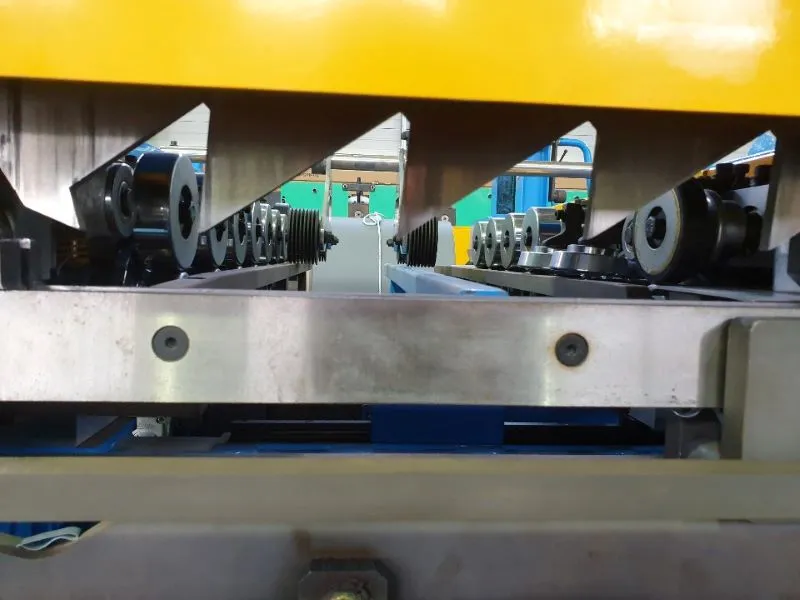
Maintenance Practices That Protect Your Labour Savings
Costs are quickly lost when a machine breaks down in the middle of a project. When a portable roof panel machine is built to be serviced in the field, it's easy to do preventative maintenance on it.
To keep grit from building up on roller surfaces, they should be wiped down every time the coil is changed. Gear transmission parts need to be oiled every so often. On our machines, entry points are set up so that inspections can be done without tools. Every 200 hours of heavy use, the hydraulic decoiler circuit should have its fluid condition checked.
The ZTRFM machines are connected to the Siemens cloud IoT and AI-assisted remote monitoring. This lets our engineering team find and fix unusual load signatures before they cause the machines to break down. This feature for remote repair is especially helpful for US workers who work in places with limited local service. Uptime is protected without having a technician on-site.
Future Trends Shaping Labour Cost Strategy in Metal Roofing
IoT-enabled machine diagnostics and solar-ready roof design are coming together to change the way contractors think about their tools. Using S-5 style clamps, seam-mounted PV clamping systems connect straight to standing seam profiles without going through the panel. Before putting up a single panel, contractors who roll their own panels on site can make sure that the seam spacing works best for the plan of the solar array. This saves time and effort that would otherwise be needed to coordinate clamping changes after installation.
The handling side is also getting better thanks to automation. PLC systems now have features like batch-length programming, automatic panel count tracking, and fault alerts that make them easier for less skilled operators to use. That's important in the US market, where skilled metal roofers are hard to find. A portable roof panel machine with easy-to-use settings makes a crew with fewer specialized skills more effective.
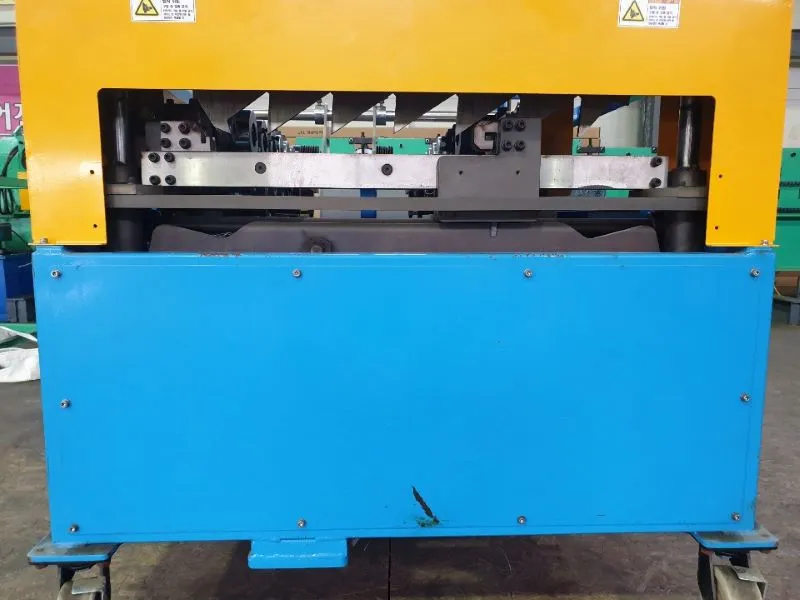
Conclusion
On-site roll forming with a portable roof panel machine saves money on labor because there is no more moving heavy goods, continuous-length panels that don't need to be joined in the field, and fast production rates that keep crews moving. Roller metallurgy, gear drive, solid shafts, and hydraulic decoiling are some of the specifications that directly lead to reliable panel output that cuts down on rework. Architectural metal roofers, job-site service companies, and solar EPC providers can see their return on investment as soon as they do their first job.
FAQ
1. Is a portable roof panel machine practical for a single-building project?
Yes. On big roofs, the portable roof panel machine pays for itself more quickly, but a single business or institutional job with long panel runs can still be worth the money. Panel freight costs are completely eliminated when panels are made on-site, which can save a lot of money on a large villa or school roof.
2. What gauge of steel can these machines handle?
The tools we sell can work with PPGI, GI, and aluminum sheets that are 0.3 to 0.6 mm thick, which is 24 to 26 gauge, which is the usual range for architectural sheets. With the right die set, you can also make aluminum that is only 0.4 mm thick.
3. How long does machine setup take on a new site?
In just two hours, a trained team of two can set up the trailer, connect the decoiler, and run test panels. The small footprint works well in crowded cities.
4. What support does ZTRFM provide after purchase?
We offer video acceptance testing before shipping, full paperwork, spare parts, and remote troubleshooting with Siemens IoT. During the life of the machine, you can contact our engineering team with any technical questions.
5. Does the machine require a dedicated power source?
Electric-drive units need a steady power supply on-site. For rural areas that don't have stable grid access, gas-engine drives are a possibility.
Partner with ZTRFM — Your Trusted Portable Roof Panel Machine Supplier
Since 2014, ZTRFM has been making portable roof panel machines. Our tools are used on projects in more than 150 countries. Certified to ISO 9001, CE, and CAS standards, we put every unit through video acceptance testing before sending it out. This is standard practice, and US buyers tell us it takes the risk out of buying from us. Our team is ready to help you find the best solution, whether you need a standard snap-lock line or an OEM profile that is fully customized and has drawings that are protected by an NDA. To get a specification sheet or to talk about your needs, email us at zhongtuorollforming@gmail.com.
References
1. Metal Construction Association. Metal Roofing Installation Labor Cost Analysis. 2022.
2. RS Means. Building Construction Cost Data. Gordian, 2023.
3. Sheet Metal and Air Conditioning Contractors' National Association (SMACNA). Architectural Sheet Metal Manual, 8th ed. 2022.
4. National Roofing Contractors Association (NRCA). The NRCA Roofing Manual: Metal Panel and SPF Roof Systems. 2021.
5. Cold-Formed Steel Engineers Institute (CFSEI). Technical Guide for Cold-Formed Steel Framing Products. 2020.
6. McGraw-Hill Construction. Construction Labor Market Analyzer: Specialty Trade Productivity Benchmarks. 2022.