- English
- French
- German
- Portuguese
- Spanish
- Russian
- Japanese
- Korean
- Arabic
- Irish
- Greek
- Turkish
- Italian
- Danish
- Romanian
- Indonesian
- Czech
- Afrikaans
- Swedish
- Polish
- Basque
- Catalan
- Esperanto
- Hindi
- Lao
- Albanian
- Amharic
- Armenian
- Azerbaijani
- Belarusian
- Bengali
- Bosnian
- Bulgarian
- Cebuano
- Chichewa
- Corsican
- Croatian
- Dutch
- Estonian
- Filipino
- Finnish
- Frisian
- Galician
- Georgian
- Gujarati
- Haitian
- Hausa
- Hawaiian
- Hebrew
- Hmong
- Hungarian
- Icelandic
- Igbo
- Javanese
- Kannada
- Kazakh
- Khmer
- Kurdish
- Kyrgyz
- Latin
- Latvian
- Lithuanian
- Luxembou..
- Macedonian
- Malagasy
- Malay
- Malayalam
- Maltese
- Maori
- Marathi
- Mongolian
- Burmese
- Nepali
- Norwegian
- Pashto
- Persian
- Punjabi
- Serbian
- Sesotho
- Sinhala
- Slovak
- Slovenian
- Somali
- Samoan
- Scots Gaelic
- Shona
- Sindhi
- Sundanese
- Swahili
- Tajik
- Tamil
- Telugu
- Thai
- Ukrainian
- Urdu
- Uzbek
- Vietnamese
- Welsh
- Xhosa
- Yiddish
- Yoruba
- Zulu
How to handle scratches on roofing surface?
Manufacturers and contractors both have to deal with scratches on roofing panels all the time. Panels for roofs and walls are already under stress from the making process when they come off a roof & wall panel roll forming machine that rolls them out. This is true whether the coatings are PVDF, SMP, or polyester. It's important to fix scratches right away because in wet or seaside areas, even a small crack in the covering can cause rust within weeks. This guide shows you how to find problems, fix them, stop them from happening, and choose the right tools for the job so that your production line always makes panels that meet customer expectations.
Understanding Scratches on Roofing Surfaces
Before you can fix a scratch, you need to know what caused it. The source determines the right response.
Common Causes During Manufacturing
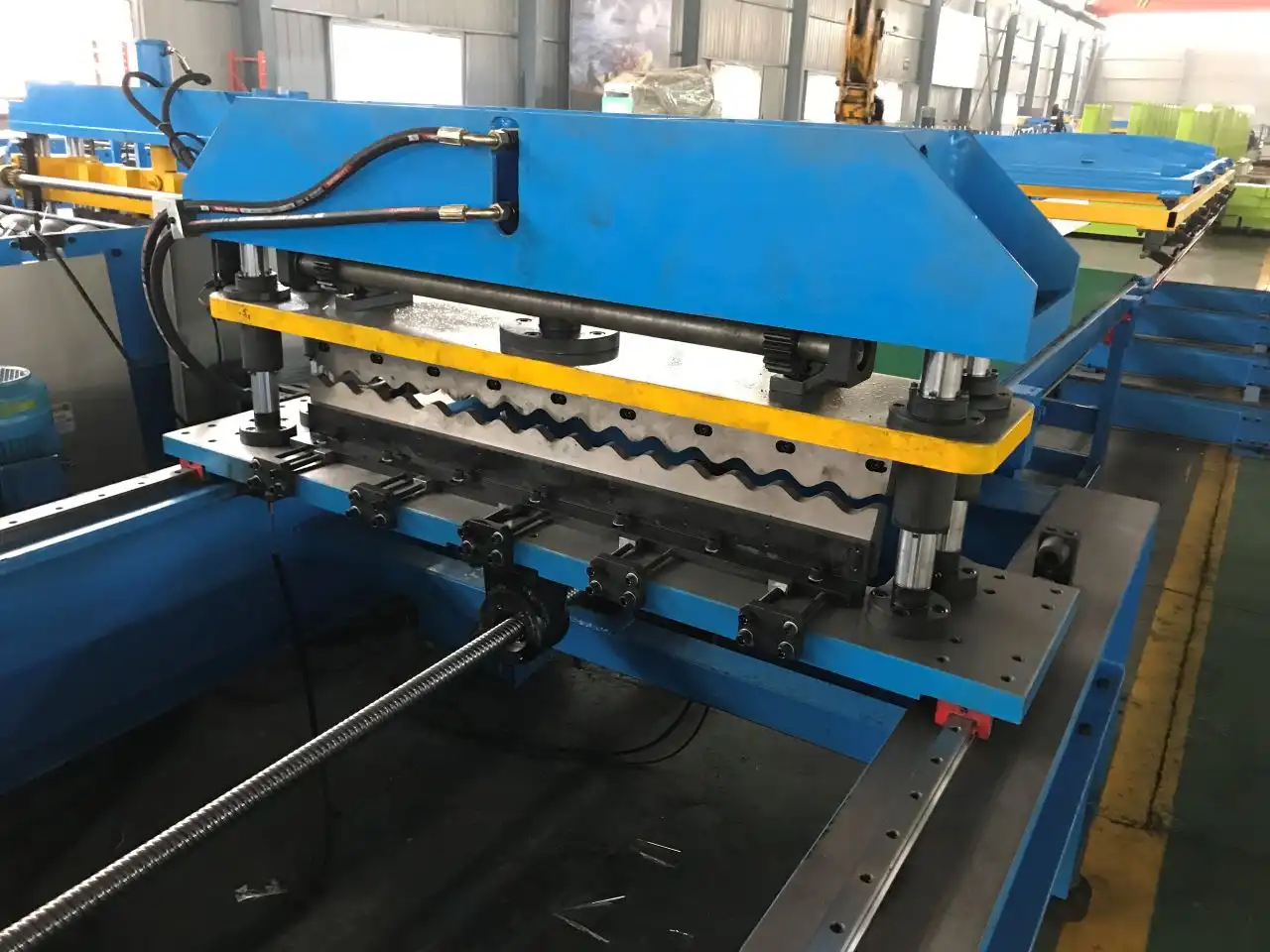
Every linear foot of the panel is put under mechanical pressure during the roll forming process. When rollers aren't lined up right, are worn out, or are dirty, they drag against the coated surface and leave small marks along the length of the roller. Researchers in 2022 published a study in the Journal of Materials Processing Technology that proved that coating micro-damage on prepainted steel is directly linked to roller surface roughness above Ra 0.8 µm. The first line of defense is to keep the rollers clean and in the right place.
Causes During Handling and Transport
Before they even get to a roof, panels that are stacked without interleaving paper, dragged across concrete floors, or tied together with sharp-edged bands get contact scratches. The Metal Construction Association says that nearly 30% of surface defects on metal panels that are reported from the field are caused by improper stacking. Protectors and foam separators for the edges are cheap insurance.
Environmental and Installation Factors
Scratches happen after installation because of rough grit moved by the wind, foot traffic during installation, and metal-on-metal contact at gaps. Even though these are generally less deep, they still break down the protective covering and let rust happen if they are not handled. Knowing the whole panel's lifecycle, from the coil to the roof that's been installed, helps manufacturers choose the right coating thickness and hardness from the start.
Effective Methods to Handle Scratches on Roofing Surfaces
Not every scratch needs the same answer. It saves time and money to match the fix method to the level of damage.
Assessing Scratch Severity
Start by looking at it visually with a sweeping light. Then, use a simple fingernail test to make sure you know how deep it is. The substrate is shown if the nail gets stuck in the scratch. Color scratches that aren't deep enough to catch a fingernail usually only affect the topcoat and are easy to fix with touch-up paint. Before water gets in, you need to be more aggressive with gouges that go deeper and reach the zinc or aluminum substrate.
Repairing Minor Surface Scratches
Isopropyl alcohol should be used to clean up surface-level marks. Allow the area to dry fully, then use a fine brush to apply a touch-up finish that matches the manufacturer's color. Products made with zinc-rich primers put an extra layer of protection on top of coated steel. After the repair is dry, a clear sealant coat goes over it to keep it in place. This two-step process (primer then sealant) fixes both the look and the resistance to rust without having to replace the wall.
Addressing Severe or Deep Damage
When a scratch goes all the way through to the metal, a touch-up layer is not enough to protect it for the long run. You can use an epoxy-based repair compound made for metal roofing, put on a self-adhesive protective film that is rated for outdoor UV exposure, or replace the panel completely if the structural integrity is compromised. A lot of deep scratches in a production setting mean there is a problem with the process, usually worn rollers or the wrong speed setting on the metal panel roll former, that needs to be fixed at the source.
Preventing Scratches Through Machine and Process Optimization
Staying away from problems is the best way to save money. When roof & wall panel roll forming machines are set up correctly, a huge portion of panels are free of flaws before they leave the factory floor.
Most of the time, the following changes to the process make it work better:
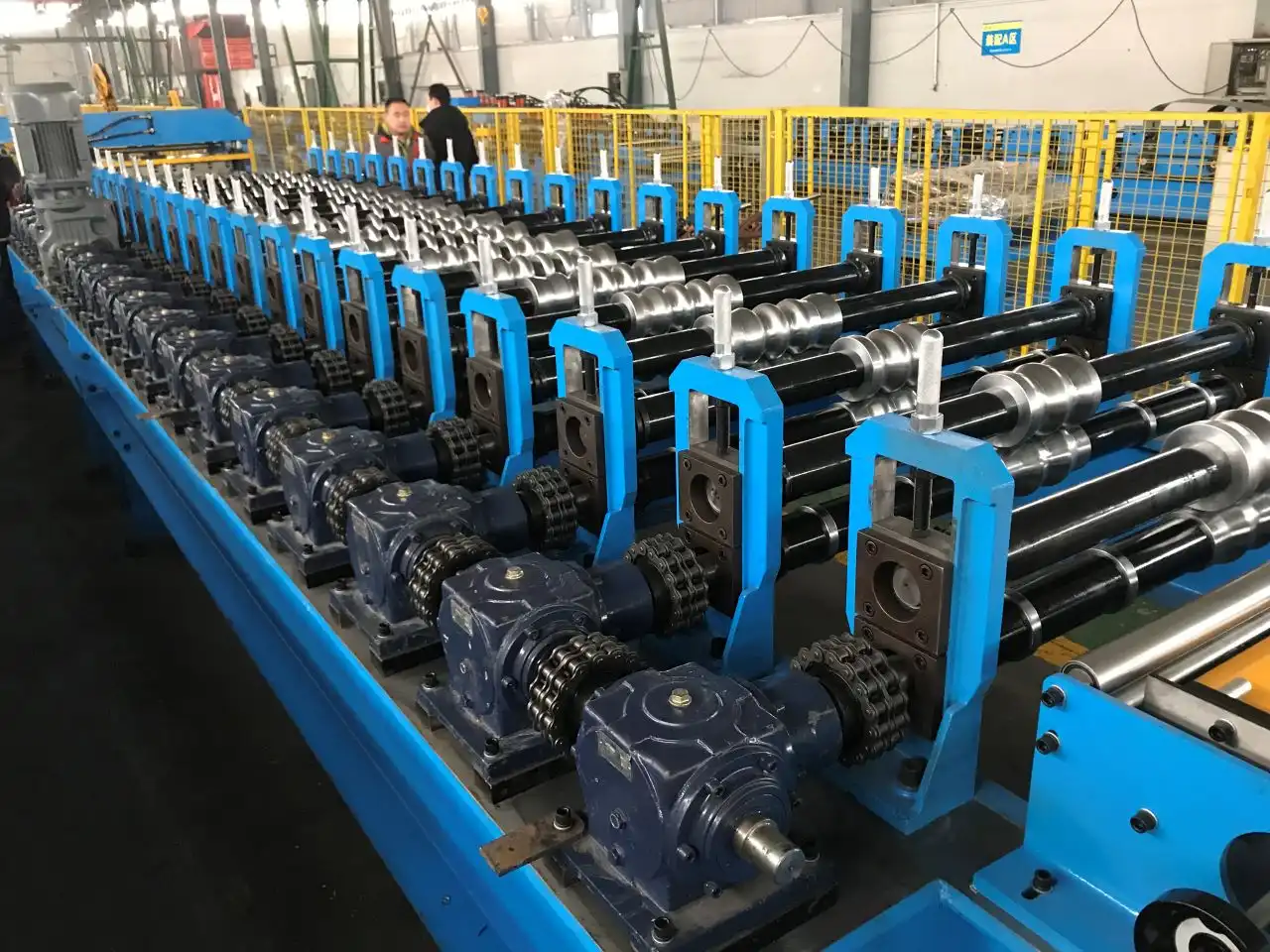
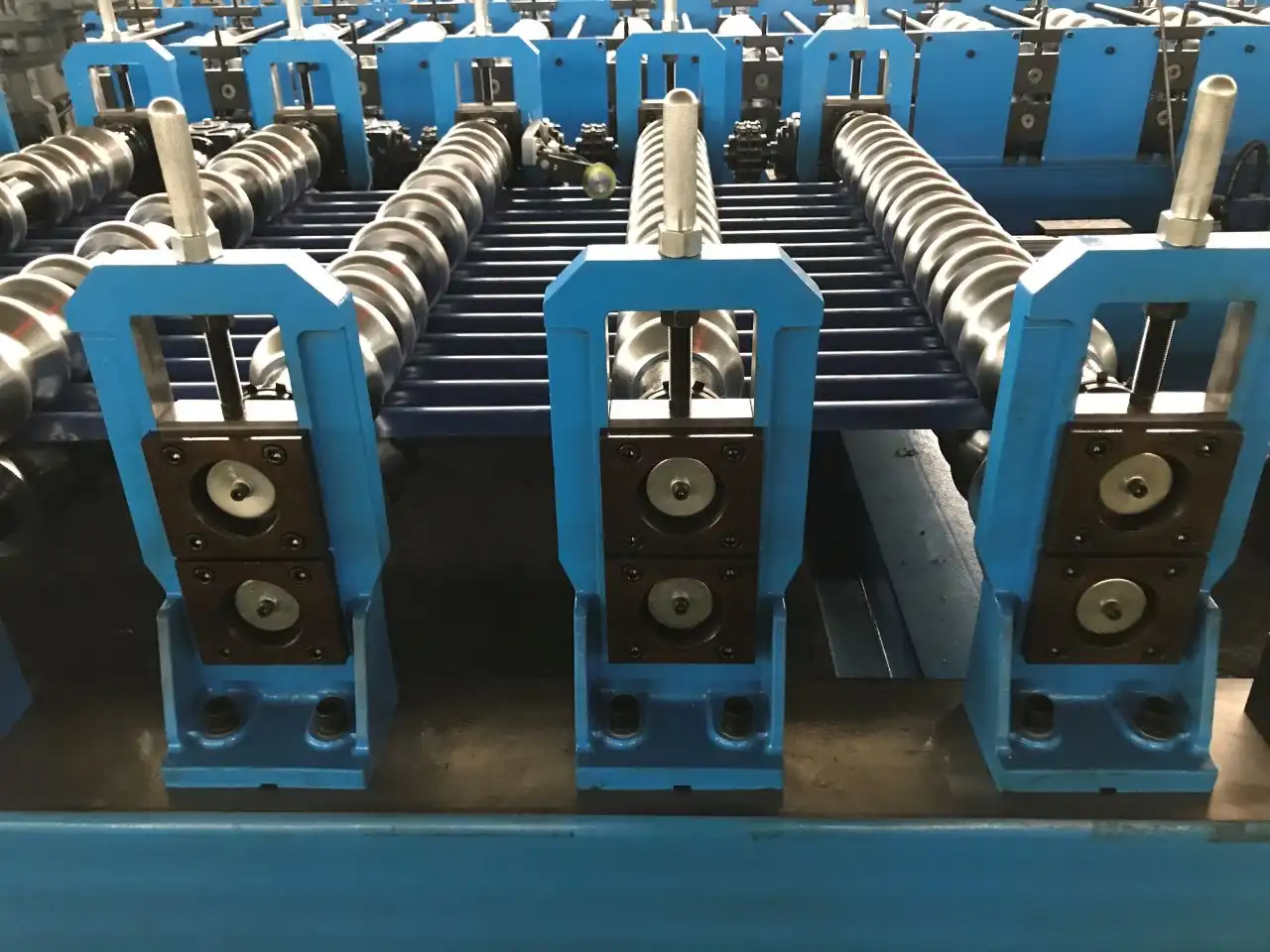
- Maintenance for chrome-plated rollers: Rollers that have been treated with hard chrome plating don't pick up surface dust and move less rough material onto panel coats. Every 500 hours of use, check the surfaces of the rollers and replace any that have pits or flaking. Surface marks are less noticeable on machines made with 45# steel rollers and chrome plating, like the ones that come with ZTRFM's standard configurations.
- Forming speed calibration: If you run a panel line too fast, the strip and rollers will rub against each other more. When working with thin-gauge PPGI (0.3–0.5 mm), forming at 15–25 m/min usually produces a better surface finish than pushing at the fastest speed possible. Changing the PLC parameters to match the thickness of the material is an easy setting that has useful results.
- Schedule for lubrication: Making sure that drive chains, bearings, and roll stations are all oiled at the same time every time stops mechanical vibration that shows up on the panel surface as chatter marks. A good rule of thumb is to check high-production lines once a week.
These changes all work together. Not only does a line that is well-calibrated cut down on scratches, but it also cuts down on waste and repair costs during the whole production process.
How to Choose the Right Roof & Wall Panel Roll Forming Machine for Scratch-Resistant Panels
Choosing the right equipment is the first step in protection.
Machine Type and Surface Quality
The surface quality of every panel your factory makes will depend on the machine you buy.
Certifications and Build Standards
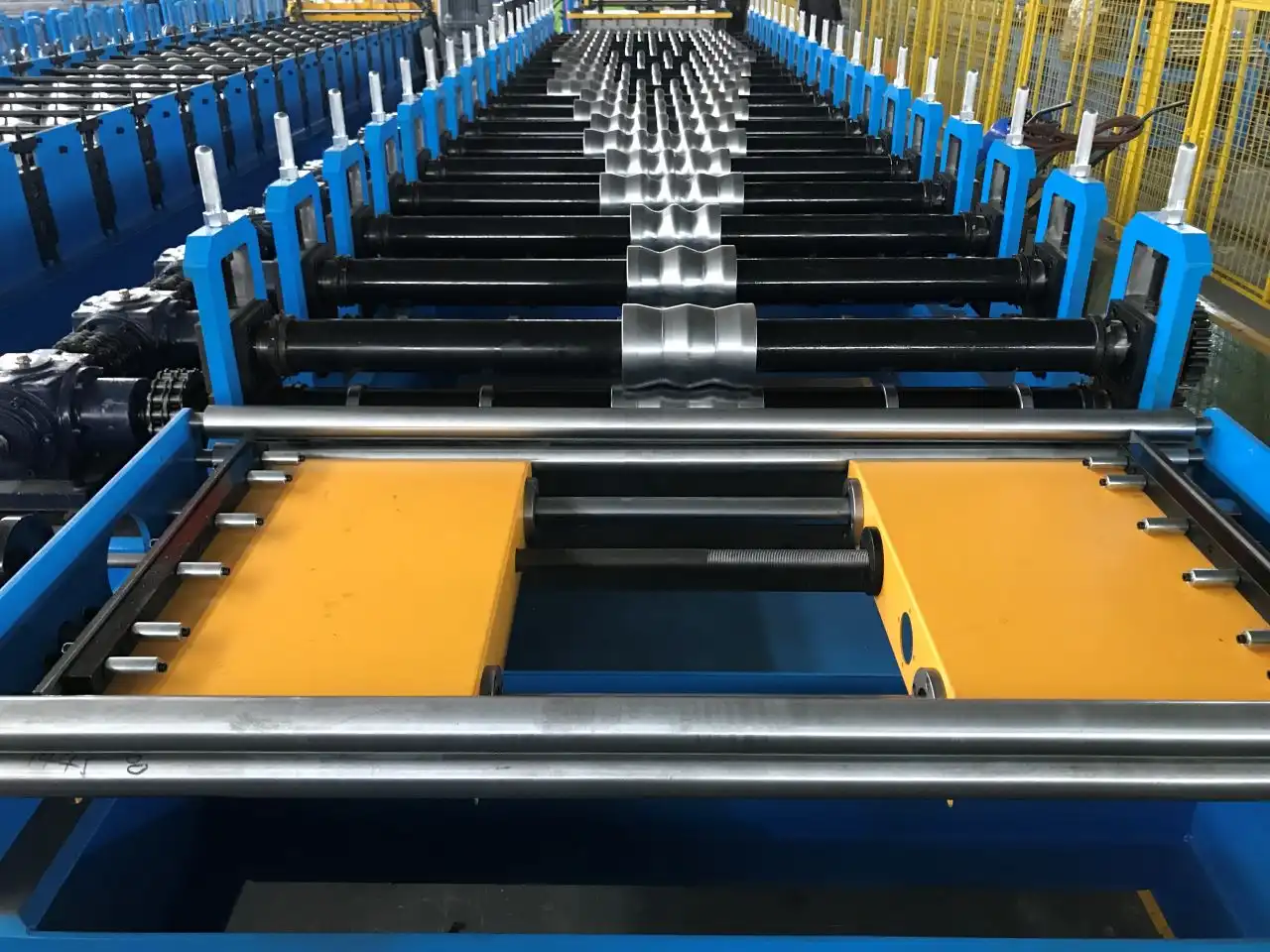
Fully automatic roll forming lines with servo-driven feed systems keep the tension of the strip constant, which is directly linked to the stress on the coating and the chance of scratching it. Operators can be different when lines are manual or semi-automatic. A fully automated metal cladding panel roof & wall panel roll forming machine is worth the extra money for companies that make architectural facade panels, hidden-fastener profiles, or high-value PVDF-coated panels.
After-Sales Support and Total Cost of Ownership
The price of a machine is only one part of how much it costs. Check how often the rollers need to be replaced, whether spare parts are available, and how long it takes for technical support to respond. Your production uptime will be safer with a provider that offers setup help, user training, and remote diagnostics than with a cheaper choice that doesn't offer as much help. Before making a commitment, you should always ask for references from past clients in your target market.

Case Studies and Industry Best Practices
Specifications alone can't fully show what happens in real working settings.
PEB Manufacturer Reducing Defect Rate
Around 6% of the R-Panel and PBR-Panel that were made by a pre-engineered building company in the Southeast U.S. had scratch defects. Their failure rate dropped to less than 1.5% in three months after they switched to a roll forming line with chrome-plated rollers and a speed ramp controlled by a PLC at startup. The change also cut the amount of touch-up covering needed by about 40%.
Architectural Cladding Producer Protecting PVDF Coatings
A company that makes metal cladding for business high-rises and makes flush wall panels for those buildings added a station for applying polyethylene protective film to their panel roll former line. When the film was put on the lines right after the shape was formed, it covered the surface during transport, handling, and installation. The number of customer complaints about damage to the surface during installation almost went away in the next project cycle.
Checklist for Procurement Managers
Before you buy any panel production tools, make sure your provider knows these things:
- Roller material and surface finish specification (Ra value)
- Maximum forming speed by material thickness and coating type
- PLC brand and remote diagnostic capability
- Spare parts lead time and local inventory
- Commissioning and operator training included in contract
In real factory audits, these five checkpoints have always been able to tell the difference between production lines that work well and ones that don't.
Conclusion
You can fix scratches on roofing roof & wall panel roll forming machines if you take care of them at the right time, ideally before they happen. Matching touch-up coatings work well for small scratches, but you might need to replace the panel for bigger ones. A well-designed and well-kept roll forming line, on the other hand, will last the longest and protect panel surfaces from the first pass to the finished stack. The finished surface that your customers see and judge is affected by the state of the rollers, the speed of the forming, and how the materials are handled.
FAQ
1. Can minor scratches on metal roofing panels be repaired without replacement?
Yes. A manufacturer-matched touch-up coating can be used over a zinc-rich primer to fix scratches on the surface that haven't gone all the way through to the substrate. First, clean the area well, and then apply thin coats. This fixes the color match and rust protection without having to replace the panel.
2. How does the roll forming machine affect panel surface quality?
How much friction there is on the panel finish depends on the state of the rollers, how straight they are, and how fast the machine is running. When rollers are worn out or not lined up right, they rub against the surface and leave long scratches. A panel roll forming machine that is well taken care of and has chrome-plated rollers and calibrated PLC speed settings makes a lot fewer surface flaws.
3. How often should roll forming machine rollers be inspected?
Every 500 hours of use, check the roller surfaces on high-production lines that use coated steel. Look for pits, flaking chrome, or a buildup of dirt or dust. Rollers that aren't lined up right should be straightened out right away because even a 0.1 mm difference can show on thin-gauge PPGI panels.
4. What coating types are most scratch-resistant for metal roofing panels?
When it comes to standard options, PVDF (polyvinylidene fluoride) coatings are the most scratch- and UV-resistant. They are followed by SMP (silicone-modified polyester) and standard polyester. It's also important how thick the coating is. In the U.S., 50 µm total dry film thickness is a common minimum requirement for roofing applications.
Partner with ZTRFM for Scratch-Resistant Panel Production
Since 2014, ZTRFM has been designing and making cold roll forming machines that are exported to more than 150 countries. They are certified by ISO 9001, CE, and CAS. Our team, as a "roof & wall panel roll forming machine supplier," can make OEM and ODM configurations that fit your shape requirements and material range. You can ask for a technical consultation by emailing us at zhongtuorollforming@gmail.com. Watch out for the first roll and protect your panels.
References
1. Journal of Materials Processing Technology — "Effect of Roller Surface Roughness on Coating Integrity in Cold Roll Forming," 2022.
2. Metal Construction Association — Metal Panel Systems: Handling, Storage, and Installation Guidelines, 2021.
3. Journal of Constructional Steel Research — "Corrosion Initiation at Coating Defects on Prepainted Steel Panels," 2020.
4. Surface and Coatings Technology — "Performance Comparison of PVDF, SMP, and Polyester Coatings Under Mechanical Abrasion," 2021.
5. American Iron and Steel Institute — Steel Construction Manual: Roofing and Cladding Applications, 2019.
6. Buildings and Cities — "Life Cycle Cost Analysis of Metal Roofing Systems with Emphasis on Maintenance and Defect Repair," 2023.