- English
- French
- German
- Portuguese
- Spanish
- Russian
- Japanese
- Korean
- Arabic
- Irish
- Greek
- Turkish
- Italian
- Danish
- Romanian
- Indonesian
- Czech
- Afrikaans
- Swedish
- Polish
- Basque
- Catalan
- Esperanto
- Hindi
- Lao
- Albanian
- Amharic
- Armenian
- Azerbaijani
- Belarusian
- Bengali
- Bosnian
- Bulgarian
- Cebuano
- Chichewa
- Corsican
- Croatian
- Dutch
- Estonian
- Filipino
- Finnish
- Frisian
- Galician
- Georgian
- Gujarati
- Haitian
- Hausa
- Hawaiian
- Hebrew
- Hmong
- Hungarian
- Icelandic
- Igbo
- Javanese
- Kannada
- Kazakh
- Khmer
- Kurdish
- Kyrgyz
- Latin
- Latvian
- Lithuanian
- Luxembou..
- Macedonian
- Malagasy
- Malay
- Malayalam
- Maltese
- Maori
- Marathi
- Mongolian
- Burmese
- Nepali
- Norwegian
- Pashto
- Persian
- Punjabi
- Serbian
- Sesotho
- Sinhala
- Slovak
- Slovenian
- Somali
- Samoan
- Scots Gaelic
- Shona
- Sindhi
- Sundanese
- Swahili
- Tajik
- Tamil
- Telugu
- Thai
- Ukrainian
- Urdu
- Uzbek
- Vietnamese
- Welsh
- Xhosa
- Yiddish
- Yoruba
- Zulu
How to fix uneven thickness of color steel sheets?
Measure the coil and the finished sheet more than once. This helps me fix color steel sheets that aren't the same thickness all the way through. Then I'll know for sure that the issue is with the stuff and not the machine. The next thing I do is look at the contract tolerance and compare it to the readings for the galvanized or pre-painted coil. I verify the roll gaps, alignment, and decoiler tension on the corrugated sheet making machine. Clean rolls, steady speed, and written records show that the job is done. I'll show you each step, tell you about our 18-station line for 0.3-0.5 mm coil, and let you know when it's time to fix, upgrade, or replace.
Confirm the Problem and Find Its Source Measure Before You Adjust
Many complaints about thickness go away once the team figures out how to measure correctly. If it's base metal, use a micrometer that has been checked for accuracy. Use a coating gauge if the metal is zinc or painted. Take notes at the center, edges, and head, middle, and tail of the coil. When you measure, don't count the ribs and bends. Only count the flat parts. Then, compare the results to the sale agreement, the mill certificate, and the relevant standard, such as ASTM A653 for galvanized sheet or EN 10143 for size tolerances. You can tell if the difference is normal or if there is a real problem with the process from a written inspection report.
Separate Coil Problems from Machine Problems
Different kinds of coil flaws are edge drop, crown, wedge, and head-to-tail differences. Some of the things that can go wrong with a machine are uneven roll gaps, bad alignment, worn rolls, vibration, and rolling out of shape. First, you need to measure the raw coil. Step 2: Measure the sheet that you just made. Step 3: Write down how fast the line is going. The roll forming machine can't fix a raw strip that is already not thin enough. The seller has to either give you a new coil or a credit. Check how it is set up if the strip goes through but the sheet that comes out is different. You should not use corrugated cardboard with this guide. It is about steel roofing lines.
Check Coating, Temperature, and Storage
A coating might give you a wrong idea of how thick something is. Both sides gain about 1.5 mils (0.04 mm) when they are coated with G90. This is equal to 8 to 13 percent of a 0.3-0.5 mm sheet. Paint makes a coil that has already been painted look better, and EN 10169 covers things that are coated on the coil. Give two different reports: one for the base metal and one for the whole thickness. ASTM D7091 tells you how to measure the dry film of metal. Make sure the gauges and coils are both the same temperature before you start to measure. Also, make sure the rolls are dry and have good airflow to avoid condensation. Users sometimes mistake dirty rolls' pressure marks for changes in thickness when the rolls are dirty.
Adjust the Corrugated Sheet Making Machine Correctly
Alignment, Roll Gaps, and Decoiler Tension
Measure the change every time you make it. At each station, check the corrugated sheet making machine's centerline, the roll clearance, the parallelism of the shafts, and the alignment of the guides. There shouldn't be too much space between the rolls for the strip to get squashed, and the profile shouldn't change a lot from one pass to the next. Check the speed of the line, the side guides, and the decoiler tension as well. Don't go full speed while you're trying to figure out what's wrong. When the rolls are set up correctly, the thickness stays close to the gauge that comes in. Make notes on each change you make, then check the sizes.
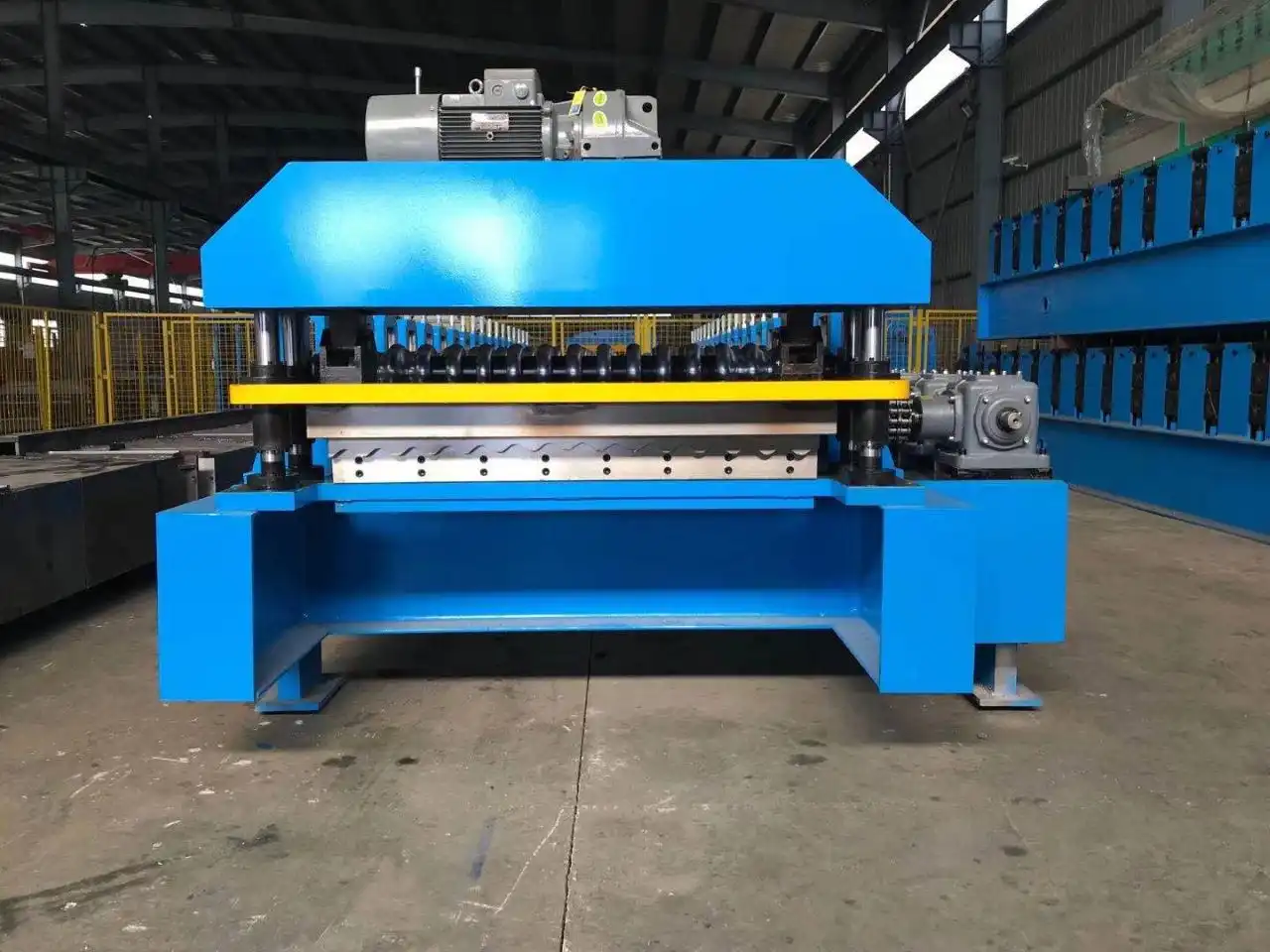
Specifications of the ZTRFM Line
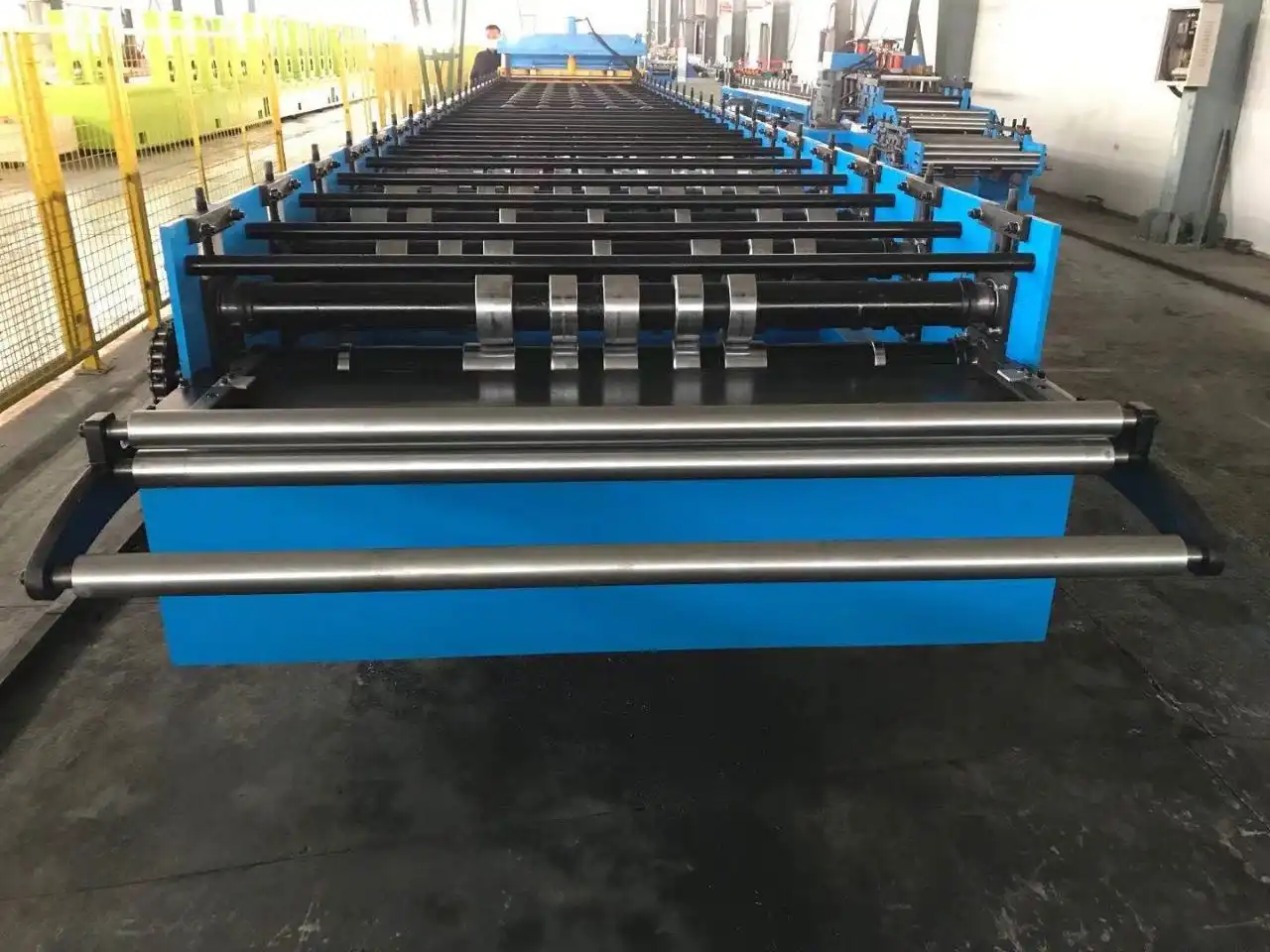
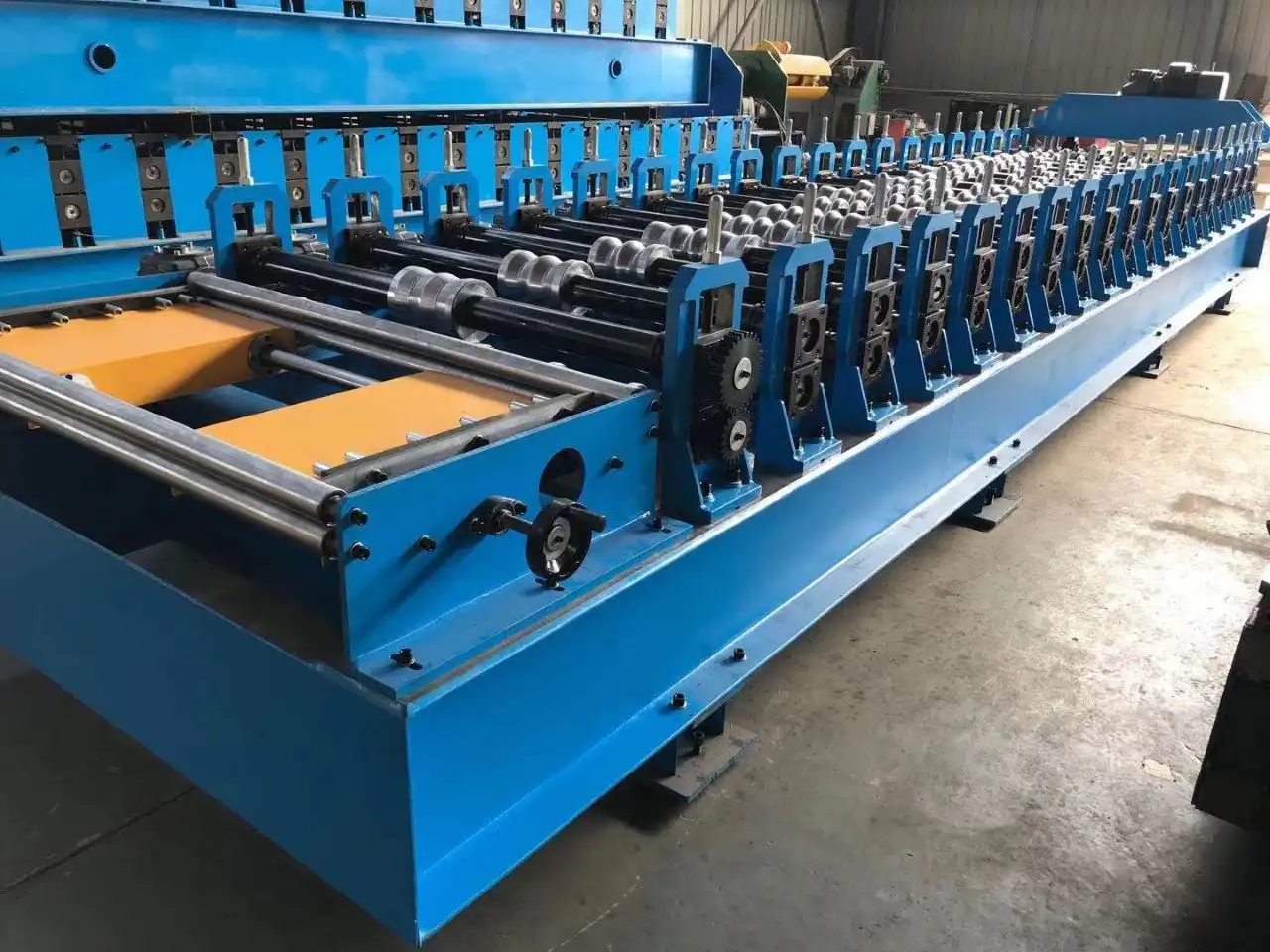
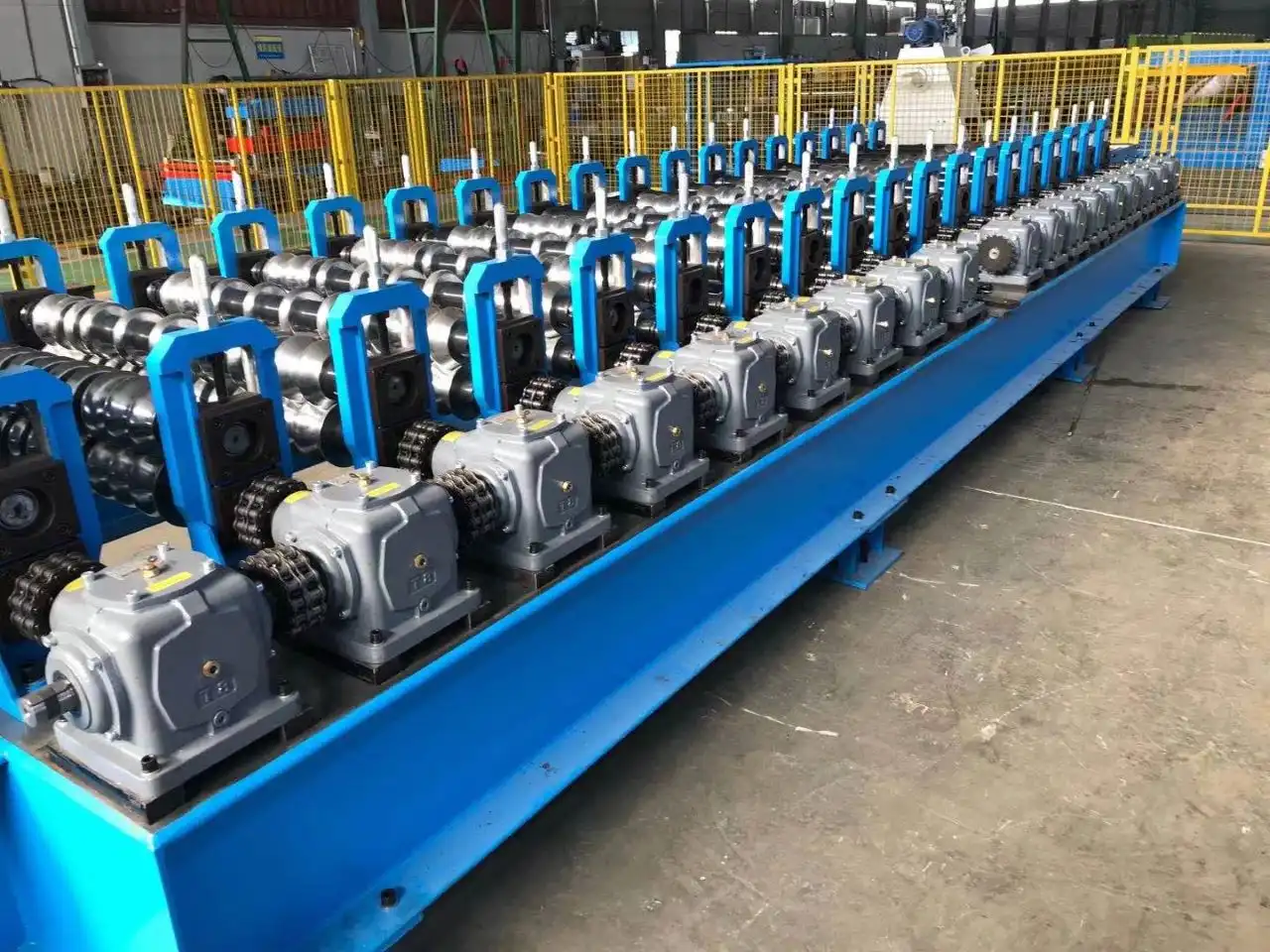
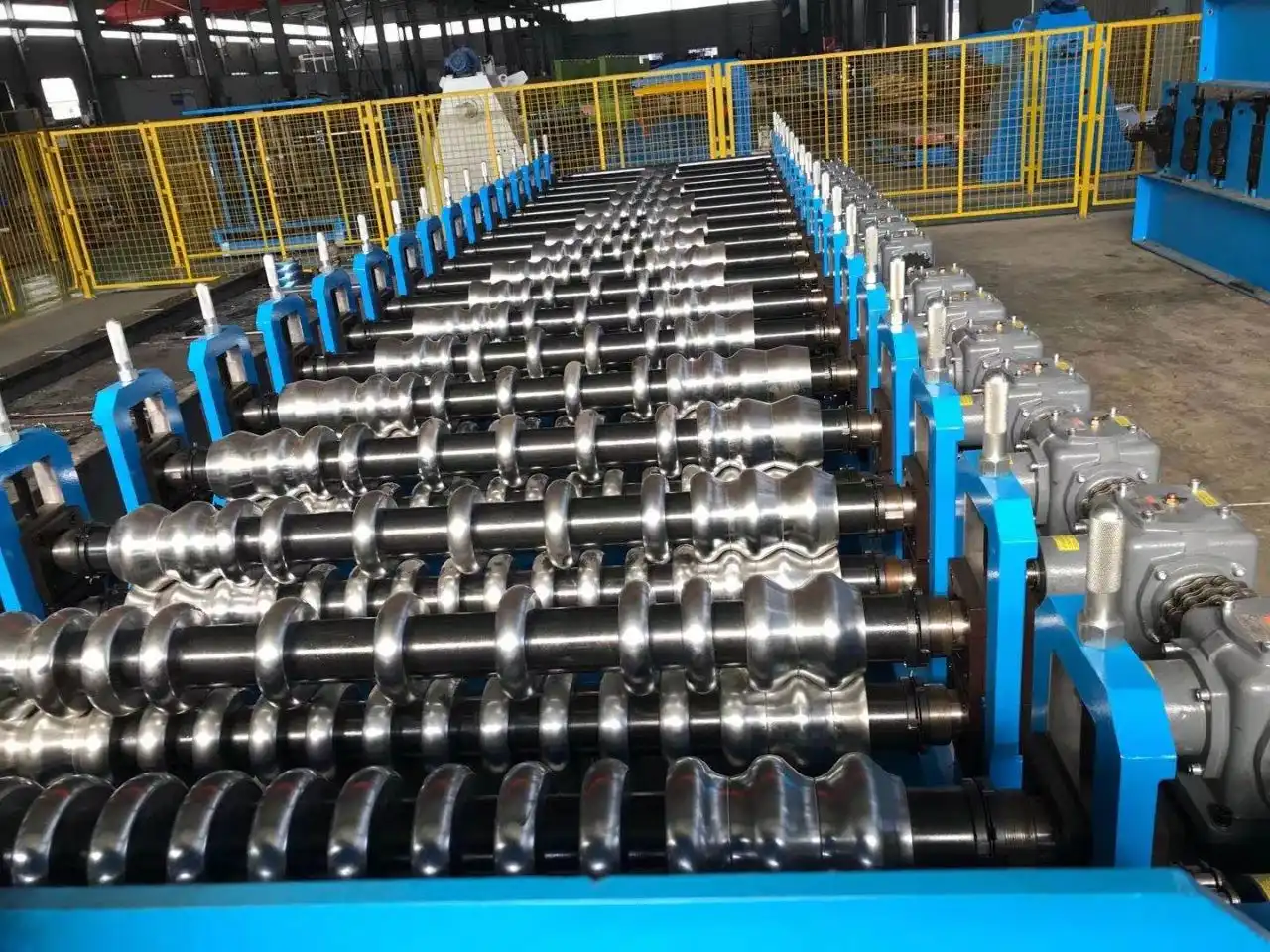
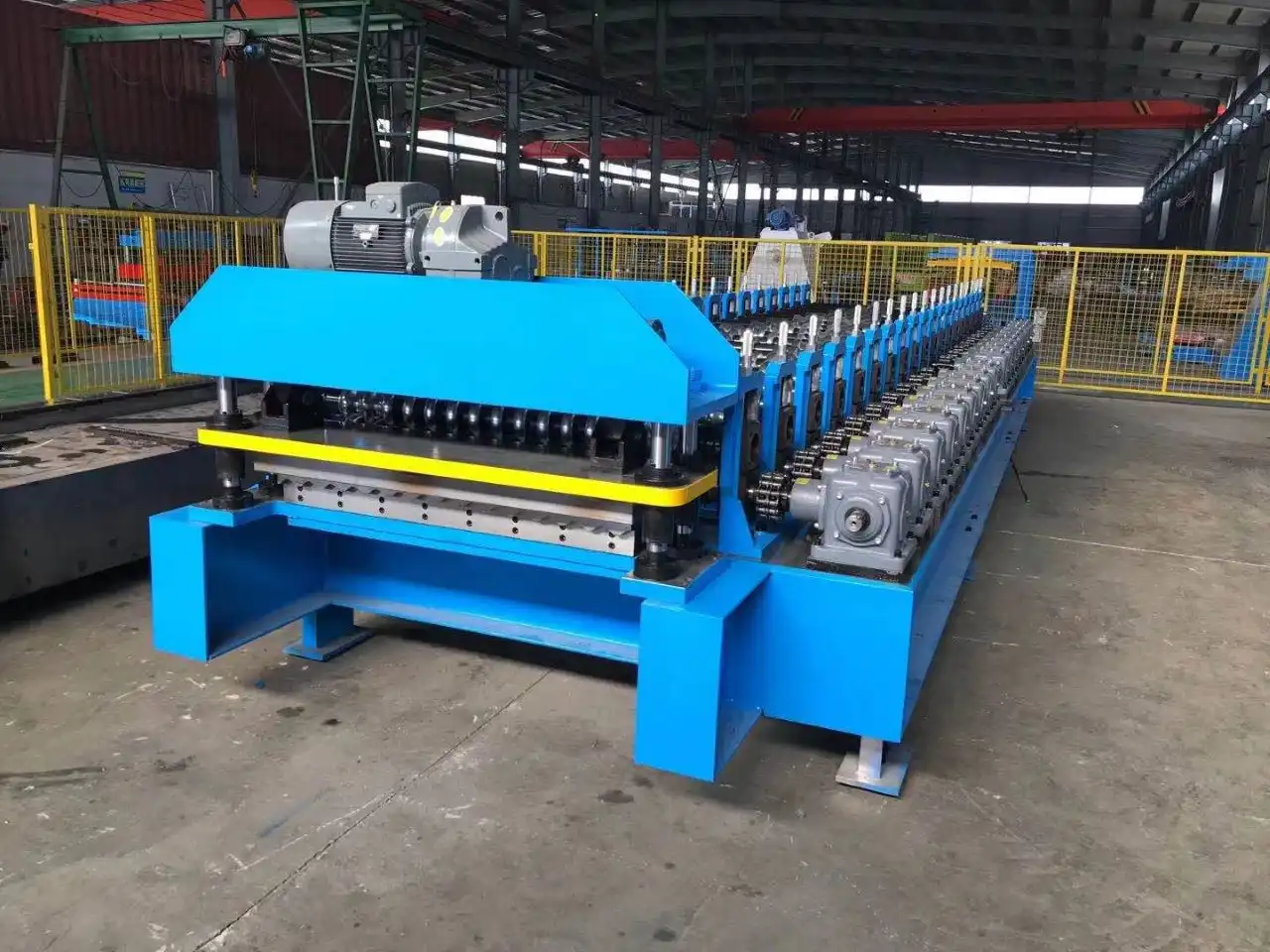
Our line for making roofing sheets rolls out steel that is between 0.3 and 0.5 mm thick and has already been painted or galvanized. A 5T hydraulic decoiler feeds the coil. As an extra, you can choose to have a manual decoiler or different capacities. At 18 stations, rollers made of quenched 45# steel are connected to 80 mm shafts made of tempered 45# steel to shape the metal. A 5.5 kW motor moves the line through a gearbox, and a 350H steel frame holds the stations in place. With a 5.5 kW hydraulic station, sheets can be cut to the right length with hydraulic cutting. Strong shafts and a rigid frame keep roll gaps stable when they're full.
Common Mistakes to Avoid
While some habits raise costs, they don't address the main issue. If you change the rolls without first checking the incoming coil, the material might not be in the right range, which could lead to new profile problems. Measuring one point on one sheet is not very strong proof. When you run at full speed, tension, vibration, and feeding problems are all mixed up, which makes it harder to figure out what's wrong. Operators also mistake a deeper rib or profile deformation for a change in the substrate. You should not buy new rolls until you have checked the bearings, guides, decoiler tension, and strip alignment. It's better to do root cause checks, controlled tests, and write down changes.
Build an Inspection and Maintenance Routine
Set Up Incoming and In-Process Inspection
Start at the end of the coil. Note down the number of the coil, the supplier certificate, the actual thickness, the width, the type of coating, the mass of the coating, and the state of the surface. As soon as the sheet is flat, shaped, and cut, check it again. It is possible to see how rolls wear out over time or how suppliers vary before problems get worse. There should be more than just thickness checked during the final check. It should also check the pitch, profile height, width, length, flatness, squareness, and condition of the edges. To make ISO 9001 quality systems work, you need to keep these kinds of records. They also help you keep track of export orders.
Follow a Preventive Maintenance Schedule
Every day, clean the rolls and guides and listen for odd sounds, vibrations, and oil leaks. Making sure the feeding, cutting, and emergency stops work properly is important. After every week or month, make sure the bearings, lubrication, sensors, roll clearance, couplings, fasteners, and shafts are all in good shape. A set time should be used to adjust the measuring tools, and every hour, the rolls, motor, decoiler, and hydraulic station should be checked. Link records about maintenance to records to quality records. People who work with scrap all the time can tell before they hear it when something is worn.
Use a Simple Troubleshooting Workflow
I follow three steps when the level of variation gets too high for me. The line should be slowed down or stopped for the first 30 minutes. The affected coils should be separated. The sheets that don't meet the standards should be marked. And the reading should be checked with a second calibrated gauge. Check the gears, guides, tension, speed, and alignment for both the raw coil and the finished sheet during the same shift. Also, compare the readings for the two. Then you need to write a corrective action report that includes the root cause, containment, permanent fix, verification results, the person who is responsible, and the next step to make sure this doesn't happen again. The coil supplier also has strong proof in this record.
Decide Whether to Repair, Upgrade, or Buy a New Line
Repair or Replace Parts
As long as the frame, rolls, and bearings are still in good shape, all that needs to be done is to align or set up the corrugated sheet making machine differently. If the wear, play, or instability doesn't go away after the roll or bearing is adjusted, it's time to get a new one. You might want to get a new machine if the old one doesn't have features for checking, controlling tension, automatic alignment, or accurate cutting. You should compare the cost of repair to the cost of lost work, scrap, and unhappy customers. Not the cheapest quote should be used to make the choice, but the total cost of doing business.
Choose a Cost-Effective Line
Check that the line fits your profile, the material, and the output. You should include the profile drawing, sheet dimensions, steel grade, thickness range, coating needs, output goal, and cutting tolerance when you ask for a quote. Semi-automatic lines are best for small amounts and budgets. Automatic lines, on the other hand, are better for tasks that need to be done over and over again so that production can keep going. It's important to think about everything: setting up, training, energy, spare parts, downtime, labor, and shipping. Find suppliers and ask for references, sample production, warranty terms, and details on how to pack goods to send abroad. A line's price doesn't matter if it can't hold your gage range.
What Buyers, Engineers, and Distributors Should Check
Each role checks a different set of things. The contract should include measurable tolerances, inspection duties, certificates, and support for spare parts. These should be written by the purchasing manager. Production engineers should be able to tell the difference between coil variation and machine defects by using calibrated data. Distributors and OEM clients should look over profile drawings, mill certificates, sample approval, and the building code requirements in their area. US buyers should also check the voltage and phase before they place their order. ZTRFM was set up in Cangzhou in 2014. Checks like these are done all the time because it ships to more than 150 countries and has ISO 9001, CE, and CAS certifications.
Conclusion
Sometimes, color steel sheets don't have the same thickness. This could be because of a wrong measurement, a coil that isn't within tolerance, a difference in the coating, or the way the machine is set up. To tell the difference between real and fake readings, you must measure correctly at the head, middle, and tail of the coil, but only on flat areas. If the issue is with the supplier or the corrugated sheet making machine, you can tell by comparing raw-coil and formed-sheet data. The thickness stays the same when the roll gaps are right, the decoiler tension stays steady, and the speed is fine. Inspection records, cleaning, and regular maintenance make it impossible for the same thing to happen again. If the adjustment doesn't help, you should figure out how much it would cost to scrap, shut down, fix, upgrade, or replace the item.
FAQ
1. What causes uneven thickness most often?
When coils come in, they often change shape in ways like edge drop, crown, or wedge. Even roll gaps, worn rolls, and rolls that aren't lined up right are also factors. First, you need to measure the raw coil.
2. Can a roll forming machine fix a defective coil?
Rolling the strip doesn't change its gauge; it just makes it look different. It is important to write down the readings and file a claim with the supplier if the coil is not within the acceptable range.
3. Does lowering line speed help?
Sometimes. It is easier to figure out what is wrong when the speed is slower because there is less vibration and fewer feeding problems. It can't fix a coil that isn't round or rolls that aren't lined up flat.
4. What information does a supplier need for a quotation?
Please send a profile drawing along with the steel grade, thickness range, coating type, output goal, destination country, and power needs. We can work with steel that is 0.3 to 0.5 mm thick and has already been painted or galvanized.
Request a Technical Evaluation for Your Color Steel Sheet Line
If problems with thickness keep costing you scrap, email ZTRFM at zhongtuorollforming@gmail.com. As a designer and manufacturer of corrugated sheet making machines that are certified by ISO 9001, CE, and CAS, we look at your profile, steel grade, coil size, and output goal. Then we recommend a repair, a new line, or a new roll. You can choose between OEM and ODM, and we can provide both machines and parts in one place.
References
1. ASTM International, ASTM A653/A653M: Standard Specification for Steel Sheet, Zinc-Coated (Galvanized) or Zinc-Iron Alloy-Coated (Galvannealed) by the Hot-Dip Process, 2022
2. European Committee for Standardization, EN 10143: Continuously Hot-Dip Coated Steel Sheet and Strip, Tolerances on Dimensions and Shape, 2006
3. European Committee for Standardization, EN 10346: Continuously Hot-Dip Coated Steel Flat Products for Cold Forming, 2015
4. European Committee for Standardization, EN 10169: Continuously Organic Coated (Coil Coated) Steel Flat Products, 2012
5. George T. Halmos (ed.), Roll Forming Handbook, CRC Press, 2006
6. International Organization for Standardization, ISO 9001: Quality Management Systems, 2015