- English
- French
- German
- Portuguese
- Spanish
- Russian
- Japanese
- Korean
- Arabic
- Irish
- Greek
- Turkish
- Italian
- Danish
- Romanian
- Indonesian
- Czech
- Afrikaans
- Swedish
- Polish
- Basque
- Catalan
- Esperanto
- Hindi
- Lao
- Albanian
- Amharic
- Armenian
- Azerbaijani
- Belarusian
- Bengali
- Bosnian
- Bulgarian
- Cebuano
- Chichewa
- Corsican
- Croatian
- Dutch
- Estonian
- Filipino
- Finnish
- Frisian
- Galician
- Georgian
- Gujarati
- Haitian
- Hausa
- Hawaiian
- Hebrew
- Hmong
- Hungarian
- Icelandic
- Igbo
- Javanese
- Kannada
- Kazakh
- Khmer
- Kurdish
- Kyrgyz
- Latin
- Latvian
- Lithuanian
- Luxembou..
- Macedonian
- Malagasy
- Malay
- Malayalam
- Maltese
- Maori
- Marathi
- Mongolian
- Burmese
- Nepali
- Norwegian
- Pashto
- Persian
- Punjabi
- Serbian
- Sesotho
- Sinhala
- Slovak
- Slovenian
- Somali
- Samoan
- Scots Gaelic
- Shona
- Sindhi
- Sundanese
- Swahili
- Tajik
- Tamil
- Telugu
- Thai
- Ukrainian
- Urdu
- Uzbek
- Vietnamese
- Welsh
- Xhosa
- Yiddish
- Yoruba
- Zulu
How to extend the life of forming molds?
Extending the life of forming molds starts with one principle: proactive care beats reactive repair. On any purlin roll forming machine, the roller dies take constant punishment from high-tensile steel coils. Research from tooling industry data shows unplanned mold failures can cut machine uptime by 30–40%. The good news is that most premature wear is preventable. Through consistent lubrication, controlled forming parameters, proper material selection, and scheduled inspections, manufacturers can double or even triple mold service life, protecting both production output and capital investment.
Understanding the Role and Components of Forming Molds
Molds for making things are not inactive parts. They shape every millimeter of every purlin profile that is made, so the condition of these parts directly affects the accuracy of the profiles, the range of sizes that can be used, and the strength of the structure.
What Forming Molds Actually Do
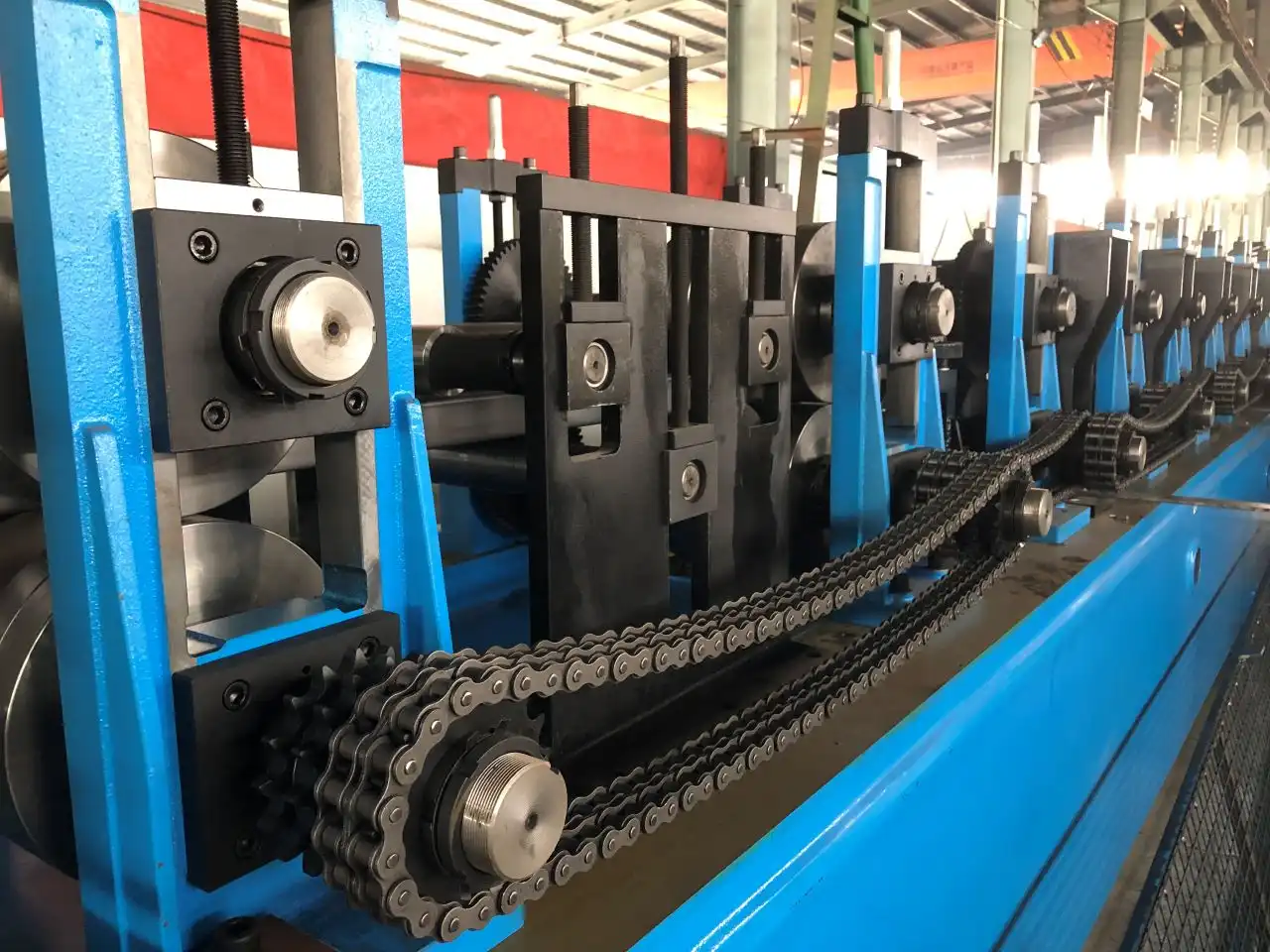
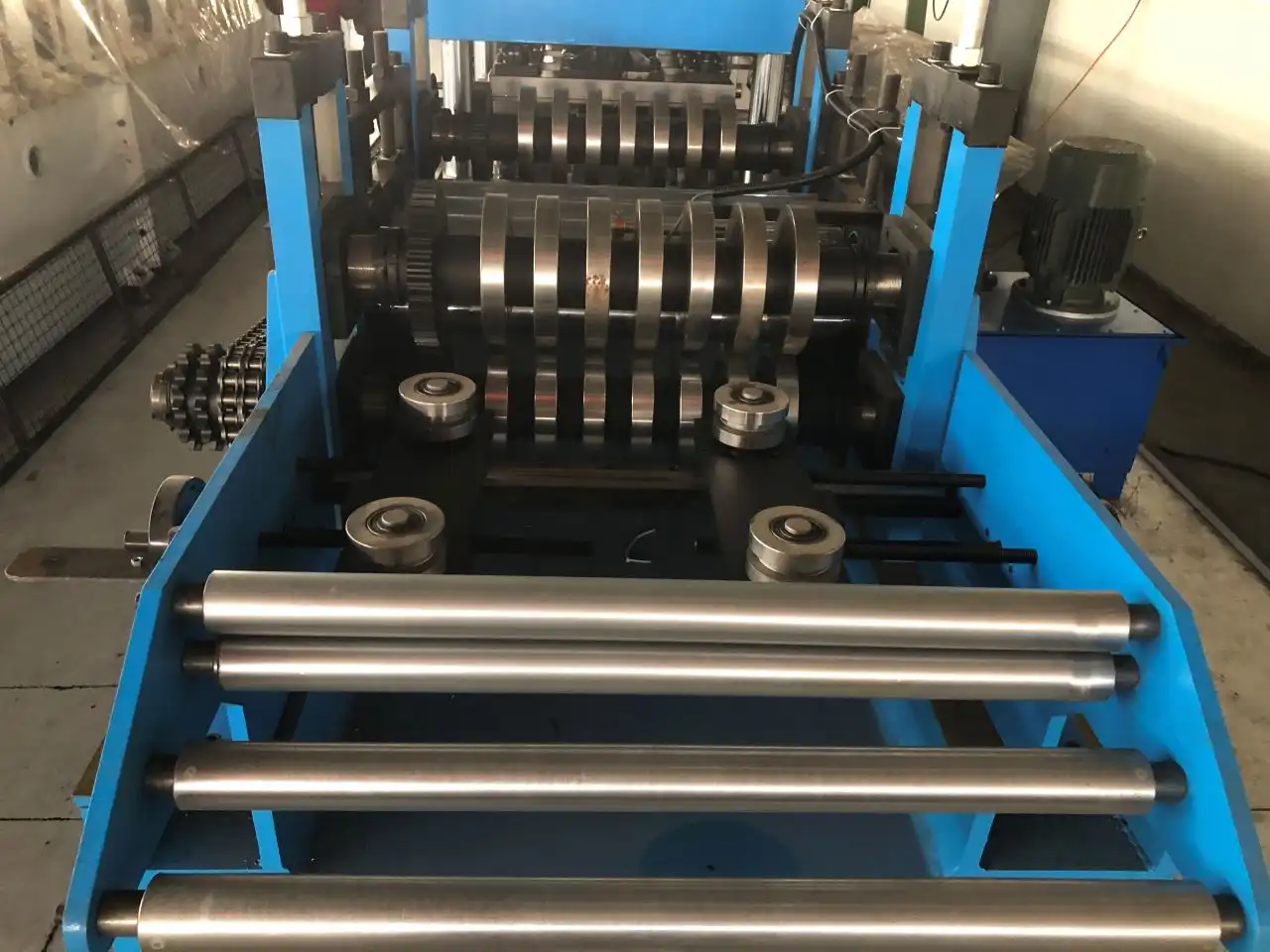
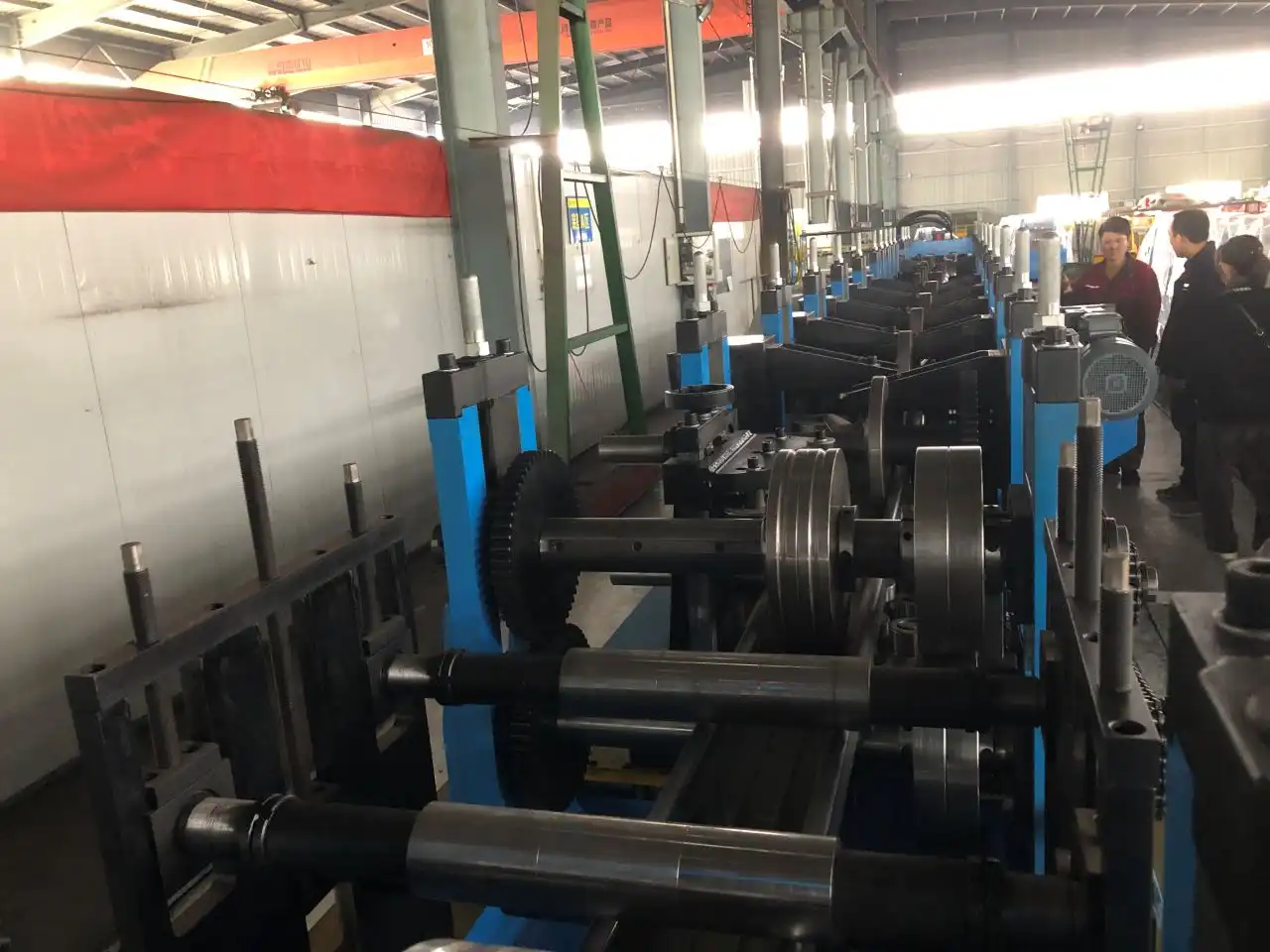
A strip of steel is fed through a line of roller dies that are perfectly matched in a roll-making line. At each station, the strip is bent more and more until it reaches the final C, Z, or other section geometry. The molds have to keep that shape within very tight limits. For example, for structural purlins, the flange angles have to stay within ±1°, and the total length difference over 6 meters shouldn't be more than ±1.5 mm.
Key Materials Used in Mold Construction
The best roller dies are made from Cr12MoV or SKD11 tool steel that has been vacuum-heated to an HRC 58–62 hardness. This range of hardness protects the rollers from wear from rough galvanized or high-tensile steel coils (G450–G550). When rollers are too soft, they cut too early, ruining the shape of the profile after tens of thousands of rounds.
Primary Wear Mechanisms
Three types of wear shorten the life of a mold: scratching from hard steel surfaces, surface rust from water and broken-down lubricants, and plastic deformation from being overloaded. During regular checks, a trained worker can read the different marks that each mechanism makes, such as grooves, pits, or changes in radius.
Common Causes for Reduced Mold Life and How to Identify Them
Most mold failures trace back to a handful of avoidable problems. Identifying them early is far cheaper than replacing a full set of roller dies.
Operational Overloading
Running material thicker than the purlin roll forming machine's rated capacity forces the rollers to absorb stress beyond their design load. On lines built for 1.5–3.0 mm material, processing 3.5 mm coils without a heavy-duty specification upgrade — including shaft diameters of at least 80 mm and reinforced side-wall plates of 20–25 mm — accelerates bearing wear and shaft deflection simultaneously.
Insufficient or Incorrect Lubrication
Dry roller surfaces generate friction heat that softens tool steel and accelerates surface fatigue. Using the wrong lubricant — or applying it inconsistently — produces similar damage. Industry practice calls for a dedicated forming oil with EP (extreme pressure) additives for high-tensile steel applications.
Poor Raw Material Quality and Contamination
Coil surfaces contaminated with mill scale, rust, or sand act as abrasives, grinding the mold faces with every meter of production. Maintaining coil storage standards and fitting an entry-side de-scaling or cleaning station dramatically reduces this abrasive load on the tooling.
Practical Methods to Extend the Life of Forming Molds
Once the causes have been found, the next step is to set up a maintenance system that will make checking the mold every day instead of just once in a while.
Scheduled Cleaning and Lubrication Protocols
A cleaning cycle once a week that gets rid of metal dust, hardened lubricant, and oxide debris from all roller surfaces keeps them from getting too rough. Add to that an automatic lubrication system that makes sure each station gets the same amount of oil film. Data from production shows that automatic lubrication cuts the rate of wear on roller surfaces by 20–35% compared to human application.
Forming Parameter Optimization
Mold stress is changed by the speed of forming, the entry tension, and the pass-reduction angles. It is much easier on the tools to run a C purlin at 20 m/min with the right pass sequencing than to rush the same job at 30 m/min with the wrong angle progression. PLC-controlled lines let operators save and call up the best parameter sets for each profile, which gets rid of the need for human error between production runs.
Surface Treatment and Hardening Options
When you put anti-wear coatings on mold working surfaces, like chrome plating or TiN (titanium nitride), they create a hard barrier that stops galling and rusting. After some wear, heat treatment repair at a good tool shop can often bring back the hardness for 20–30% of the cost of a new mold set. You should plan these treatments into your budget for regular upkeep.
Cleaning regularly, controlling parameters, and treating the surface all work together to create a three-layer defense against mold failure before it's time. Mold service lives are usually two to three times longer in shops that use all three than in shops that only use run-to-failure methods.
Advanced Solutions and Innovations for Mold Longevity
In addition to regular upkeep, newer technologies give production teams better ways to predict and stop mold decline before it affects the quality of the work they make.
High-Performance Alloy Tooling
Powder metallurgy (PM) tool steels used in modern mold sets are much more resistant to wear than traditional Cr12MoV steels, but they cost about the same per unit of output. PM grades keep their working strength longer when loaded and unloaded many times, which makes them perfect for lines that process G550 steel all the time.
Real-Time Condition Monitoring
The purlin roll forming machine's PLC gets information from vibration, temperature, and sound output monitors that are placed on the forming stations. When vibration signatures change more than the baseline, the system sends a message to the affected station so that it can be inspected before the finished purlin's dimensions start to change. Case studies from the PEB manufacturing sector show that this type of predictive tracking has cut unexpected tooling downtime by up to 40%.
OEM-Designed Custom Mold Sets
Molds made by the original equipment manufacturer for a certain type of machine guarantee the right shaft fit, roller spacing, and pass-reduction geometry. When you use generic replacement tools, they often cause imbalance, which speeds up the wear on both the mold and the bearings. When you need replacement mold sets, the safest way to keep the precise measurements needed for structural purlin production is to work with a certified OEM supplier.
Choosing and Procuring Durable Forming Molds
When you source something, the choices you make now will affect the costs of maintenance for years to come.
Evaluating Material Quality and Hardness Standards
Any company that sells purlin roll making machines should be able to give you material certificates and hardness test results for their roller dies. Check that the hardness is between 58 and 62 HRC and that the heat treatment records show that vacuum processing was done. Suppliers who can't provide this paperwork pose a quality risk that can be measured.
Comparing Suppliers on Certifications and After-Sales Support
When a supplier has ISO 9001 certification, CE marking, or CAS certification, it means that their quality management system meets internationally recognized standards. Support after the sale is just as important. The real cost of ownership over a 10-year machine life is affected by expert help, the availability of spare parts, and installation instructions. Most of the time, a lower price that doesn't have much help costs more in the long run.
Cost Versus Longevity Analysis
A high-end mold set might cost 30–50% more up front, but it will last two to three times longer and cause fewer production delays than a cheap one. When purchasing managers think about the time lost during unplanned die changes, the numbers always favor quality sources.
Conclusion
Purlin roll forming machine mold life isn't set; it can be changed. Any company that makes steel structures or PEBs can keep production on schedule and cut down on tooling costs by understanding how wear happens, getting rid of the causes of wear, and performing regular maintenance. Any business that is willing to put in the time and effort to improve its processes can use the techniques we've talked about here, such as lubrication routines, parameter optimization, advanced alloy tools, and OEM sourcing. Longer mold life means more uniform shapes, fewer rejected purlins, and a better return on the money spent on the mold.
FAQ
1. How often should forming molds be inspected?
For production lines that work 8 or more hours a day, seven days a week, an eye review and a dimensional check should be done. Higher forming loads cause surface wear to happen faster on high-tensile steel runs (G450 and above), so they need to be checked more often.
2. Can worn forming molds be refurbished rather than replaced?
Yes, most of the time. Molds that have surface galling or small grooves can be re-ground and re-coated at a qualified tool shop. This will bring the working dimensions and hardness back to normal. It's possible to refurbish a mold set for 20–30% of the price of a new one, as long as the base material hasn't cracked or lost its structural thickness.
3. What signs indicate a mold needs replacement, not repair?
A finished purlin shape that is out of tolerance in terms of size (for example, a flange angle that is more than ±1°), cracks that can be seen on the roller face, or a roller that no longer meets minimum hardness (below HRC 55) after being reground are all clear signs.
4. How does raw material grade affect mold wear rate?
Molds wear out faster in harder steel grades. The yield strength of G550 is 550 MPa, and it causes about 40–60% more surface wear per meter of strip than standard G250 material. Mold sets that are meant to make G550 all the time should use higher-grade tool steel and be oiled more often.
5. Does forming speed affect mold life?
Yes. When the making speed is higher, the touch frequency and frictional heat go up. When you run at 25–30 m/min without enough cooling and greasing, the mold doesn't last as long as when you run at 15–20 m/min with the right process controls in place.
Get Durable Mold Solutions from ZTRFM — Your Trusted Purlin Roll Forming Machine Supplier
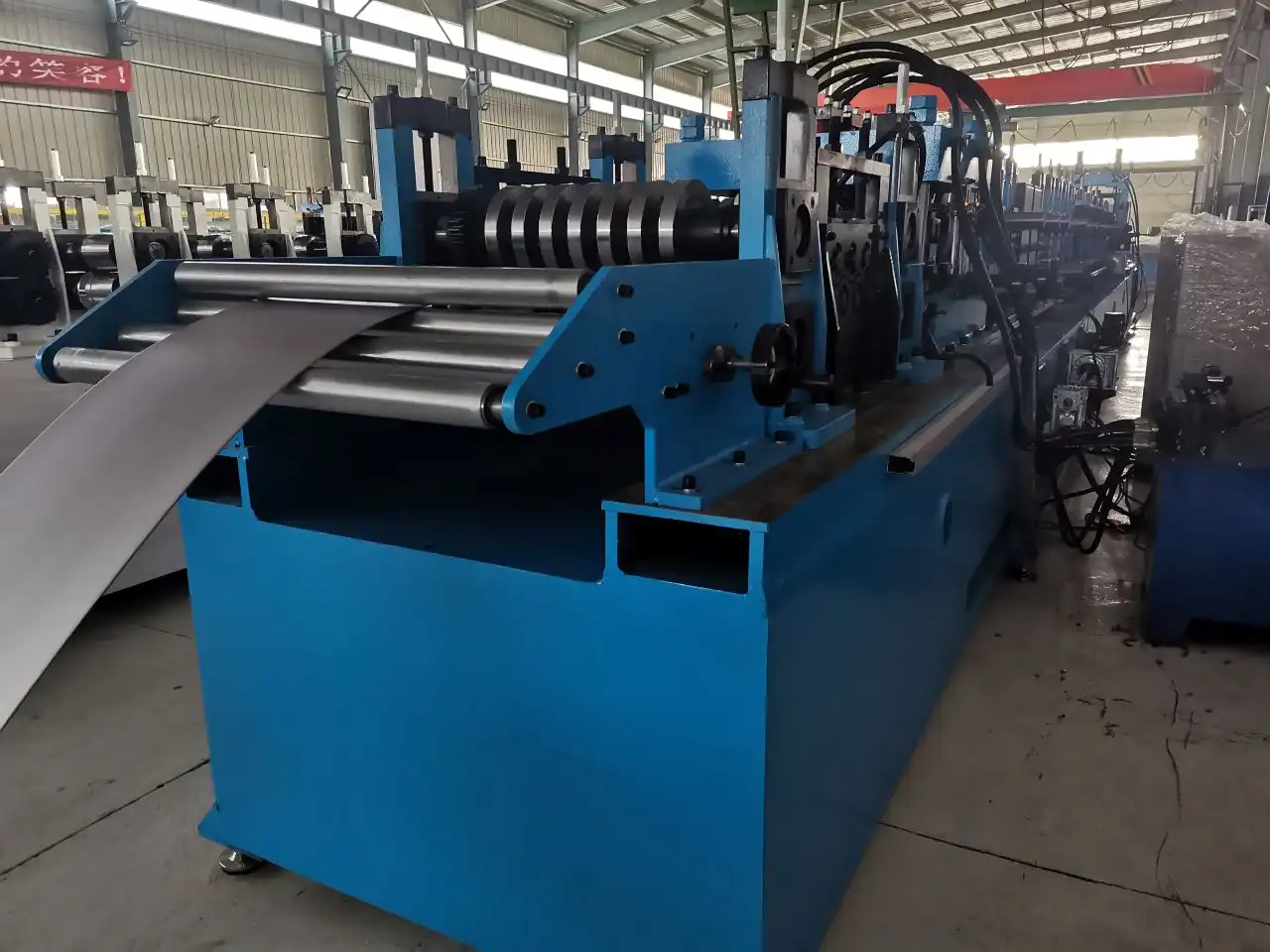
Since its founding in 2014, ZTRFM has sold purlin roll forming machines to clients in more than 150 countries. Every machine we make is backed by ISO 9001, CE, and CAS certifications. Our roller dies are made from vacuum-heated Cr12MoV tool steel, and our engineering team is here to help you with any technical issues you have after the sale. You can email zhongtuorollforming@gmail.comto talk about your production needs, whether you are starting a new PEB plant or replacing old tools.
References
1. Schuler GmbH. Metal Forming Handbook. Springer, 1998.
2. Bhattacharyya, D. Roll Forming of Sheet Metal. CIRP Annals — Manufacturing Technology, 1984.
3. Halmos, G. T. Roll Forming Handbook. CRC Press, 2006.
4. ASM International. ASM Handbook, Volume 18: Friction, Lubrication, and Wear Technology. ASM International, 1992.
5. Jeong, S. H., & Kim, J. H. "Tool wear in cold roll forming of high-strength steel." Journal of Materials Processing Technology, 2011.
6. Roberts, W. L. Cold Rolling of Steel. Marcel Dekker, 1978.