- English
- French
- German
- Portuguese
- Spanish
- Russian
- Japanese
- Korean
- Arabic
- Irish
- Greek
- Turkish
- Italian
- Danish
- Romanian
- Indonesian
- Czech
- Afrikaans
- Swedish
- Polish
- Basque
- Catalan
- Esperanto
- Hindi
- Lao
- Albanian
- Amharic
- Armenian
- Azerbaijani
- Belarusian
- Bengali
- Bosnian
- Bulgarian
- Cebuano
- Chichewa
- Corsican
- Croatian
- Dutch
- Estonian
- Filipino
- Finnish
- Frisian
- Galician
- Georgian
- Gujarati
- Haitian
- Hausa
- Hawaiian
- Hebrew
- Hmong
- Hungarian
- Icelandic
- Igbo
- Javanese
- Kannada
- Kazakh
- Khmer
- Kurdish
- Kyrgyz
- Latin
- Latvian
- Lithuanian
- Luxembou..
- Macedonian
- Malagasy
- Malay
- Malayalam
- Maltese
- Maori
- Marathi
- Mongolian
- Burmese
- Nepali
- Norwegian
- Pashto
- Persian
- Punjabi
- Serbian
- Sesotho
- Sinhala
- Slovak
- Slovenian
- Somali
- Samoan
- Scots Gaelic
- Shona
- Sindhi
- Sundanese
- Swahili
- Tajik
- Tamil
- Telugu
- Thai
- Ukrainian
- Urdu
- Uzbek
- Vietnamese
- Welsh
- Xhosa
- Yiddish
- Yoruba
- Zulu
Hidden spare part costs of t bar roll forming machine ownership
When budgeting for a suspended-ceiling grid production line, most buyers focus on the machine's sticker price. What they often miss are the ongoing spare part expenses that quietly eat into margins over years of operation. Owning a t bar roll forming machine means committing to a long-term cost relationship with rollers, cutters, bearings, and punching dies — components that wear, break, and need replacing. Understanding these hidden costs before you sign a purchase order is the difference between a profitable line and a budget-draining one.
Understanding Hidden Spare Part Costs in T Bar Roll Forming Machines
The price that you pay for a ceiling grid roll-making line is just the beginning. When the machine is put into use, there is a different set of costs that most suppliers don't go over with you when you are buying the machine.
What Counts as a Hidden Cost
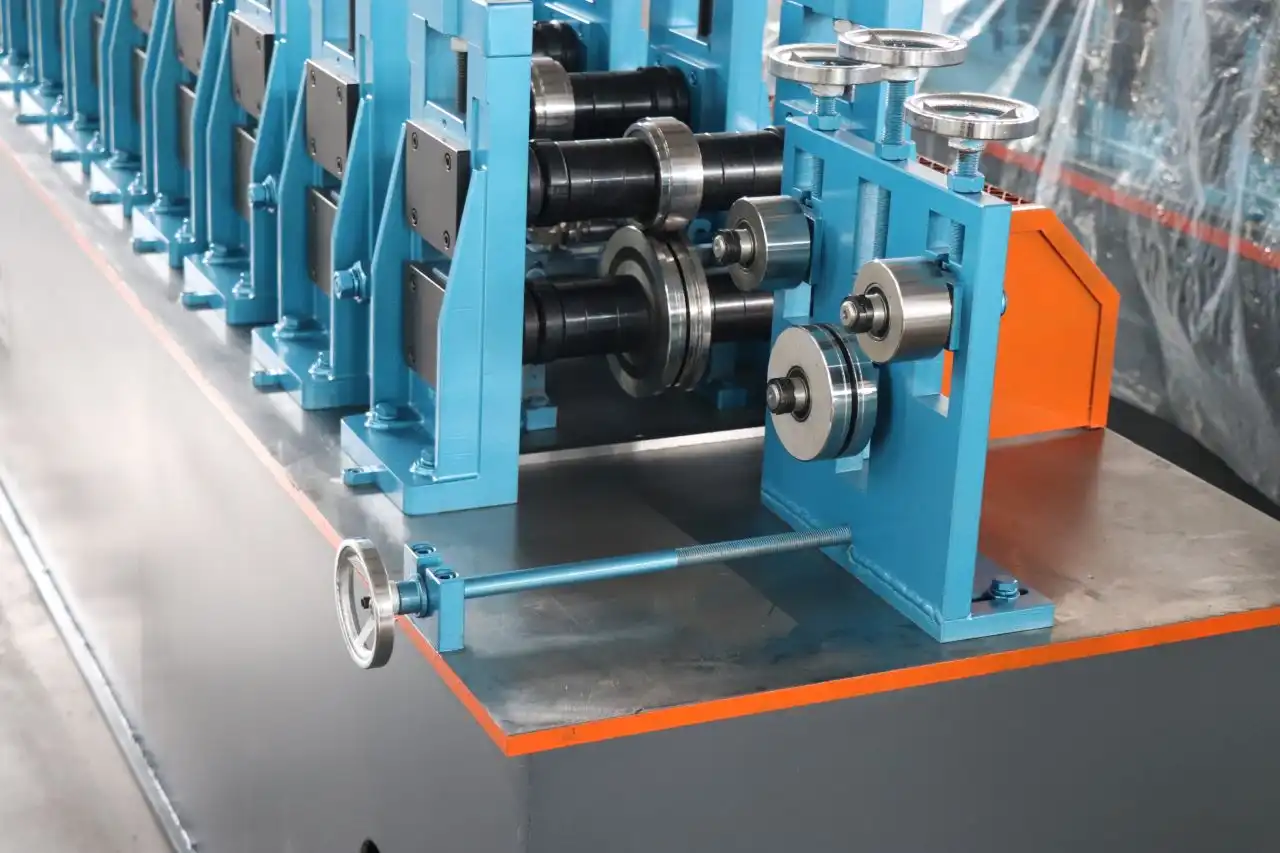
Consumable tools, fixes that don't happen on time, and fast shipping for emergency parts are all examples of hidden costs. The forming rollers are constantly under stress from friction on a line that works with 0.12–0.3 mm PPGI strip at up to 20 m/min. Even hardened GB-Cr12 rollers get surface wear over time that makes it harder to get accurate profile dimensions.
Components That Wear Fastest
In a T-grid line, the parts that need to be replaced the most are:
- Forming rollers — 18 stations for main tee, 16 for cross tee; each station carries a roller pair subject to constant metal contact.
- Punching dies and cutters — inline punching and flying cutters experience impact fatigue, especially when cutting GI strip at 0.2–0.4 mm.
- Bearings and shafts — the 50 mm diameter 45# steel shafts and their associated bearings degrade faster when lubrication schedules slip.
Most of the unexpected repair costs on any T-bar line that's being used for business are made up of these three groups:
Why Buyers Underestimate TCO
Procurement teams look at line speed and unit price, but not many of them ask for a full list of parts that need to be replaced and how often they need to be replaced. A study done by the Machinery Maintenance Management Association in 2022 found that manufacturers lose an average of $260,000 a year because of unplanned downtime. For a high-speed ceiling grid line, having to wait even two days for a new cutter blade can cost more than the blade itself.

Root Causes of Elevated Spare Part Costs in T Bar Roll Forming Machines
Spare part costs don't just show up. They have to do with choices that were made during the planning phase and during daily use.
Machine Design and Material Quality
If you build a roll-making line with lower-quality roller materials, it will wear out much more quickly. Forming rollers on quality lines are made from GB-Cr12 tool steel and are heated to make the surface hard so that they don't burn when pre-painted PPGI coil is formed. Skip this specification in lines that want to save money up front, but they will need to replace rollers more often after 12 to 18 months of continuous operation.
Mismatch Between Machine Capacity and Production Demand
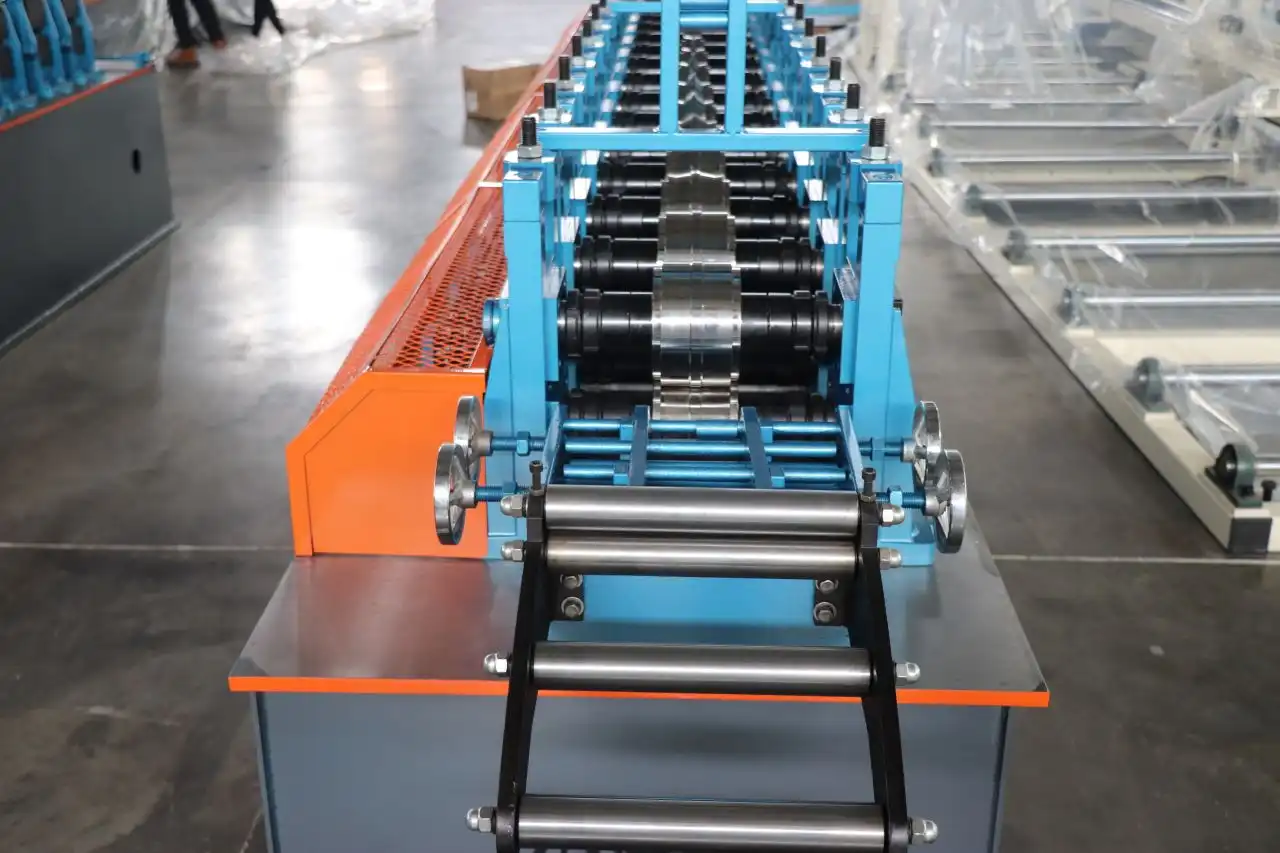
Parts wear out faster at every station when a ceiling t grid roll forming machine is used beyond its rated capacity. For certain strip weights, a decoiler with a 1.5-ton load capacity and a coil inner diameter of 450–550 mm is the right size. When you force heavier coils or speed the line above the rated 0–20 m/min range, you put extra stress on the bearings and roller shafts, which makes service intervals much shorter.
Inadequate Maintenance Practices
Maintenance skips compound quickly. SKF's bearing maintenance guidelines say that if you miss a lubrication cycle on a shaft bearing, it won't fail right away, but over the next few months, it will last 30–40% less. Without a structured PM routine, these small losses add up to high costs every year.
Strategies to Manage and Reduce Hidden Spare Part Costs
Spending less on extra parts is a process, not a choice that you make once. It begins when the machine is bought and goes on for as long as it is used.
Match the Machine Spec to Your Profile Range
Ceiling grid lines that only use 0.12–0.3 mm PPGI for T-bar top strips wear out faster than lines that switch between PPGI and 0.2–0.4 mm GI for bottom strips. When you choose a line that is spec'd for the range of materials you actually use instead of the widest range possible, you are not putting extra stress on the tools. Before you place your order, talk to the maker about your strip width, material grade, and monthly amount.
Build a Preventative Maintenance Calendar
Here are the main maintenance tasks that can be done on a T-grid roll forming line to make parts last longer:
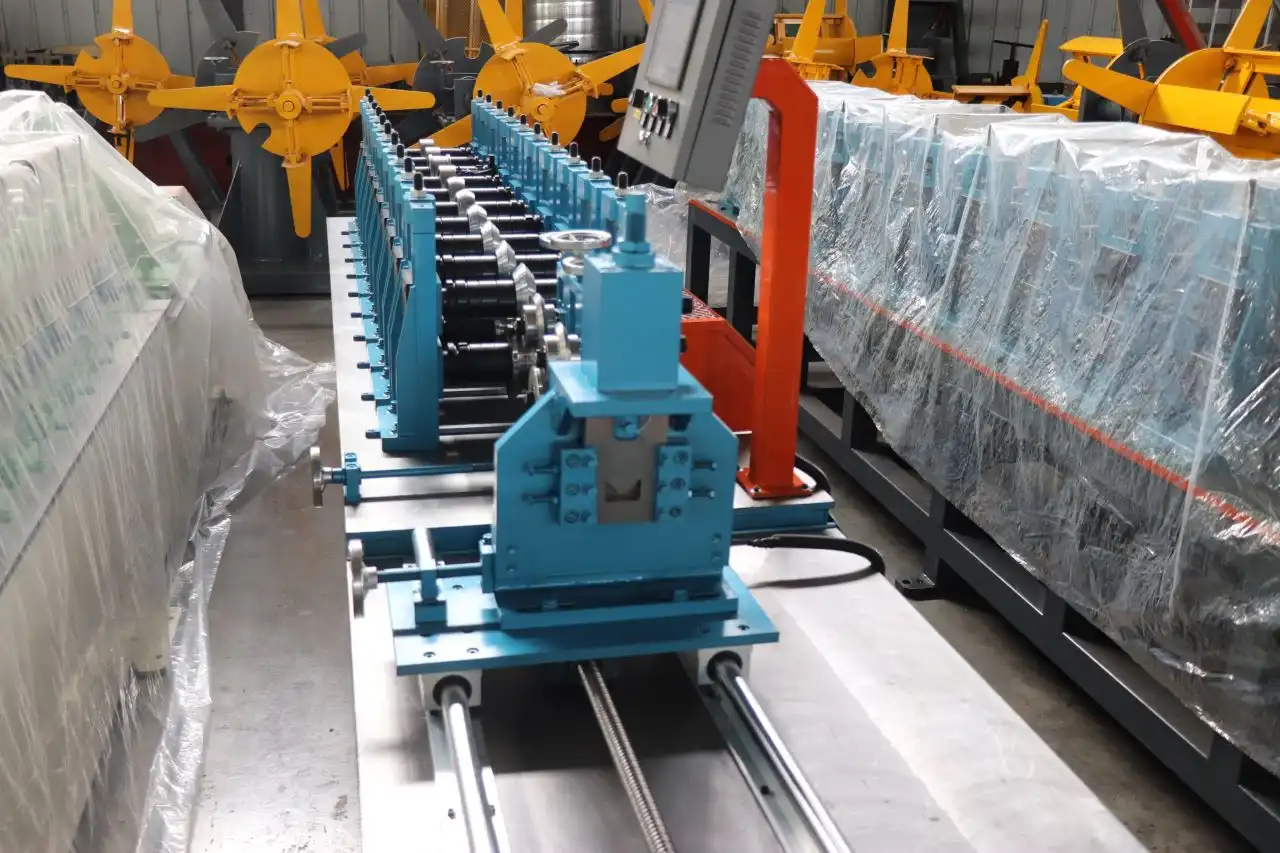
- Weekly: Check roller surface condition at all 18 main tee stations; inspect bearing play on decoiler shaft.
- Monthly: Measure punch-to-die clearance; replace worn cutting blades before dimensional drift appears in finished profiles.
- Quarterly: Full shaft alignment check; hydraulic fluid analysis if the line uses hydraulic cutting.
By taking these steps, you can cut down on unplanned downtime and make sure that your annual spare part spending is planned instead of reactive.
Negotiate a Spare Parts Package at Purchase
Before the machine ships, ask the maker for a spare parts kit for the first year. Roller sets, punching dies, and bearings are some of the most common wear parts on ceiling t grid roll forming machines. A good seller should be able to offer a package deal that includes all of these parts at a lower unit cost than emergency reorders. Write down the prices and wait times you want to use.
Evaluating Suppliers: Minimizing Hidden Costs Through Smart Procurement
Picking the right maker for your ceiling grid roll forming machine has a direct effect on both the cost of extra parts and the frequency of your upkeep.
Certifications and Technical Credibility
You should only buy from companies that are certified by ISO 9001, CE, and CAS. These are not marketing labels; they show that quality systems have been documented and cover things like material specifications, production controls, and tolerances for size. A factory that doesn't have these certificates can't promise that the roller materials, shaft tolerances, or weld quality are up to the standards that have been released.
OEM Tooling and Parts Availability
Buyers who run private-label programs or need special profile dimensions need to be able to get OEM-specific tools. Make sure the supplier keeps tooling drawings, has profile-to-order roller sets, and can send replacement dies without having to start the whole process over from the beginning. Suppliers whose tooling programs are protected by an NDA also protect your profile IP and make sure that parts keep coming in.
Reference Clients and After-Sales Track Record
Ask for references that you can check. Parts logistics skills have been shown by a company with recorded setups in more than 150 countries and reference clients in large markets. A provider with a well-established export process can get parts to you faster than one that is shipping to your area for the first time.
Future Trends and Innovations to Reduce Spare Part Costs
As production technology gets better, the cost equation for spare parts is changing.
IoT-Enabled Predictive Maintenance
Smart sensors built into roll forming lines can now track vibration patterns on individual roller stations. This lets operators know when bearings are wearing out before they cause the profile to change or the line to stop. When manufacturers work with industrial IoT platforms, like Siemens' cloud-based tracking systems, they can offer remote tests that find signs of failure days or weeks before they happen. This changes maintenance from being reactive to planned, which lowers the cost of parts per ton of output over time.
Improved Tooling Materials and Surface Treatments
GB-Cr12 rollers have longer service lives because they have advanced surface treatments that lower the friction coefficient during rolling. According to research from the National Cold Roll Forming Institute, rollers that are coated can last 40–60% longer than bare rollers when preparing pre-painted PPGI strip. This means that rollers don't need to be replaced every year.
Multi-Profile Cassette Systems
With quick-change cassette heads, one machine can switch between main tee and cross tee designs without having to take all of the tools apart. Fewer breakdowns mean less damage to the precision roller surfaces during handling and shorter production gaps. Both of these things lower the cost per profile changeover over the life of the machine.
Conclusion
Hidden costs for spare parts are a real and measurable part of owning a t bar roll forming machine line. The costs of forming rollers, punching dies, bearings, and unplanned downtime can easily be higher than the differences in the initial purchase prices of different suppliers. It is much better for buyers to protect their margins if they think about material quality, upkeep intervals, and seller parts support from the start than if they only look at machine price. The most reliable way to keep a ceiling grid production line profitable for its whole life is to use an organized approach to total cost of ownership. This includes choosing specs, managing PM schedules, and evaluating suppliers.
FAQ
1. What are the most frequently replaced parts on a T-bar roll forming line?
Most of the time, parts like forming rollers, punching dies, cutting blades, and shaft bearings need to be changed. Roller wear is directly related to the strength of the material and the amount of production. For example, lines that run constantly at 15–20 m/min on GI strip see roller wear much faster than lines that run at slower speeds on PPGI.
2. How do I estimate the total cost of ownership for a ceiling grid line?
Start with the price of the machine itself, then add up how much you think it will cost each year for consumable parts (like rollers, dies, and blades), planned maintenance, and one unplanned stoppage. Most good T-grid lines last much longer than five years, so a reasonable TCO estimate should include that time frame.
3. Can I source spare parts locally in the United States?
Standard parts like bearings, hydraulic seals, and electrical parts can be found in your area. Profile-specific tools, like special roller sets and punched dies, usually need to come from the company that made them. By checking part wait times and stocking suggestions before buying, you can avoid long work breaks when important tools need to be replaced.
4. Does machine automation level affect spare part costs?
Yes, servo-driven lines with encoder-based length control and automated stacking have more electronic parts that need to be maintained. However, they reduce the wear and tear on the machines that comes from making adjustments by hand and mistakes made by operators, which usually makes up for the extra complexity over time.
Get a Transparent Quote from ZTRFM — A Trusted T Bar Roll Forming Machine Manufacturer
ZTRFM was established in 2014 in Botou, Cangzhou. It creates and makes t bar roll forming machine lines with a hanging roof and is certified by ISO 9001, CE, and CAS. We offer full spare parts kits, OEM tools, and Siemens IoT remote repair support. Our lines are used in more than 150 countries. To get a detailed TCO breakdown and equipment quote, email our engineering team at zhongtuorollforming@gmail.com.
References
1. SKF Group. Bearing Maintenance Handbook. SKF, 2021.
2. Machinery Maintenance Management Association. Annual Cost of Unplanned Downtime Report. MMMA, 2022.
3. National Cold Roll Forming Institute. Research on Roller Coating Technologies for Light-Gauge Steel Forming. NCRFI, 2020.
4. American Iron and Steel Institute. Light Gauge Steel Framing Design Guide. AISI, 2020.
5. Society of Manufacturing Engineers. Tooling Economics in Roll Forming Operations. SME, 2019.
6. International Organization for Standardization. ISO 9001:2015 Quality Management Systems — Requirements. ISO, 2015.