- English
- French
- German
- Portuguese
- Spanish
- Russian
- Japanese
- Korean
- Arabic
- Irish
- Greek
- Turkish
- Italian
- Danish
- Romanian
- Indonesian
- Czech
- Afrikaans
- Swedish
- Polish
- Basque
- Catalan
- Esperanto
- Hindi
- Lao
- Albanian
- Amharic
- Armenian
- Azerbaijani
- Belarusian
- Bengali
- Bosnian
- Bulgarian
- Cebuano
- Chichewa
- Corsican
- Croatian
- Dutch
- Estonian
- Filipino
- Finnish
- Frisian
- Galician
- Georgian
- Gujarati
- Haitian
- Hausa
- Hawaiian
- Hebrew
- Hmong
- Hungarian
- Icelandic
- Igbo
- Javanese
- Kannada
- Kazakh
- Khmer
- Kurdish
- Kyrgyz
- Latin
- Latvian
- Lithuanian
- Luxembou..
- Macedonian
- Malagasy
- Malay
- Malayalam
- Maltese
- Maori
- Marathi
- Mongolian
- Burmese
- Nepali
- Norwegian
- Pashto
- Persian
- Punjabi
- Serbian
- Sesotho
- Sinhala
- Slovak
- Slovenian
- Somali
- Samoan
- Scots Gaelic
- Shona
- Sindhi
- Sundanese
- Swahili
- Tajik
- Tamil
- Telugu
- Thai
- Ukrainian
- Urdu
- Uzbek
- Vietnamese
- Welsh
- Xhosa
- Yiddish
- Yoruba
- Zulu
Color Difference Between Coils: Batch Matching Tips
To control color difference between coils, I match every panel run to a single coating lot, record each coil tag, measure ΔE with a handheld meter, and form the coils in a planned order. A corrugated sheet making machine cannot change paint color, but it can protect the coating surface and keep every panel consistent in length and profile. When careful batch matching meets steady roll forming, neighboring roof sheets look uniform on the building. This guide covers the causes, the matching steps, and the machine setup I recommend for galvanized and pre-painted steel.
Why Color Difference Between Coils Happens Paint Lots and Coating Line Variation
Steel that has already been coated is given its colour by a coil coating process. It is possible for the final shade to be somewhat altered depending on the curing temperature, line speed, and paint batch. When two coils with the same colour name are hung side by side on the same roof, the distance between them may become visible. This is because the coils may have been purchased from separate paint batches. For external construction materials, ASTM A755 covers prepainted, hot-dip metallic coated steel sheet, while EN 10169 covers coil coated steel flat products in Europe. Both of these standards are used, respectively. Tolerance for colour, on the other hand, is often something that the customer and the maker can agree upon. I make it a habit to enquire with the provider about the lot number and the colour data that has been measured for each coil. This information enables me to determine which coils are intended to be used together.
Gloss, Film Thickness, and Metallic Effects
Not simply hue is what colour is. Due to the fact that the gloss level and paint film thickness both affect the way light bounces off the surface, two coils that are quite similar in colour might yet seem to be different when they are installed on a roof. Due to the fact that the flakes in the paint may reflect light in a variety of ways depending on the direction in which it is seen, metallic finishes offer an additional dimension. This is the reason why I make sure that the coil orientation is consistent throughout all of the sheets in a single elevation. One of the problems that may occur with bare galvanised steel is a phenomenon known as spangle, in which the zinc crystal pattern can vary the appearance from one coil to the next.
Storage and Handling Effects
Coils can change after they leave the coating line and before entering a corrugated sheet making machine. Water trapped between wraps can leave white rust on zinc surfaces, and prolonged exposure to sun or heat can dull some paint films. Dust, oil from handling, and scratches from careless lifting also affect how a surface reflects light. I store coils indoors on dry cradles, keep the packaging on until forming day, and handle them with soft slings. Short storage time before forming also reduces the chance of mixing coils of different ages into one job.
Batch Matching Tips Before Production
Order From One Coating Run and Record Coil Tags
The rule that produces the greatest results is the simplest one: purchase all of the coils for a single roof from the same paint lot and the same coating run. Request that the supplier provide a written confirmation of the lot split and the colour standard if the order is of a significant size. Upon the arrival of the coils, I take a snapshot of each tag and record the number of the coil, the lot, the breadth, the thickness, and the weight. Considering that the raw material for this ZTRFM model is galvanised or pre-painted steel with a thickness ranging from 0.3 to 0.5 millimetres, I also make sure that each and every coil in the work falls within that range. When a client questions a colour at a later time, having a spreadsheet that is related to the work number may save hours of time.
Measure ΔE, Not Only Your Eyes
As my eyes get tired and the illumination shifts, I add up the numbers. Within a colour space, the distance between two colours is denoted by the symbol ΔE. Additionally, ISO 11664-4 specifies the CIELAB space that lies beneath it, and ASTM D2244 provides an explanation of how to determine it based on instrument data. When the ΔE is close to 1, it is often referred to as the smallest change that a skilled observer can detect under controlled settings. It is also commonly observed that bigger values are more readily discernible over broad flat expanses. A limit should be agreed upon with the consumer before the purchase is made. After that, reading three locations on each end of the coil with the same instrument, geometry, and illumination is the next step. In 2005, Sharma and his colleagues provided a description of the more recent CIEDE2000 formula.
Plan Coil Sequence and Panel Layout
Following the completion of the inspection, I will design the sequence. When I stack panels, I do so in the order that I form them; I identify each bundle with the manufacturing order and the number of the coil, and I run coils that are identical to one another back to back. Installers should utilise bundles in the same sequence on the job site, and they should ensure that every sheet is facing the same direction in the event that a coil moves beyond the predetermined ΔE, I reserve it for a different purpose, such as a back wall or a separate structure, rather than incorporating it into a slope that is visible to the naked eye. Before the panels leave the business, this process, which is rather inexpensive, avoids the majority of colour complaints.
Using a Corrugated Sheet Making Machine to Keep Panels Consistent
What the Machine Can and Cannot Do
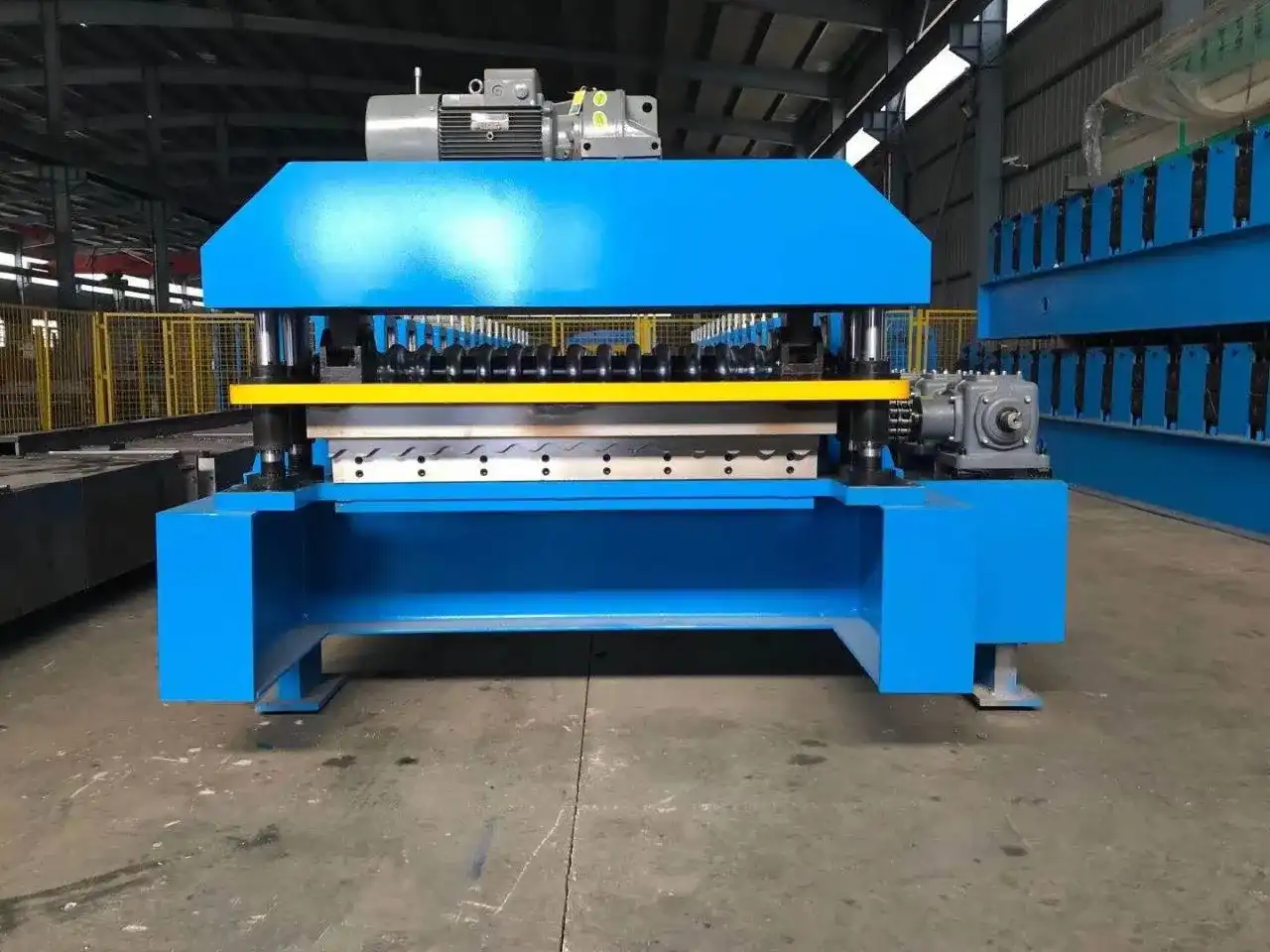
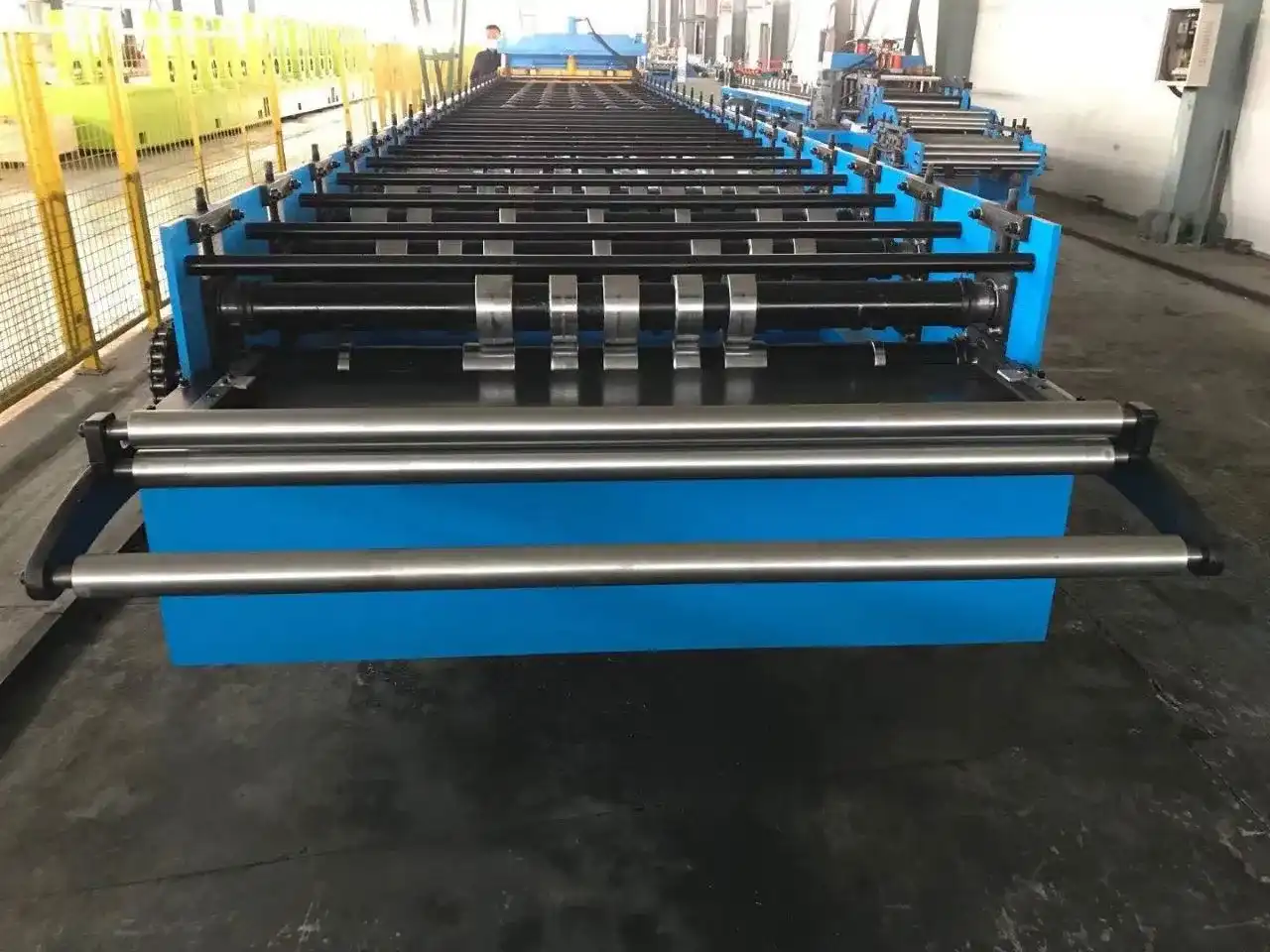
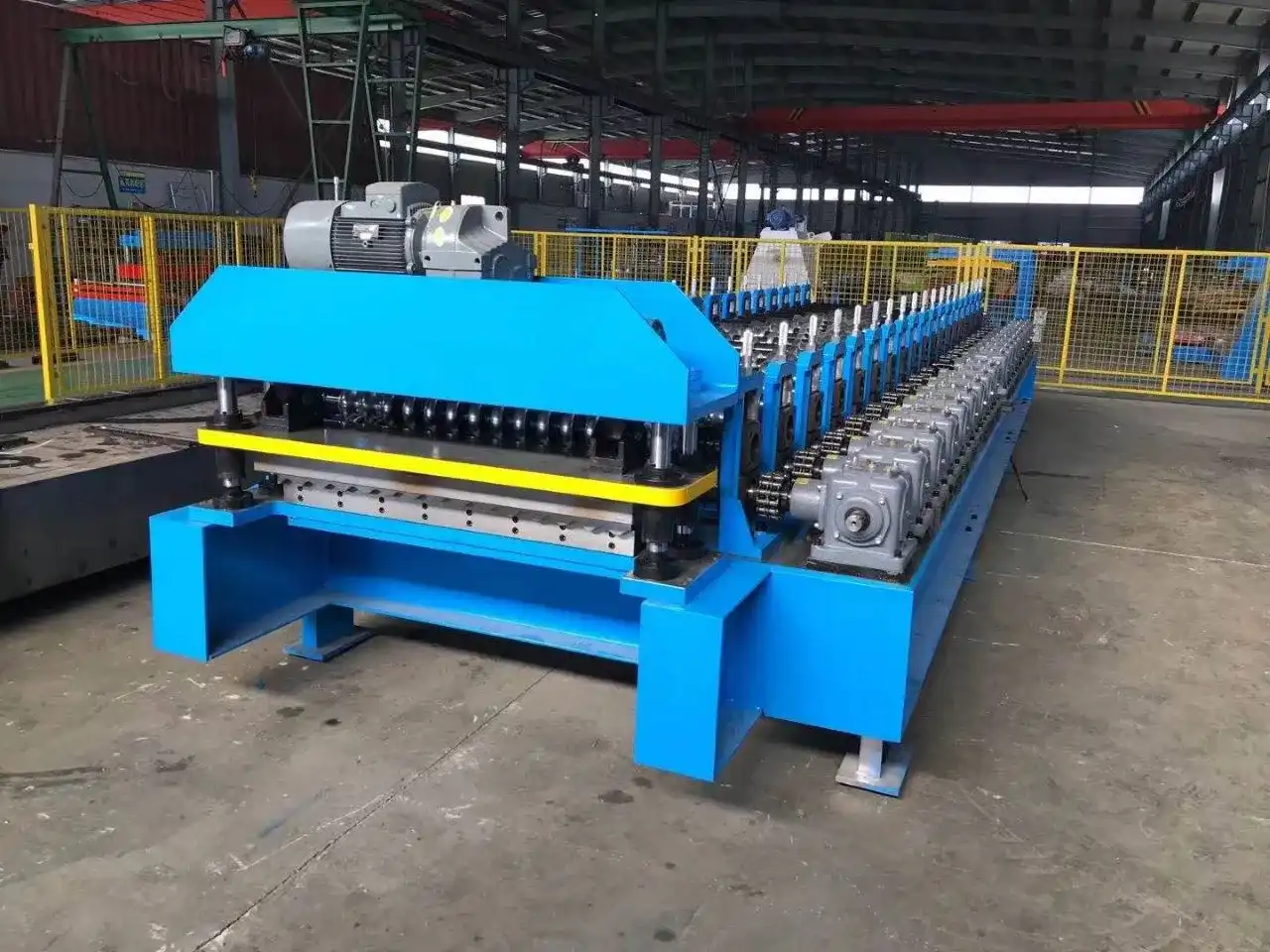
A corrugated sheet making machine forms the metal and does not tint it. It controls what happens after the coil passes inspection: surface contact, feeding, cut length, and repeatability. Rollers with rough spots or debris can scratch paint, and scratches change gloss in a way that looks like color difference. Uneven forming can also change how light hits the ribs. ZTRFM lines run corrugated, trapezoidal, and IBR roofing profiles, so one clean, steady line lets you keep coil order, sheet length, and profile the same from the first panel to the last.
ZTRFM Machine Specifications
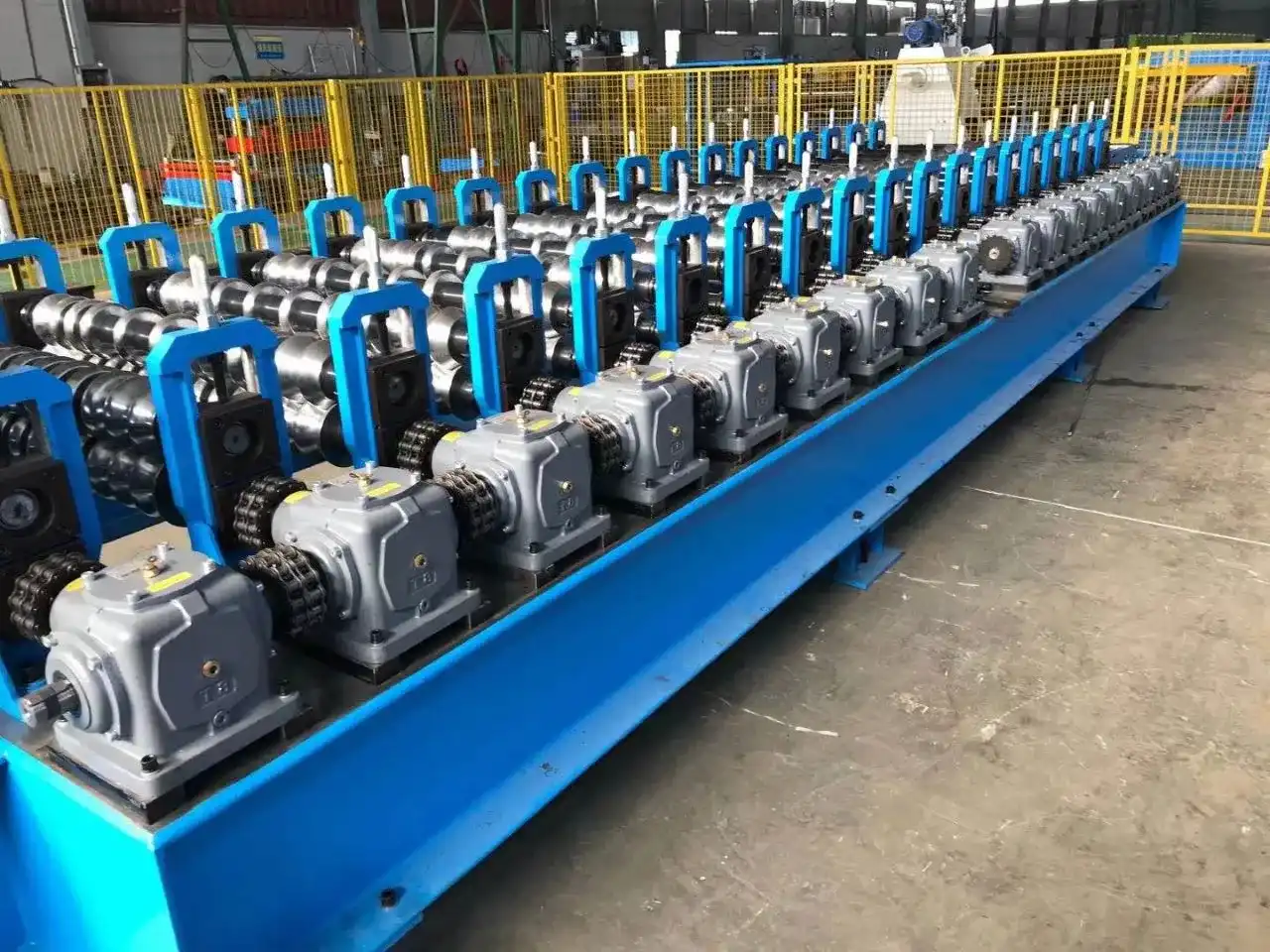
This is the arrangement that I explain to potential purchasers. In a thickness range of 0.3 to 0.5 millimetres, the line produces galvanised and pre-painted steel. In order to feed the coil, a 5T hydraulic decoiler is used; however, different capacities or a manual decoiler are also available as alternatives. The old structure is comprised of 18 roller stations, and the rollers are made of 45# steel that has been quenched. Steel that has been tempered to 45# is used for the shafts, which have a diameter of 80 mm. Everything is held in place by a welded 350H steel frame, and the rollers are driven by a gearbox that is connected to a motor that is 5.5 kW in power. Using a hydraulic station that is 5.5 kW in power, each sheet is cut to the appropriate length using hydraulic cutting.
A Troubleshooting Workflow on the Line
Whenever a client brings to my attention a colour mismatch, I adhere to a predetermined sequence. To begin, I determine the location of the difference, which may be between shifts, across coils, or even inside a single sheet. In the second step, I examine the coil tags and the ΔE data. For the third step, I make sure that the rollers, guides, and run-out table are free of any scratches or dirt. After that, I create a test sheet using a coil that was chosen previously. In the fourth step, I examine that sheet beside a sample that was kept under the same microscope. Specifically for this reason, I maintain a sample from each coil that is labelled. Because the procedure differentiates between material issues and machine problems, I am able to repair the actual reason rather than adjusting the settings based on my best estimate.
Conclusion
Color difference between coils mostly starts at the coating line, through paint lots, gloss, film thickness, and metallic effects, while poor storage can cause further changes. Buyers reduce the risk by ordering from one lot, logging coil tags, measuring ΔE against an agreed limit, and keeping coil direction and panel order consistent. A corrugated sheet making machine does not change paint color, but clean rollers, steady forming, accurate hydraulic cutting, and a traceable coil sequence prevent the production line from adding visible differences. The specifications covered here, including 18 roller stations, a 5.5 kW motor, and a 5T hydraulic decoiler, support steady output on 0.3–0.5 mm galvanized and pre-painted steel. A written color standard, measured data, and a clear troubleshooting process provide the strongest protection against rejected roof sheets.
FAQ
1. Can a corrugated sheet making machine fix color difference between coils?
No. The machine forms the sheet and does not change paint color. It can avoid adding scratches or gloss changes, and it keeps length and profile consistent. Match the coils before forming.
2. What ΔE limit should I use?
ASTM D2244 explains the calculation, but the limit comes from your agreement with the supplier or customer. A ΔE near 1 is often seen as the smallest visible difference under controlled viewing, so set a tight limit for large, visible roof areas. Write it into the purchase order.
3. Which materials and thicknesses does this model form?
This model forms galvanized and pre-painted steel from 0.3 to 0.5 mm thick. For other thicknesses or special profiles, send a drawing or sample panel for review.
Request a ZTRFM Corrugated Sheet Making Machine Quote
Contact ZTRFM at zhongtuorollforming@gmail.com to discuss your roofing profile, coil size, and output target. As a corrugated sheet making machine supplier founded in 2014, we offer OEM and ODM design, one-stop service, and ISO 9001, CE, and CAS-certified equipment shipped to over 150 countries. Send a sample panel or drawing, and our team will recommend a configuration.
References
1. ASTM International. ASTM D2244: Standard Practice for Calculation of Color Tolerances and Color Differences from Instrumentally Measured Color Coordinates, 2016.
2. ASTM International. ASTM A755/A755M: Standard Specification for Steel Sheet, Metallic Coated by the Hot-Dip Process and Prepainted by the Coil-Coating Process for Exterior Exposed Building Products, 2018.
3. International Organization for Standardization. ISO 11664-4: Colorimetry, Part 4: CIE 1976 Lab* Colour Space, 2008.
4. European Committee for Standardization. EN 10169: Continuously Organic Coated (Coil Coated) Steel Flat Products, 2012.
5. Sharma, G., Wu, W., and Dalal, E. "The CIEDE2000 Color-Difference Formula," Color Research & Application, 2005.
6. Wyszecki, G., and Stiles, W.S. Color Science: Concepts and Methods, Quantitative Data and Formulae, 2000.