- English
- French
- German
- Portuguese
- Spanish
- Russian
- Japanese
- Korean
- Arabic
- Irish
- Greek
- Turkish
- Italian
- Danish
- Romanian
- Indonesian
- Czech
- Afrikaans
- Swedish
- Polish
- Basque
- Catalan
- Esperanto
- Hindi
- Lao
- Albanian
- Amharic
- Armenian
- Azerbaijani
- Belarusian
- Bengali
- Bosnian
- Bulgarian
- Cebuano
- Chichewa
- Corsican
- Croatian
- Dutch
- Estonian
- Filipino
- Finnish
- Frisian
- Galician
- Georgian
- Gujarati
- Haitian
- Hausa
- Hawaiian
- Hebrew
- Hmong
- Hungarian
- Icelandic
- Igbo
- Javanese
- Kannada
- Kazakh
- Khmer
- Kurdish
- Kyrgyz
- Latin
- Latvian
- Lithuanian
- Luxembou..
- Macedonian
- Malagasy
- Malay
- Malayalam
- Maltese
- Maori
- Marathi
- Mongolian
- Burmese
- Nepali
- Norwegian
- Pashto
- Persian
- Punjabi
- Serbian
- Sesotho
- Sinhala
- Slovak
- Slovenian
- Somali
- Samoan
- Scots Gaelic
- Shona
- Sindhi
- Sundanese
- Swahili
- Tajik
- Tamil
- Telugu
- Thai
- Ukrainian
- Urdu
- Uzbek
- Vietnamese
- Welsh
- Xhosa
- Yiddish
- Yoruba
- Zulu
Best AG Panel Roll Forming Machine for High Precision Panels
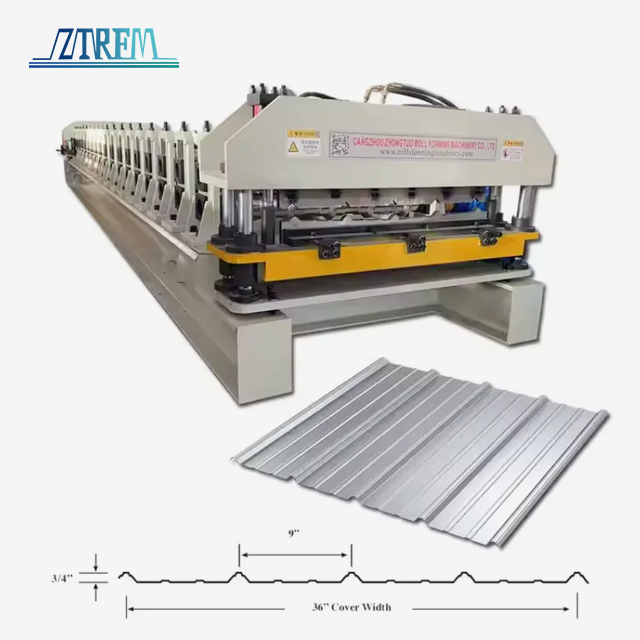
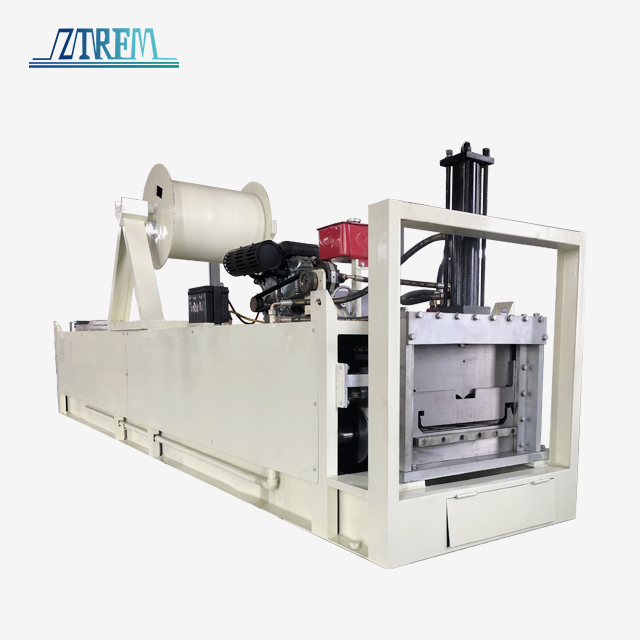
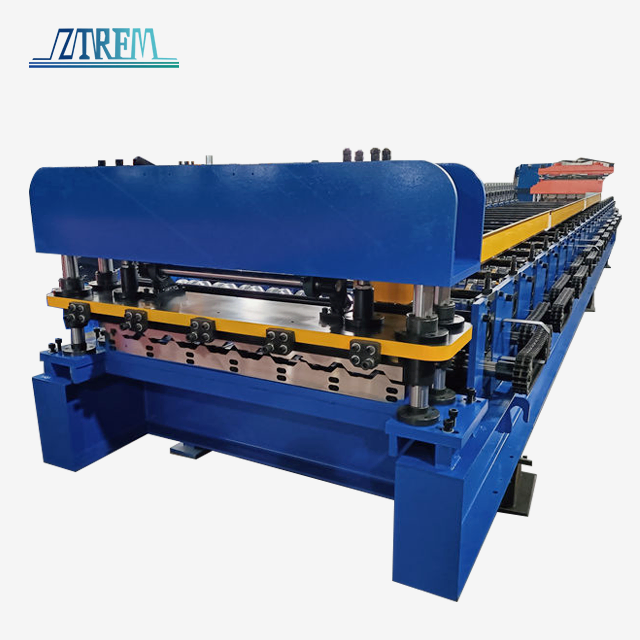
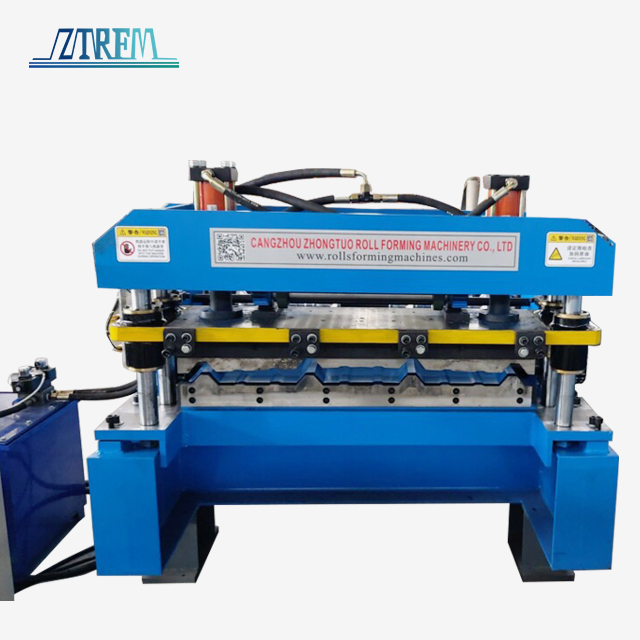
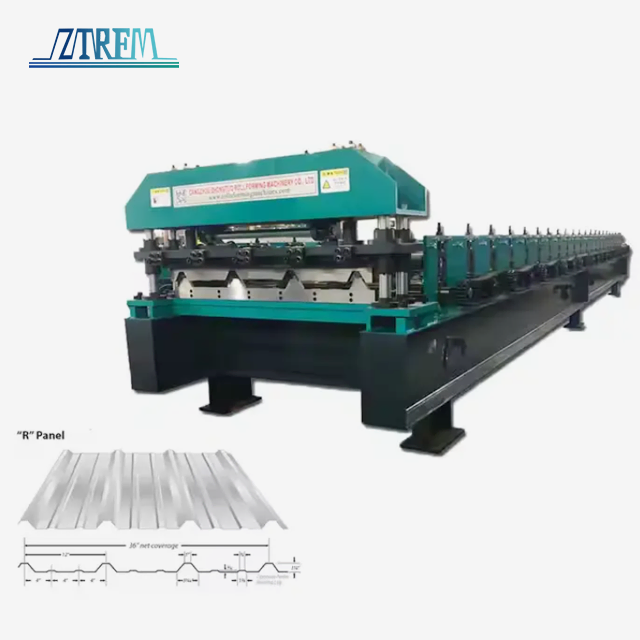
When searching for the best AG panel roll forming machine, you're looking at specialized equipment designed to fabricate agricultural-profile metal roofing and siding panels with exceptional accuracy. These machines produce the specific 36-inch net coverage AG profile—featuring 3/4-inch high major ribs at 9-inch centers—widely used throughout the post-frame building industry. What sets premium AG panel roll formers apart is their ability to eliminate oil canning in thinner gauge metals, ensure weather-tight side-laps through precisely formed anti-siphon grooves, and maximize coil yield efficiency to dramatically lower production costs per linear foot compared to standard fabrication methods.
Introduction to AG Panel Roll Forming Machines
The AG panel roll forming machine is a big step forward in the technology used to make metal panels. These machines were first made for agricultural construction, but they have since been changed to fit a wider range of needs that require strong structures that can withstand the weather. AG panel roll formers are different from other types of forming equipment because they have special roller configurations that are designed to make panels that stay the same size over long production runs.
It is very important to be very precise in this area. When panels don't meet tight tolerances, expensive problems happen, like roofs that leak, installations that aren't lined up right, and customer reports that hurt your image. The consistent measurements these tools give you have a direct effect on how panels fit together during installation. This affects whether your buildings stay waterproof for decades of bad weather.
Manufacturers have switched from using brake presses by hand to using automatic roll forming systems, and the efficiency gains are amazing. When using manual methods, 20 to 30 panels might be made each shift, but the quality could vary. An AG panel roll former, on the other hand, can consistently make 100 or more panels every day without the operator's tiredness that causes measurement drift.
How AG Panel Roll Forming Machines Work?
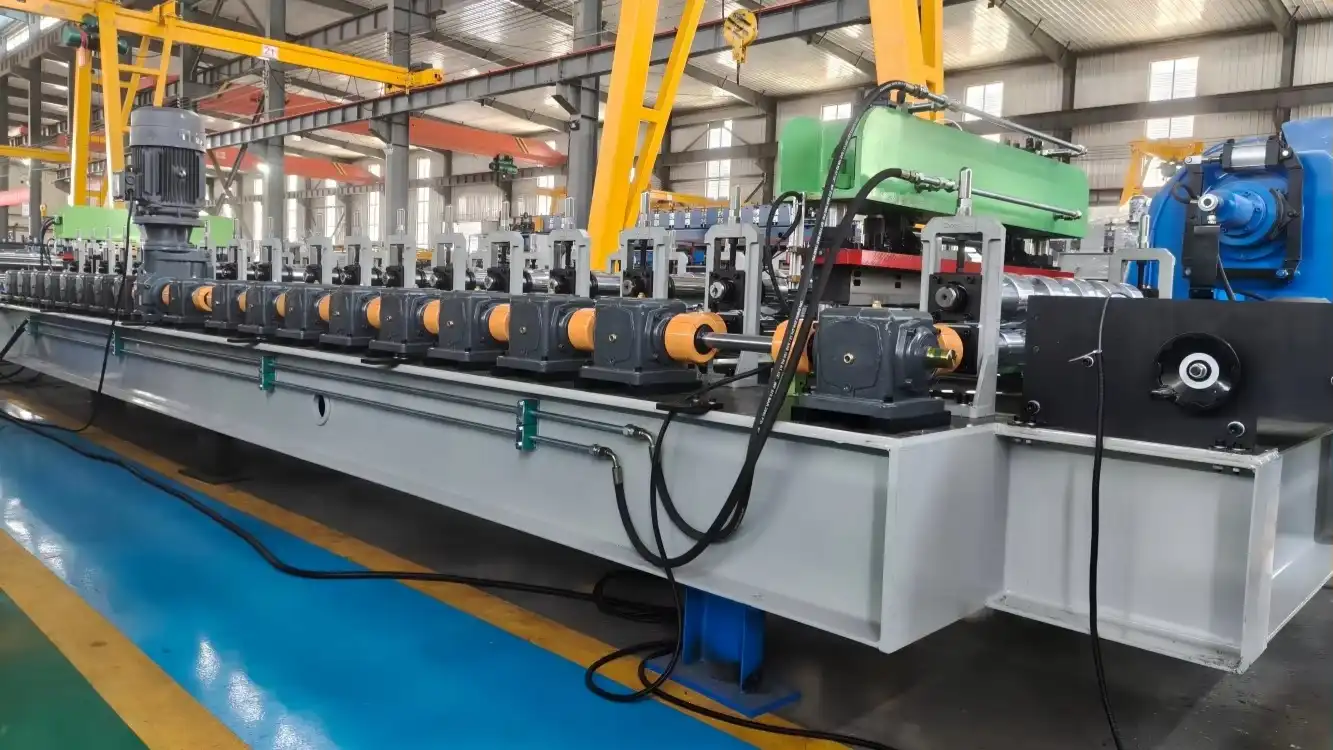
Understanding the operating processes helps you make good decisions about the powers of tools. Steel bars that have already been painted or galvanised enter the AG panel roll forming machine through a decoiler station to start the process. The thickness of the material is usually between 29-gauge (0.0149 inches) and 26-gauge (0.0187 inches), but some heavy-duty configurations can handle 24-gauge for use in harsh weather.
The Progressive Forming Process
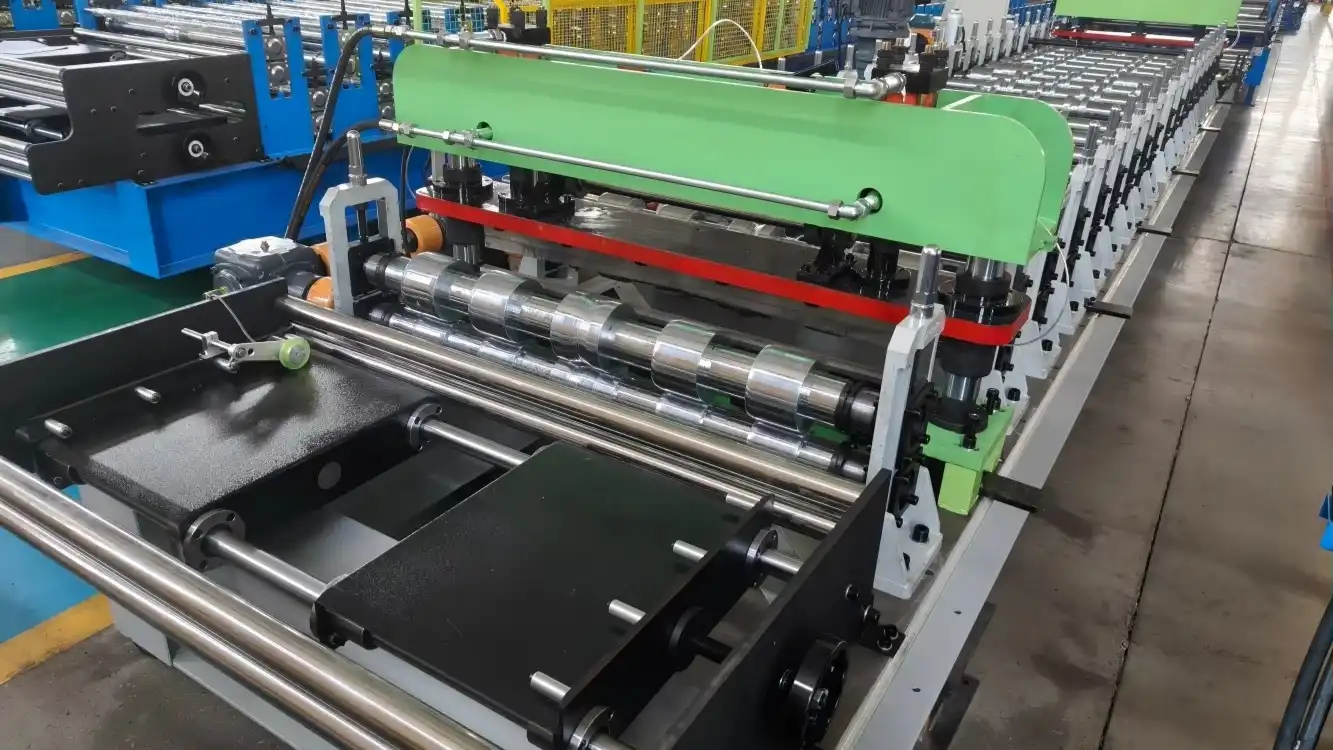
Coil material travels through 16–22 forming stations as it proceeds onward. Perfect rollers progressively mold flat metal into the AG profile at each location. A few strong bends would break and stress the material, but progressively shaping prevents this. At each station, a distinct forming process progressively raises rib heights and creates anti-siphon lines to prevent water capillary action between panels.
Rollers are made of high-quality 45# steel or Cr12MoV alloy. After heating, they are hard chrome-plated to 0.05 mm. This method prevents pre-painted coils from scratching, which is crucial for creating architectural-grade panels since surface appearance affects sales.
Precision Control Systems
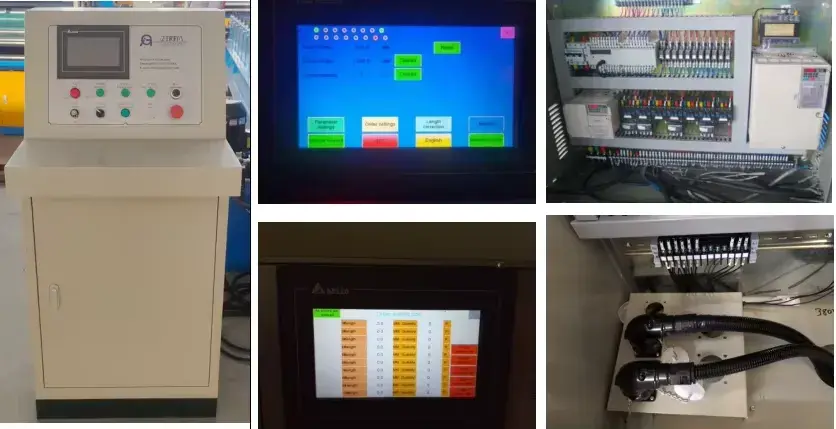
Modern machines use Siemens and Mitsubishi PLC controllers and encoder feedback systems to maintain ±1.0mm length inaccuracy. This much control ensures that every panel in a 40,000-square-foot structure fits properly. Service-driven cutting systems provide clean, burr-free lines. They also don't bend the profile ribs during cutting, which breaks lower-quality equipment.
Gearbox transmission and heavy-duty chain drive systems exist. Both approaches sync all forming stations. This prevents station speed-related size discrepancies. The system is normally installed on a vibration-reducing H-beam foundation. Keeping the profile steady at 30–60 m/min is crucial.
Comparing AG Panel Roll Forming Machines: Choosing the Right One
When choosing an AG panel roll forming machine that meets your production needs, you need to look at a number of important performance factors. You should weigh the needs for immediate production against the costs and benefits of long-term growth.
Automation Levels and Production Capacity
Beginner hand-measured length tools and operator-operated cutting suites may manage 5,000 to 10,000 linear feet per month. Though more laborious, some systems cost less—between $25,000 and $45,000. Semi-automated systems with length control and automatic stacking eliminate bottlenecks as production increases. These systems may produce 20,000–40,000 linear feet per month.
Automatic lines take coils upstream, verify quality inline, and package items. Manufacturers that produce over 100,000 linear feet per month employ these combinations. Depending on customization, investments vary from $150,000 to $300,000.
Drive System Considerations
Hydraulic drive systems can forcefully manufacture heavy gauges and G550/Grade 80 steel. The hydraulic post-cut shear cuts thick materials smoothly and requires little blade maintenance. Maintenance involves monitoring oil and changing seals every 6–12 months, depending on job volume.
Gear reduction mechanical drive systems are simple, dependable, and low-maintenance. These techniques work effectively with standard gauge materials in consistent output. Because you have to make manual modifications, dealing with materials at the gauge ends limits your options.
Speed Capabilities and Quality Balance
Throughput depends on manufacturing speed, although quicker isn't necessarily better. Machines that travel 40–50 m/min are fastest and most accurate for most activities. Advanced control mechanisms and improved roller bearings are needed to prevent dimensions from shifting at 60–80 m/min. We've found that purchasing high-speed equipment before quality control systems are ready generally makes matters worse.
Benefits and Applications of Using AG Panel Roll Forming Machines
When you buy dedicated AG panel roll forming machines, you get measurable benefits that have a direct effect on your bottom line and your ability to compete in the market. The advantages go beyond just increasing output; they also include maintaining quality and finding the right place in the market.
Operational and Financial Advantages
Immediate benefits include material waste reduction. When trimming coil stock roll forming parts, you waste less material than when cutting sheet stock. Material utilisation rates generally exceed 95%, saving you money when processing thousands of panels every month. Eliminating oil canning, which generates waves in flat panels, reduces rejections and rework costs.
Labor efficiency rises greatly. Brake press operators must constantly measure and repair. However, properly set up roll forming instruments may function without supervision. This allows you to deploy trained staff for more valuable jobs like bespoke production or installation.
Production run dimension uniformity boosts builders' and workers' faith in your firm. When the panels arrive and fit correctly, installation crews can work more quickly and have fewer complaints. Dependability helps you stand out in competitive environments.
Industry Applications and Market Segments
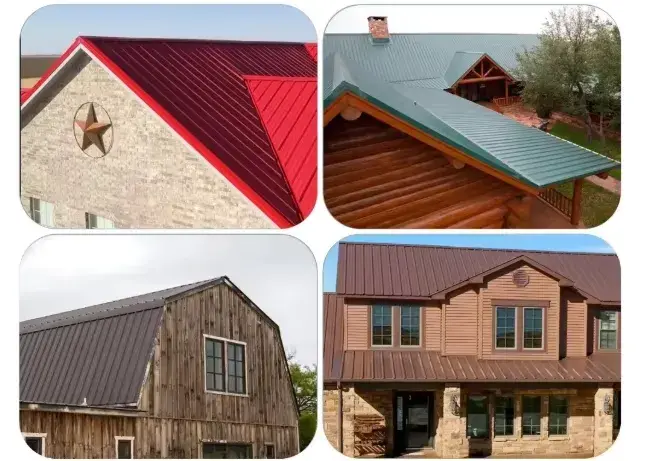
AG panels were historically sold on large farms. Running continuous lengths reduces end-laps and leaks in big structures like chicken coops, equipment sheds, and dairy farms. Paneling for a 50,000-square-foot dairy barn might be 15,000–20,000 linear feet. Production efficiency is crucial for project profitability.
Residential "barndominium" has generated a demand for rural home-friendly roofing types. Large roof surfaces make defects easier to see, so these projects require panels that look nice throughout. Your machine generates perfect ribs that suit conventional closing strips and snow guards, making fitting easy and weatherproof.
Warehouse liner panels and light industrial park cladding are for industrial use. Chemically rich or coastal environments demand PVDF or Kynar coatings. With regularly serviced chrome-plated rollers, your machine can operate with these coatings without compromising the protective finish. This capability allows you to enter high-end markets where coating integrity affects 20–30-year service life.
Maintenance, Safety, and Optimization Tips
To keep the performance of the AG panel roll forming machine at its best, you need to be proactive about maintenance and pay close attention to operational details that stop downtime and quality loss from happening out of the blue.
Scheduled Maintenance Protocols
Daily checks should include looking at the roller surfaces for scratches or damage to the coating, making sure that the coils are moving correctly through the entry guides, and making sure that the cutting blades are making clean, burr-free edges. Any change from normal operation needs to be fixed right away, before it hurts the quality of the panel.
Roller bearing lubrication should follow the manufacturer's instructions. Depending on how much they are used, they usually need to be greased every 40 to 80 operating hours. Not doing this maintenance speeds up the wear on the bearings, which causes the shaft to become misaligned and show up as panel twist or camber—defects that builders reject during installation.
Hydraulic cutting blades made of Cr12MoV alloy usually need to be sharpened every 6 to 8 months when working standard 8-hour shifts. This time period changes depending on how much high-tensile steel is being worked on. Keeping blades sharp stops edge burrs and lowers cutting force, which makes shear components last longer.
Performance Optimization Techniques
Fine-tuning roller pressure eliminates rippling on panel flat sections, a defect called oil canning. This problem usually happens when there is too much forming pressure or uneven coil tension. Most problems can be fixed by adjusting the entry guide tension brake or fine-tuning the gaps between the middle rollers. Long-term testing with 20-foot panels shows camber or twist issues that point to problems with shaft parallel alignment that need to be fixed by a professional.
PLC accuracy verification involves running ten batches in a row to make sure that the cut-to-length consistency stays within 1mm of industry standards. If the deviation goes beyond this range, it means that the encoder calibration is off or that the length measurement system is wearing out mechanically, which needs to be fixed by a technician.
Safety Compliance and Operator Training
Modern machines have safety features that meet international standards. These include emergency stop systems, guarding around moving parts, and locking switches that stop the machine from working when access panels are open. Full training for operators lowers the chance of accidents and boosts output. Operators who have been trained well can spot strange sounds, noises, or problems with how the material is moving before they hurt or damage someone.
Procurement Guide: How to Buy the Best AG Panel Roll Forming Machine?
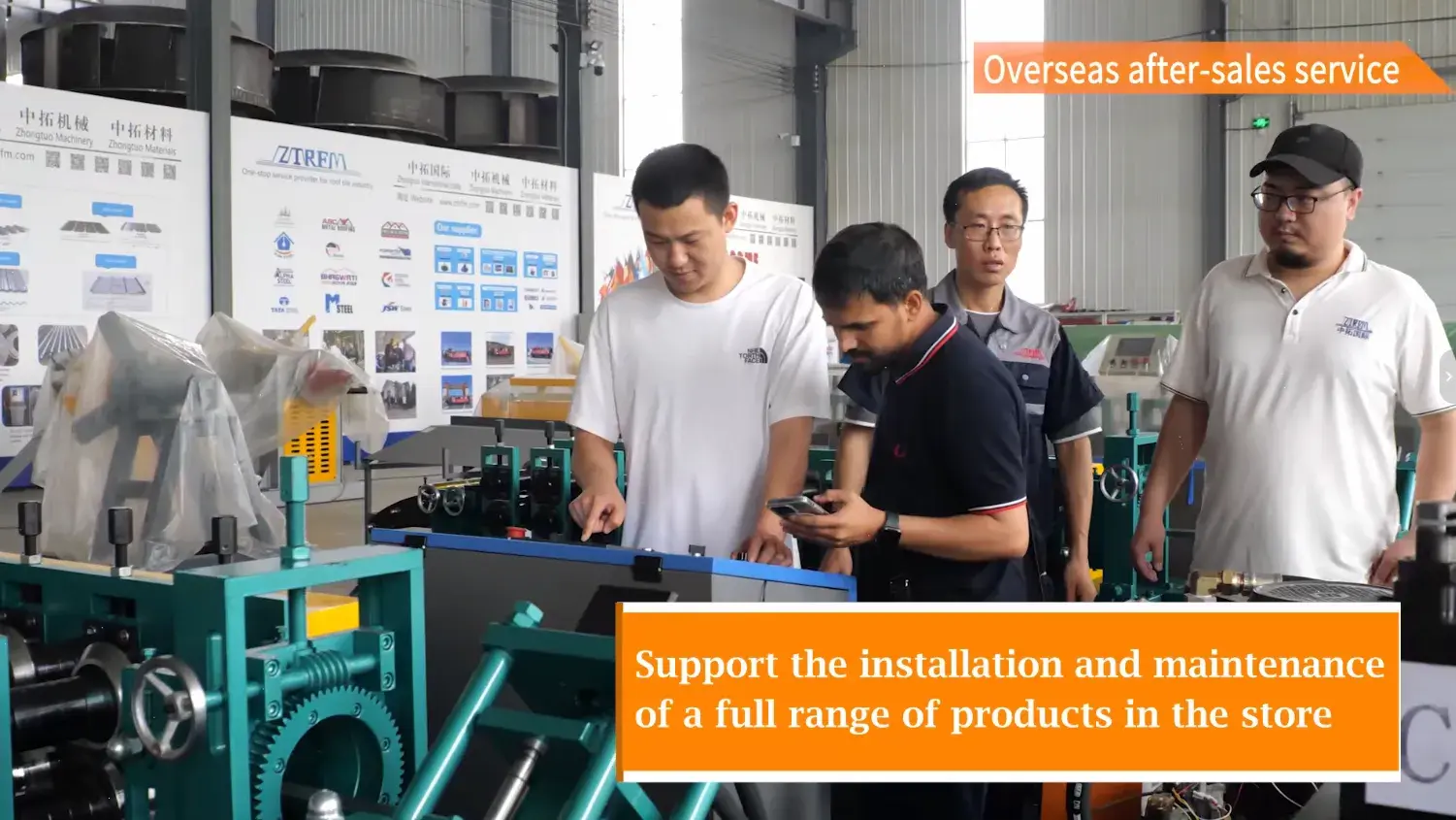
To make a smart AG panel roll forming machine investment, you need to carefully consider your production needs, the skills of your suppliers, and the long-term support infrastructure.
Defining Your Production Requirements
Quantify present and forecast production quantities. Determine your monthly linear footage, panel length, and gauge ranges. Creating 15,000 to 25,000 linear feet a month and growing 30 to 40% a year requires tools with potential headroom so you don't run out of space in two years.
Material specs count. Working with aluminum and galvanized steel requires roller pressure systems that may be adjusted for spring-back. To prevent cracking, aluminium must be manufactured in "aluminium configurations" with additional producing stations.
Evaluating Technical Specifications
A 3-phase source at 220V, 380V, or 440V (50/60Hz frequency) is needed to power the main motor and hydraulic pump station, which uses 15kW to 22kW. Check or increase your building's electrical capability to satisfy these demands.
Check the 36-inch covering width and 3/4-inch rib height using go/no-go scales for profile dimensional correctness. Because it influences overlap leak sealing, anti-siphon groove depth is crucial. Request sample panels created on the machine type you're considering and test-fit them to ensure size.
Supplier Selection and Due Diligence
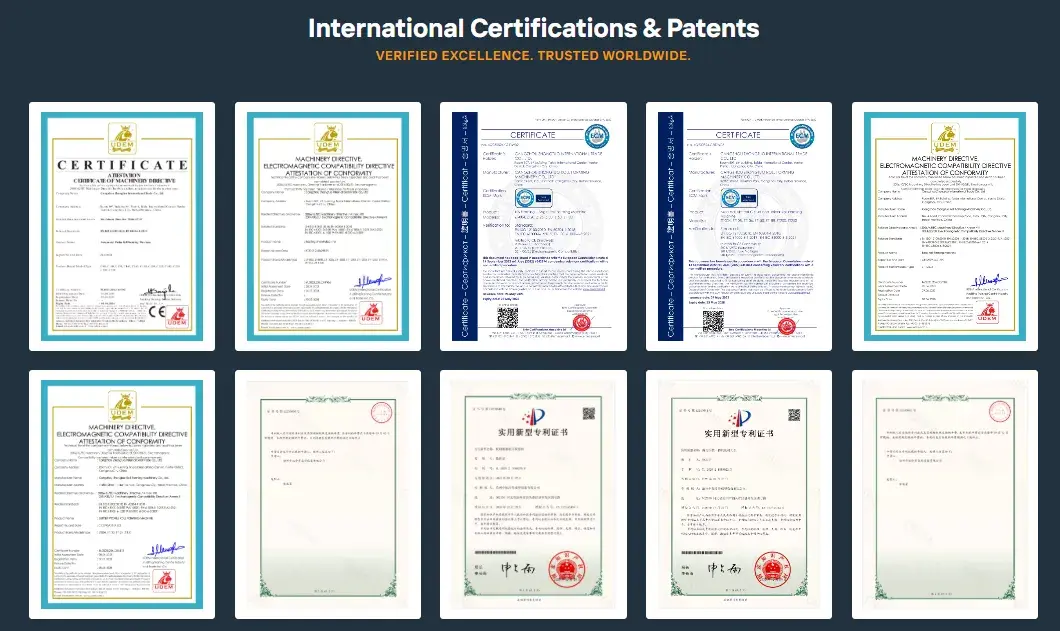
Finding successful manufacturers in your sector reduces risk. Cangzhou Zhongtuo, founded in 2014, has the expertise you need. Our firm creates and builds exclusively cold roll forming equipment. ODM, OEM, and one-stop services for raw materials, machinery, and accessories are available. ISO9001, CE, and CAS certifications demonstrate the company's commitment to quality, and its commercial experience in over 150 countries proves it can serve clients worldwide.
Request a 12- to 24-month parts-and-labor warranty. Clarify technical support availability and troubleshooting response times. Knowing where extra parts are in store and how long they will take to supply reduces downtime.
Financial Considerations
Automated and customized new equipment prices vary greatly. Set aside $35,000 to $65,000 for strong semi-automatic systems that can expand with your firm. Fully automated lines cost $150,000–$300,000. Equipment leasing firms or manufacturer payment programs might assist you in maintaining company cash.
When money is limited, used equipment is worth considering, but check it out first. Roller condition, control system performance, and maintenance records may assist you in determining whether you're getting a good price or inheriting someone else's problems. Regularly maintained equipment under five years old is a concern. Older equipment may be expensive to repair.
Conclusion
Buying the best AG panel roll forming machine will change the way you make things by giving you more accurate measurements, less wasted material, and the ability to make more. Your business will continue to grow if you understand how these specialised tools work, match technical specs to your production needs, and choose suppliers who have a track record of success in the industry. Precision roll forming equipment is the only way to regularly make panel systems that are reliable and weathertight for the farming and industrial construction markets. Whether you're working with large agricultural complexes, residential barndominium projects, or industrial uses, making sure your panels meet strict quality standards while keeping production costs low requires the right equipment set up and regular maintenance.
FAQ
Q1: Can AG panel roll forming machines handle both 29-gauge and 26-gauge steel without manual adjustment?
Premium AG panel roll forming machines have a fixed variation tolerance and can handle standard agricultural gauges from 29ga to 26ga without having to adjust the spacers by hand. Depending on the material's yield strength, big jumps to 24-gauge may need small gap changes. This adaptability is important when working with different types of customers who have different building needs.
Q2: What causes panel rippling, and how do you fix it?
Rippling on flat panel parts, which is officially called "oil canning," usually happens when there is too much roller pressure or uneven coil tension. To rectify, either the entry guide tension brake or the intermediate roller gaps need to be fine-tuned. For a correct diagnosis, the pressure must be gradually lowered across all forming sites until the flaw is gone, and then it must be slightly raised to ensure full forming.
Q3: Is the equipment compatible with aluminum coils?
Processing aluminium is possible, but the roller pressure needs to be changed to account for the fact that aluminium has a different spring-back feature than steel. Some production lines offer certain aluminium shapes with extra forming stations that keep the material from cracking. Talk about how you plan to process aluminium during the equipment design phase to make sure the right setup is used.
Partner with ZTRFM for Your AG Panel Roll Forming Solutions
Choosing the right AG panel roll forming machine provider will determine whether your investment in equipment gives you a long-term competitive edge or causes you a lot of trouble. ZTRFM has specialised knowledge that it has built up since 2014 by focusing only on cold roll forming technology. Our engineering team creates custom solutions that meet all of your production needs, whether you're just starting up or increasing the amount of work you can do.
We offer full service for the entire lifecycle of your tools. During the initial consultation, you will talk about your specific panel profiles, production volumes, and facility limitations. Our OEM and ODM services let us make equipment that is perfectly suited to your needs, so you don't have to change how you do things to fit generic machines. Installation help, training for operators, and ongoing technical support make sure you quickly reach your output goals. Email our team at zhongtuorollforming@gmail.com to talk about your requirements with skilled experts who know what your industry needs in terms of quality and efficiency. Our full line of roll forming solutions is backed by ISO9001, CE, and CAS certifications that are recognised in more than 150 countries around the world.
References
1. American Iron and Steel Institute. (2021). Cold-Formed Steel Framing Design Guide: Specifications and Standards for Metal Panel Manufacturing. Washington, DC: AISI Publications.
2. Thompson, J. R., & Martinez, K. L. (2020). Roll Forming Technology: Advanced Applications in Agricultural Metal Building Systems. Chicago: Industrial Press.
3. National Frame Builders Association. (2022). Post-Frame Building Design Manual: Metal Panel Systems and Installation Standards. Lawrence, KS: NFBA Technical Publications.
4. Chen, W., & Anderson, P. D. (2019). "Precision Control in Metal Roll Forming Processes: Impact on Panel Quality and Production Efficiency." Journal of Manufacturing Science and Engineering, 141(8), 081-095.
5. Metal Construction Association. (2023). Technical Guide to Agricultural Panel Profiles: Performance Standards and Installation Best Practices. Glenview, IL: MCA Industry Resources.
6. Roberts, D. M. (2021). Capital Equipment Procurement for Metal Fabrication: Strategic Investment and Supplier Selection Frameworks. Boston: Manufacturing Management Press.