- English
- French
- German
- Portuguese
- Spanish
- Russian
- Japanese
- Korean
- Arabic
- Irish
- Greek
- Turkish
- Italian
- Danish
- Romanian
- Indonesian
- Czech
- Afrikaans
- Swedish
- Polish
- Basque
- Catalan
- Esperanto
- Hindi
- Lao
- Albanian
- Amharic
- Armenian
- Azerbaijani
- Belarusian
- Bengali
- Bosnian
- Bulgarian
- Cebuano
- Chichewa
- Corsican
- Croatian
- Dutch
- Estonian
- Filipino
- Finnish
- Frisian
- Galician
- Georgian
- Gujarati
- Haitian
- Hausa
- Hawaiian
- Hebrew
- Hmong
- Hungarian
- Icelandic
- Igbo
- Javanese
- Kannada
- Kazakh
- Khmer
- Kurdish
- Kyrgyz
- Latin
- Latvian
- Lithuanian
- Luxembou..
- Macedonian
- Malagasy
- Malay
- Malayalam
- Maltese
- Maori
- Marathi
- Mongolian
- Burmese
- Nepali
- Norwegian
- Pashto
- Persian
- Punjabi
- Serbian
- Sesotho
- Sinhala
- Slovak
- Slovenian
- Somali
- Samoan
- Scots Gaelic
- Shona
- Sindhi
- Sundanese
- Swahili
- Tajik
- Tamil
- Telugu
- Thai
- Ukrainian
- Urdu
- Uzbek
- Vietnamese
- Welsh
- Xhosa
- Yiddish
- Yoruba
- Zulu
Shelf Rack Roll Forming Machine Maintenance Guide
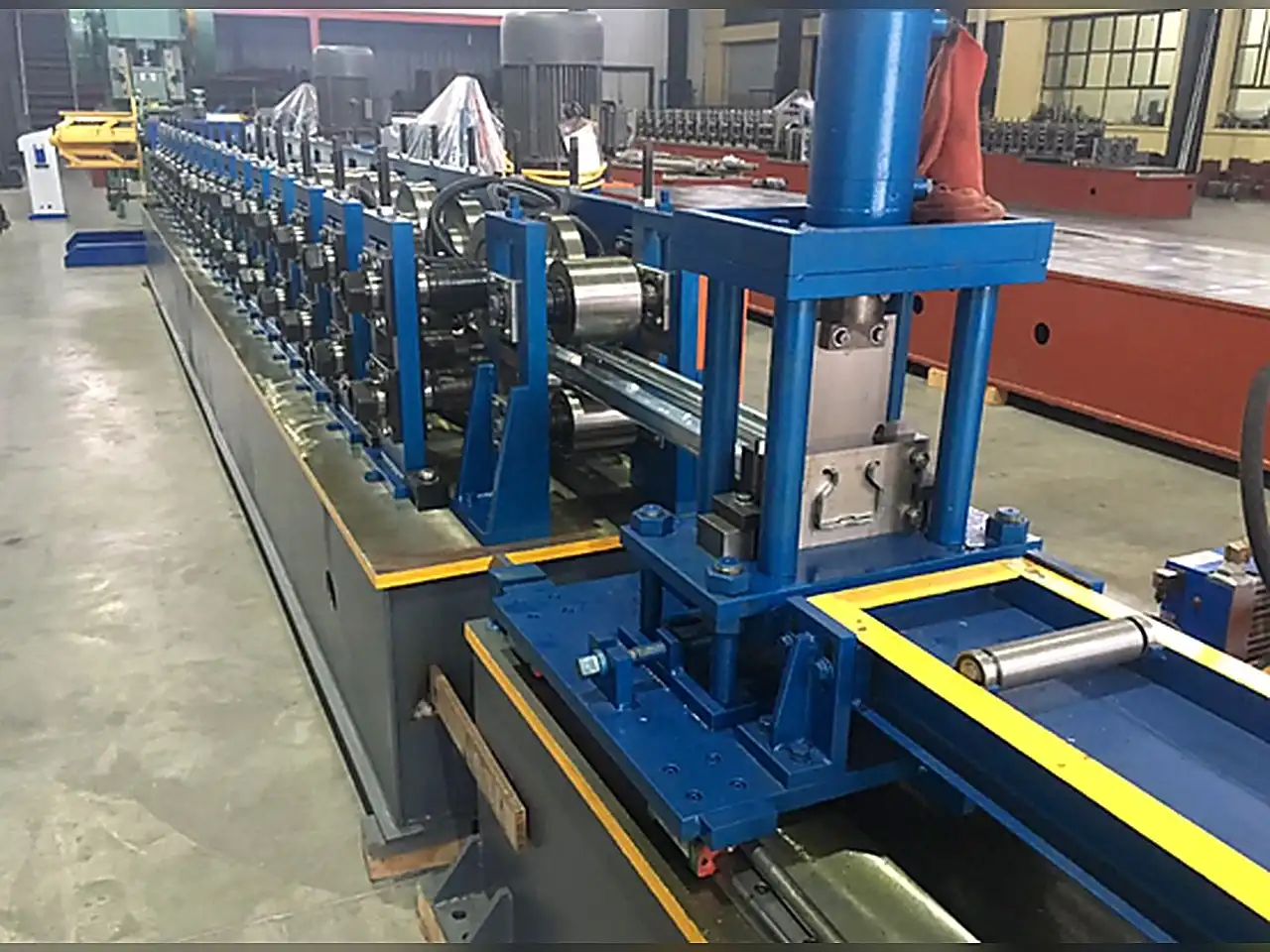
When you do a few simple things, a shelf rack roll forming machine will keep its accuracy. Clean it every day, grease it as planned, check the alignment of the rollers and the hydraulic pressure once a week, check the blades and sensors once a month, and write down every change you make. This guide was written for people who make racks, steel furniture, or trade machinery and want steady profile quality with fewer stoppages. Here are the main parts, a useful schedule, cleaning and material care, how to fix problems, and how to choose an easy-to-service line. Each step leads back to the rack profile that is all done.
Understand Your Machine and Plan Preventive Maintenance
Know the Main Components
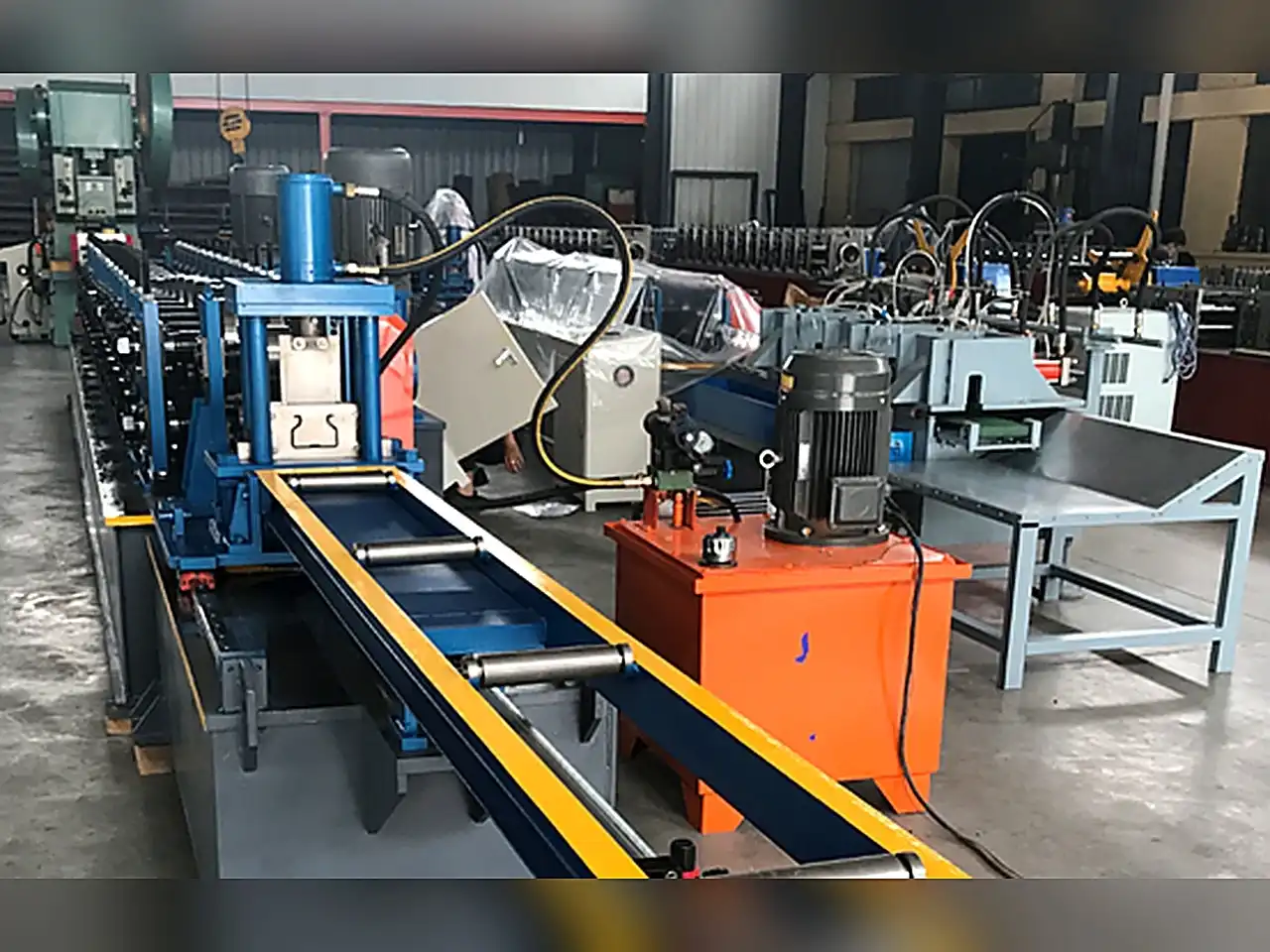
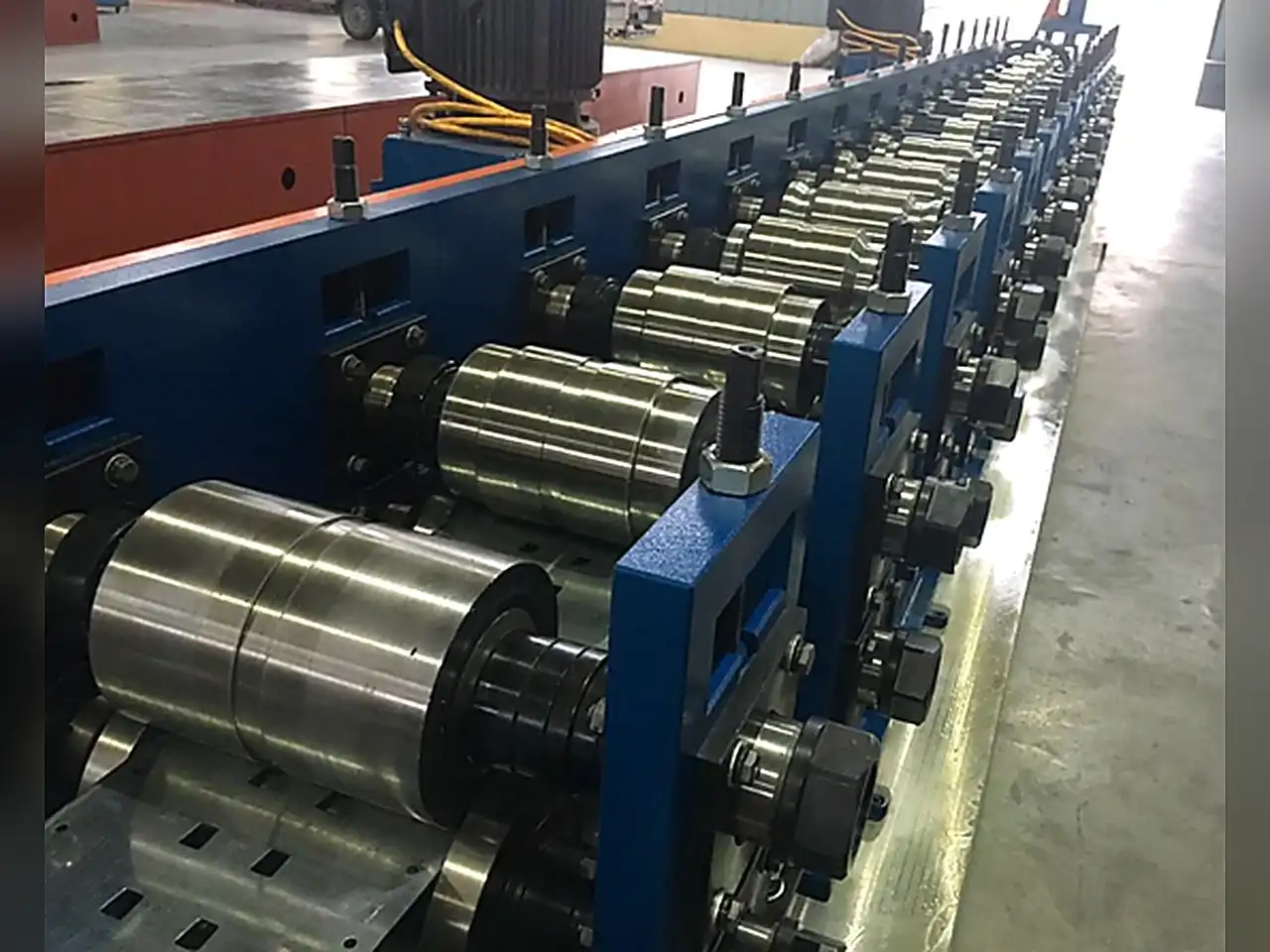
You must first be aware of what you are working on before you can perform maintenance. Coils with a thickness of 1.5 to 2 millimeters can be manufactured by our supermarket rack line. These coils can be made of PPGI, GI, or aluminum. A decoiler, a leveling station, sixteen forming stations that are customized to the profile, punching (which is optional), and either a hydraulic or an automatic cutter are all components that the coil passes through for processing. Cr12 or GCr12 hardened steel is utilized for the rollers in this application. Additionally, the frame is constructed out of 350H steel, while the cutter blades are made out of Cr12MoV steel. Each component determines the overall quality. Having rollers that are not properly aligned can cause profiles to twist, feeding that is not stable can cause holes to move, and a broken sensor can cause the cutting process to come to a halt. Once you have a better understanding of these connections, you will be able to conduct inspections more quickly and effectively.
Set Daily, Weekly, and Monthly Tasks
It is preferable to write down your plans rather than to try to remember them. My recommendation is that you clean the line on a daily basis, pay attention to any strange noises, search for oil leaks, and test the guards and emergency stops whenever possible. Once a week, you should check the alignment of the rollers, the condition of the chain or gear, the level of hydraulic oil, and the electrical connections. A monthly inspection should be performed on the PLC settings, including length and batch quantity, as well as the sensors, cutter blades, and punching dies (if they are present). A full calibration, bearings, and hydraulic oil quality inspection can be performed during service at regular intervals of three months or once a year, respectively. When the list is placed next to the machine, the operator should sign each item that is included on the list. In this manner, any errors will be found and corrected immediately.
Adjust the Schedule to Your Production
There are different ways to run each line. With speeds close to 15 m/min, dusty workshops, multi-shift plants, and coils that are 2.0 mm thick, parts wear out faster than with light single-shift work. First, make the above schedule. After two or three months, look at your downtime log and compare it to the above schedule. Cut that time in half if bearings or blades break before planned. If multiple checks turn up nothing, make it longer. Real data on downtime keeps the plan honest and stops both over-servicing and breakdowns that come out of the blue.
Clean, Lubricate, and Match Care to Your Material
Clean Without Damaging Surfaces
Rollers and guides on a shelf rack roll forming machine get metal chips, dust, and oil residue that can scratch coated strip. Do not use steel scrapers on the rollers. Instead, use a soft, dry cloth or a brush that is not made of metal. First, clean the entry guides and each forming station. Then, clean the cutting area of any chips that are there. Electric cabinets, sensors, and hydraulic fittings should not come in contact with cleaning fluids or compressed air. With PPGI, clean rollers are very important because a particle stuck in them can leave a mark on the coating on every meter that goes by. At the end of each shift, have people clean up.
Lubricate and Adjust with Documented Steps
Read the manual to find out what kind of lubricant to use and how frequently you should apply it. Every single one of the bearings, chains, gears, and guide rails requires the quantity of oil or grease that is appropriate for them. It is not true that more is better. An excessive amount of lubricant can leave a stain on the strip and attract dust. In order to change roller gaps, punching dies, cutter clearance, and fasteners, you should only follow the steps that are written down. Document the date, the technician, the oil, the settings, and the components that were utilized in the process. If the rollers are not going to be used for an extended period of time, anti-rust oil should be applied to the precision surfaces. For the same reason, we do the same thing when we pack machines to send overseas.
Care for Different Materials and Profiles
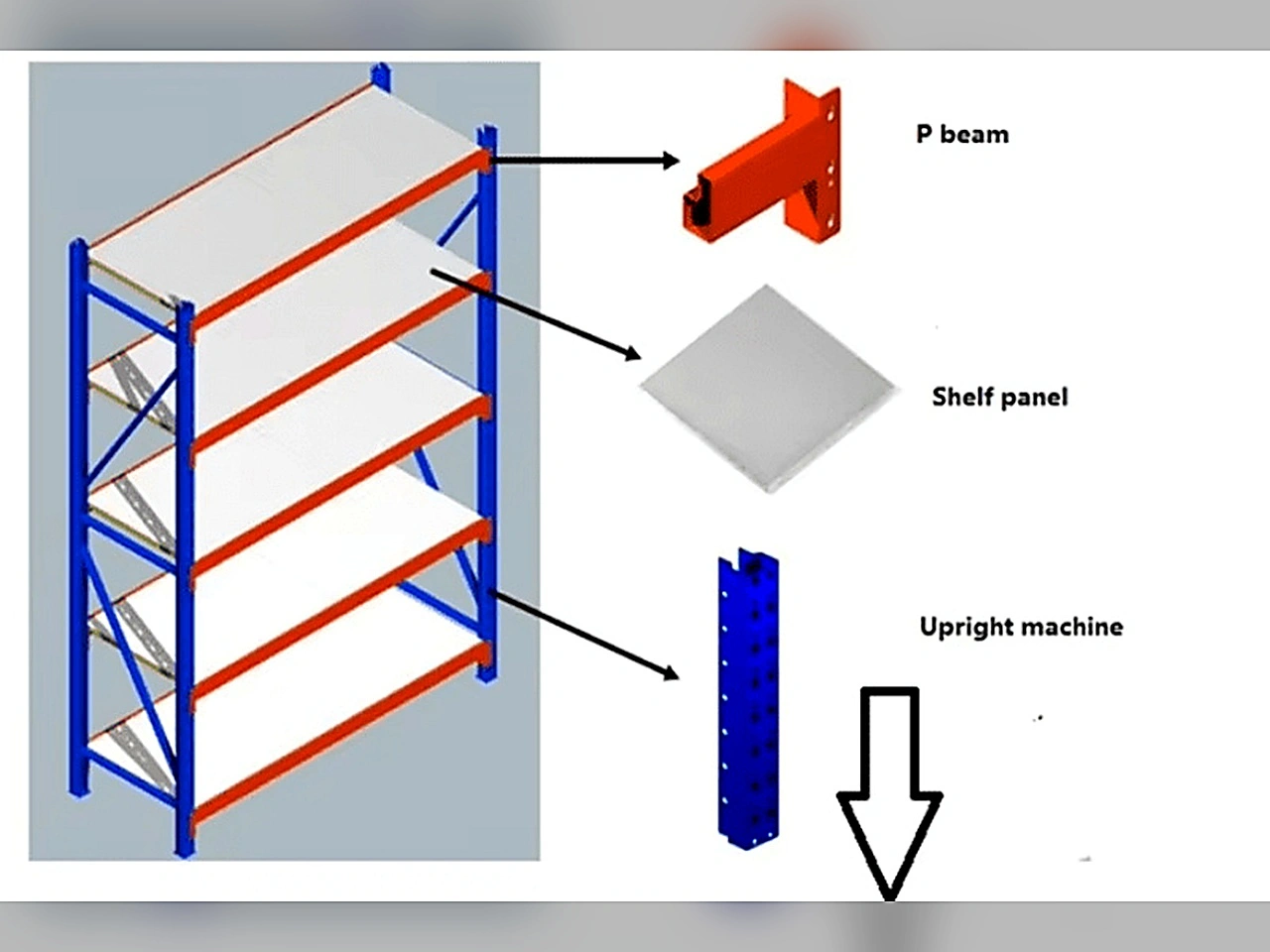
Tooling that is galvanized, pre-painted, or coated with aluminum coil is treated differently. Galvanized coatings can leave a fine film on rollers, painted strips need cleaning, and aluminum is softer and more scratchable than other materials. Light shelf panels, uprights, and rack beams require different roller settings, punching patterns, and cut parameters, so every change must be tracked. This is because each component has unique needs. Check the incoming coil for corrosion, thickness, width, flatness, and edge condition before loading. Never drag the edges when lifting the coils, and always keep them dry. Effective material control reduces tool wear and repair time.
Troubleshoot Faults and Work Safely
Diagnose Profile and Surface Problems
Measure the profile at more than one station instead of just the exit if it bends, twists, or changes size. That shows where the mistake is. Rollers that aren't lined up right, uneven coil tension, material slipping at the feeder, and worn rollers are all common causes. Usually, scratches mean that there is dirt or dust on the rollers, rough guides, or a coil edge that isn't tight. Each time you change a variable, run a short test length. If not, you won't be able to tell which change fixed the issue.
Fix Cutting, Punching, Hydraulic, and Control Alarms
Often, the wrong cut length is caused by a misaligned feeder, a broken encoder, or sensors that are dirty. Misaligned holes mean that the dies are worn, the tools are loose, or the feeding is not stable. Low oil, a clogged filter, a leak, or worn seals are all signs of falling hydraulic pressure. When replacing parts for a PLC or servo alarm, make sure the wiring, connectors, and saved parameters are all in good shape. If there is a sudden rise in noise, vibration, or heat, stop the line. If the problem comes back after the basic checks, you should call the maker. For technical help, ZTRFM is available online 24 hours a day, seven days a week.
Follow Safe Installation and Lockout Rules
Good maintenance of a shelf rack roll forming machine starts with the installation. Before you put the decoiler, forming mill, and cutter in place, make sure the foundation, floor level, power supply, hydraulic oil, and work area are all in good shape. Then, check the trial run to make sure the profile dimensions, cut length, and surface quality are correct. Lock out/tag out should be done before any service work. OSHA's standard, 29 CFR 1910.147, covers working on machines that could hurt workers if they start up or store energy without being told to. Keep backups of manuals, schematics, and parameters on file, and teach every operator how to stop the machine.
Use Data and Pick a Machine That Is Easy to Maintain
Track Data to Spot Trouble Early
Within the records, you will discover the answers to the questions that you have. Keeping track of the downtime, alarms, blade changes, and part replacements should be done according to the shift, profile, and order involved. In addition to that, you need to keep track of the components. After a period of time has passed, it is only then that it becomes clear whether the problem is with the machine itself, the tools, the coil, or the configuration of the machine. Because you are able to observe things like the motor current, bearing temperature, vibration, and hydraulic pressure, you are able to repair components before they fail to function properly. This allows you to prevent these components from failing to function properly. In the book that Mobley wrote about predictive maintenance, the method that is being discussed here is referred to as "scheduling work based on the actual condition of equipment." In addition to noting that you are recording quality data, you should also make a note of the profile size, hole spacing, cut length, straightness, and burr level.
Use a Practical Shift Checklist
Before beginning each shift, I make sure that the oil levels, hydraulic pressure, coil alignment, tool settings, guards, emergency stops, and sensors are all checked. After that, I conduct a brief examination. At the same time that the components are being manufactured, it is important to monitor the noise, vibration, temperature, alarms, line speed, and quality of the components. Stop the machine immediately if you discover anything that is seriously wrong. At the end of each order, make sure the line is clean, check the tools, and make a note of the parameters. The schedule ought to be reviewed by managers on a monthly basis to ensure that it continues to satisfy the demand. It is important for them to consider downtime, defects, maintenance costs, and the utilization of spare parts.
Choose a Shelf Rack Roll Forming Machine You Can Service
The comparison should not be limited to price and speed alone. Inquire about the degree of rigidity of the frame, the materials used for the rollers and blades, the ease with which the tools can be accessed, the language that the programmable logic controller (PLC) interprets, the availability of spare parts, training, and remote support. In addition to having Cr12/GCr12 rollers, Cr12MoV blades, a multilingual programmable logic controller (PLC), and the option of either a hydraulic or manual decoiler, the frame of our line is constructed out of 350H steel. Since 2014, Cangzhou Zhongtuo has been functioning as a company that provides shipping services to over 150 countries. certifications from CAS, CE, and ISO 9001 are all present. Additionally, we provide assistance with installation, training for operators, and availability of spare parts. It is imperative that you have a thorough understanding of the condition of the control system, the available upgrade options, and the warranty before you sign for a used or custom line.
Conclusion
If you follow a written plan for maintenance, a shelf rack roll forming machine will keep its profile accuracy and uptime. It's clear what the main points are. Learn how each part affects the profile as a whole. Set up daily to yearly checks and make changes to them using records of downtime. Clean and grease the area where the coating is going to be formed with care, and make sure the settings are right for the material and profile. It's easiest to figure out what's wrong when you measure at several stations and change one variable at a time. Lockout/tagout keeps people safe while they're working. Lists of data and shifts show wear and tear quickly. Serviceability, materials, and support should be more important than price when choosing a machine. All of these habits work together to cut down on profile flaws, tool wear, and stops that weren't planned.
FAQ
1. How often should I inspect a shelf rack roll forming machine?
Every day, check the alignment and hydraulic oil, and every month, go over the blades, sensors, and PLC settings. Lines with a lot of traffic or multiple shifts need shorter intervals.
2. Which parts wear out first?
Bearings, seals, sensors, hydraulic filters, and relays wear out first, then the cutter blades, punching dies (if they're there), and so on. Keep a small amount of the parts that would stop production on hand.
3. When should I contact the manufacturer?
After basic checks, call when the same dimensional, hydraulic, electrical, PLC, or safety faults keep happening. It will speed up remote diagnosis if you send the alarm codes, settings, and profile pictures.
Contact ZTRFM for Your Shelf Rack Roll Forming Machine Maintenance Plan
Want to add a new line or improve your service? You can send your profile drawings, coil material, and desired output to zhongtuorollforming@gmail.com, and ZTRFM will talk with you about your options. We are a shelf rack roll forming machine company that has been around since 2014 and offers equipment that is ISO 9001, CE, and CAS certified, training, remote support, and spare parts.