- English
- French
- German
- Portuguese
- Spanish
- Russian
- Japanese
- Korean
- Arabic
- Irish
- Greek
- Turkish
- Italian
- Danish
- Romanian
- Indonesian
- Czech
- Afrikaans
- Swedish
- Polish
- Basque
- Catalan
- Esperanto
- Hindi
- Lao
- Albanian
- Amharic
- Armenian
- Azerbaijani
- Belarusian
- Bengali
- Bosnian
- Bulgarian
- Cebuano
- Chichewa
- Corsican
- Croatian
- Dutch
- Estonian
- Filipino
- Finnish
- Frisian
- Galician
- Georgian
- Gujarati
- Haitian
- Hausa
- Hawaiian
- Hebrew
- Hmong
- Hungarian
- Icelandic
- Igbo
- Javanese
- Kannada
- Kazakh
- Khmer
- Kurdish
- Kyrgyz
- Latin
- Latvian
- Lithuanian
- Luxembou..
- Macedonian
- Malagasy
- Malay
- Malayalam
- Maltese
- Maori
- Marathi
- Mongolian
- Burmese
- Nepali
- Norwegian
- Pashto
- Persian
- Punjabi
- Serbian
- Sesotho
- Sinhala
- Slovak
- Slovenian
- Somali
- Samoan
- Scots Gaelic
- Shona
- Sindhi
- Sundanese
- Swahili
- Tajik
- Tamil
- Telugu
- Thai
- Ukrainian
- Urdu
- Uzbek
- Vietnamese
- Welsh
- Xhosa
- Yiddish
- Yoruba
- Zulu
How to pack and ship a roll forming machine to prevent rust during sea freight?
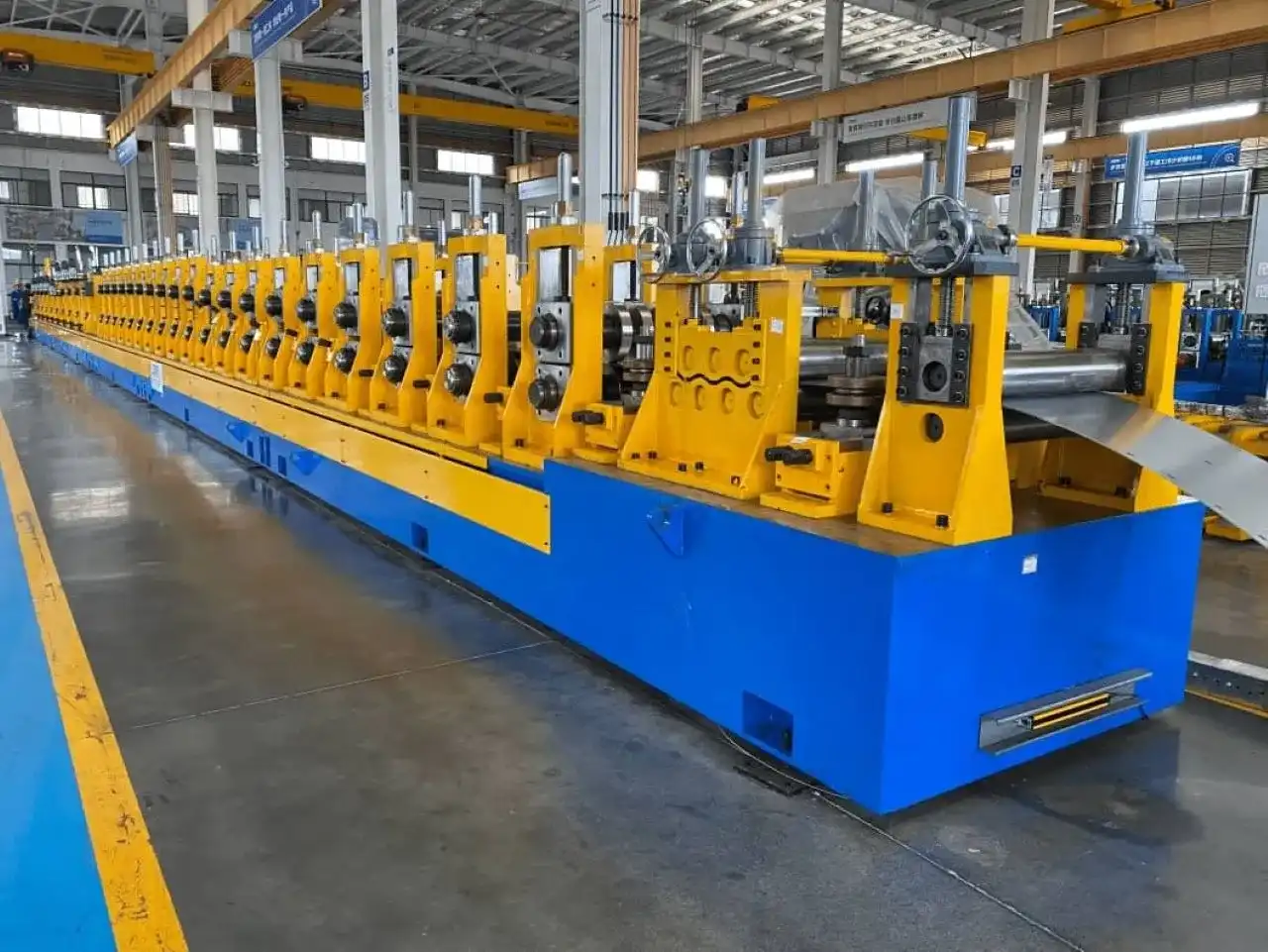
Five things keep a hat purlin roll forming machine from rusting before I ship it. I show the machine to people and test it. I also dry and clean every surface and put a VCI film or a rust inhibitor that works with steel that isn't covered in anything else. Then I sealed the parts with desiccant and put a moisture barrier around them. After that, I put the crates in a box that had déjà vu. All wood needs to have an ISPM 15 mark on it. Steel that is shipped by sea comes into contact with salty air and water, so one plastic sheet is not enough. Fabricators, prefab builders, and equipment traders in the U.S. can get a line that is clean and ready to go by reading through each step below.
Protect the Parts of a Hat Purlin Roll Forming Machine That Rust First Forming Rollers, Shafts, and Bearings
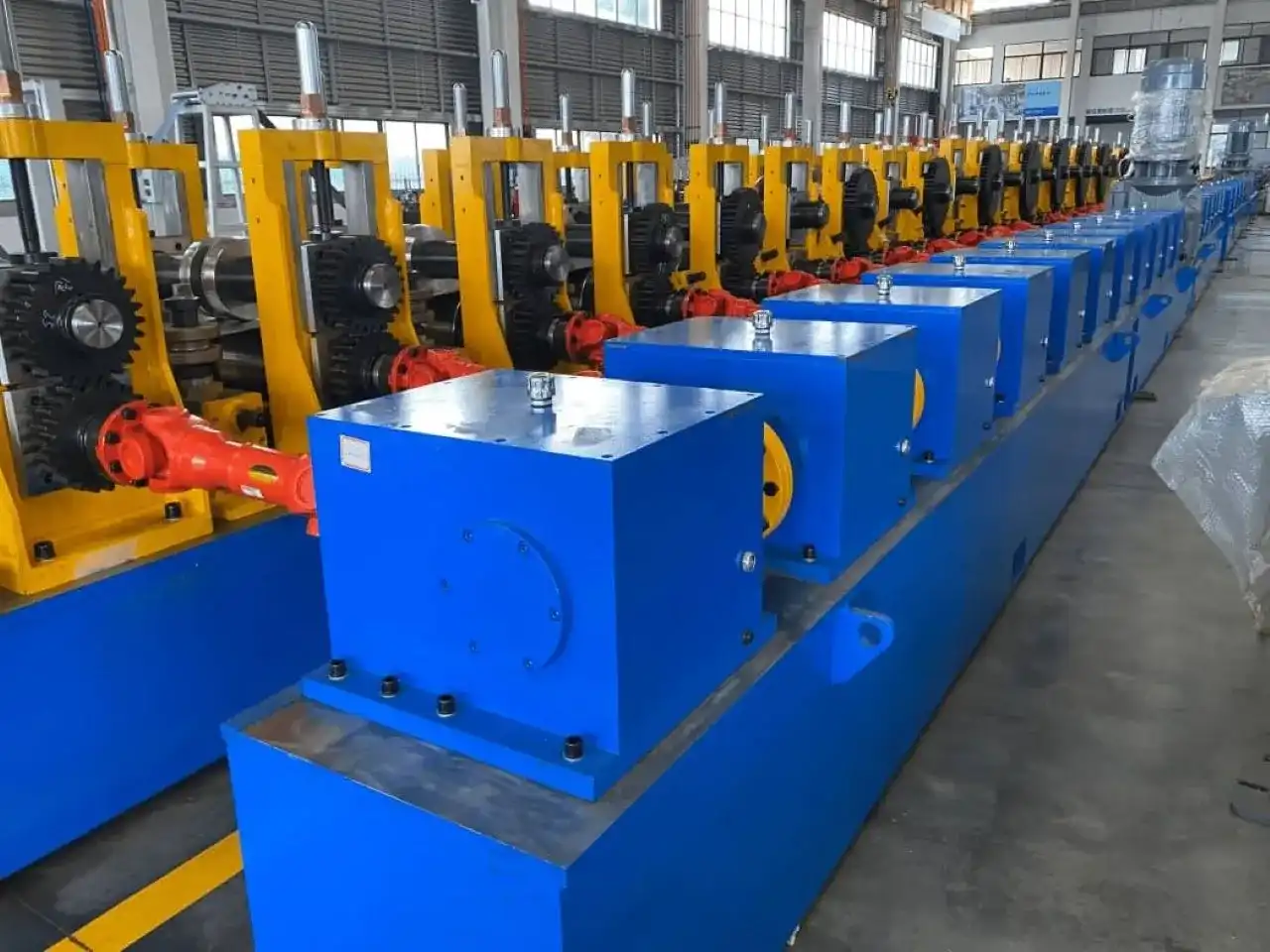
So, even a little rust on the surface can leave marks on the steel strip or make the section less accurate. That shape is held by rollers and shafts. I clean, dry, and put a rust-blocking substance on each roller that works with both the finish and the bearings. Guards inside the stands stop them from moving and keep dust and scratches out. Corrosion costs a lot of money. Based on the NACE IMPACT study, it is thought to cost about us$2.5 trillion, which is 3.4% of the world's GDP. Take the same care with a machine that has been in a damp place for weeks. As your source for pictures of rollers that have been cleaned but not sealed yet.
Punching Dies and Cutting Blades
Because the hat purlin lines punch bolt holes and cut pieces to length, the dies and blades on the machine can hold the tightest tolerances. If the design lets me, I clean and coat small die sets with something that keeps them from rusting. Then I put them in boxes that are sealed and labeled to match the packing list. To keep the guide rails and cylinders from getting hit, I wrap and brace them. If the die set has pits in it, the cut quality and position of the holes will be worse. Be careful with tools, and keep extra die sets and hole patterns in case you need them in the future.
Electrical Cabinet and Hydraulic System
If there is water in a cabinet, PLCs, inverters, sensors, or wiring might not show any signs of damage. There is a moisture barrier around the cabinet, desiccant, and a humidity indicator card inside. Touchscreens or sensors that can be taken out on their own are also packed inside. On the hydraulic side, I check for leaks, block off oil ports, and make sure that all the hoses and valves are tight. In the packing list and commissioning notes, I write down that you can choose to drain the oil or leave it in. Then everyone on your crew will know what to fill up before the day starts.
Prepare the Machine Before You Seal It
Run a Pre-Shipment Test and Record It
The hat purlin roll forming machine is tested to make sure it works before it leaves the factory. You should test the safety gear, feeding, shaping, punching, cutting, hydraulics, and more, preferably with the grade and profile of coil you want. Write down what you saw and did on your trip and sign a report. Because it shows how the machine looked when it was first bought, what was loaded, and lets the insurance company check any damage claims against it, this record is useful in three ways. When there is a problem after it has been sent, the file shows whether the problem began before it was sent, while it was being sent, or during installation.
Clean, Dry, and Treat Bare Metal
Rust is sped up by dust, metal chips, and water that has been left over under plastic. Every part of the rollers, guides, bearings, and frames is cleaned, and then everything is left to dry. When it's humid outside or after washing, this is very important. When a machine is wet, I never wrap it. After that, I put on the protection I felt was best. It could be VCI film, rust-proof oil, or vinyl film. When you use VCI products, they give off molecules that keep metal from rusting. Paint, rubber seals, and electrical parts must all be able to work with these molecules. This will help your team clean the rollers before running steel. Make a list of the item's name and how to remove it.
Label and Separate Removable Parts
It is easier to move guards, tools, cables, spare parts, and hardware when they are in their own boxes. Around certain parts, shock-absorbing padding is put down. For small items, sealed boxes are used. These boxes have labels that say the name of the machine, the part number, the amount, and where it should be installed. There is a line on the packing list and a picture that goes with each box. It is faster and less likely that someone will say that a part is missing when the labels are clear. When your team puts together a stacker, decoiler, former, and punching unit from different crates, they save hours as well. When an order comes in more than one box, it helps to give each one a number.
Build a Moisture-Resistant Package for Sea Freight
Layer the Protection Instead of Using One Plastic Cover
It keeps splashes out, but the inside humidity stays. The air around ports and ships goes back and forth between being warm and cool, and water sticks to cold steel. There are several parts that make up a stronger package: VCI paper or film, desiccant, a sealed moisture barrier, treated metal, and a strong skid or crate. Every level does something. It blocks corrosion, keeps water out, soaks up vapor, shows what's going on, or defends against impact. This layered method works even better for long trips, switching between ships, and storing at ports.
Use ISPM 15 Wood and Internal Bracing
ISPM 15 says that any wood used for international shipping must be treated with either heat or fumigation, and it must have the IPPC mark on it. Customs and Border Protection in the U.S. look for this mark on wood at the border. Wood that doesn't have it can slow things down or need to be sent back. The crate also needs to be strong enough to hold the hat purlin roll forming machine while it is being moved by crane or forklift. Blocks should hold stands in place so they don't touch rollers, painted walls, or cabinets. Make sure that every box has clear markings on it for forklift holes and lifting points.
Size the Desiccant and Seal Only When Dry
Figure it out instead of guessing what the desiccant should be based on how much space is inside, how good the seal is, how long the trip is, and the weather. Spread it out inside the box and put the humidity cards where you can see them without having to open the film. Don't seal until both the machine and the boxes are dry. Also, don't wrap in the rain. Check the seams of the film for holes. When you use heat to seal wet steel, the film doesn't let water through, so the condensation stays inside. Ask your supplier to write down how much desiccant will be used and how it will be sealed in the written packaging specification.
Load the Container, Receive the Machine, and Choose a Capable Supplier
Plan the Container Load and Paperwork
Once you know how long, wide, tall, and heavy each package is, choose the box. If the pieces are too big for a standard or high-cube container, you might need to find another way to store them. Check the door size, floor space, and access for the crane right away. The CTU Code tells us how to keep cargo safe by telling us to keep the center of gravity low, spread out heavy parts evenly, and brace against movement. Straps should never be used to hold rollers and cabinets in place. Look for holes, water spots, and broken door seals in the empty container. Make a note of the container and seal numbers. Send the forwarder a full packing list, a commercial invoice, records of how the wood was treated, and a report on the inspection.
Unpack Slowly to Avoid Condensation
Before you open the container when it gets there, take pictures of the seals and crates. Then, compare the packages to the packing list. As soon as you see damage, tell the carrier, your insurance company, and the sender. After that, put the sealed machine in a dry, well-ventilated area that is also sealed. Allow it to warm up to room temperature. Metals and electronics get wet when you open a cold package in warm, humid air. Let's start by taking off the cover film. First, check for rust and dents. Next, remove the inhibitors, level the machine, and do a commissioning test with the correct coil.
How ZTRFM Supports Export Delivery
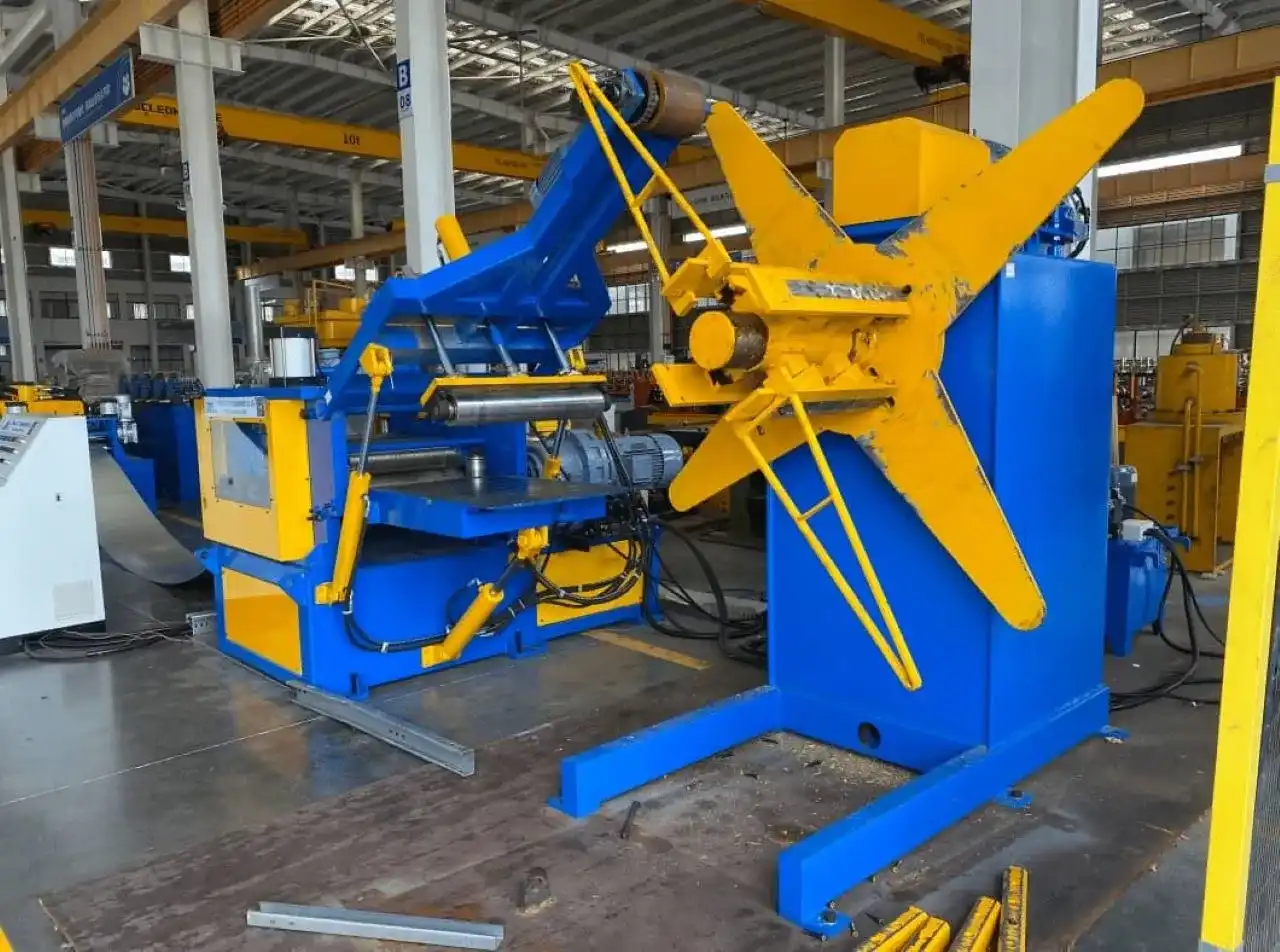
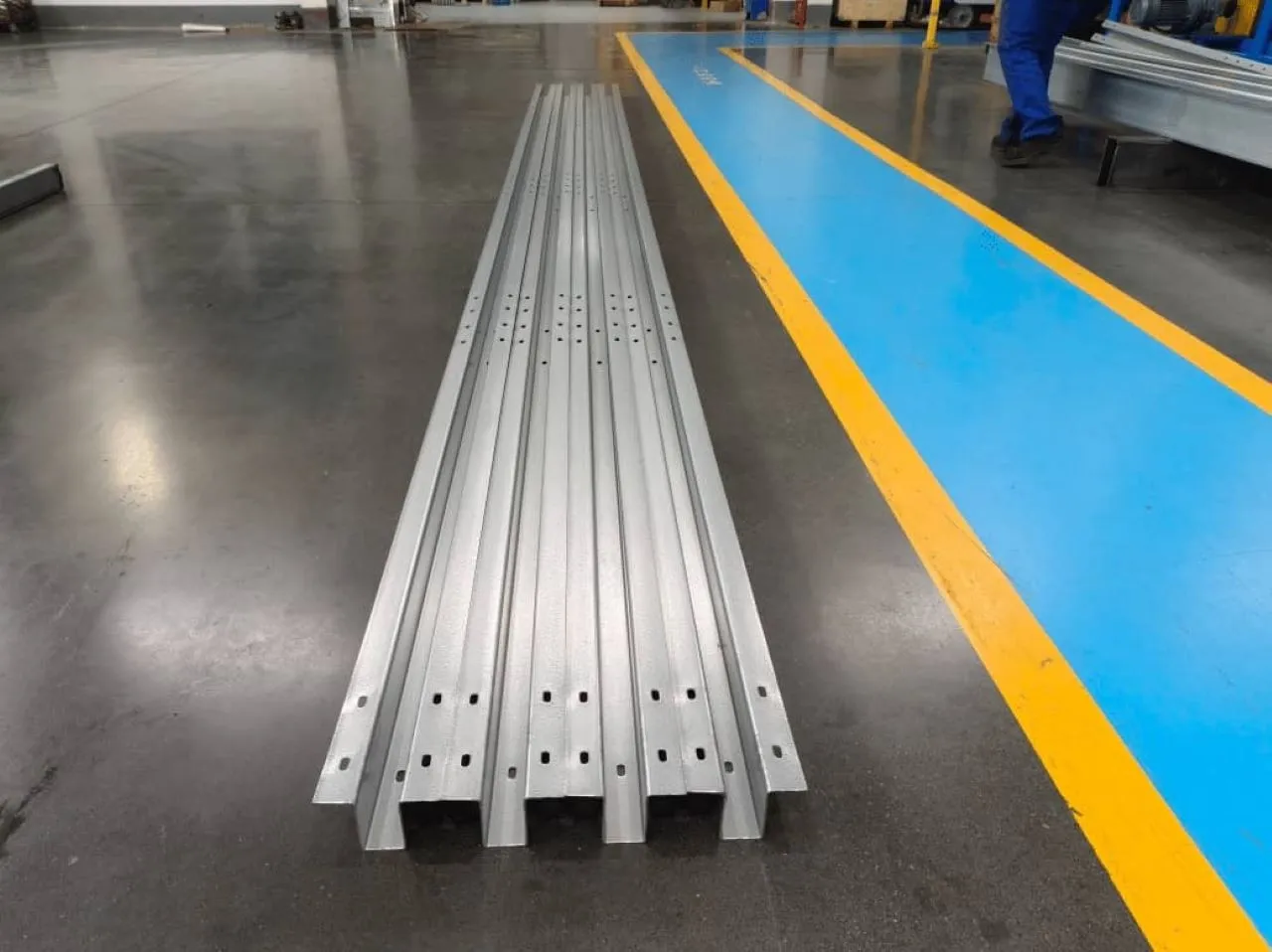
Since 2014, ZTRFM has been making cold roll forming machines in Botou, Cangzhou. Our hat purlin roll forming machine can work with steel that is between 1.0 mm and 3.5 mm thick and can instantly make holes for bolts. You can also pick from heavy H-steel frames, servo punching options, and CZ quick-change heads that are used together. It can be either a chain or a gearbox. We sell empty reels, coilers, stackers, and spare parts all in one line. We have ISO 9001, CE, and CAS certifications and have sold our goods in more than 150 countries. Lots of other places around the world also use our machines. Since we work with Siemens, we can do cloud IoT and AI remote maintenance on the products after they have been packed up.
Conclusion
A hat purlin roll forming machine often rusts because of trapped moisture, bare metal, or weak packaging, not just the trip itself. There should be a safety guard for each of the rollers, dies, blades, electrical cabinets, and hydraulics. Anything that needs to be sealed must first be checked, cleaned, and dried completely. A single plastic cover doesn't work as well as several layers of packaging. The steps in the chain are ISPM 15 wood, calculated desiccant, even container loading, the right paperwork, and taking your time unpacking when it gets there. All of these steps make sure that the profile is correct, the holes are in the right place, the installation schedule stays on track, and the electricity works properly. In case of a claim, they also keep good records for both the buyer and the seller.
FAQ
1. How long can the machine stay protected during sea freight?
How long the seal lasts depends on the type of inhibitor, the amount of desiccant, the trip length, and the weather where the package is going. Talk to your supplier about how long they think the protection will last. One length of time doesn't work for all routes. Find out how to check on packages that are late at the port as well.
2. Is VCI film better than ordinary plastic film?
Corrosion is less likely to happen to metal that is clean, dry, and properly sealed with VCI film. Most of the time, normal plastic keeps water out. I think you should use VCI film that has a moisture barrier, a desiccant, and indicators for humidity.
3. Can the electrical cabinet ship with the machine?
A lot of the time, it does share the bucket. Put the desiccant in a different seal and wait for it to cool down to room temperature. Then open the seal and turn it on.
4. What details should I send for a packaging quote?
Please send the profile drawing, coil width, thickness, steel grade, line configuration, destination port, and the ITC code you want to use.
Request a Hat Purlin Roll Forming Machine Quote from ZTRFM
Are you about to send something to the US? Please send ZTRFM your profile drawing, coil specifications, and the port where the shipment is going. Then, our engineers will suggest a line and write up a plan for how to pack it and keep it from rusting. We sell the decoiler, former, stacker, and spare parts for hat purlin roll forming machines that we make. You can email zhongtuorollforming@gmail.comto learn more.