- English
- French
- German
- Portuguese
- Spanish
- Russian
- Japanese
- Korean
- Arabic
- Irish
- Greek
- Turkish
- Italian
- Danish
- Romanian
- Indonesian
- Czech
- Afrikaans
- Swedish
- Polish
- Basque
- Catalan
- Esperanto
- Hindi
- Lao
- Albanian
- Amharic
- Armenian
- Azerbaijani
- Belarusian
- Bengali
- Bosnian
- Bulgarian
- Cebuano
- Chichewa
- Corsican
- Croatian
- Dutch
- Estonian
- Filipino
- Finnish
- Frisian
- Galician
- Georgian
- Gujarati
- Haitian
- Hausa
- Hawaiian
- Hebrew
- Hmong
- Hungarian
- Icelandic
- Igbo
- Javanese
- Kannada
- Kazakh
- Khmer
- Kurdish
- Kyrgyz
- Latin
- Latvian
- Lithuanian
- Luxembou..
- Macedonian
- Malagasy
- Malay
- Malayalam
- Maltese
- Maori
- Marathi
- Mongolian
- Burmese
- Nepali
- Norwegian
- Pashto
- Persian
- Punjabi
- Serbian
- Sesotho
- Sinhala
- Slovak
- Slovenian
- Somali
- Samoan
- Scots Gaelic
- Shona
- Sindhi
- Sundanese
- Swahili
- Tajik
- Tamil
- Telugu
- Thai
- Ukrainian
- Urdu
- Uzbek
- Vietnamese
- Welsh
- Xhosa
- Yiddish
- Yoruba
- Zulu
Cast Iron Arch vs Plate Wallboard Frame: Rigidity Test
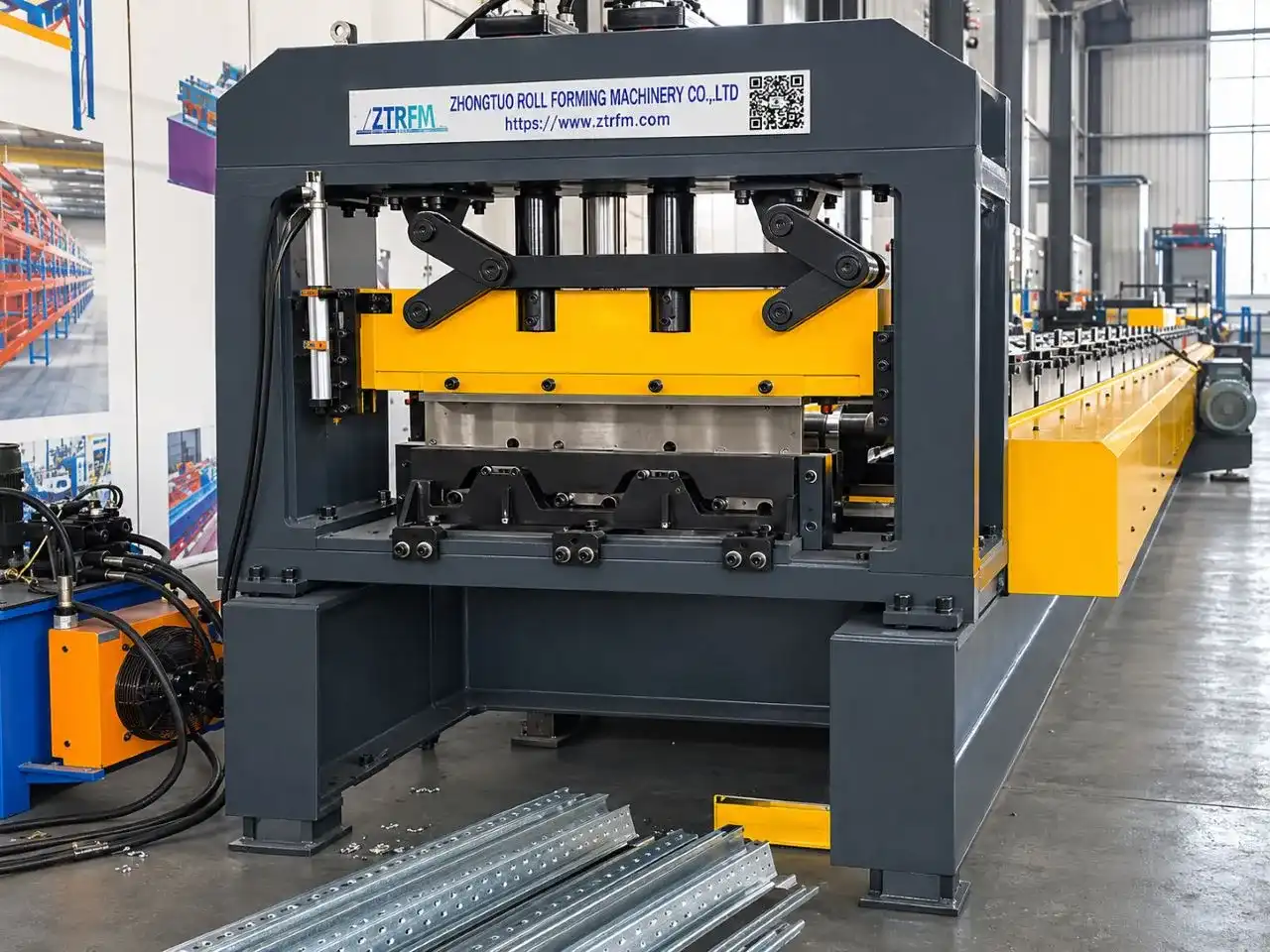
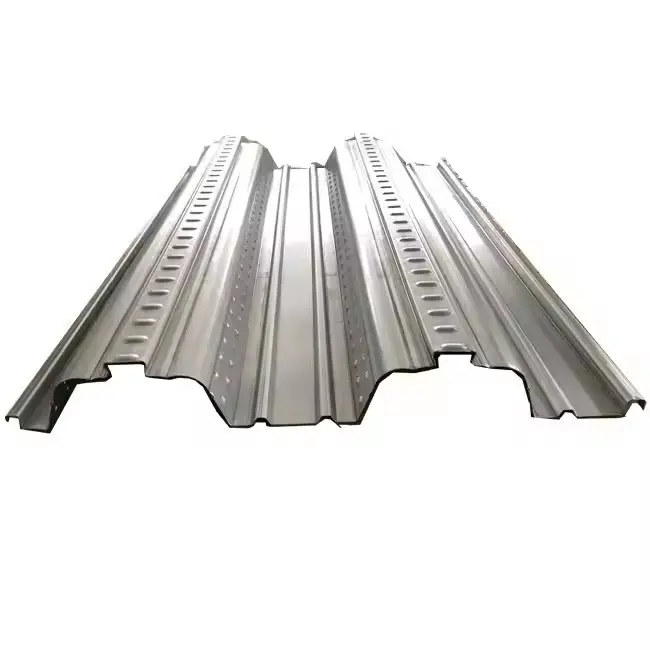
When comparing frame designs for a composite floor deck machine, measure how each frame behaves under load. A cast iron arch adds mass and damps vibration. A well-built plate wallboard frame can achieve comparable stiffness through thick steel plates, ribbing, and precision machining. Check frame deflection, roller alignment, vibration at operating speed, and panel dimensions over a sustained run. These measurements give buyers a common basis for comparing supplier quotes.
Why Frame Rigidity Shapes Composite Deck Quality
What Rigidity Controls on the Line
The resistance of the machine to bending and twisting when subjected to forming stress is referred to as the frame's stiffness. Each and every roller station in a machine that is used for composite floor decking causes the steel to push back. When there is a bend in the frame, the roller gaps move. The breadth of the panel, the height of the ribs, and the sharpness of the embossments that connect the steel to the poured concrete are all altered as a result of this shift. Poor rigidity also contributes to vibration, which accelerates the wear and tear on cutters and bearings. "Plate wallboard" and "cast iron arch" are two examples of distinct types of constructions that may be described using different terminology. Instead of relying on a label, I recommend that purchasers check the real material, plate thickness, machining procedure, and reinforcement of the product.
How the Line Works From Coil to Panel
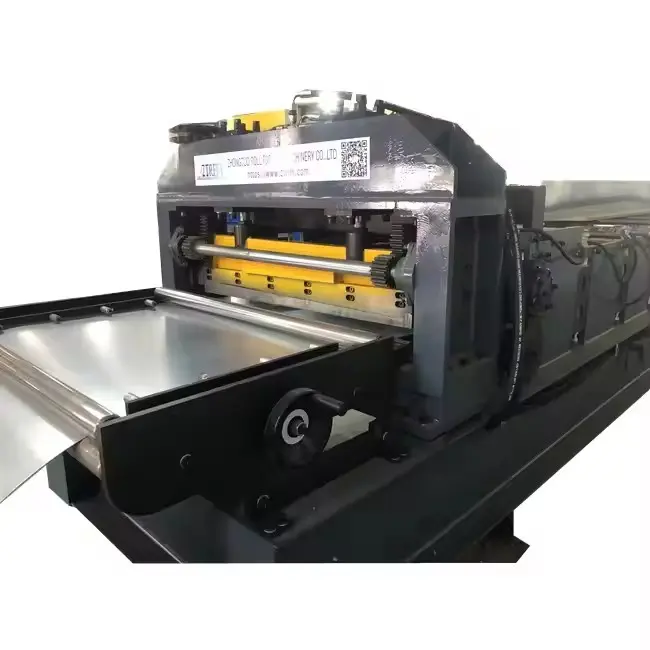
At the decoiler, a galvanised coil is loaded and directed into the former. This is the first step in the process. After being flattened by a leveller, the strip is next shaped by several forming stations in a step-by-step manner. The patterns that secure the deck to the slab are pressed using rollers that are used for embossing. The length of each panel is determined by a cutter, and then the panels are transferred to a stacker. Throughout this chain, the frame is responsible for carrying every shaft, bearing, gearbox, and guide. Composite deck is defined by the Steel Deck Institute as permanent formwork that also strengthens the cured slab; thus, it is important to ensure that the profile is accurate on the construction site.
Specifications Worth Requesting
Enquire with each and every provider for the identical info sheet. In addition to a cassette machine architecture that allows for rapid profile changes, our series has coil widths that may be adjusted. Clients have the ability to customise the size of their profiles. Steel weighing between 16 and 22 grams is fed through a series of forming stations, and a high-speed pre-flying shear mechanism is used to cut the material. The use of computerised controls allows for more accurate cutting, and the operators are protected by safety coverings and emergency stop buttons. Due to its small form, floor space is conserved. Because the main power is 380V, three-phase, and sixty hertz, purchasers from the United States should check site power with us as soon as possible. During the pricing process, we will validate the output for your profile and adjust the forming speed to maximise efficiency.
Cast Iron Arch vs Plate Wallboard Frame: Structural Design Comparison
Where Cast Iron Arch Frames Perform Well
One of the reasons why grey cast iron is used for machine tool beds is because it includes graphite particles, which are known to absorb vibration. Not only does a large arch frame provide bulk, but it also helps to stabilise the forming stands during extended runs. In reality, there are trade-offs. Cast iron has a lower elastic modulus, depending on the grade, compared to steel, which has an elastic modulus of around 200 GPa. Cast iron is more brittle than steel. Casting faults and internal tension might be concealed inside a part that seems to be in good condition. Before you depend on a cast frame for heavy forming, you should enquire about the material grade, the technique of stress release, and the machining records from the company.
Where Plate Wallboard Frames Perform Well
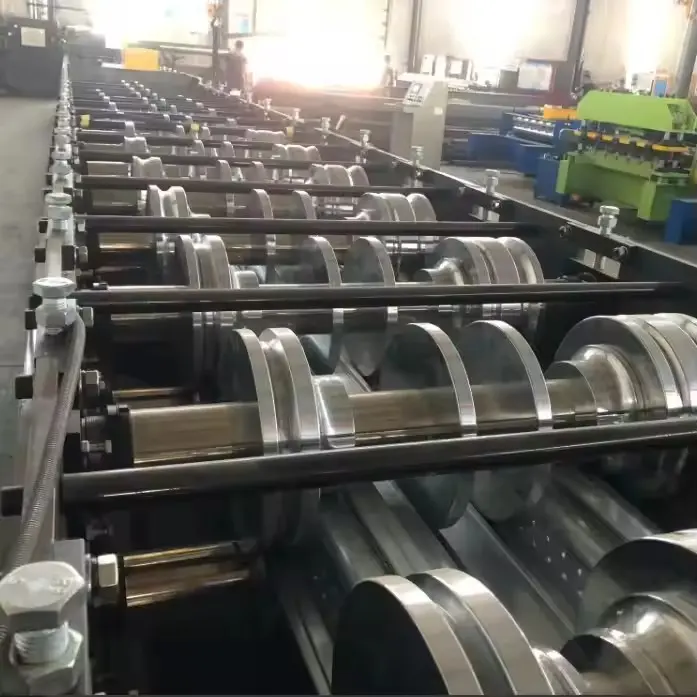
A plate wallboard frame on a composite floor deck machine uses thick steel side plates to support the roller shafts. Frame stiffness depends on both the material and the geometry. Steel's high modulus contributes to the increased resistance to bending that is achieved by using thicker plate, cross-ribs, and tie bars. This design is amenable to modification. The machine may be sent in modules; the stand spacing can be changed, and more stations can be added. Fabrication quality affects alignment. It is possible for the frame to wander out of alignment due to weak welds, unequal plates, or inadequate stress relief. In order to determine roller parallelism, it is important to enquire about the manner in which the supplier machines the bearing seats after welding.
Procurement Comparison Table
The following table serves as a checklist to begin with. As a result of the fact that the construction quality varies from supplier to supplier, it just demonstrates broad patterns.
| Factor | Cast Iron Arch | Plate Wallboard |
|---|---|---|
| Vibration damping | Strong, grade-dependent | Good with ribbing and mass |
| Customization | Limited by molds | Easier to modify |
| Transport | Heavy, fewer modules | Modular options |
| Repair | Cracks are hard to weld | Welds can be inspected |
| Best fit | Heavy, long runs | Multi-profile layouts |
Frame type is not the only factor that determines performance. It is equally important to pay attention to the rollers, shafts, bearings, drive, and installation precision.
Rigidity Test Method for Composite Floor Deck Roll Forming Machines
Static Load Checks
Begin with the machine in a stopped position. It is recommended to install dial indicators on the shaft supports, bearing housings, and the frame. The movement should be recorded after the rated load, or a test strip that is close to the maximum thickness is applied. The alignment of the roller should be measured both before and after loading, and joint displacement should be checked at both bolted and welded connections. Check the readings against the restrictions that the provider has given, and make a note of the results. It is my recommendation that you request photographs or videos of the setup. When comparing different machines, it is important to ensure that the indicator locations on each machine are the same. Having a frame that maintains its alignment while being loaded provides you with a baseline for any further tests.
Dynamic and Profile Repeatability Tests
Run the composite floor deck machine at low, medium, and maximum recommended speeds. In addition to testing the emergency stop at high speeds, you should pay attention to vibration, noise, strip tracking, and roller movement. After that, take measurements of the panels. You should take notes on the cover width, rib height, pitch, length, diagonal difference, squareness, twist, and surface markings that are present throughout a sample. Perform a comparison of the findings with the specifications of your project as well as the Steel Deck Institute standard that is relevant. The frame is holding geometry, as seen by the consistent values over the run. The numbers that are drifting indicate that there is flex, loose bearings, or tooling wear.
Long-Run Test
To conclude, run continuously for a sufficient amount of time to attain a constant temperature. Record the temperature of the bearings, the load on the motor, the hydraulic pressure, and any alerts at predetermined intervals. As a result of heat, it is necessary to remeasure the roller spacing after the event. Inspect the wear on the cutter as well as the ends of the panels, since a soft frame may often appear first at the cut. Use a coil and profile that you have authorised, rather than a sample that was chosen by the provider. Not only is this test a brief demonstration, but it also demonstrates how the machine operates throughout a typical production shift. Not only should you save the report, but it will also support your warranty file.
Beyond the Frame: Choosing, Installing, and Verifying Your Machine
Tooling, Drive, and Controls Matter Too
It is impossible for a stiff frame to save poor tooling. The roll quality determines the precision of the profile and the wear life, while the shaft diameter, bearing capacity, and drive design determine the load tolerance. We combine computerised controls with a high-speed pre-flying shear system in order to achieve the task of controlling the form length precision. Because of the design of the cassette machine, crews are able to swap profiles fast, and the changeable coil width may accommodate a variety of production requirements. ZTRFM also works with Siemens to ensure uptime via cloud Internet of Things and artificial intelligence remote maintenance. Not only should you enquire about the thickness of the plate, but you should also enquire about how the tooling, drive, and controls interact with the frame.
Matching the Machine to Your Application
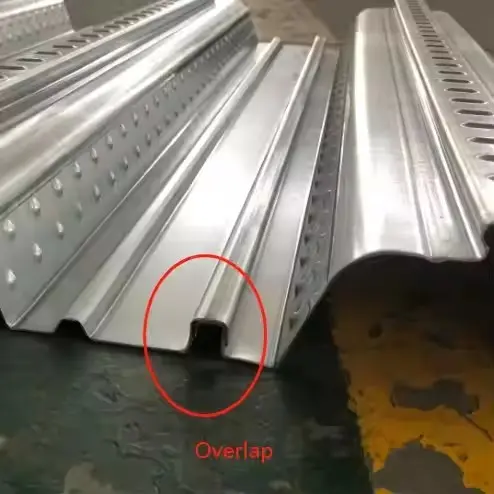
Fit the setup to the task that you are doing. The rib shape and interlock quality are the most important considerations for steel-building and slab projects. Production on the mezzanine level of a warehouse requires a consistent output and simple coil handling. Commercial towers need a surface quality that can be replicated and comprehensive documentation. Semi-automated lines are more suitable for lower volume and more constrained budgets, while automatic lines are more expensive but reduce the amount of labour required and increase uniformity at large volumes. Although the entrance price of used bikes is lower, the danger is increased due to worn bearings and an unknown frame history. Compare different suppliers with regard to their response time, engineering expertise, customisation, export support, replacement parts, and spare parts. The ISO 9001, CE, and CAS certifications are all held by ZTRFM, which was established in 2014.
Installation, Maintenance, and Total Cost
The foundation should be level; there should be room for coil loading; there should be discharge clearance; grounding should be done; and so on. To begin fresh runs, begin at a slow pace and progressively increase your speed. Bearings should be lubricated, rollers should be inspected, fasteners should be checked, hydraulics should be monitored, the PLC should be backed up, and blades and seals should be replaced on Schedule. Determine the total cost of the machine during its lifetime, taking into account the cost of tooling, shipping, customs, installation, energy, labour, downtime, and any future modifications to the profile. Before making a payment, it is important to verify the following documents: general arrangement drawings, electrical diagrams, manuals, spare-parts lists, roll drawings, inspection reports, and warranty conditions. When using your own material, you should request a manufacturing acceptance test.
Conclusion
When it comes to a composite floor deck machine, the frame stiffness has an impact on the panel width, rib height, embossment quality, vibration, and longer service life. Arch frames made of cast iron increase bulk and damping, but their effect is contingent on the quality of the casting, the stress relief, and the machining. Wallboard frames made of plate enhance rigidity as a result of plate thickness, ribbing, and weld control. Additionally, plate wallboard frames are more readily adaptable to changes in layout and modular shipping. Both of the designs are winners by name. For the purpose of determining which frame maintains alignment with your own coil and profile, a systematic test that includes static load, dynamic speed, profile repeatability, and a long run is conducted. The findings are further influenced by rollers, shafts, bearings, controls, installation, and paperwork; thus, the lifetime cost should be the deciding factor in the final decision.
FAQ
1. Is cast iron always more rigid than a plate frame?
Stiffness depends on frame geometry, material, machining, and installation. Steel has a higher elastic modulus than cast iron, and ribbing can increase frame stiffness. Compare measured deflection and alignment under the same loading conditions.
2. What steel thickness does your machine handle?
Our machine handles 16- to 22-gauge steel. Send your profile drawing and material specifications so we can confirm the required tooling and settings.
3. Can one machine make more than one profile?
The architecture of the cassette machine enables rapid profile changes, and the size of the profile may be customised to meet the requirements of the customer. We need to assess the tools, so please share your profiles with us.
Request a Composite Floor Deck Machine Recommendation from ZTRFM
Send ZTRFM your profile drawing, steel grade, thickness, coil weight, and site power specifications for a composite floor deck machine recommendation. Our team can review the frame design, tooling, and test options for your production plan. Email zhongtuorollforming@gmail.com. ZTRFM holds ISO 9001, CE, and CAS certifications and exports to more than 150 countries.