- انګلیسي
- د فرانسې د
- د آلمان د
- پرتګالي
- اسپانوی
- روسی
- د جاپان د
- کوریایي
- عربي
- ائيرلېنډي
- یوناني
- ترکي
- ایټالوی
- ډنمارکي
- رومانیایی
- اندونېزیايي
- د چک
- د کلکسینونو له
- د سویډن د
- صیقل
- باسک
- کتلان
- یا بروز کول
- هندي
- لاو
- کلمات په
- اماري
- د ارمنستان
- د اذربایجان د
- بلاروسي
- بنګالي
- د بوسنیا
- د بلغاریا
- cebuano
- Chichewa
- کورسیکن
- کرواسین
- هالینډي
- استونیا
- فلیپیني د
- فنلڼډي
- فريزي
- ګلېشيايي
- د ګرجستان
- ګجراتي
- هایتین
- هوسا
- د هاوایی
- عبراني
- همونګ
- هنګري
- ایلینډیک
- igbo
- جاوايې
- کناډا
- د قزاقستان
- خمېر
- کردي
- د قرغزستان
- لاتیني
- لېټواني
- لیتوانیایي
- لوګزامبو..
- مخدوني
- Malagasy
- مالیزیایي
- مالايلام
- مالټایي
- ماوري
- مراټي
- منګولیایی
- برمایی
- نېپالي
- ناروې
- پښتو
- فارسي
- د پنجابي
- سربي
- سيسوتو
- Sinhala
- سلواک
- سلوانیایي
- د سومالیا د
- سموني
- سکاټلېنډي ګېلک
- شونا
- سندي
- سوډاني
- سواهیلي
- تاجک
- تامیل
- یا بروز کول
- تایلېندي
- د اوکراین
- اردو
- ازبک
- ویتنامي
- ګوجراتي
- خوسا
- عبراني
- یوروبا
- Zulu
Temporary Housing Production: Portable Roof Sheet Lines
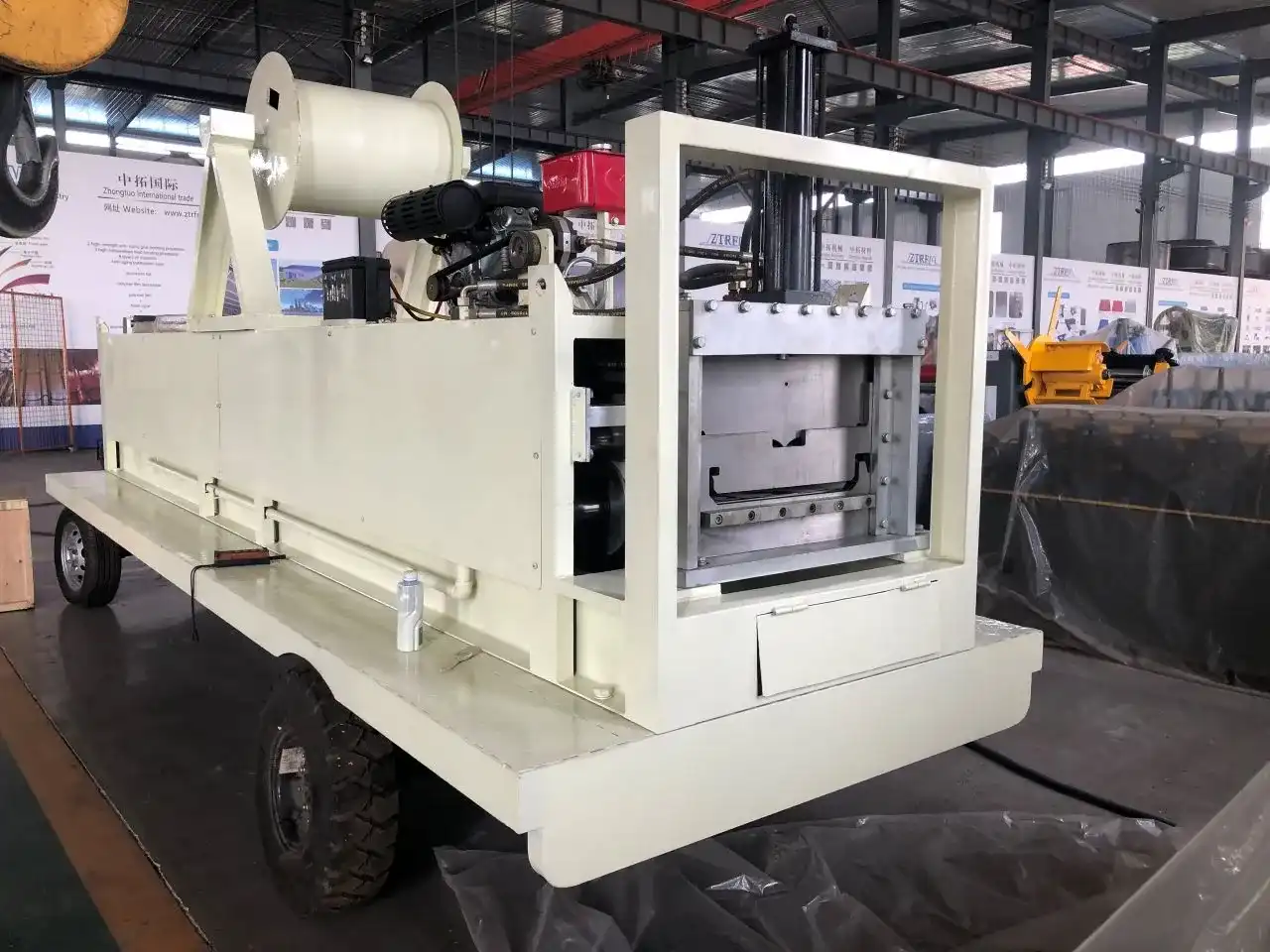
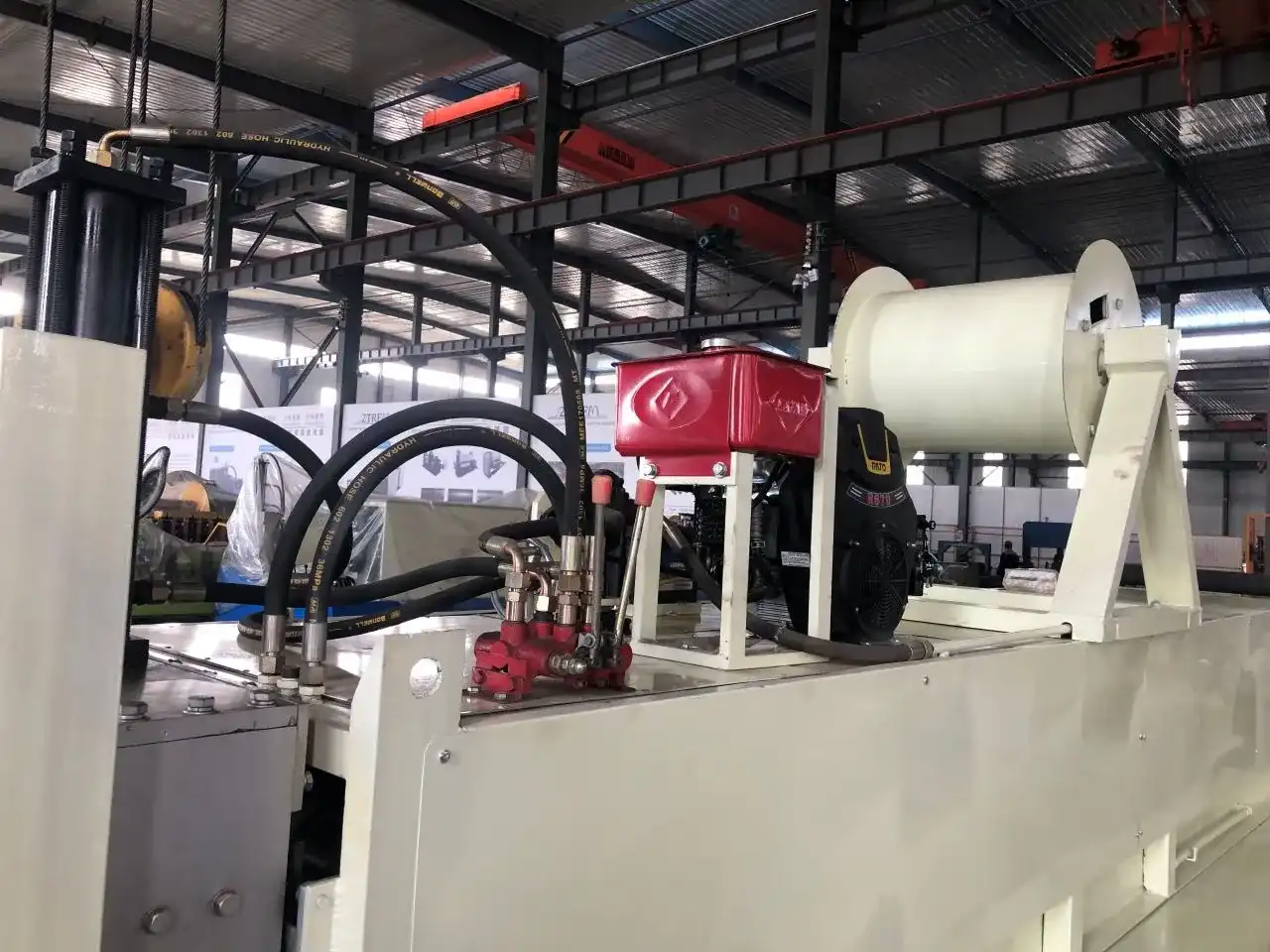
Temporary Housing Production: Portable Roof Sheet Lines means rolling roof panels from coil at or near the housing site instead of trucking long finished panels from a distant plant. A د KR18 پورټ ایبل ولاړ ګنډلو ماشین fits this approach because it forms concealed-clip standing seam panels on a compact unit. Our model processes PPGI, GI, and aluminum from 0.3 to 0.8 mm at 10–15 m/min, so crews can cut panels to measured roof lengths for worker camps, emergency shelters, and modular units. I wrote this guide to help U.S. contractors, distributors, and solar installers judge fit, cost, and risk before buying.
Why Portable Roof Sheet Lines Suit Temporary Housing Near-Site Forming Cuts Freight and Handling Damage
Long panels that have been polished travel badly. An extended trailer, careful blocking, and more labour are required to unload a panel that is forty feet in length. Additionally, a single bent edge might damage a piece that cannot be repaired. In the process of rolling from coil, the freight issue is transferred to the coil itself. The team takes measurements of the real roof, determines the length of the cut, and only creates what is required by the building. In situations when the roof sizes of individual units vary, such as in phased labour camps and disaster shelters, this strategy is appropriate. As a result of the fact that the National Disaster Housing Strategy of FEMA considers sheltering to be a planned component of recovery, early attention should be paid to logistics.
What a Portable Line Includes
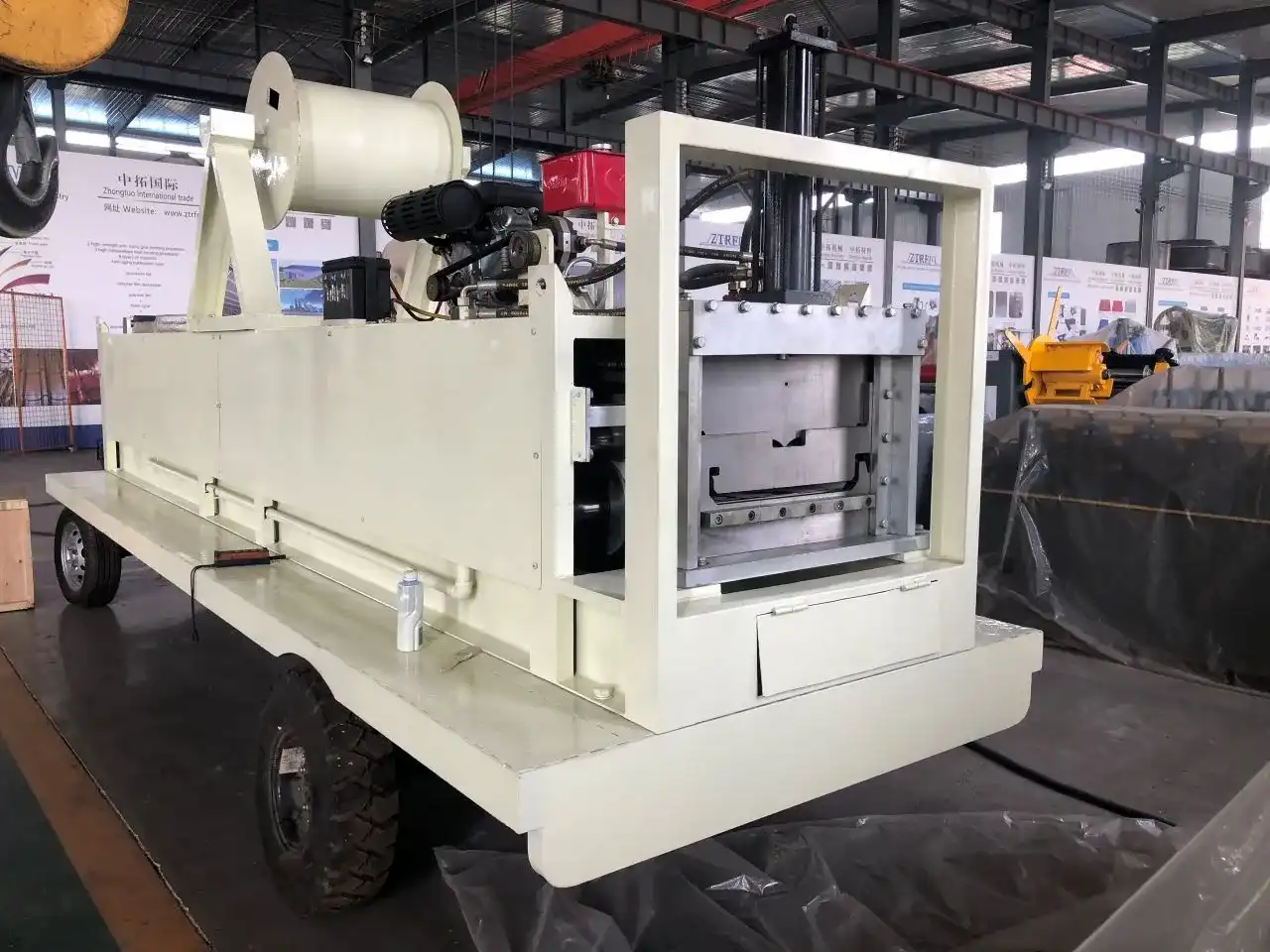
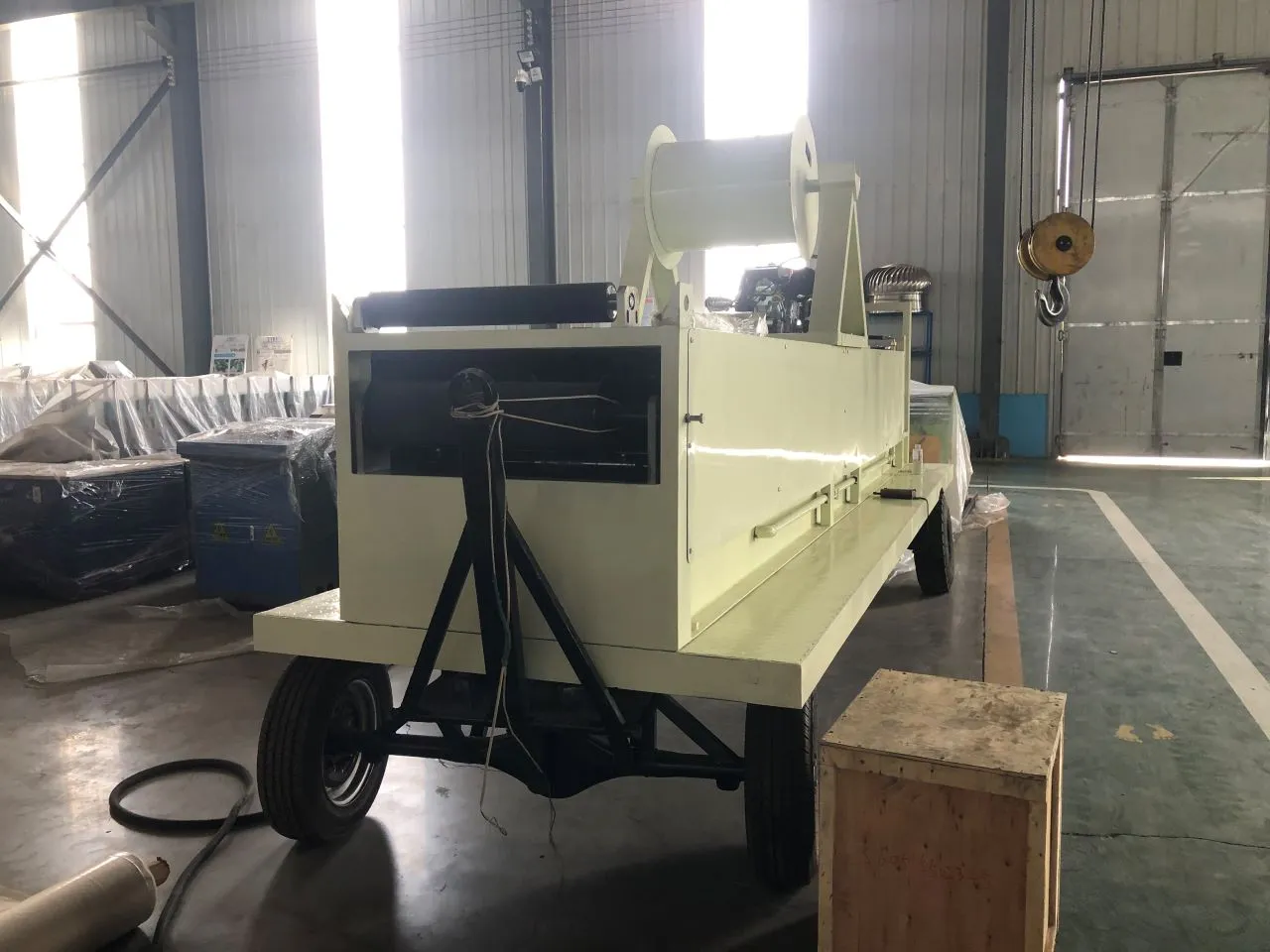
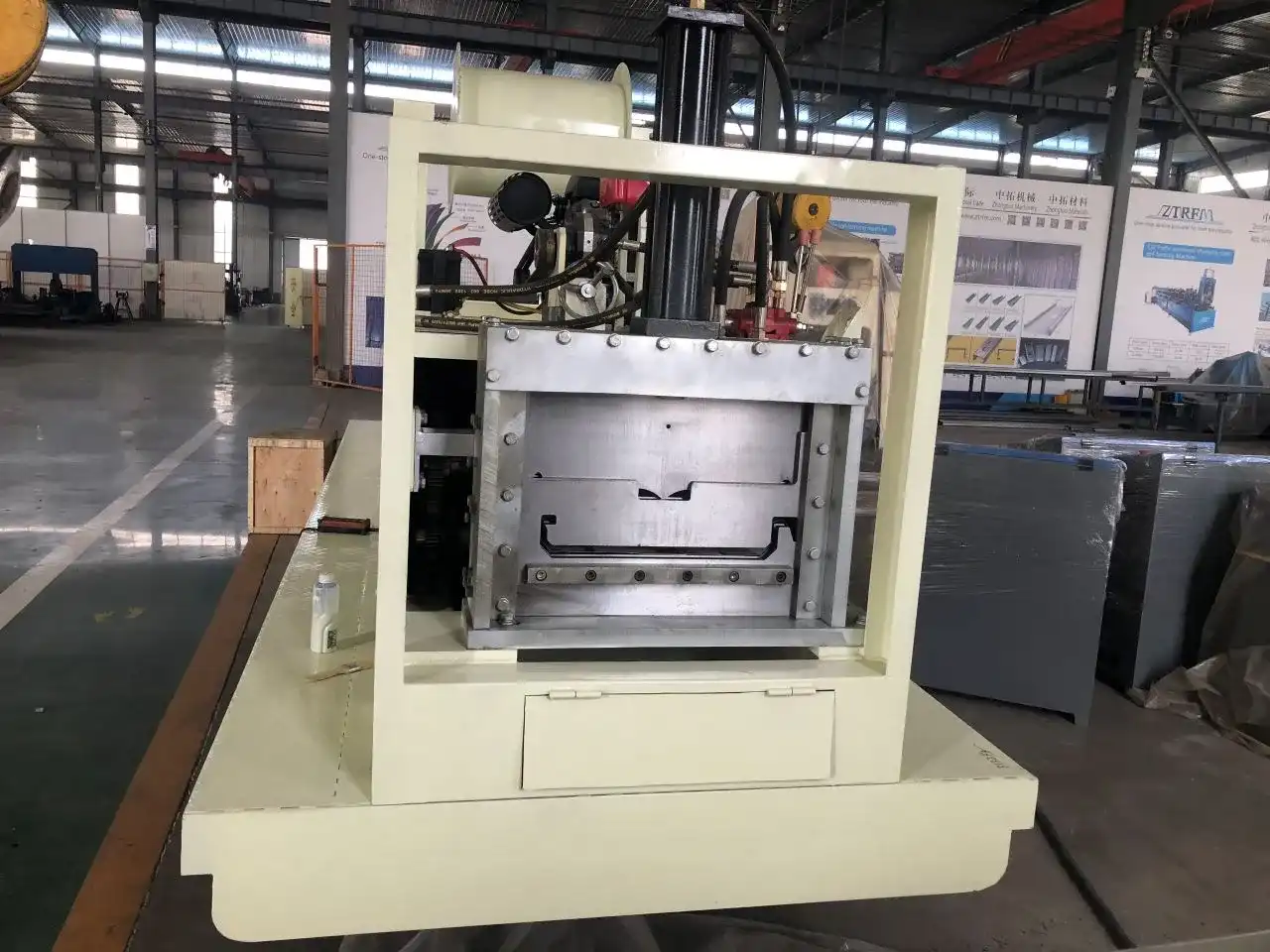
In a typical production line, the ډیکویلر is the first component, followed by the feeding guides, the forming stations, the hydraulic cutter, and finally the control cabinet. You may purchase a single machine or a whole production line from ZTRFM since they also provide stackers, seamer hand tools, and clip dies. This allows you to save time and money. Be sure to keep in mind that the machine is responsible for forming the panel, while seaming is responsible for closing the connection on the roof. The first task is handled by a portable standing seam machine with the model number KR18, and the second task is handled by a manual or powered seamer. Make sure that both are included in the quotation so that there are no missing tools on the day of installation.
Roof Types and Buildings It Serves
Panels with hidden fasteners and standing seams are suitable for more than just enclosures. Properties such as villas, schools, airports, stadiums, fascia, and mansard trimmings are examples of typical applications. The same profile encompasses worker housing, housing based on containers, site offices, and modular units when it comes to temporary housing. Seam roofs are also preferred by solar installers because clamps of the S-5 kind may be used to secure the seam without requiring roof penetrations. A choice of material is important. The criteria of ASTM A653 are met by zinc-coated GI; PPGI offers a painted surface, and aluminium helps lighter constructions lower their overall weight more effectively. Due to the fact that coastal corrosion exposure is different from that of inland locations, it is important to check the local code and the coating guarantee before buying coil.
How the KR18 Portable Standing Seam Machine Works
Forming Process from Coil to Panel
Production with a د KR18 پورټ ایبل ولاړ ګنډلو ماشین starts by loading the coil onto the decoiler and aligning the strip with the entry guides. The strip then passes through forming stations, each gradually bending the metal until the standing seam profile takes shape. A hydraulic cutter trims each panel to the length set on the control cabinet. Quality depends on straight feeding, even coil tension, consistent speed, and clean rollers, as debris can damage painted surfaces. Our rollers are precision-ground to produce a neat architectural seam. Before full production, I recommend forming a short trial panel and checking its width, seam height, and length.
په یو نظر کې تخنیکي مشخصات
This setup has the following factory statistics for your reference. At a rate of 10 to 15 meters per minute, the line produces PPGI, GI, and aluminium with thicknesses ranging from 0.3 to 0.8 millimetres. In addition to the primary engine, the hydraulic system also consumes three kilowatts of power. Three-phase, 380-volt, 50-hertz is the standard voltage, although we are able to customise the voltage for locations in the United States. The main body has dimensions of 2300 millimetres by 1500 millimetres by 1600 millimetres and weighs around 2.2 tonnes. Prior to coil changes and setup, the line has a running duration of 600 to 900 linear meters per hour while it is moving at a speed of 10 to 15 meters per minute. Request a profile drawing of your specific setup on the profile drawing.
Safe Operation on Site
In order to ensure safety, it is necessary to have a surface that is both sturdy and level. The operators are responsible for performing inspections on the guards, rollers, cutter blades, and hydraulic hoses before each shift. It is imperative that you never operate a machine with a guard removed, as stated in the guidelines provided by OSHA about the protection of equipment. Guards serve the purpose of protecting workers from moving parts, such as spinning rollers and cutters. Employ the appropriate lifting gear to load the coil, feed it in a gentle manner, and keep your hands away from the entrance site. Units that are installed on trailers are equipped with crane-lift points for more secure placement. Before making any adjustments to the other settings, check the alignment and guides to see whether the panels twist or vary in width.
Choosing and Buying a Portable Roof Line
Portable Versus Fixed Equipment
Select based on the quantity, location, and price. Due to the fact that it can be transported to the roof, a movable unit is suitable for decentralised projects, shifting work sites, and phased housing plans. When it comes to consistent manufacturing production, increased automation, and central material processing, a fixed line is the way to go. Profiles are also different. Hand pressure is required for snap-lock panels to engage, while mechanical seams need the assistance of a seamstress. However, mechanical seams provide strength in high-wind locations, which is why coastal structures that are prone to cyclones often utilise them. Instead of evaluating the price of the machine alone, compare the total cost of ownership, which takes into account the cost of labour, electricity, and relocating the unit.
Procurement Checklist for U.S. Buyers
Before getting quotations, you should first write a clear scope. All of the following should be included: the kind of dwelling, the roof area, the panel profile, the material, the thickness, the coating, the destination, and the delivery location. Specifications, profile drawings, manuals, warranty conditions, training, replacement parts, and after-sales support are all the components that are included in a comprehensive offer. On top of that, it needs to differentiate between the machine's pricing, packing, goods, insurance, and taxes. Typically, purchasers in the United States anticipate a video acceptance test prior to shipping, and we are able to arrange for one. Ask for seamer hand tools and clip dies to be included in the offer, and be sure to inform your inspector as soon as possible about any electrical requirements, such as UL or ETL.
Why Manufacturer Capability Matters
Supplier strength shows in how the machine performs after delivery. ZTRFM, the brand of Cangzhou Zhongtuo, has built cold roll forming machines since 2014 in Botou, Cangzhou, a major roll forming machinery hub in China. As a د KR18 پورټ ایبل ولاړ ګنډلو ماشین supplier, we hold ISO 9001, CE, and CAS سندونه, and our machines operate in over 150 countries. We cooperate with Siemens on cloud IoT and AI remote maintenance, and with Yanshan University and the National Cold Roll Forming Institute on forming technology. Reference clients include Tata Group, DS Group, and HADDAD SET. OEM and ODM tooling comes with NDA protection for your profile drawings.
Getting More Output From a Portable Roof Line
Find the Real Bottlenecks
The speed of a machine is seldom a limiting factor in a job. In most cases, additional time is required for tasks such as coil loading, profile changeover, panel handling, seaming coordination, and rework. Repeat adjustments are reduced when the machine is configured to standard settings, personnel are educated, and the first item is approved. As panels exit the production line, they need support as well, since extended lengths that are not supported might cause them to bend or scrape. It is important to arrange crane time before the forming process begins on tall structures so that completed panels do not have to wait on the ground. Reviews of the NRCA metal panel handbook, which includes information on panel handling and installation, may assist your staff in better matching their expectations with those of the organization.
Track Numbers That Matter
The things that you measure reveal the passage of time. Among the useful metrics are the square meters produced every shift, the amount of time spent setting up, the quality of the first pass, unexpected downtime, material waste, and the cost of the completed roof. Contrast them with the expenses of freight and delays that you may save by forming close to the location of the event. This is a straightforward check. If a crew forms a much lower number of linear meters every shift compared to the 600 to 900 meters per hour that the line is capable of running, this gap indicates that there is a problem with the handling or the setup that has to be fixed. Take notes on the first task, and then use those notes to determine the pricing of the subsequent job.
Plan Spares and Remote Support
It is impossible for remote locations to wait for goods. Ensure that essential parts, such as cutter blades, hydraulic hoses, fasteners, and sensors, are stored on the trailer. As a result of the vibration caused by transport, it is important to check the quality of the hoses and the amount of hydraulic oil before each move. In order to examine defects without having to physically visit the location, our collaboration with Siemens enables cloud Internet of Things monitoring and artificial intelligence remote maintenance. Seamer heads that are field-serviceable also allow personnel to repair equipment while they are on the roof. In the process of obtaining a quotation, you should request a list of spare parts and then compare it to your production volume and the distance from servicing.
پایله
Portable roof sheet lines let crews form panels near temporary housing sites, which reduces freight and handling damage for long panels. The د KR18 پورټ ایبل ولاړ ګنډلو ماشین forms PPGI, GI, and aluminum from 0.3 to 0.8 mm at 10 to 15 m/min, with a 3 kW main motor and a 3 kW hydraulic system, while seaming remains a separate step. Buyers should define project scope, confirm profile and voltage, compare portable and fixed options, and request clear quotes that list tooling, spares, and acceptance testing. Safe operation depends on guarding, grounding, and trial panels. Real output depends on setup, handling, and spare parts, not rated speed alone.
FAQs
1. Does the machine close the seam?
No. The machine forms the panel. A hand or powered seamer closes mechanically seamed joints on the roof, while snap-lock profiles engage without that step.
2. What materials and power does it use?
It forms PPGI, GI, and aluminum from 0.3 to 0.8 mm. Standard power is 380V, 50Hz, three-phase, and we can customize voltage for U.S. sites. Gas-engine or electric drive options for portable units can be discussed.
۳. څومره چټک چلېږي؟
Forming speed is 10 to 15 m/min, or 600 to 900 linear meters per hour of running time, before setup and coil changes.
۴. تاسو د نرخ لپاره څه ته اړتیا لرئ؟
Send profile drawings, material and thickness, expected output, destination, and power standard. We can sign an NDA before reviewing your drawings.
Request a KR18 Portable Standing Seam Machine Quote from ZTRFM
ZTRFM is a د KR18 پورټ ایبل ولاړ ګنډلو ماشین manufacturer and supplier founded in 2014, with ISO 9001, CE, and CAS certification and exports to over 150 countries. Send your roof drawings, material, thickness, and power needs to zhongtuorollforming@gmail.com ته زنګ ووهئ, and our engineers will recommend a configuration, tooling, and a clear quote. Looking for a KR18 portable standing seam machine for sale?