- English
- French
- German
- Portuguese
- Spanish
- Russian
- Japanese
- Korean
- Arabic
- Irish
- Greek
- Turkish
- Italian
- Danish
- Romanian
- Indonesian
- Czech
- Afrikaans
- Swedish
- Polish
- Basque
- Catalan
- Esperanto
- Hindi
- Lao
- Albanian
- Amharic
- Armenian
- Azerbaijani
- Belarusian
- Bengali
- Bosnian
- Bulgarian
- Cebuano
- Chichewa
- Corsican
- Croatian
- Dutch
- Estonian
- Filipino
- Finnish
- Frisian
- Galician
- Georgian
- Gujarati
- Haitian
- Hausa
- Hawaiian
- Hebrew
- Hmong
- Hungarian
- Icelandic
- Igbo
- Javanese
- Kannada
- Kazakh
- Khmer
- Kurdish
- Kyrgyz
- Latin
- Latvian
- Lithuanian
- Luxembou..
- Macedonian
- Malagasy
- Malay
- Malayalam
- Maltese
- Maori
- Marathi
- Mongolian
- Burmese
- Nepali
- Norwegian
- Pashto
- Persian
- Punjabi
- Serbian
- Sesotho
- Sinhala
- Slovak
- Slovenian
- Somali
- Samoan
- Scots Gaelic
- Shona
- Sindhi
- Sundanese
- Swahili
- Tajik
- Tamil
- Telugu
- Thai
- Ukrainian
- Urdu
- Uzbek
- Vietnamese
- Welsh
- Xhosa
- Yiddish
- Yoruba
- Zulu
Edge Wave, Bow, Twist, End Flare: Adjustment Guide
If you deal with roof & wall panel systems in steel construction, PEB projects, or commercial cladding, you know that even little panel defects may cause severe installation issues. Edge wave, bow, twist, and end flare are some of the most prevalent problems cited in metal roofing and wall cladding applications—and they are not only aesthetic. If not rectified, these abnormalities may undermine weather resistance, jeopardize structural alignment, and increase building maintenance expenses over the course of the structure’s lifespan. This article talks you through what causes these difficulties and how to address them methodically.
Understanding Common Panel Deformities: Edge Wave, Bow, Twist, and End Flare
You should know what each flaw is and why it shows up on metal fence panels before you start to fix them.
What Is Edge Wave?
Edge wave causes the long sides of a panel to seem as if they had waves or ripples running down them. This is mainly because the tension in the coil is not uniform when it is rolled or cut. Fasten panels to purlins or wall girts. If the material width is uneven or the roller gaps are not adjusted properly, edge waves will form.
What Is Bow and How Does It Form?
A bow is a curvature throughout the whole length or breadth of the box. The long bow runs the length of the panel while the crossbow swings the breadth of it. The tension in the panel need not be uniform throughout its formation. It also happens when it is kept incorrectly, piled unevenly, and loaded for a long period.
Twist, End Flare, and Their Impact on Installation
The sides of a panel not contacting each other are off a flat surface. That’s called twist. End flare is the spreading or curling up of the ends of a panel. This is mostly because the cut point releases tension. These two deficiencies make it tougher for wall and roof cladding systems to keep water out, line up panels, and set fasteners where they should be.
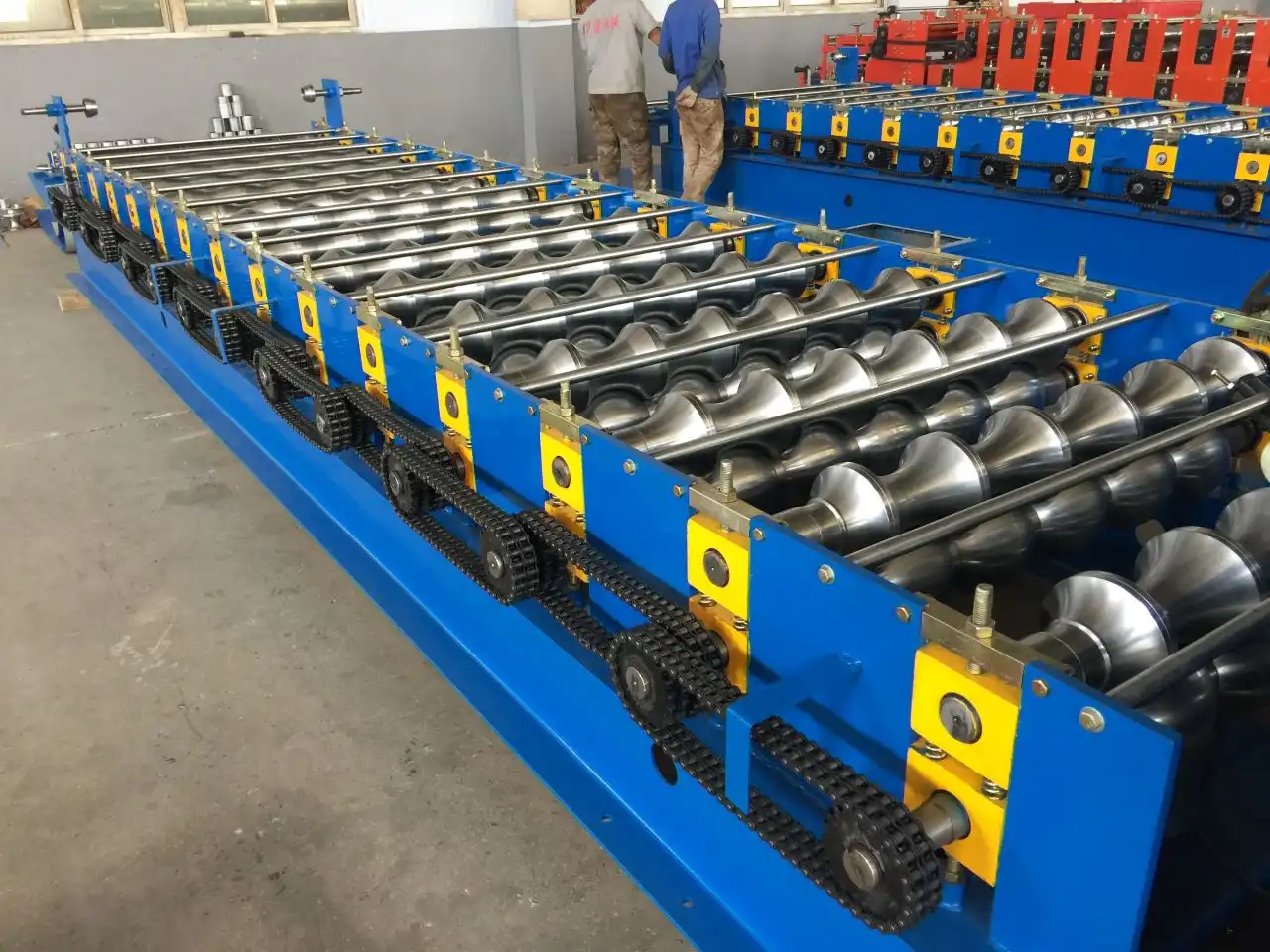
Step-by-Step Guide to Adjusting Panel Deformities
Getting things fixed quickly and efficiently saves time and resources. This is a good order for metal or steel wall art.
Identifying Deformity Type and Severity
Place the panel flat on a flat surface. Draw a straight line along the length, width, and both sides. The gap should be less than 3 mm per meter if there is a problem that needs to be fixed before the installation. Note down the type of deformity that each window shows. This helps figure out what went wrong with the machine or process.
Targeted Correction Methods by Deformity Type
Bad info: There are many types of issues and many methods to remedy them. If you do anything incorrectly, you will lose time and potentially even ruin the screen permanently.
This is the most common method individuals who deal with roof & wall panels use to correct things:
- Edge wave correction: Apply minimum pressure using leveling rollers or a press brake to equalize pressure over the width of the panel. Modify the entrance guide rails of the roll forming machine to lessen the lateral stress on the coil edge. Rechecking the consistency of roller gap at all stations also assists in preventing recurrence.
- Bow correction: Longitudinal bow: Adjust the tension on the top forming rollers. For crossbows, raise or decrease pressure on the center rollers vs. the edge rollers. If the bow is due to storage, the problem is solved by re-stacking the panels horizontally on flat supports, without any machine intervention.
- Twist correction: Twist is often caused by the entrance guides being out of line or the outfeed table being worn. Make the entrance and exit supports of the roll former the same height. In moderate circumstances, flatness may be restored by applying controlled counter-rotational pressure at room temperature to previously manufactured twisted panels.
- Correct the end flare, cut off the flared ends with a precision shear, and relocate the fastener holes to retain the appropriate edge distance. Make clean cuts perpendicular to the material by re-aligning the cut-off die to equally relieve tension.
The tightness of the top rollers of the bow may be changed to position the bow along its length. Set the force on the center rollers and edge rollers of the crossbow. If the bow comes from being stored, the panels may be moved around on flat supports to correct them without a machine.
Verifying Results After Adjustment
Stop putting the flare in place: get a precision tool and cut off the ends that are bent. After that, move the screw holes to keep the space you need around the edges. Just make sure the cut-off die is lined up correctly to get cuts that are smooth and straight.
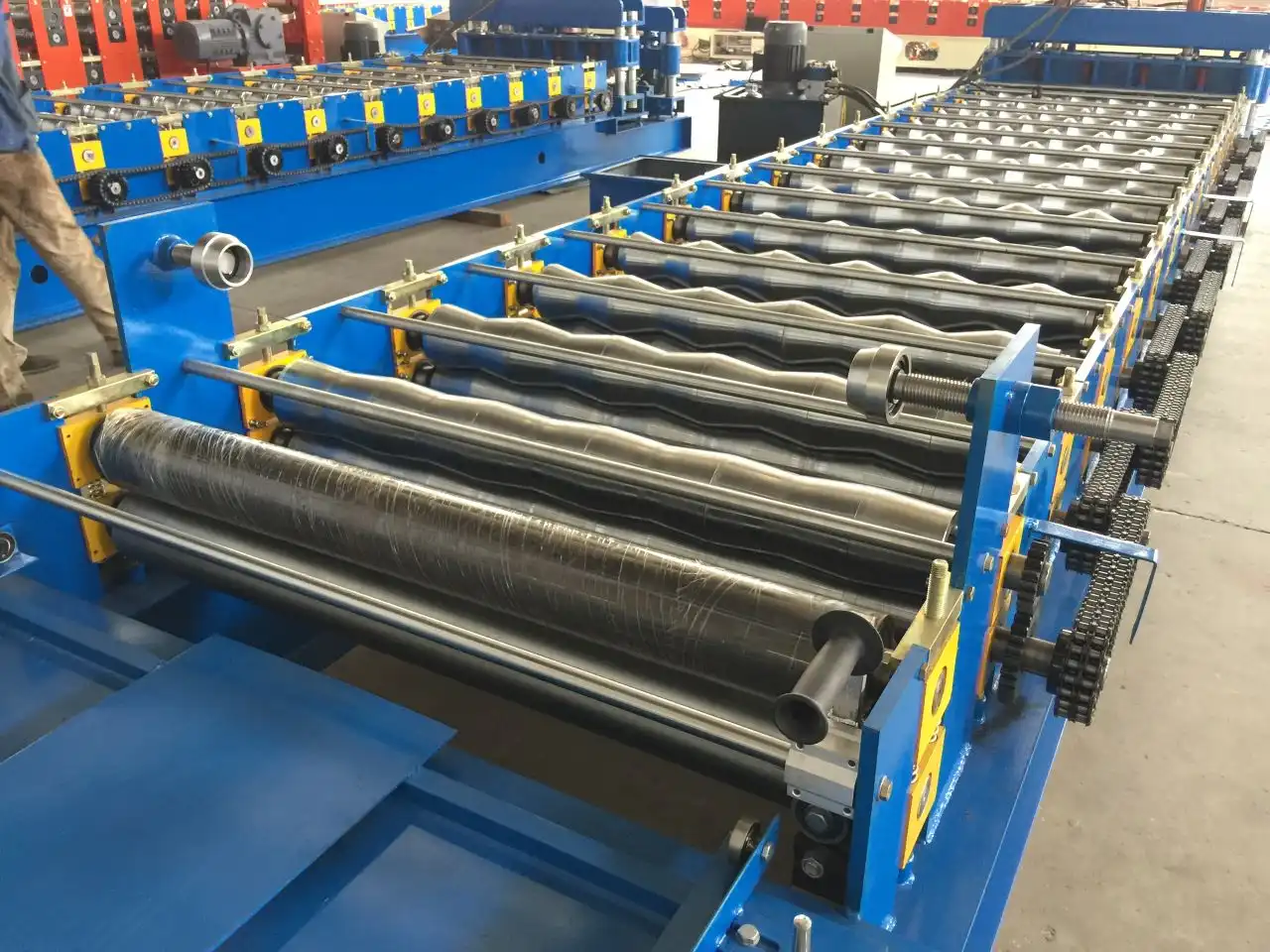
Choosing the Right Panel Material and Design to Minimize Deformities
If you choose the right panel at the beginning, you won't have to make as many changes at the site or during installation.
Steel vs. Aluminum: Deformity Resistance Compared
At the same thickness, galvanized steel and Galvalume panels are often stiffer than aluminum. Also, they don't bend or bow as much. Metal ends are more likely to flare in places where the weather changes a lot, since they grow bigger when it does. Galvanized steel sheets that are 0.5 mm to 0.8 mm thick and made on machines with 14 to 22 precise roller stations stay flat over long panel runs. They are used for industrial buildings and PEB structures with a lot of spans.
Panel Thickness, Coatings, and Edge Profile Design
Hard rollers that are chrome-plated and at least 0.6 mm thick are better for panels because they make the sides smoother and the surface less rough. Edge waves are less likely to happen if the covering on PPGI coils is even and applied before they are used. When it comes to flat-panel designs, crossbows are more likely to damage the edges that are trapezoidal or a sitting seam. This is because the ribs that hold these forms together are different.
Insulated vs. Traditional Panels: Which Stays Flatter?
Some panels, like sandwich panels, have a foam or mineral wool core inside two metal covers. These panels stay in place better than single-skin roof & wall panels. Both skins' cores are stuck together, so they don't move around much. This is what causes bending and twisting. For cold storage and modular buildings, insulated panels are better because they keep heat in better and stay in place better.
Maintenance and Care to Sustain Panel Integrity Over Time
Even if panels are well-formed, they should be kept in good shape for the life of a building.
Routine Inspection Protocols
At least twice a year, but ideally checked before and after winter. Look for early symptoms of deformation or stress cracking along the sides of panels, at fastener locations, and in sealant joints. If you catch an edge wave or a tiny bow early on, it is straightforward and inexpensive to remedy before it causes any harm.
Cleaning Methods That Protect Panel Surfaces
Clean using low-flow water and a mild cleanser that doesn't modify the pH level. And when you spray anything, don't spray it with harsh equipment. These instruments accelerate wear and tear over time by stripping away the coatings and leaving the metal to rust. If you live near water or work in a factory, you need to clean the coating twice a year to keep it smooth.
Repair vs. Replacement: Making the Right Call
Usually, if the damage is less than 10% of the surface of the panel and the points of the fasteners are still good, it is cheaper to repair than to purchase a new one. No more than 5 mm of bow per meter should be present, and no twist that makes it difficult for panels to meet or an end flare that destroys the weather seal. If you see any of these happening, your roof will need to be replaced. It saves money and keeps you safer in the long run.
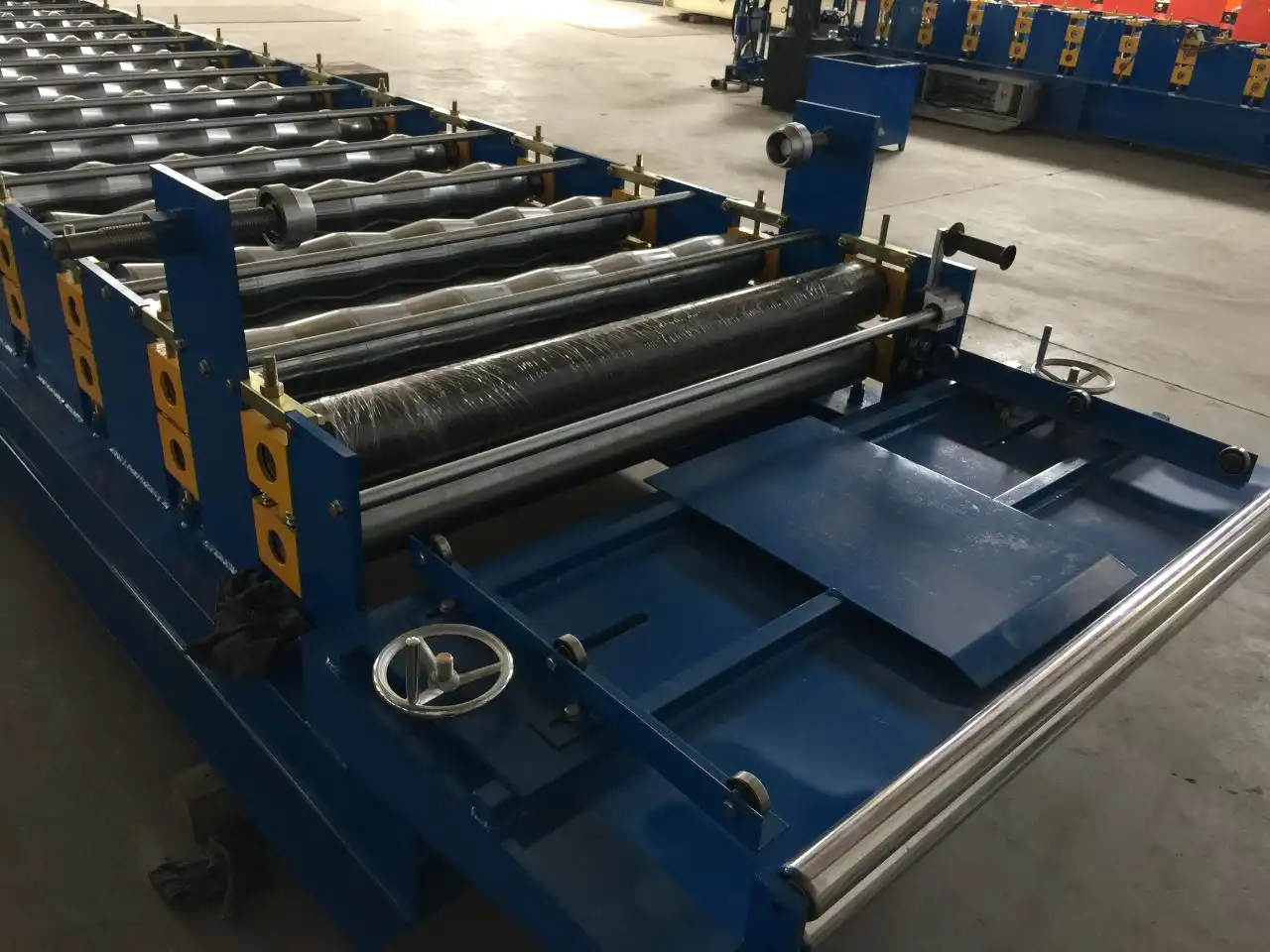
Procurement Insights: How to Buy Panels That Are Easier to Adjust and Maintain
You can save a lot of money on repairs and upkeep over time if you choose the right things when you shop.
Evaluating Material Quality and Manufacturing Standards
Find power systems with CE clearance and panels built using tools that are manufactured to the norms of ISO 9001. The machines that produce panels that are more likely to be the appropriate size and less likely to bend are made using strong 45# steel shafts (70mm+ diameter), heat-treated Cr12MoV rollers to HRC 58-62, and PLC control systems that can measure lengths to within ±1.0mm.
Certifications and Warranties That Matter
The building must fulfill specific criteria according to ASTM E1592. Request test reports demonstrating the coil yield strength and covering weight. It is better to deal with a man who is honest about the quality of his items and has documents that you can use to trace their origin.
Bulk Ordering and Custom Specifications
Cut panels to your required length for large EPC or PEB works. This will cut down on waste and flare from field cutting. You may customize the panel thickness, covering width, and rib height to suit your load and insulation demands if you purchase in bulk from a supplier that can roll-form the forms.
Conclusion
If anything has an edge wave, bow, twist, or end flare, you can correct it if you know what to do. It might be a lot cheaper to set up and make modifications if you use the correct tools, understand the problem, and use the right materials. If you need to acquire a lot of metal roofs and cladding, work with a manufacturer that has well-calibrated machinery. The roof & wall panels are flatter and will endure longer if produced by that company.
FAQ
1. What causes edge wave on metal roof panels?
Edge wave results from uneven stress distribution during roll forming or coil slitting. Misaligned entry guides, worn rollers, or inconsistent coil tension are the most common machine-side causes. Material-side causes include variable thickness across the coil width. Calibrating roller gap settings and verifying coil quality before production reduces this defect significantly.
2. Are insulated wall panels more prone to bow and twist than single-skin panels?
No. Insulated sandwich panels are generally more dimensionally stable than single-skin panels because the core material bonds both metal faces together, limiting free movement. Single-skin panels are more susceptible to bow from thermal gradients and storage conditions.
3. How often should I inspect metal roof and wall cladding panels?
Inspect at least twice a year—once before winter and once after. Add additional checks following major weather events such as hailstorms or high winds. Early detection of deformities at fastener points or panel overlaps allows for low-cost corrections before damage progresses.
4. Can twisted panels be corrected after forming?
Mild twist can sometimes be corrected by applying controlled counter-rotational pressure. Severe twist, especially in panels already installed or with compromised coating, typically requires replacement to maintain weather-tightness and structural alignment.
Partner With ZTRFM for Precision-Formed Roof & Wall Panel Solutions
Since 2014, Zitron Roll Forming Machinery has sold cold roll forming tools to more than 150 different countries. Every machine we make is certified by ISO 9001, CE, and CAS. Our team is ready to help you with technical issues from the very beginning of the production process to make sure nothing goes wrong. The tools we use to make roof & wall panels are part of this. Companies that make roof & wall panels and want to make more of them can come to us for OEM, ODM, and one-stop solutions. The same goes for EPC builders who need to find custom siding designs. To get a quote, email us at zhongtuorollforming@gmail.com.
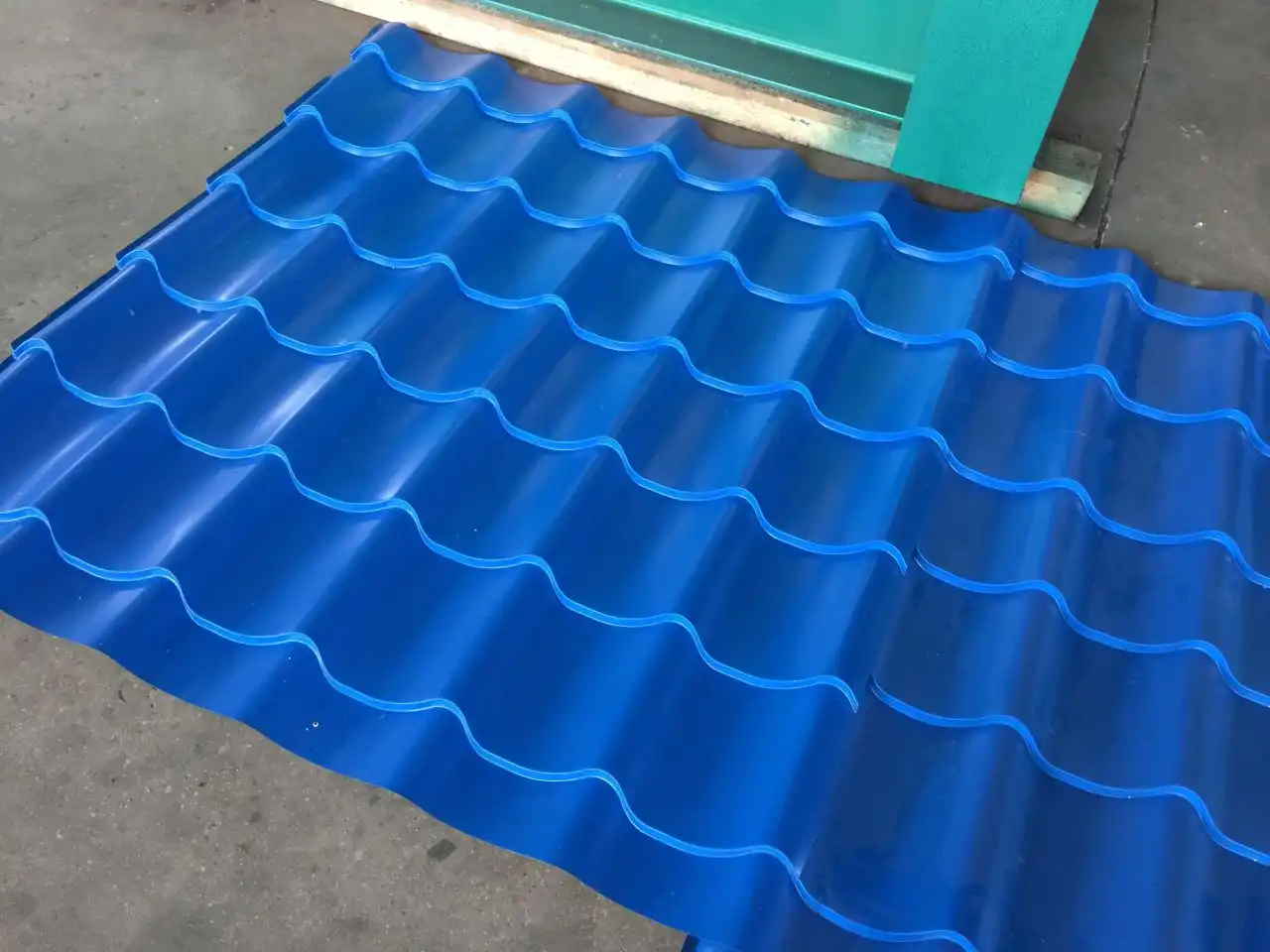
References
1. Metal Construction Association. Metal Roof and Wall Systems: Design and Installation Guide. 2022.
2. American Iron and Steel Institute (AISI). North American Specification for the Design of Cold-Formed Steel Structural Members. 2016.
3. ASTM International. ASTM E1592: Standard Test Method for Structural Performance of Sheet Metal Roof and Siding Systems. 2021.
4. Sheet Metal and Air Conditioning Contractors' National Association (SMACNA). Architectural Sheet Metal Manual. 7th ed., 2012.
5. Steel Framing Industry Association (SFIA). Technical Guide for Cold-Formed Steel Framing Products. 2020.
6. Metal Roofing Alliance. Metal Roofing Installation and Maintenance Best Practices. 2023.