- Английский
- Французский
- Немецкий
- Португальский
- Испанский
- Русский
- Японский
- Корейский
- арабском
- ирландский
- Греческий
- Турецкий
- Итальянский
- Датский
- Румынский
- Индонезийский
- Чешский
- Африкаанс
- Шведский
- Польский
- Баскский
- каталонский
- Эсперанто
- Хинди
- Лао
- Албанский
- амхарский
- армянский
- азербайджанский
- белорусский
- Бенгальский
- Боснийский
- Болгарский
- кебуано
- чичева
- корсиканец
- Хорватский
- Голландский
- эстонский
- Филиппинский
- Финский
- фриз
- галисийский
- грузинский
- Гуджарати
- Гаитянский
- хауса
- гавайский
- древнееврейский
- хмонг
- Венгерский
- Исландский
- игбо
- Яванский
- каннады
- Казахский
- кхмерская
- Курдский
- киргизский
- латинский
- Латышский
- Литовский
- Люксембург ..
- македонец
- малагасиец
- Malay
- Малайялам
- Мальтийский
- маори
- Маратхи
- монгольский
- бирманский
- непальский
- Норвежский
- пушту
- персидский
- панджаби
- Сербский
- сесото
- Sinhala
- Словацкий
- Словенский
- Сомалийский
- Самоанский
- Шотландский гэльский
- Шона
- Sindhi
- Суданский
- суахили
- таджикский
- Тамильский
- Телугу
- Тайский
- украинский
- Урду
- узбекский
- Вьетнамский
- валлийский
- коса
- идиш
- йоруба
- зулусский
PLC Control Failure: A Troubleshooting Map That Works
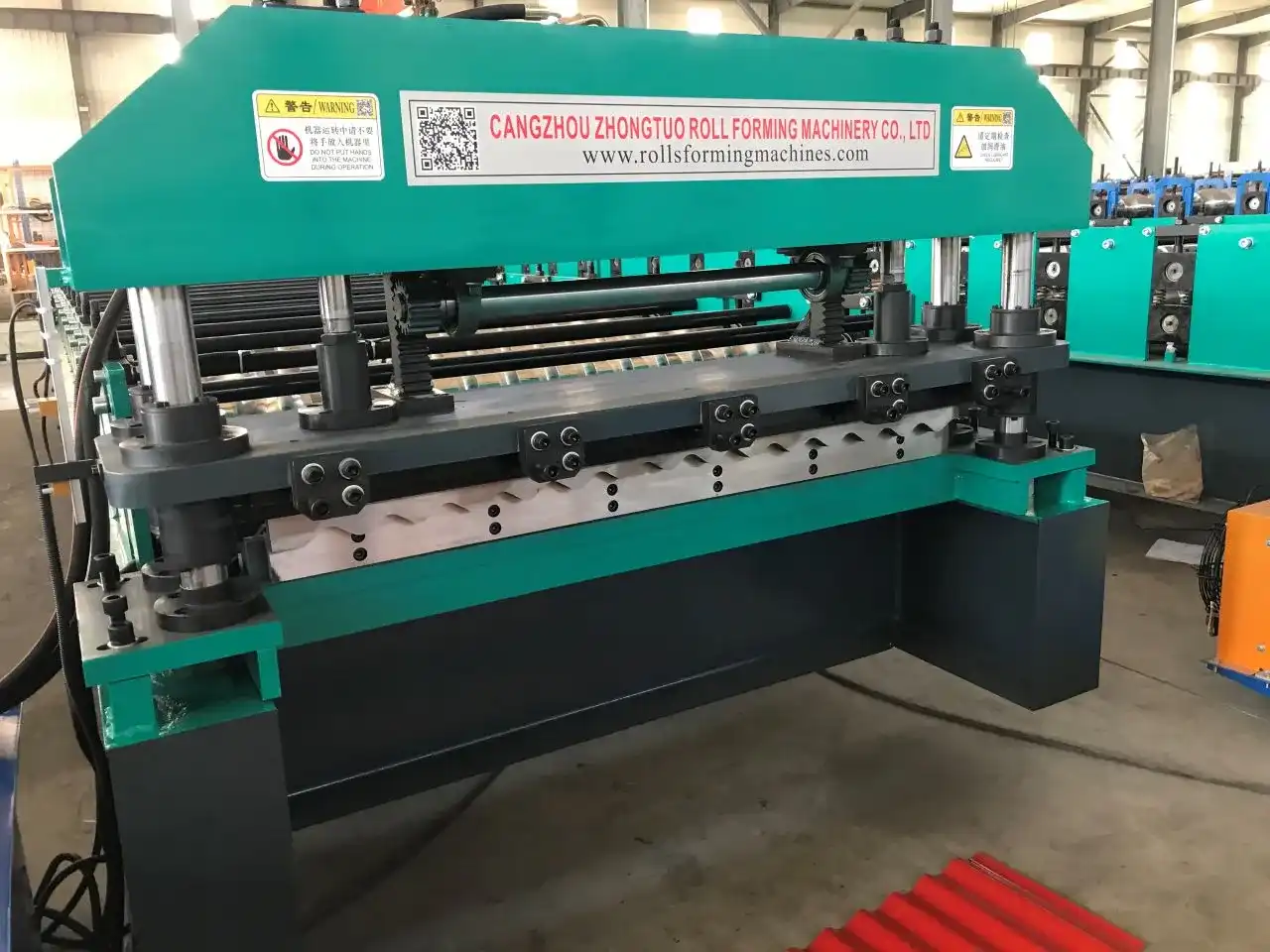
PLC control failure on a plc controlled roll forming machine is solved by working from the symptom to the signal path. Record the alarm, check power and safety circuits, test inputs and outputs, then confirm mechanical and hydraulic conditions before touching the program. I have seen many lines stop because of a loose terminal, a slipping encoder wheel, or low hydraulic pressure while the controller itself was healthy. A clear map saves time, protects operators, and prevents needless part replacement. This guide follows that path for roof panel, purlin, ridge cap, and standing seam lines.
Understand the Control System and Read the Symptoms
How the PLC Directs the Line
Keypads, proximity sensors, limit switches, and safety devices all send information to the PLC. The PLC then does what it is told. After that, the hydraulic switches, cutting lines, and pumps are turned on. Standard lines form, measure, cut, and then let go when they are fed and decoil. If one of the cues comes in late or not at all, that step is over. "What step ended, and what signal should have started the next one?" is the first thing I always do.
Key Components Worth Knowing
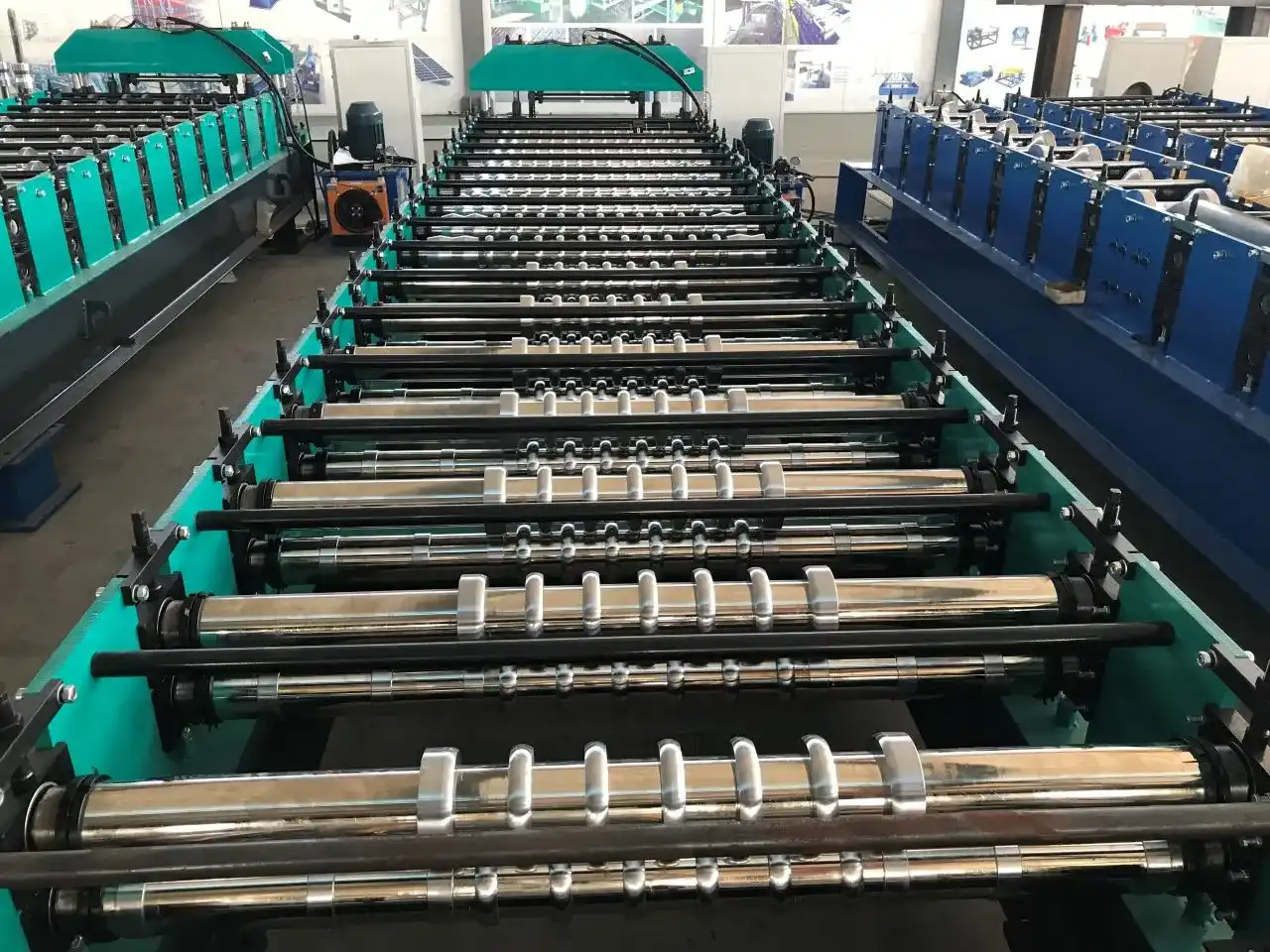
The main parts are the CPU, the input/output modules, the power supply, the encoder, the HMI, the inverter or servo drive, and the circuit that stops the machine in case of an emergency. This is shown by the box profile roofing sheets that we make. A Delta PLC control desk and a hydraulic cutting device are both there. Sometimes every part breaks in its own way. Power sources sag when they get too much current. Encoders move, connections come loose, and power sources come down. Trips and drives. When a sign is linked to a pattern, the search goes faster.
Sort Problems Into Six Symptom Groups
There are groups of faults called HMI, start-up, motion, stopping, length, cutting, and HMI. Most of the time, the power, safety, or gates are broken when a line won't start. Most of the time, the wrong cut length is caused by an encoder that slips or isn't tuned correctly. The materials used for tracking, sensors, drives, hydraulic pressure, or the machine being under too much stress could be to blame. First, I write down the exact warning, how it worked, the recipe for the product, and the time it stopped. A lot of the time, that record shows the cause by itself.
Найдите основную причину
Electrical and Signal Causes
Faults and resets can happen from time to time if the voltage isn't stable, the grounding isn't good, there is electrical noise, the terminals are loose, or there isn't enough airflow in the cabinet. A code called NFPA 79 talks about electrical tools that are used on manufacturing machines. In addition, it talks about control circuits and what grounds mean. Because of this, it's a good rule for checks. Sensors and encoders send false signals when they are dirty, out of place, vibrating, or not connected correctly. Because of the dust and heat inside, many cabinet problems happen weeks before they close.
Program and Hardware Mismatches
The programs, settings, or hardware can all be changed to change the machine code. All of this can be done with new hardware that doesn't work with old hardware. There's a chance that the inverter still has settings that don't work with the motor or line speed after the change. You might not be able to change things back to how they were if you only have one copy. I think you should keep copies of your PLC control failure troubleshooting and HMI that have dates on them. Then, compare each change to a written record before you start making things again.
Faults That Only Look Like PLC Failure
If there is resistance, heat, dust, or a coil that isn't lined up right, it might look like the controller is broken. What if it doesn't go all the way through? The PLC may have sent the right signal, but a button or valve may have broken. If you look at the output signal first, you can tell the difference between a logic problem and a field-device problem. This will keep you from having to buy pricey new CPUs that don't fix anything.
Follow a Safe Repair Process
Lock Out Before Opening a Cabinet
Now, keeping people safe is more important than fixing things. The power needs to be turned off at the line, and lockout/tagout must be used before I touch any cabinets, cutters, drives, or moving parts. As per OSHA rule 29 CFR 1910.147, machines should not be turned on by accident while they are being fixed. Before I reset, I need to keep track of changes that have been made recently to maintenance, alarms, settings, and materials. If I don't, I might lose any clues.
Work From Power to Mechanics
To begin, I turn on the power. Once that's done, I'll talk about the hardware response, drives, motors, inputs, and outputs. I look for the clue at every step. That's why flashing lights are useful. If a light near the sensor changes while it is on, the sensor and wires will still work. We are now going to look at the reasons or results. Tests can be run by hand, partly automatically, or automatically after the bug has been fixed.
Common Failures and Practical Fixes
If the HMI is blank, there is no power. A lot of restarts may mean that the power isn't stable or that the wires are loose. You should check the encoder, the measure wheel, and how it is set up if the length changes. When cutting doesn't work right, you need to check the drive signals, output signals, pressure readings, valves, and position monitors once more. Parts are only bought when tests show that the old ones are broken. Parts that are fixed can still be used. You can get help with your CPU, HMI, inverter, or logic this way. This is especially helpful if you're not sure how to back up your data or make sure your hardware works with other hardware.
Compare Control Options, Prevent Failure, and Choose a Supplier
Compare PLC, Manual, Semi-Automatic, and CNC Control
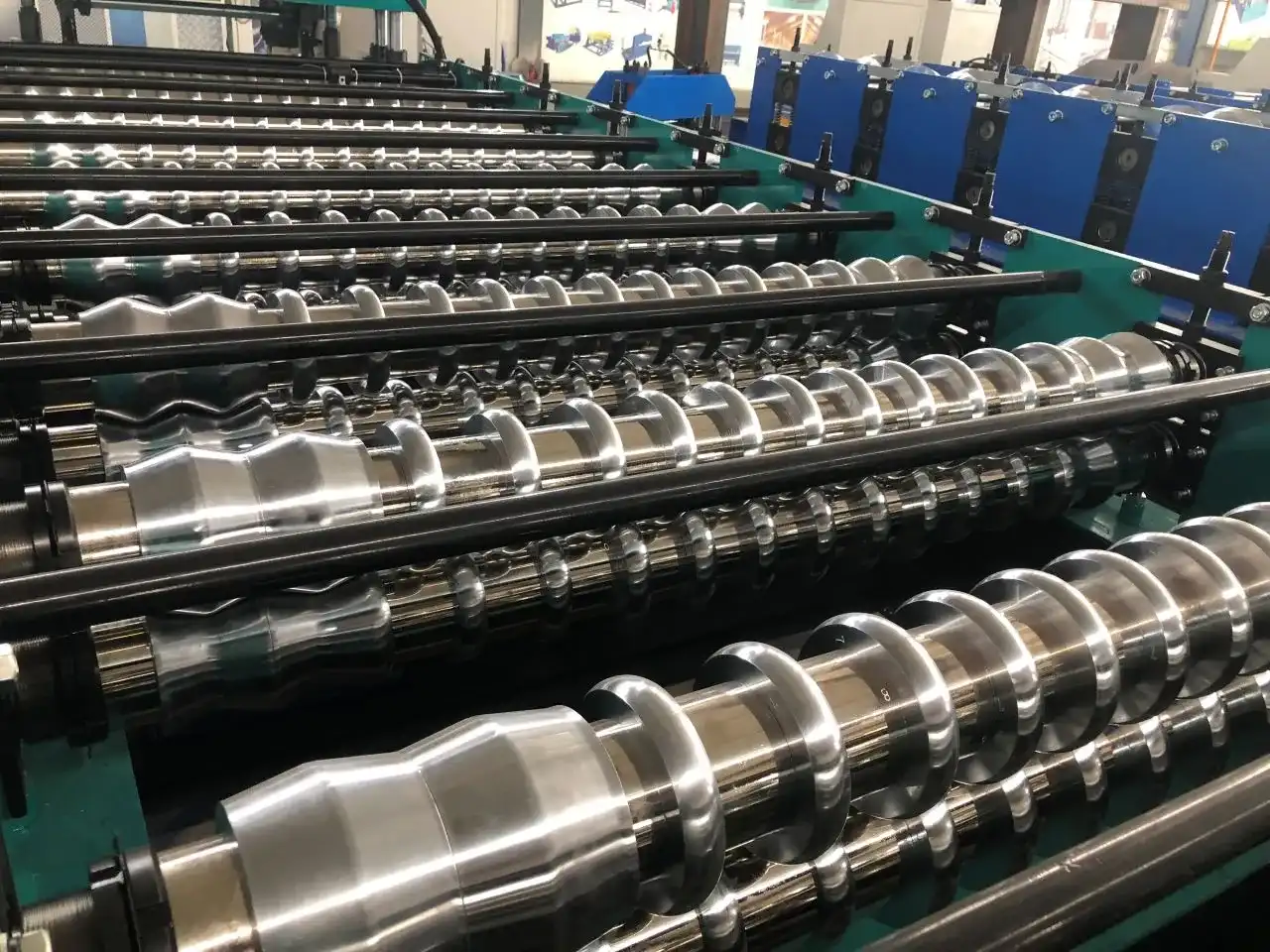
Hand tools are cheaper at first, but they don't always work the same way and depend on how skilled the person using them is. They might work in small shops, but someone might still need to feed the materials, measure them, or cut them.PLC control failure troubleshootinghas built-in safety features, can automatically change the length, can always follow the same steps, and can store recipes. CNC should be used to move things that need to be moved on more than one axis. A PLC-controlled roll forming machine with an inverter or motor drive isn't always a full CNC machine. People who want to buy should compare functions instead of labels, I tell them.
Preventive Maintenance and Documentation
If there is noise, vibration, temperature, oil, trash, or an HMI alarm, check it every day and once a week. Also, check for clear damage to the wires. It's time to tighten the connections, clean the cabinet cooling, check the grounding and encoder links, and keep up with the hydraulics and lubrication. You should keep wiring diagrams, I/O lists, inverter settings, hydraulic diagrams, and notes about how to set up everything in an electronic file. You should also copy the HMI and PLC. To make sure everything works, always have extra sensors, valves, fans, and limit switches on hand.
Choose a Dependable PLC Controlled Roll Forming Machine Supplier
Not only the speed and type of PLC should you look at. Check out the frame, the number of stations for making things, the drive system, the encoder, the way the materials are cut, and the way the length is controlled. Before giving a price quote for tailored profiles, the company should look at the plans, the material, the width, and the tolerances. ZTRFM supplies box profile, C purlin, ridge cap, and standing seam lines. If someone is interested, they should find out more about training, software backups, warranty terms, replacement parts, and trial production. A quote that breaks down the costs of tools, equipment, services, and shipping should also be gotten.
Apply the Map: Examples and a Final Checklist
Roof Panel Length Errors
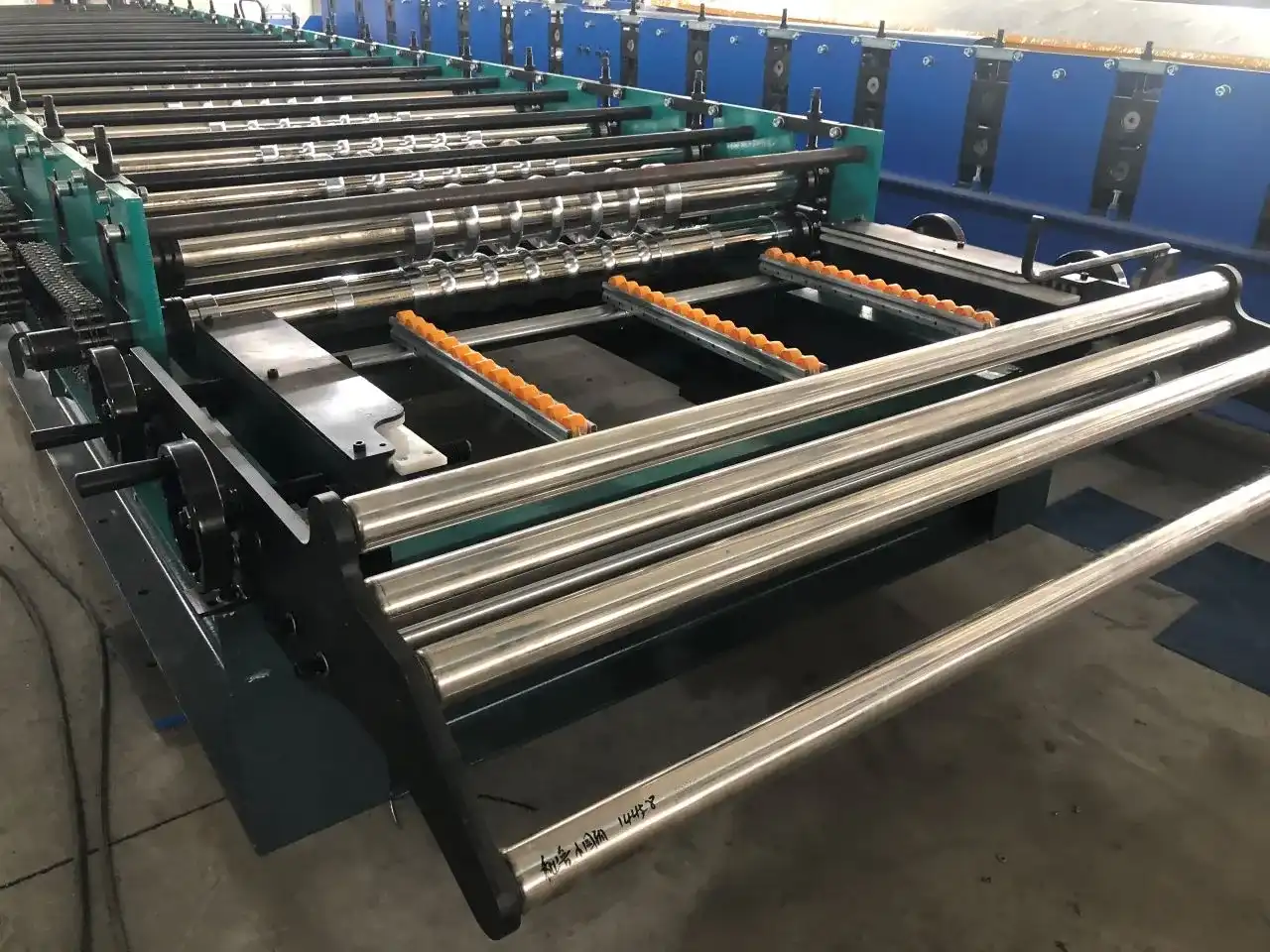
Think of a roof panel line that cuts sheets to different lengths. It's not always the first thing that is done to change the PLC. The recipe numbers, the encoder, the measure wheel, and the way the machine is set up would all play a role. A wheel that is dirty or worn out and moves on steel doesn't show how far the sheet really went. Calibrate and clean the wheel, then put it back together again. This is a simple way to fix most problems. This is also true for lines with standing seams; the length of the cut is decided by a PLC.
Intermittent Stops and Cutter Faults
Why might a purlin line stop in a strange place? It's possible that the sensor wire isn't stable, the generator is too hot, the motor is overloaded, or someone is keeping an eye on things. If a steel deck cutter won't finish its turn, I make sure the solenoid is set correctly, the cutter is aligned correctly, and the blades are far enough apart. If you find a problem with the signal path, you should fix it, test it, and then write down the issue in the maintenance log. This is how things always go.
Checklist for Global B2B Buyers
Before you buy, make sure you know the length, width, speed, material, form, support needs, cutting method, and more. Before putting up the machine, make sure the cutting is correct, test the agreed-upon materials, and make a copy of the software. Also, find out what kind of energy the target country needs. While the machine is running, keep an eye on flaws, grounding, stable power, and important parts. Anyone who knows about safety systems, PLC code, or drive settings should be able to help you. ISO 13849-1 talks about control parts that are used for safety. Making changes without writing them down can void warranties and lower the reliability of production.
Заключение
You can figure out what's wrong with a PLC control faster if you start with the issue instead of the controller. The HMI instructions, sensors, drives, and cutting processes are all linked by the PLC. So noise from the electricity, open wires, the encoder moving, changes to the program, and issues with the hydraulics or motors can all look like controller problems. If you know where the broken link is, you don't have to fix it. It can lock out, check the top-down signal, and test each mode separately. A plc controlled roll forming machine is easier to keep up with when you have clear service specs, backups, and the right settings. Fix the problem you see on the signal line and write down what you found. Cutting and length errors both do this.
FAQ
1. Is every machine stop a PLC failure?
No, a lot of stops happen because of things like changes in power, sensors, encoders, drives, hydraulic pressure, and parameters that aren't set right. Make sure the lights and alarms work before you change the CPU.
2. How can I tell a PLC input problem from a sensor or wiring fault?
You can turn on the sensor by hand and look at the data on the PLC module. If the light goes out, check the monitor, the plug, and the power source. If the light changes but the machine doesn't do anything, look at the code and run the test again.
3. What details do you need to review my control issue?
Send the error code, the name of the machine, the type of PLC and HMI, the material, the thickness, the length of the cut, the target speed, pictures or videos, and a profile drawing. Then, a skilled group can figure out whether the problems are electrical, hydraulic, programmed, or mechanical.
Request a PLC Controlled Roll Forming Machine Troubleshooting or Configuration Review
Do you need help or want to add a line? Send videos or pictures to zhongtuorollforming@gmail.com along with the machine type, the material, the thickness, the length of the cut, the goal speed, and the profile drawing. The skilled people on our team will look at the mechanical, electrical, sensor-based, and hydraulic reasons. Along with a plc controlled roll forming machine supplier setup, we can talk about spare parts, startup, and training.
Референсы
1. NFPA 79, Electrical Standard for Industrial Machinery, 2024
2. OSHA 3120, Control of Hazardous Energy (Lockout/Tagout), 2002
3. ISO 13849-1, Safety of Machinery: Safety-Related Parts of Control Systems, 2023
4. NFPA 70E, Standard for Electrical Safety in the Workplace, 2024
5. IEC 61131-3, Programmable Controllers: Programming Languages, 2013
6. Programmable Logic Controllers, McGraw-Hill Education, 2016