- Turanci
- Faransa
- Jamus
- Portuguese
- Mutanen Espanya
- Rasha
- Japan
- korean
- arabic
- Irish
- Girkanci
- turkish
- italian
- Danish
- Romanian
- Indonesian
- Czech
- Afirkanci
- Yaren mutanen Sweden
- goge
- Basque
- Catalan
- Esperanto
- hindi
- Lao
- Albanian
- Amharic
- Armenian
- Azerbaijani
- Belarushiyanci
- Bengali
- Bosnian
- Bulgaria
- Harshen Cebuano
- HARSHEN
- Harshen Kosikan
- Croatian
- Dutch
- Istoniyanci
- Filipino
- finnish
- K'abilan Firsi
- Bagalike
- Jojiyanci
- Gujarati
- Haiti
- Hausa
- Hawaiian
- Ibrananci
- harshen Hmong
- Hungarian
- Icelandic
- Igbo
- Javanisanci
- kannada
- Kazakh
- Khmer
- Kurdish
- Kyrgyzstan
- latin
- Latvian
- Lithuanian
- Luxemboo..
- macedonian
- Madagascar
- malay
- Malayalam
- Maltese
- Harshen Maori
- Marathi
- Mongolian
- Burma
- Nepali
- Yaren mutanen Norway
- Pashto
- Persian
- Punjabi
- Serbian
- Sesotanci
- Sinhala
- Basulake
- Basulabe
- Somaliya
- Samoan
- Scots Gaelic
- Shona
- Sindhi
- Sundanese
- Swahili
- Tajik
- tamil
- Telugu
- Sauna
- Ukrainian
- Urdu
- Uzbek
- K'abilan Biyetnam
- Welsh
- Xhosa
- Yiddish
- Yoruba
- Zulu
Portable Roll Former: Producing Roofing Panels On Site
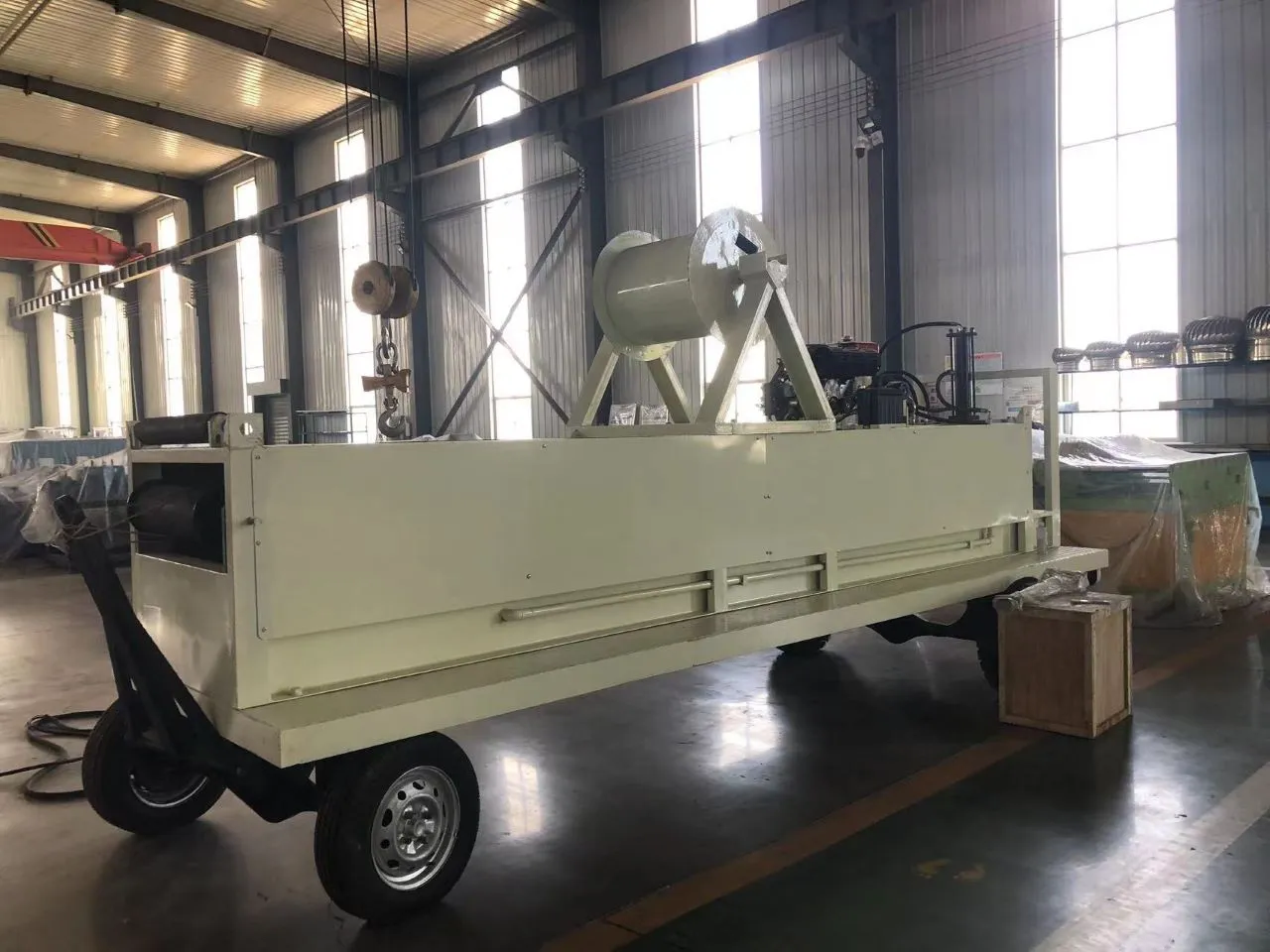
A KR18 portable standing seam machine forms concealed-fastener roofing panels at the job site. It runs PPGI, GI, or aluminium coil from 0.3 to 0.8 mm thick at 10–15 m/min and cuts each panel to the length specified in the roof design. Forming on site reduces the need to ship and store long panels and lowers the risk of damage in transit. Contractors, distributors, and OEM buyers can use the profile drawings, specifications, and output estimates below to compare machines.
What Is a KR18 Portable Standing Seam Machine, and Who Needs One? Definition and Core Components
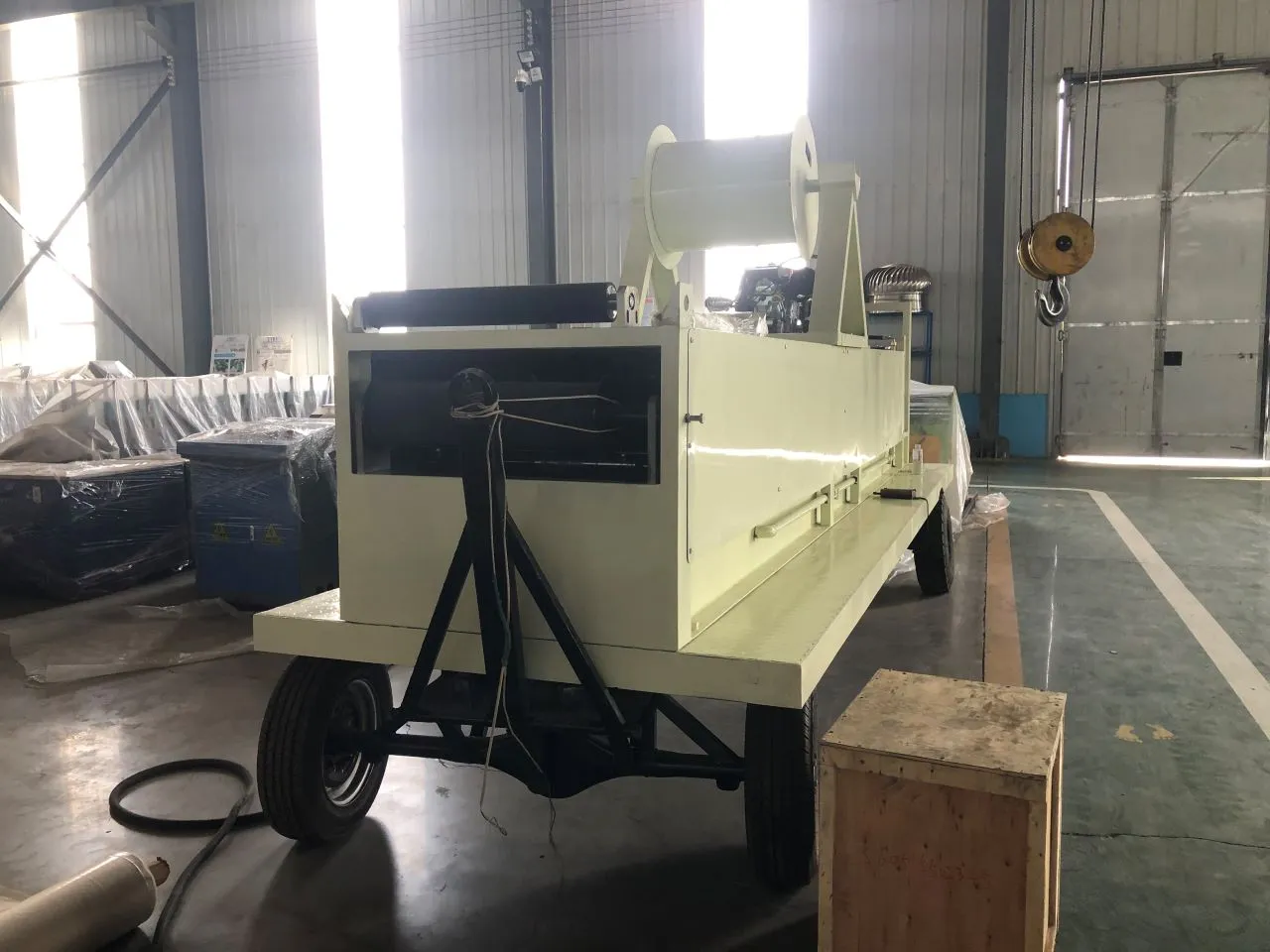
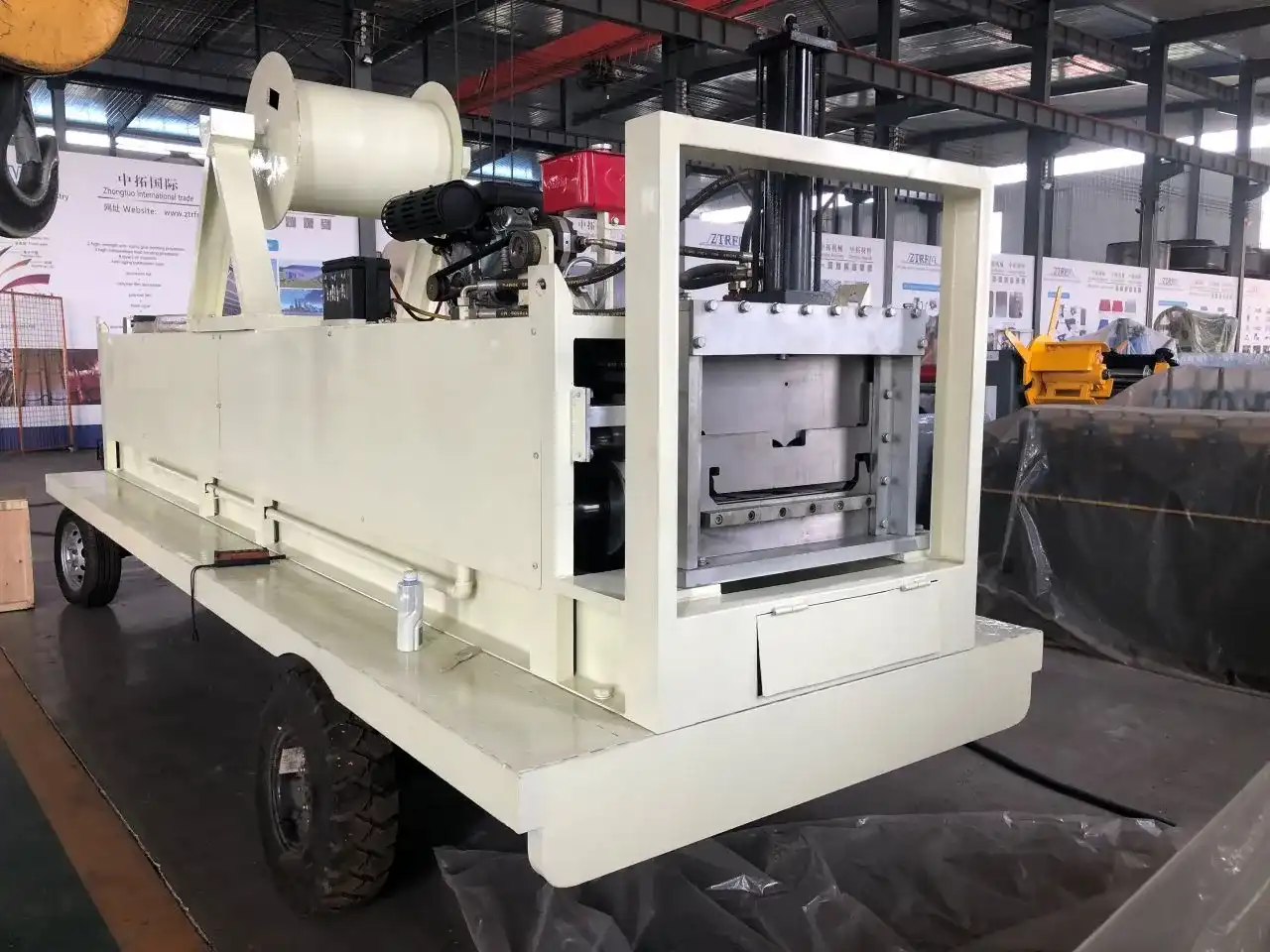
This portable roll former is a roll forming line that is movable and moulds metal coil into standing seam roofing panels in close proximity to the building site. By gently bending the sheet via paired roller stations, roll forming reduces the amount of stress that is placed on the metal and the coating that it is coated with (Halmos, Roll Forming Handbook). A feeding section, forming stations, a main motor with a capacity of 3 kW, a hydraulic system with a capacity of 3 kW for cutting, and a control cabinet are all included in our unit. The main body has dimensions of 2300 millimetres in length, 1500 millimetres in width, and 1600 millimetres in height, and it weighs 2.2 tonnes. A team is able to transport the mill from one roof to the next thanks to the design that allows it to be mounted on a trailer and has crane-lift points.
Who Uses a Portable Roll Former
In general, I notice four different buyer groups. The mill is used by architectural roofing contractors for the construction of high-end residential and institutional structures. Roll-forming firms that transport panels from one project to another are known as job-site roll-forming companies. Adding a premium product tier to their catalogue is something that distributors do. Clamps, such as S-5 type devices, are used by solar EPC installers because they grab the elevated seam rather than piercing the panel. This makes standing seam roofs more advantageous. These four groups are all in need of the same thing: panels that are cut to the precise length of the roof when the workforce needs them.
Why the Model Name Is Not Enough
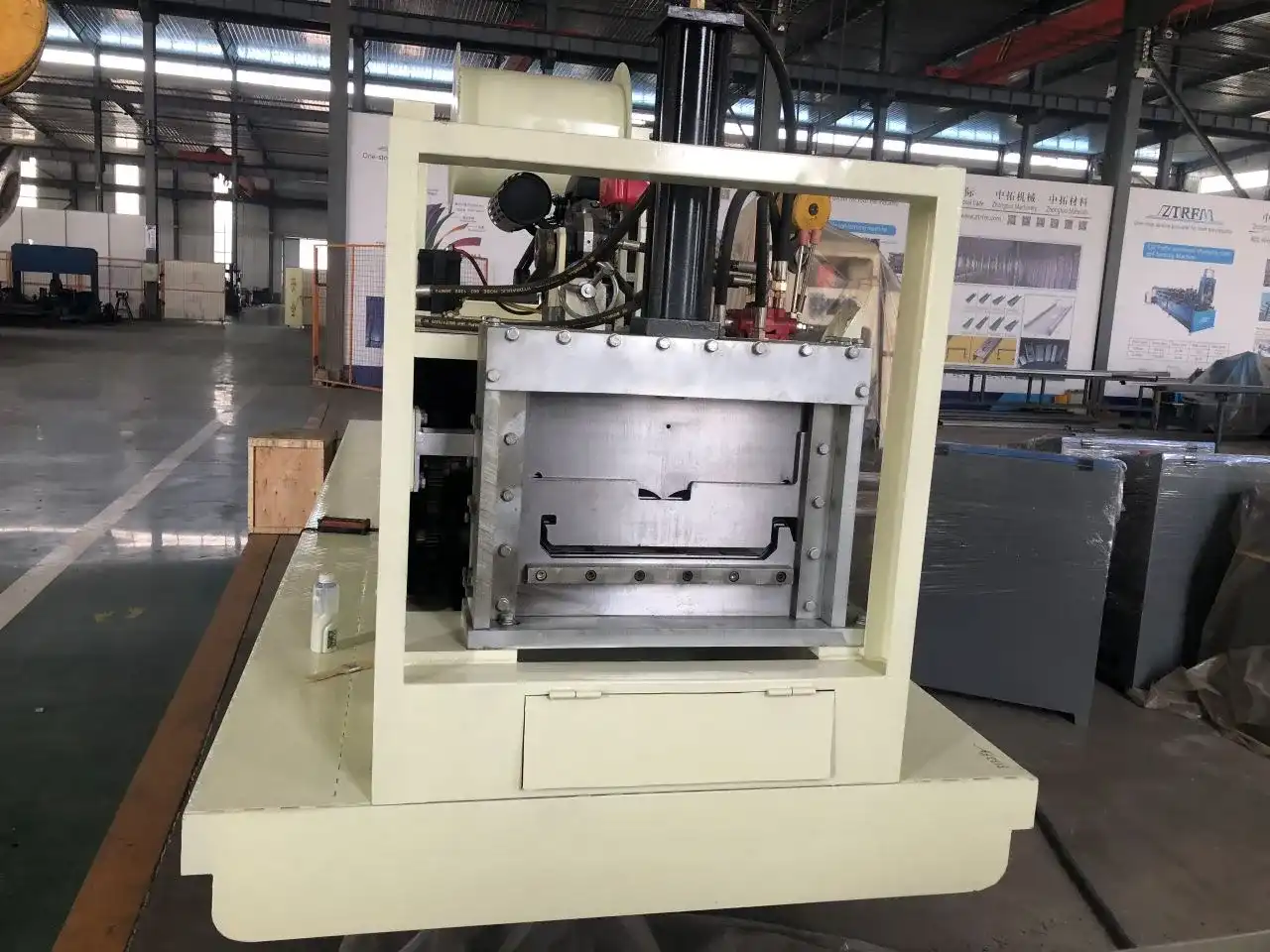
I am often asked by purchasers what the meaning of KR18 is. It is described by a number of vendors as a profile that has a cover width of 18 inches; nevertheless, the seam geometry and layout might vary from one manufacturer to every other manufacturer. It is important to examine the drawings side by side since the KR24 class machines are a distinct alternative. Request the profile drawing as well as a sample panel just before you place your purchase. Check the seam height, make sure the clips are compatible, and determine the seamer you want to use. During the time that you are evaluating your choices, we will provide you with drawings that are covered by a non-disclosure agreement (NDA) for bespoke seam heights and panel widths.
How the Machine Works: Process, Specifications, and Output
From Coil to Finished Panel
A typical run on a KR18 portable standing seam machine begins with a coil check. A check is made on the breadth, thickness, and coating of the coil before it is loaded into the decoiler by the crew. After that, the strip is brought into the shaping stations, where rollers bend it into the standing seam profile in a step-by-step manner. Shearing the panel is accomplished by the hydraulic cutter, while the control system monitors the length that you have chosen. Finished panels are then transferred to support tables or directly to the top of the structure. Before beginning full production, it is important to run a trial panel and inspect it for scratches on the surface, seam edges, and breadth. The borders of the male and female seams must be identical to the clips, flashings, and seaming tool that you are using.
Ƙayyadaddun bayanai a kallo
Use these factory specifications to compare quotes.
- Formed material and thickness: The machine forms PPGI, GI, and aluminum (AI) coil from 0.3 to 0.8 mm thick. Architectural standing seam work usually sits at 24 to 26 gauge, or 0.45 to 0.6 mm, which falls inside this range. We can discuss aluminum options down to 0.4 mm for custom projects.
- Power and voltage: A 3 kW main motor drives the forming stations, and a separate 3 kW hydraulic system runs the cutter. Standard voltage is 380V, 50Hz, three-phase, and we can customize the voltage for your site. For portable units, we can also discuss gas-engine or electric drive.
- Size, weight, and speed: The main body measures 2300 × 1500 × 1600 mm, weighs 2.2 tons, and forms at 10 to 15 m/min. The compact footprint fits a trailer, and the moderate speed gives the crew time to watch seam alignment as each panel exits the mill.
For the purpose of sizing a crane, a power supply, and a trailer, these figures are helpful. When you compare the brands of job-site mills manufactured in the United States with those manufactured by other Chinese lines, they also provide you with a reasonable foundation.
Forming Speed Versus Daily Output
To estimate daily output for a KR18 portable standing seam machine, account for coil changes and panel handling as well as forming speed. It takes around 1.2 minutes for a 40-foot panel, which is approximately 12 meters in length, to form while moving at a speed of 10 meters per minute. It takes around 0.8 minutes while travelling at a speed of 15 meters per minute. Changing coils, measuring, handling, staging panels, and moving the mill are the activities that take up the remainder of the day. Actual output may be affected by a variety of factors, including material strength, panel length, crew experience, and site power. In addition to requesting a video acceptance test from the provider, you should plan output around your own roof schedule. Many purchasers in North America anticipate receiving one before shipping.
On-Site Production in Practice: Benefits, Limits, and Buying Checks
Benefits and Typical Applications
Naɗin da ke kan wurin yana samar da KR18 portable standing seam machine can reduce the need to transport finished roofing panels, helping lower transportation costs and minimize handling damage. It also allows panels to be produced according to actual roof measurements, reducing the need for end laps and improving material utilization. Storing coils instead of numerous pre-cut panel lengths can simplify inventory management and provide greater flexibility during installation. Standing seam roofing systems are commonly used in villas, airports, stadiums, educational buildings, and other projects requiring durable metal roofing. Additional applications include solar-ready roofs with compatible seam clamps, fascia and mansard roof details, and coastal buildings where properly designed and installed mechanically seamed panels may provide enhanced wind resistance. Depending on the equipment design and tooling configuration, some roll forming machines can accommodate different standing seam profiles. However, compatibility with mechanical-seam and snap-lock systems should be confirmed with the manufacturer before purchasing.
Limits, Safe Operation, and Maintenance
It is still necessary for a portable mill to have a staff that has been trained, a workspace that is level and relatively clean, consistent electricity, and equipment that can handle coil and long panels. When it comes to panel quality, dust, damp weather, and restricted access may all be detrimental to manufacturing. Every bit as important as speed is safety. Protective gear should be worn, the coil should be secured, and power should be isolated before any adjustments are made. Keep your hands away from the cutter and the rollers. Regular inspections of the lubricants, chains, bearings, electrical connections, emergency stops, and cutter blades are all things that we suggest doing for maintenance purposes. Also, clean the rollers in order to preserve surfaces that have been coated. On-site repairs are simplified with seamer heads that may be serviced in the field.
Choosing and Buying a Portable Roll Former
Your application should be your starting point. This includes your profile, panel length, yearly volume, material, and power at your locations. In contrast to a fixed line, which is designed for continuous, high-volume industrial production, a portable mill is best suited for project-based work. If you want a trial run on your material, you should ask for the datasheet, the profile design, the tooling list, and the cutting tolerance. You should be sure to get bids that include the machine, tooling, seamer hand tools, clip dies, packing, and shipping, and you should also check terms such as ex-works, free of charge, or cost-in-service. It was in Botou, Cangzhou, in 2014 when ZTRFM was established. We have takaddun shaida in ISO 9001, CE, and CAS, and we ship to more than 150 countries. Additionally, we collaborate with Siemens on cloud Internet of Things remote maintenance.
Kammalawa
By transforming coil into standing seam panels at the roof, on-site roll forming eliminates the need for panel freight and enables precise lengths to be achieved. When evaluating a KR18 portable standing seam machine, it is important to focus on the profile drawing rather than the machine's name since the cover width and seam geometry might differ. With a primary motor of 3 kW, a hydraulic system of 3 kW, and a body that weighs 2.2 tonnes, the machine that is detailed here is capable of forming PPGI, GI, and aluminium at speeds ranging from 10 to 15 meters per minute. Actual production is contingent upon panel length, handling, the expertise of the crew, and electricity. In addition, successful outcomes are contingent upon the presence of skilled workers, safe procedures, routine maintenance, and estimates that differentiate between the prices of the machine, tooling, and shipment.
FAQ
1. Does the machine also seam the panels?
The machine forms the panel profile and cuts it to length. Once the panels are on the clips, use a manual or powered seamer to close the seams. Ask whether the seamer is included in the quote.
2. Which coil can it form?
It forms PPGI, GI, and aluminium coil from 0.3 to 0.8 mm thick. This range encompasses the typical architectural gauges of 24 to 26, which are equivalent to 0.45 to 0.6 millimetres. Confirm the precise alloy and coating that you want before placing your purchase.
3. What do you need to prepare a quote?
The following information should be sent: a profile design or sample, the width and seam height of the panel, the material and thickness, the output target, the destination port, the local voltage and frequency, and the date of your delivery.
Request a KR18 Portable Standing Seam Machine Quotation from ZTRFM
To request a trial with your own coil on a KR18 portable standing seam machine, send ZTRFM your profile drawing, material, panel width, seam height, and site voltage at zhongtuorollforming@gmail.com. ZTRFM offers OEM and ODM tooling, trailer-mount options, and equipment from decoiler to stacker.
References
1. Halmos, G. T. Roll Forming Handbook, 2005.
2. ASM International. ASM Handbook, Volume 14B: Metalworking: Sheet Forming, 2006.
3. Kalpakjian, S., and Schmid, S. Manufacturing Engineering and Technology, 2014.
4. ASTM International. ASTM A653/A653M: Standard Specification for Steel Sheet, Zinc-Coated (Galvanized) or Zinc-Iron Alloy-Coated (Galvannealed) by the Hot-Dip Process, 2022.
5. ASTM International. ASTM B209: Standard Specification for Aluminum and Aluminum-Alloy Sheet and Plate, 2021.
6. National Roofing Contractors Association. The NRCA Roofing Manual: Metal Panel and SPF Roof Systems, 2019.